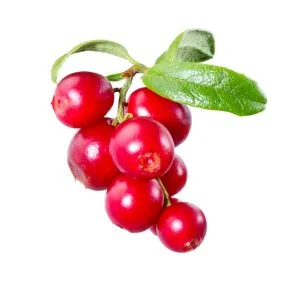
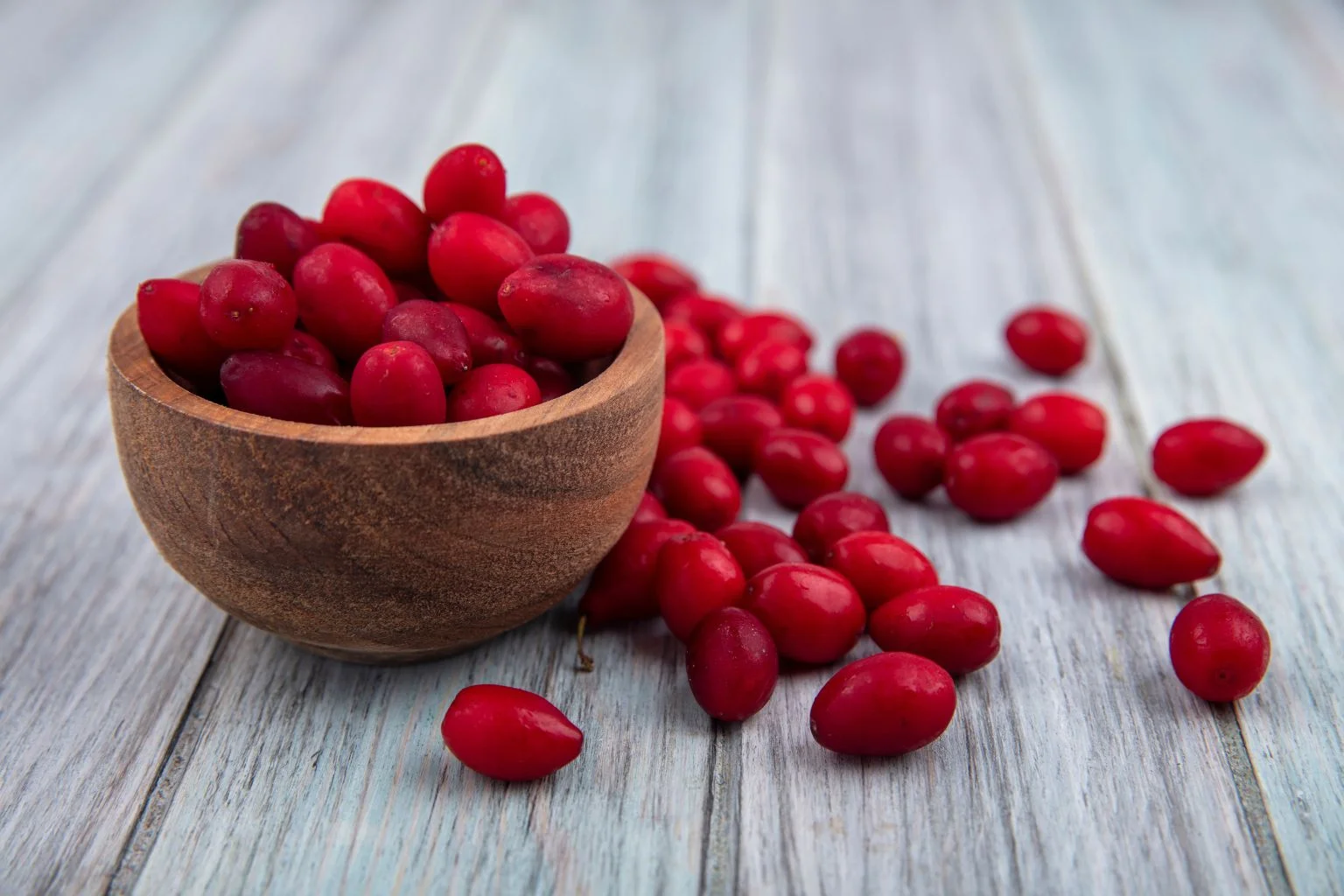
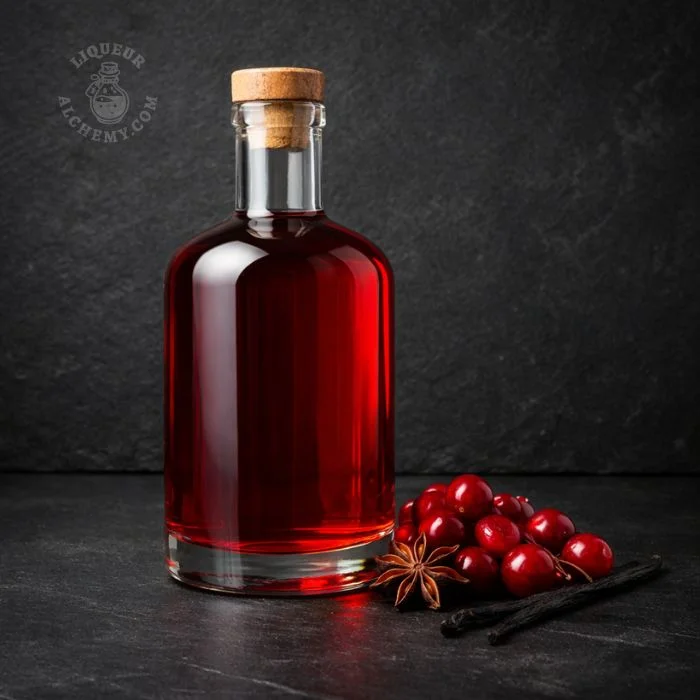
Cranberry

Cranberry in Liqueur Making: Tart Brightness and Ruby Depth

Cranberry is a sharp, red berry valued in liqueur making for its vivid acidity, clean fruit character, and natural brightness. It creates infusions that feel lively rather than heavy, helping sweeter formulas stay focused and refreshing. Its tart profile works especially well with citrus, warming spices, apples, vanilla, and honey. In homemade liqueurs, cranberry adds color, lift, and a crisp finish, making it useful for festive, elegant, or boldly balanced recipes.

Cranberry

Home / Ingredients / Fruits / Cranberry

Cranberry Flavor Profile

Tart, bright, crisp, fruity, slightly bitter, and lightly astringent with a clean red-berry finish.
Cranberry Impact on Liqueurs

Adds vivid color, fresh acidity, sharper definition, and a lively finish that balances sweetness well.

How to Use Cranberry?

Use fresh or frozen cranberries for a clean, bright infusion. Pair with enough sugar or complementary sweet fruit to soften the tart edge, and avoid over-infusing if you want to keep bitterness low.

Cranberry Pairing Suggestions

Vodka, Gin, Rum, Star Anise, Cane Sugar, Honey, Orange Zest, Cinnamon, Apple, Vanilla
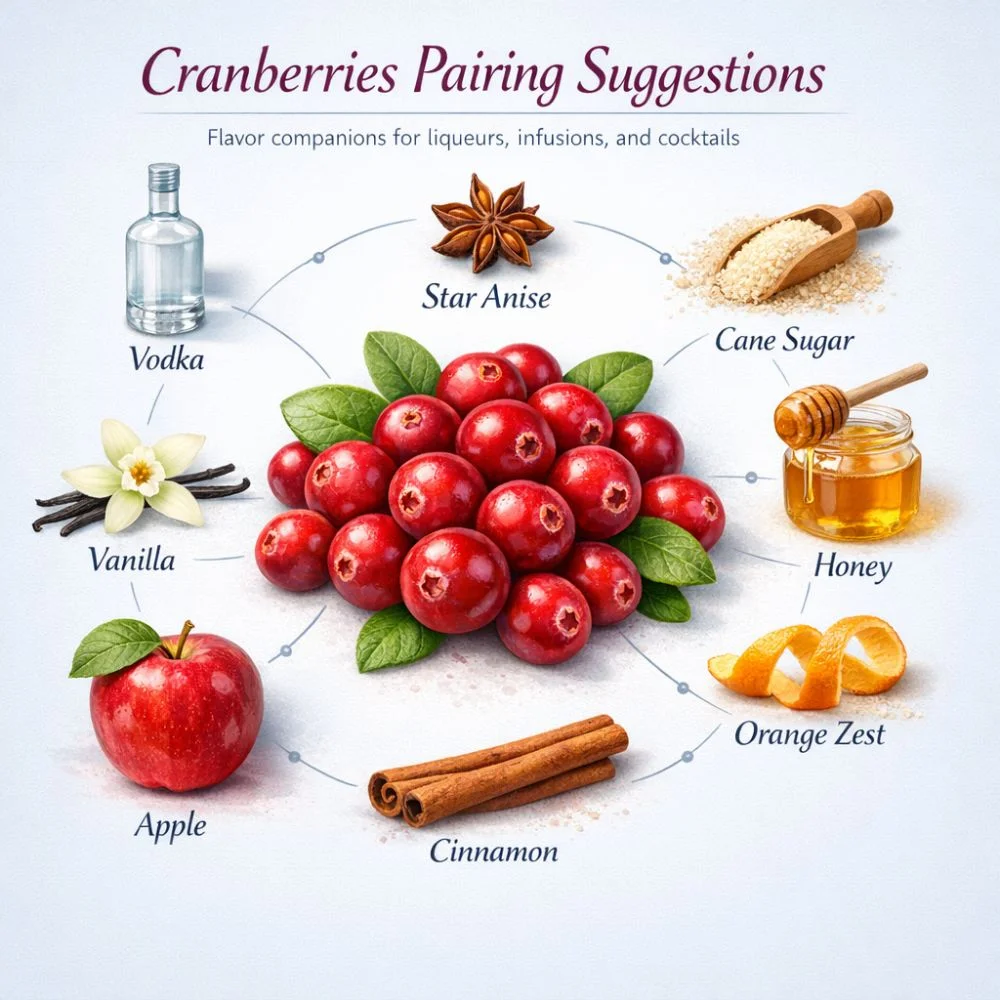
Cranberry pairing suggestions for liqueur making

Cranberry FAQ


Cranberries extract differently from many other berries because they are naturally firmer, lower in sugar, and much higher in acid. In alcohol, they tend to release bright tartness, red pigment, and a clean, sharp fruit aroma rather than the jammy sweetness you might get from raspberries, strawberries, or ripe blueberries. That means a cranberry infusion often tastes more angular at first. Instead of feeling lush and rounded early on, it usually tastes crisp, lean, and vivid. This is one reason cranberry is so useful in liqueur making when you want freshness and structure rather than a heavy, dessert-like berry profile.

Their skin and flesh also matter. Cranberries have resilient skins and a dense interior, so extraction can be a little slower than with softer berries that break down quickly in spirit. Alcohol pulls out color and acidity fairly well, but the fruit character tends to develop in a more restrained way unless the berries are cut, crushed lightly, or frozen first. Compared with sweeter berries, cranberry infusions are less likely to taste immediately full and fruity, but they are much more likely to deliver a bright, balancing edge that helps sugar and spice stay controlled.

In practice, cranberry behaves best when treated as a flavor-shaping fruit rather than a purely juicy one. It contributes color, lift, tartness, and a clean finish. For liqueurs, this means it often pairs especially well with sugar, honey, orange zest, cinnamon, vanilla, apple, and warming spices that soften its sharpness. If your goal is a festive, elegant, or cocktail-friendly liqueur, cranberry often extracts more usefully than softer berries because it gives definition and brightness instead of only sweetness.

Yes, both crushing and freezing cranberries can improve extraction, but they do so in slightly different ways. Freezing is often the gentler and more reliable option because ice crystals weaken the cell structure of the fruit. When thawed, cranberries soften and release juice, color, and tartness more easily into the spirit. This helps the alcohol reach the interior more quickly without forcing you to mash the fruit aggressively. For many homemade liqueurs, frozen-thawed cranberries give a stronger and more even infusion than fully intact fresh berries.

Light crushing can also help, especially if you are working with very firm fresh cranberries. Breaking the skins exposes more surface area and speeds the transfer of flavor and color. The key word is light. If you pulverize the fruit too much, the infusion may become cloudier, more pulpy, and more difficult to filter. Over-crushing can also pull out more bitterness from skins and seed material, particularly if the infusion is left for too long. You usually want bruised or halved fruit, not a puree floating in alcohol.

In practice, freezing first and then using a gentle crush often gives the best balance. You get better extraction, richer color, and more efficient use of the fruit while still keeping the final liqueur cleaner and easier to strain. This is especially useful when you want cranberry to show clearly alongside orange zest, spices, vanilla, or apple. If clarity matters, choose minimal crushing. If intensity matters more, a little more fruit breakdown is acceptable. Either way, improved extraction should still be matched with careful timing so the liqueur stays bright rather than harsh.

Substituting lingonberries for cranberries usually preserves the overall style of the liqueur quite well. Lingonberries are tart, red, and slightly bitter in a way that keeps the drink bright and structured. In many cases, they produce a liqueur that feels very close to cranberry, although sometimes a little more woodland-like or subtly earthy. This makes them an excellent stand-in for recipes built around festive spice, citrus zest, honey, or vanilla. If the goal is a clean, sharp, northern-style berry liqueur, lingonberries often require only small adjustments to sugar and infusion time.

Red currants shift the balance a bit more. They tend to feel juicier and more obviously fruity, with a brisk sourness that is slightly less firm than cranberry’s crisp bite. The liqueur may seem more aromatic and bright in the middle palate but a little less stern or structured on the finish. That can be very appealing, especially in lighter liqueurs meant for cocktails or aperitif-style drinks. However, because red currants can feel more delicate, they may need careful handling if you also want spices or stronger alcohol bases to stay in proportion.

In practical recipe terms, lingonberries usually behave like a near-direct substitute, while red currants often create a softer interpretation of the same idea. With lingonberries, you may keep the sweetener and spice profile close to the original. With red currants, you might reduce sugar slightly less aggressively or shorten the infusion to preserve freshness. Both can work beautifully, but lingonberries hold closer to cranberry’s firm acidity, while red currants push the liqueur toward a brighter, lighter, more openly fruity balance.

View this Ingredient FAQ as a standalone page

A practical starting range for cranberries is about 300 to 500 grams per liter of spirit, depending on how bold you want the final liqueur to taste. Closer to 300 grams usually gives a lighter, fresher cranberry character that works well when other elements such as orange zest, cinnamon, vanilla, or apple also need room to show. Closer to 500 grams creates a more fruit-driven result with stronger tartness, deeper color, and greater intensity. If the berries are whole and firm, the lower end may taste quite restrained unless you freeze or lightly crush them first.

Dosage should also reflect the style of sweetening. A liqueur with more sugar or honey can handle a stronger cranberry load because sweetness softens the acidity and broadens the palate. On the other hand, if you want a crisp, less sweet, aperitif-like result, too much fruit may make the infusion feel severe or sharp unless the timing is very carefully managed. The alcohol base matters as well. Neutral vodka allows cranberry to dominate clearly, while gin, brandy, or rum add their own character and may need a slightly adjusted fruit ratio.

For most homemade batches, around 400 grams per liter is a very balanced middle point. It gives enough fruit for color, tartness, and identity without forcing the liqueur into a heavy or overly aggressive profile. From there, you can move up or down depending on whether the recipe is meant to be festive, cocktail-friendly, dessert-like, or spice-led. Small test batches are the easiest way to refine your preferred dosage with confidence.

View this Ingredient FAQ as a standalone page

A flat cranberry liqueur often starts with fruit handling problems. If the berries are old, tired, or lacking aroma, the infusion may pull mostly acid and color without enough true fruit character. Using too little cranberry per liter can create the same issue, especially if the recipe also includes strong alcohol, a lot of dilution, or other ingredients that overshadow the berry. On the other side, an overly sharp cranberry liqueur usually comes from too little sugar, too much fruit intensity, or infusion timing that favors acidity over integration. In both cases, the liqueur lacks harmony.

Another common mistake is treating cranberry as if it were a sweet berry. Unlike ripe strawberries or blueberries, cranberry does not naturally bring plushness. It needs balancing partners. If you build the liqueur with only cranberry and neutral alcohol, the result can feel thin, hard, or incomplete unless the sweetening and resting stages are handled carefully. Ignoring complementary ingredients such as orange zest, apple, vanilla, honey, or warming spice often leaves the profile one-dimensional. Likewise, using too much citrus pith or overly dry spice additions can amplify sharpness instead of improving complexity.

The final mistake is judging the liqueur too early. Right after infusion and sweetening, cranberry can taste more severe than it will after resting. Time allows the sugar, alcohol, and fruit acids to integrate. Without that rest, makers may think the recipe failed when it simply has not settled yet. The cure for both flatness and excessive sharpness is structured formulation: enough fruit, enough sweetness, careful timing, useful pairings, and patience. Cranberry rewards balance more than force.

View this Ingredient FAQ as a standalone page

Cranberry
Cranberry in Liqueur Crafting

More Fruits


RELATED RECIPES OF LIQUEUR ALCHEMY


Explore more creations from Liqueur Alchemy that share similar flavours, techniques, or ingredients. These related recipes offer fresh ideas and inspired combinations to help you craft your next bold, homemade spirit.

LIQUEUR ALCHEMY TOOLS & RESOURCES


Design labels in minutes—beautiful, practical, and ready to print. Choose a tool below to generate bottle or ingredient labels that match your Liqueur Alchemy workflow.
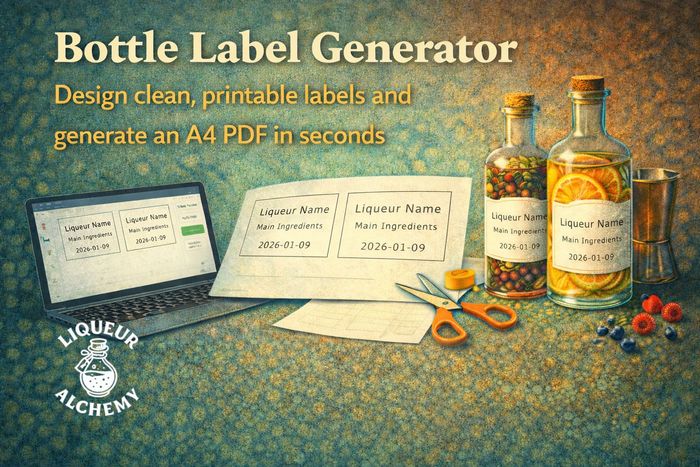
Bottle Label Generator preview

Bottle Label Generator

Create clean bottle labels with your liqueur name, batch details, date — ready for printing and gifting.
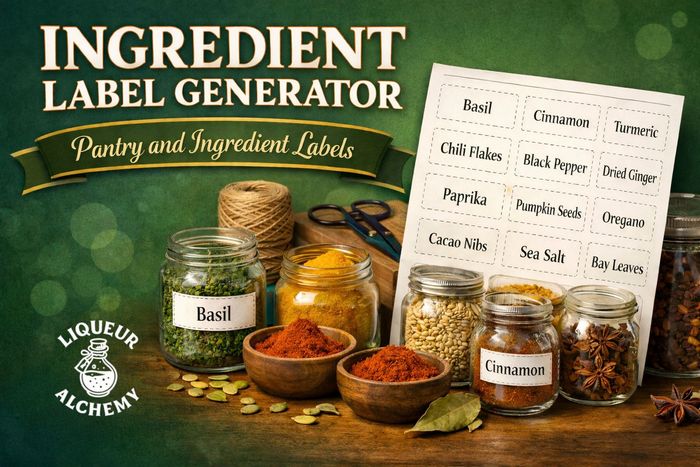
Ingredient Label Generator preview

Ingredient Label Generator

Label jars, containers, and storage bags to maintain clear organization from preparation through infusion and serving.
Ingredient pairing cheat sheet for creating balanced homemade liqueurs

Ingredient Pairing Cheat Sheet

Discover flavor combinations that create balanced, complex, and unique homemade liqueurs.