What mistakes lead to a flat or overly sharp cranberry liqueur without proper balance?
Troubleshooting Common Homemade Liqueur Problems and Fixes
Direct Answer
Flat cranberry liqueur comes from weak fruit or poor support, while overly sharp versions usually lack sweetness, balance, or resting time.
Expanded Explanation
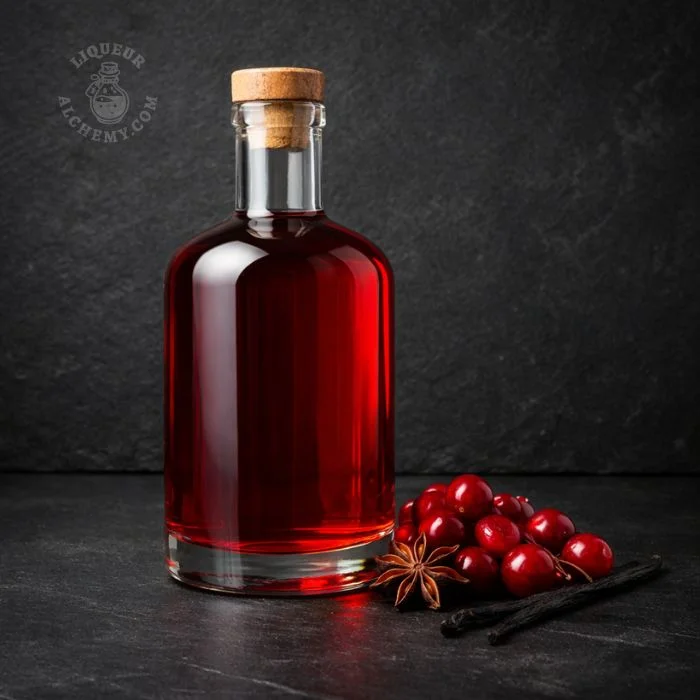
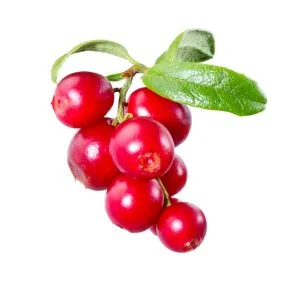
A flat cranberry liqueur often starts with fruit handling problems. If the berries are old, tired, or lacking aroma, the infusion may pull mostly acid and color without enough true fruit character. Using too little cranberry per liter can create the same issue, especially if the recipe also includes strong alcohol, a lot of dilution, or other ingredients that overshadow the berry. On the other side, an overly sharp cranberry liqueur usually comes from too little sugar, too much fruit intensity, or infusion timing that favors acidity over integration. In both cases, the liqueur lacks harmony.
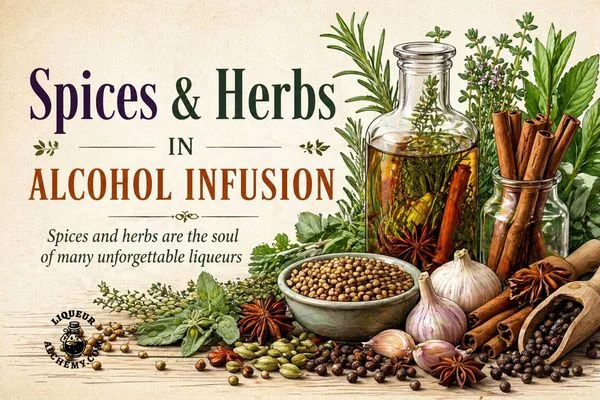
Another common mistake is treating cranberry as if it were a sweet berry. Unlike ripe strawberries or blueberries, cranberry does not naturally bring plushness. It needs balancing partners. If you build the liqueur with only cranberry and neutral alcohol, the result can feel thin, hard, or incomplete unless the sweetening and resting stages are handled carefully. Ignoring complementary ingredients such as orange zest, apple, vanilla, honey, or warming spice often leaves the profile one-dimensional. Likewise, using too much citrus pith or overly dry spice additions can amplify sharpness instead of improving complexity.
The final mistake is judging the liqueur too early. Right after infusion and sweetening, cranberry can taste more severe than it will after resting. Time allows the sugar, alcohol, and fruit acids to integrate. Without that rest, makers may think the recipe failed when it simply has not settled yet. The cure for both flatness and excessive sharpness is structured formulation: enough fruit, enough sweetness, careful timing, useful pairings, and patience. Cranberry rewards balance more than force.