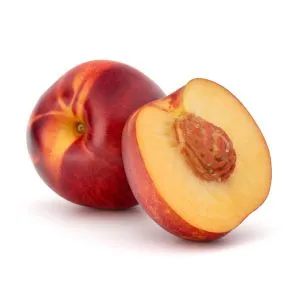
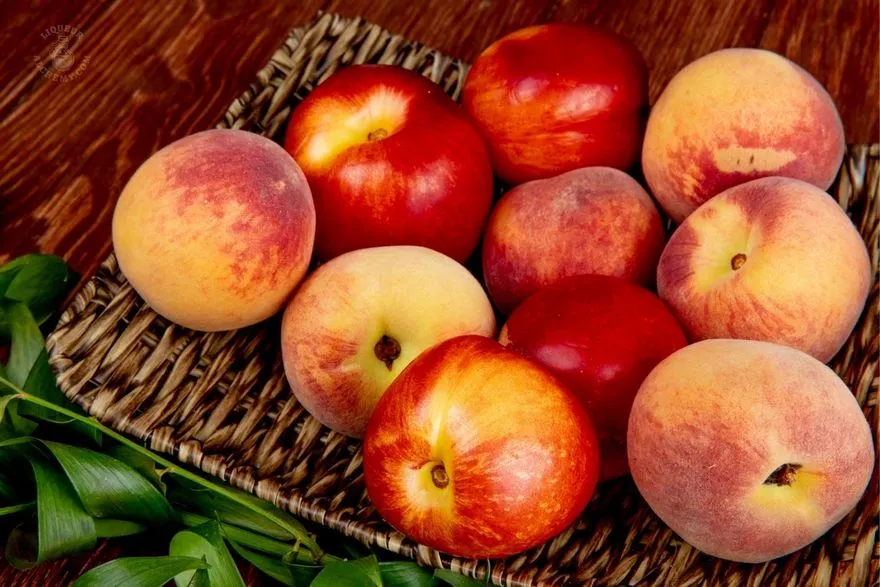
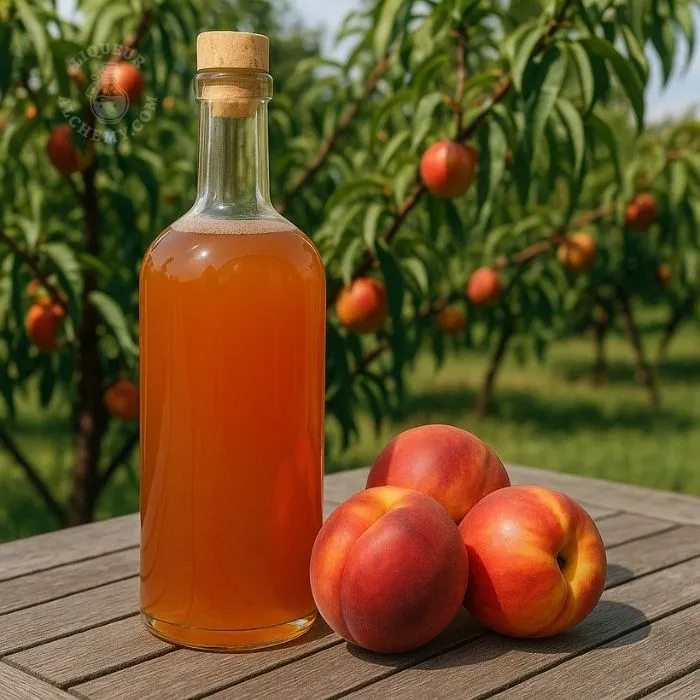
Nectarine

Nectarine for Liqueur Infusions – Flavor & Pairing Tips

Nectarines bring a luscious balance of sweetness and light acidity to liqueurs, offering a clean, sun-ripened flavor. Their juicy flesh releases aromatic oils that infuse spirits with warmth, brightness, and delicate fruit fragrance. When blended with honey, citrus, or spices, nectarines create smooth, refreshing liqueurs that capture the essence of summer. Their natural elegance enhances both flavor and aroma, adding sophistication and golden radiance to every sip.

Nectarine

Home / Ingredients / Fruits / Nectarine

Nectarine Flavor Profile

Juicy stone-fruit sweetness, floral aroma, gentle acidity.
Nectarine Impact on Liqueurs

Adds soft fruit perfume and smooth sweetness.

How to Use Nectarine?

Use ripe sliced fruit; 500–800 g per 1 L. Infuse 3–6 weeks in vodka or brandy.

Nectarine Pairing Suggestions

Vodka, Cane Sugar, Vanilla, Almond, Orange Peel, Honey, Cinnamon, Ginger
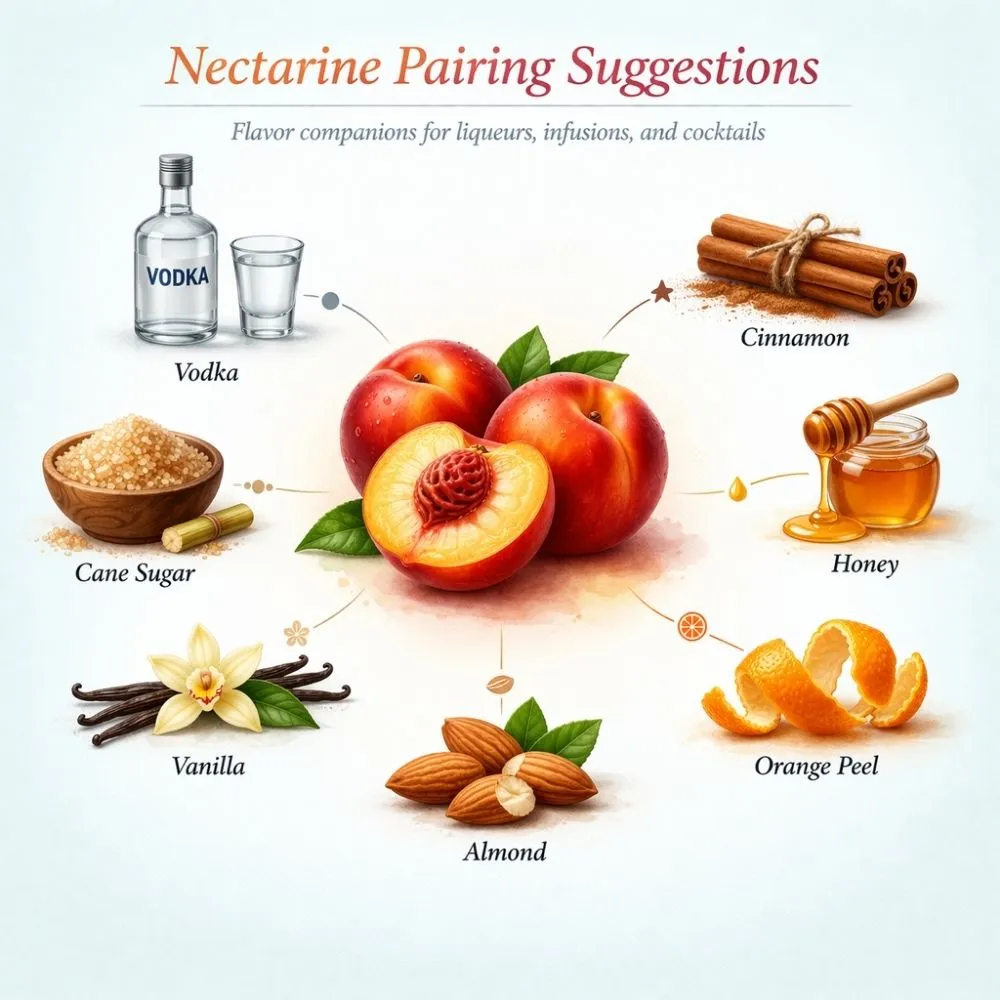
Nectarine pairing suggestions for liqueur making

Nectarine FAQ


Nectarine aroma is delicate, so gentle extraction matters. Use ripe, fragrant fruit, remove the pit, and slice (don’t puree). Macerate in 40–50% ABV and start tasting at day 3; most nectarine infusions peak around 7–14 days, after which the profile can turn dull and “compote-like.”

Keep the jar cool and dark, and minimize oxygen exposure by keeping fruit submerged. Sweeten after straining and consider a small acid adjustment (citric/malic) to make the nectarine pop. If you want extra aroma without longer steeping, add a brief nectarine-skin contact (a day or two) and strain early.

Common mistakes are using underripe fruit, leaving it too long, and adding heavy spices early. Flavor impact should be juicy stone fruit with floral lift; vanilla works, but only lightly. Store cool and dark; nectarine aromatics fade faster than dried-fruit liqueurs, so enjoy within a few months.

Weak nectarine usually means the fruit wasn’t aromatic enough or you strained too early. The clean fix is to do a second, short maceration with fresh, ripe nectarine slices rather than extending the first steep. You can also increase fruit dosage in the next batch—stone fruits often need more fruit than berries to feel “present.”

Balance matters: nectarine needs sweetness plus a small acid lift to read juicy. After straining, add syrup in stages and then add tiny amounts of citric/malic until the fruit pops. If it still feels thin, blend in a small amount of peach/nectarine eau-de-vie or a touch of light brandy for body.

Common mistakes include adding more spices (they mask), or steeping longer (it goes dull). Flavor impact should be bright stone fruit with a clean finish. Store cool and dark; once opened, keep headspace low to protect aroma.

Several factors can influence how nectarines extract in liqueur making, including the ripeness of the fruit and the type of alcohol used. Ripe nectarines tend to have higher sugar content, which can enhance the sweetness and flavor profile of the liqueur.

The alcohol concentration also plays a crucial role; higher proof spirits can extract flavors more efficiently, while lower proof options may result in a milder infusion. Additionally, the duration of the infusion affects the intensity of the flavor, requiring careful timing to achieve the desired balance.

Temperature is another factor to consider, as warmer conditions can accelerate extraction. Experimenting with these variables allows for customization of the liqueur's flavor, making it unique to your preferences.

To avoid mistakes, start by selecting the right nectarines. Choose those that are fully ripe and free from blemishes to ensure a rich flavor profile in your liqueur.

Pay attention to the infusion time as well. Over-infusing nectarines can lead to a bitter taste, while under-infusing may not extract enough flavor. A good rule of thumb is to taste periodically during the infusion process to find the right balance.

Lastly, ensure you are using the correct alcohol base. A spirit that is too strong can overshadow the delicate flavors of the nectarines. Opt for a neutral spirit that complements rather than dominates the fruit's natural sweetness.

Yes, you can replace nectarines with several other fruits in your liqueur. For instance, cherries can be a great alternative, providing a sweet and tart flavor that complements many liqueurs. Their rich color and taste can also enhance the visual appeal of your final product.

Another option is to use mangoes, which bring a tropical sweetness to your liqueur. Mangoes have a distinct flavor that can add a unique twist, making your liqueur stand out. Just ensure that the mangoes are ripe for the best results.

Lastly, consider using berries like raspberries or blackberries. They can add a burst of flavor and vibrant color to your liqueur. Their natural sweetness and acidity can balance well with other ingredients, creating a deliciously complex drink.
Nectarine
Nectarine in Liqueur Crafting

More Fruits


RELATED RECIPES OF LIQUEUR ALCHEMY


Explore more creations from Liqueur Alchemy that share similar flavours, techniques, or ingredients. These related recipes offer fresh ideas and inspired combinations to help you craft your next bold, homemade spirit.

LIQUEUR ALCHEMY TOOLS & RESOURCES


Design labels in minutes—beautiful, practical, and ready to print. Choose a tool below to generate bottle or ingredient labels that match your Liqueur Alchemy workflow.
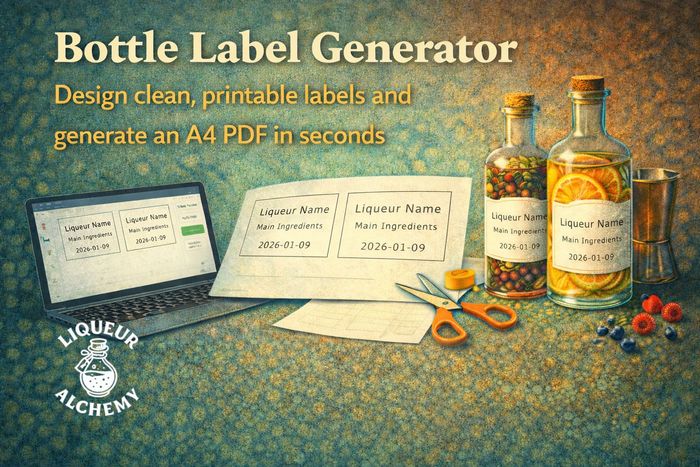
Bottle Label Generator preview

Bottle Label Generator

Create clean bottle labels with your liqueur name, batch details, date — ready for printing and gifting.
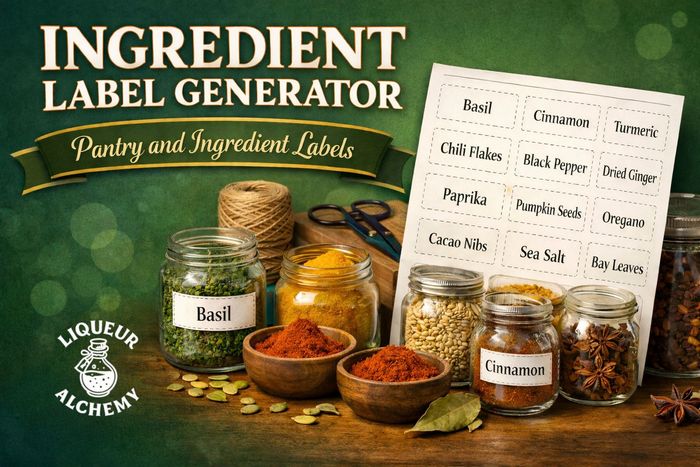
Ingredient Label Generator preview

Ingredient Label Generator

Label jars, containers, and storage bags to maintain clear organization from preparation through infusion and serving.
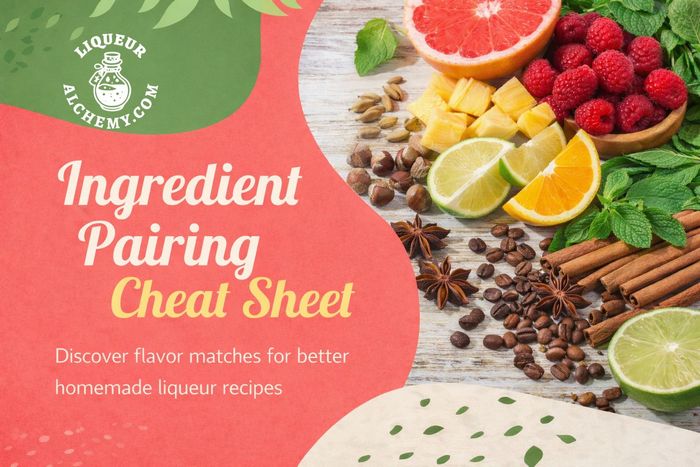
Ingredient pairing cheat sheet for creating balanced homemade liqueurs

Ingredient Pairing Cheat Sheet

Discover flavor combinations that create balanced, complex, and unique homemade liqueurs.