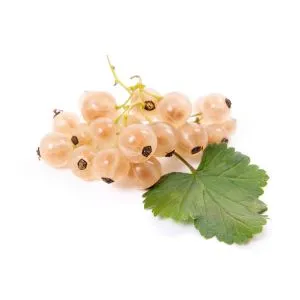
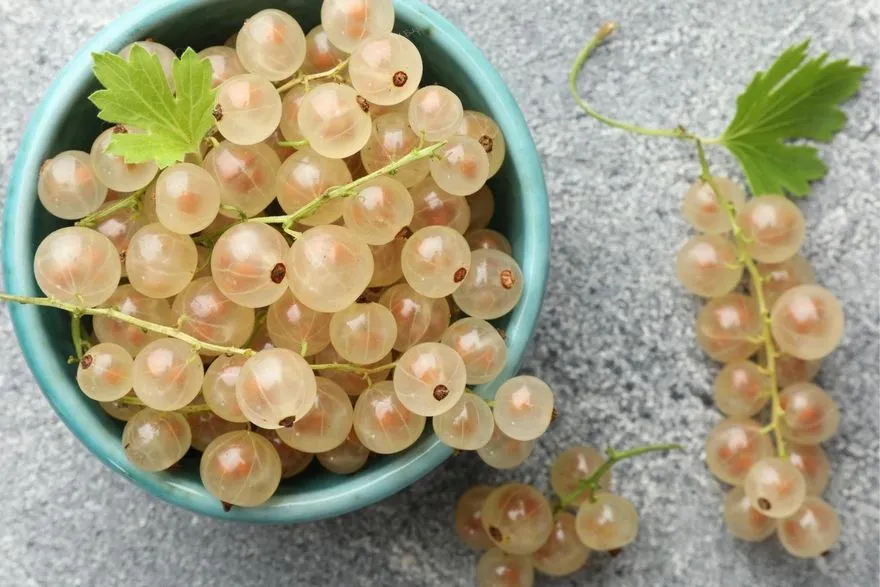
White Currant

White Currant for Liqueur Infusions – Flavor & Pairing Tips

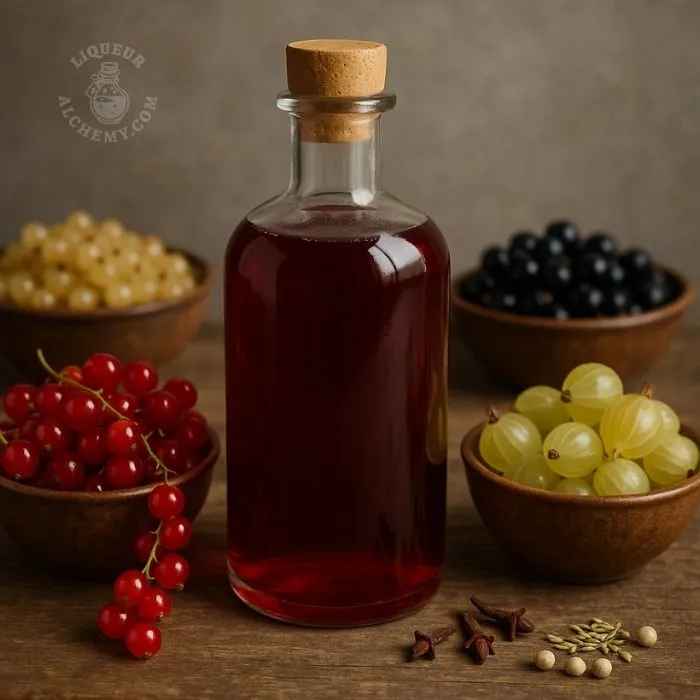
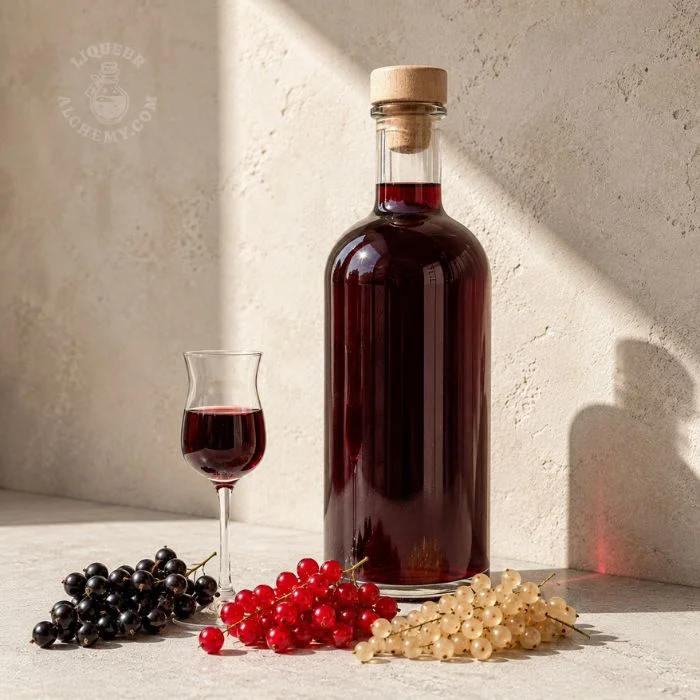
White currants bring gentle acidity and a light fruit character that adds freshness and refinement to liqueurs. Their translucent sweetness lifts the blend without overpowering it, while their tartness balances sugar and alcohol perfectly. Ideal for floral, citrus, or berry liqueurs, they create a graceful, refreshing tone with a clean finish, enhancing both clarity and sophistication in every sip.

White Currant

Home / Ingredients / Fruits / White Currant

White Currant Flavor Profile

Delicate tart-sweet berry, light floral acidity.
White Currant Impact on Liqueurs

Adds gentle freshness without overpowering sweetness.

How to Use White Currant?

Use fresh or frozen; 500–800 g per 1 L. Infuse 2–4 weeks in vodka.

White Currant Pairing Suggestions

Vodka, White Sugar, Elderflower, Lemon Peel, Mint, Honey, Apple, Pear
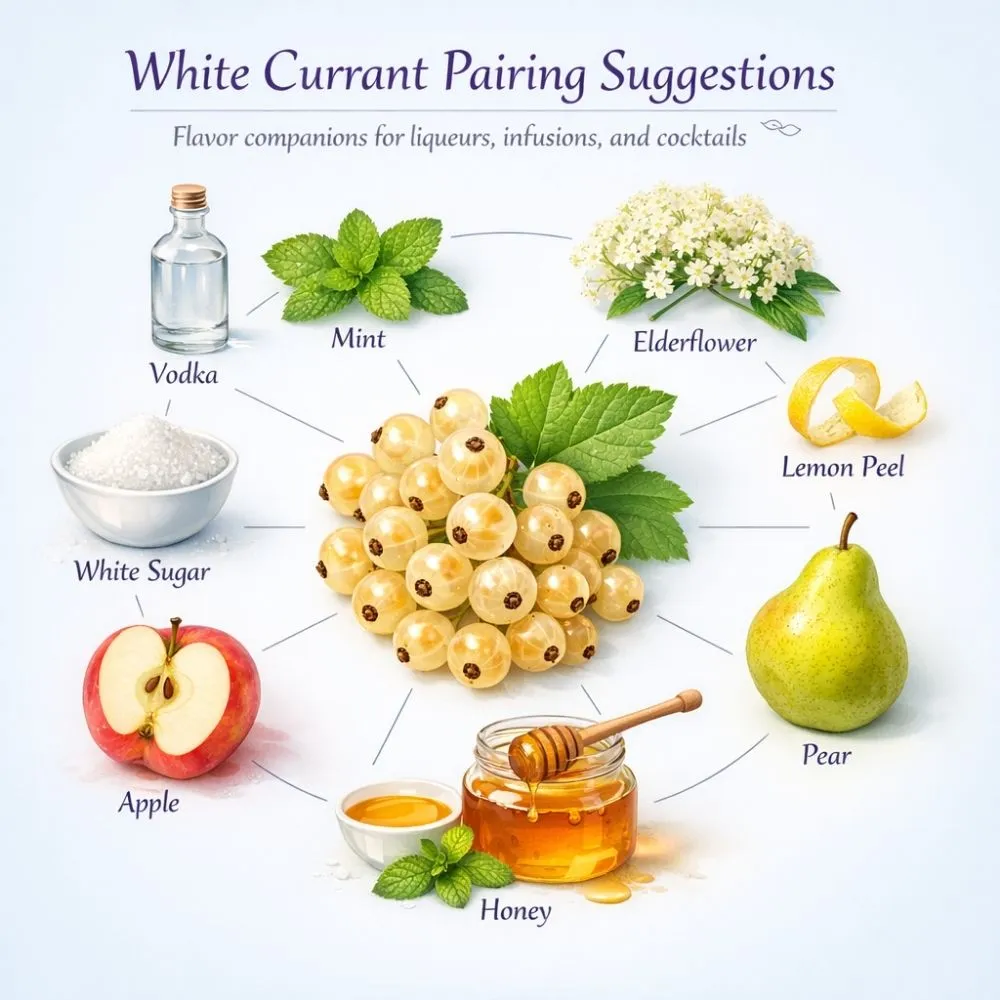
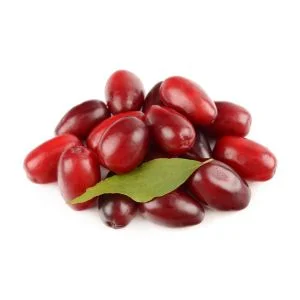
White Currant pairing suggestions for liqueur making

White Currant FAQ


White currants are milder and more delicate than red currants, with gentle tartness and a lighter aroma. They make an elegant liqueur but can feel subtle if you expect blackcurrant intensity.

Compared to blackcurrant, white currant has far less dark-berry depth, so it benefits from careful sweetening and sometimes a small aromatic booster like citrus zest.

If you want a bold result, blend a portion of red currant or add a small botanical lift. If you want a light summer-style liqueur, keep it simple so the delicate fruit stays in the spotlight.

Red currants are the closest substitute, though they’re usually more tart and slightly more aromatic. Adjust sweetness and consider a slightly shorter infusion if sharpness is high.

If currants aren’t available, gooseberry or green grape with citrus zest can mimic the crisp, bright effect, though it won’t match exactly. Focus on clean tartness and light fruit aroma.

Keep spices minimal with substitutes. White-currant-style liqueurs work best when they stay light and crisp, so heavy botanicals will easily overpower the profile.

Several factors influence the extraction of flavors from white currants during liqueur production. The choice of alcohol is crucial; higher alcohol content can extract flavors more rapidly, while lower proof spirits may require longer infusion times. The temperature of the extraction environment can also play a role, as warmer conditions can accelerate the process.

The ratio of white currants to alcohol is another important consideration. A higher quantity of currants will typically result in a more intense flavor profile, while using fewer may lead to a subtler taste. It’s essential to find the right balance to suit your desired outcome.

Finally, the freshness of the white currants significantly impacts extraction. Fresh currants will provide more vibrant flavors and aromas compared to older or frozen ones. Always aim for the freshest ingredients for the best liqueur quality.

To avoid mistakes, start by ensuring your white currants are fresh and ripe. Using overripe or damaged fruit can negatively affect the flavor. Always inspect your ingredients before use to guarantee quality.

Another tip is to experiment with small batches first. This allows you to adjust the infusion time and ingredient ratios without wasting larger quantities. Tasting along the way can help you find the perfect balance of flavors.

Finally, document your process. Keeping notes on the quantities and methods used will help you replicate successful batches and avoid repeating mistakes in future liqueur creations.

Yes, you can replace white currants with fresh fruits like green grapes or ripe pears. Green grapes have a similar sweetness and can mimic the texture of currants when mashed. They also add a refreshing note to your liqueur.

Ripe pears can also work well, especially if you want to introduce a different flavor profile. They are juicy and sweet, and when blended, they can create a smooth liqueur base. Just ensure to adjust the sweetness accordingly.

Another alternative is to use fresh blueberries, which can provide a delightful burst of flavor. While they are not as tart, they can complement other ingredients in your liqueur, making for an interesting blend.
White Currant
White Currant in Liqueur Crafting

More Fruits


RELATED RECIPES OF LIQUEUR ALCHEMY


Explore more creations from Liqueur Alchemy that share similar flavours, techniques, or ingredients. These related recipes offer fresh ideas and inspired combinations to help you craft your next bold, homemade spirit.

LIQUEUR ALCHEMY TOOLS & RESOURCES


Design labels in minutes—beautiful, practical, and ready to print. Choose a tool below to generate bottle or ingredient labels that match your Liqueur Alchemy workflow.
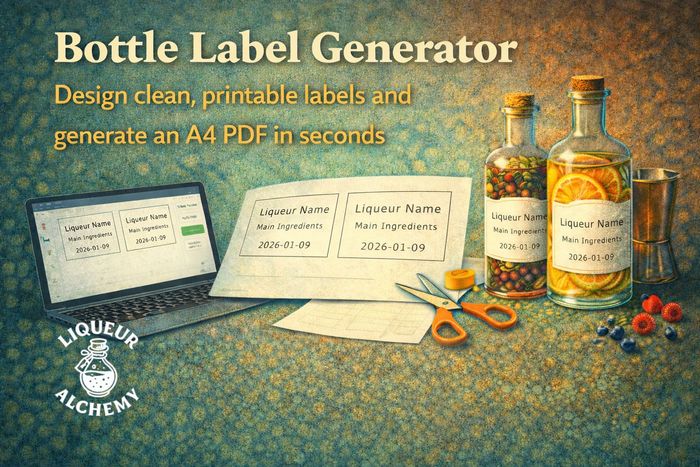
Bottle Label Generator preview

Bottle Label Generator

Create clean bottle labels with your liqueur name, batch details, date — ready for printing and gifting.
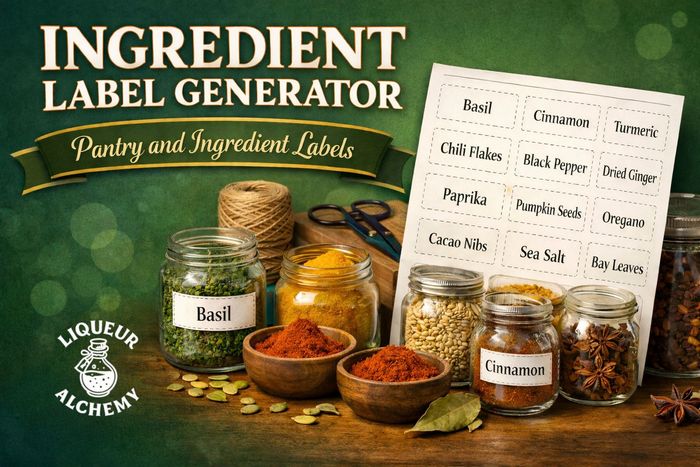
Ingredient Label Generator preview

Ingredient Label Generator

Label jars, containers, and storage bags to maintain clear organization from preparation through infusion and serving.
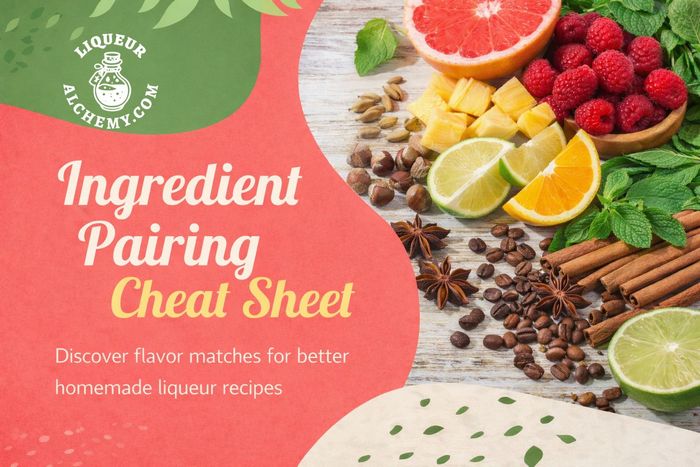
Ingredient pairing cheat sheet for creating balanced homemade liqueurs

Ingredient Pairing Cheat Sheet

Discover flavor combinations that create balanced, complex, and unique homemade liqueurs.