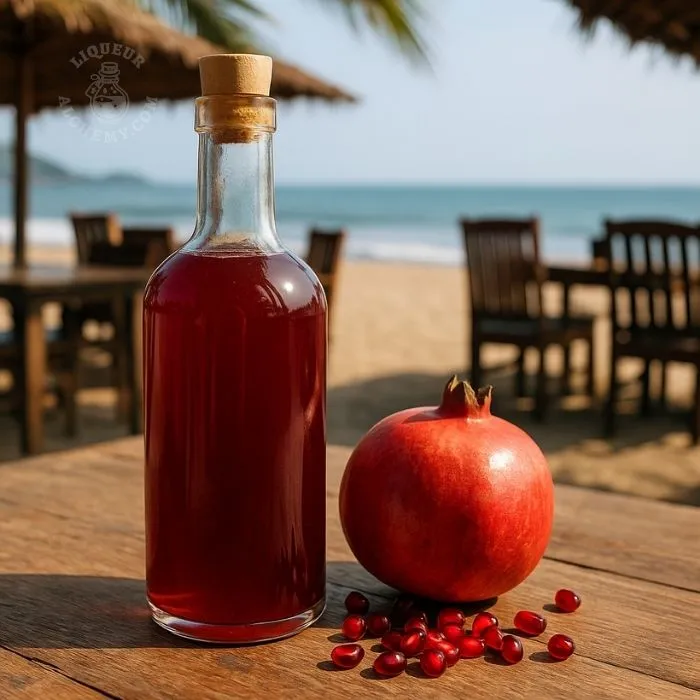
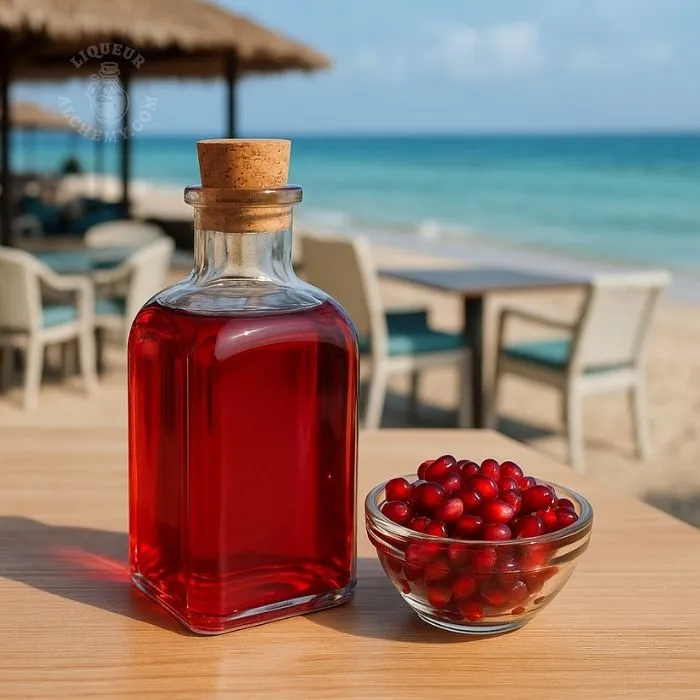
Pomegranate

Pomegranate for Liqueur Infusions – Flavor & Pairing Tips

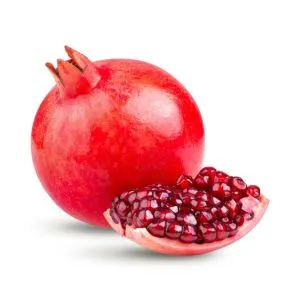
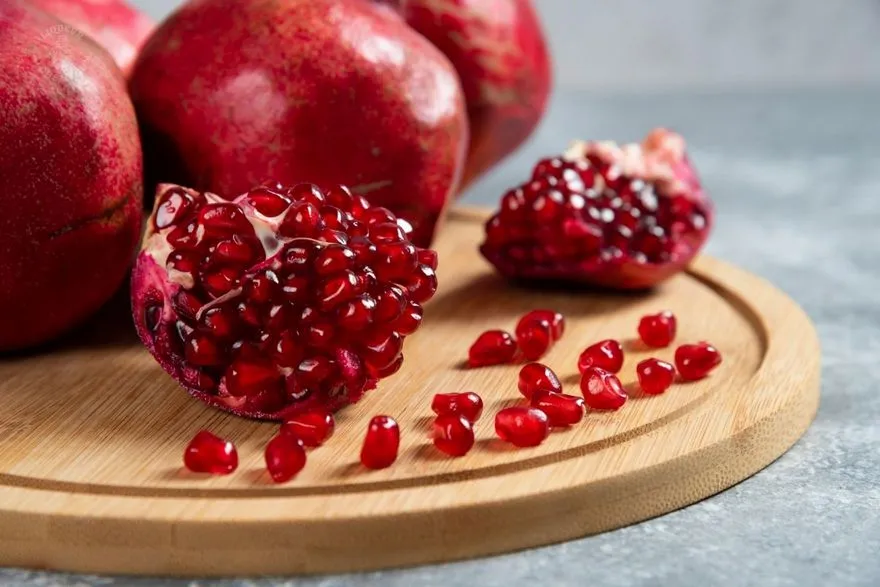
Pomegranate brings vivid color and a lively balance of sweetness and acidity to liqueurs. Its ruby seeds release bright, juicy flavor that sharpens the palate while adding refreshing depth. The gentle tartness keeps sweetness in check, creating a clean, modern profile. Pomegranate pairs beautifully with citrus, herbs, and warm spices, giving liqueurs sparkle, elegance, and a touch of exotic character in every sip.

Pomegranate

Home / Ingredients / Fruits / Pomegranate

Pomegranate Flavor Profile

Bright ruby fruit, sharp acidity, light tannin.

Pomegranate Impact on Liqueurs

Adds freshness, color, and crisp balance.

How to Use Pomegranate?

Use fresh arils; 400–700 g per 1 L. Infuse 3–5 weeks in vodka.

Pomegranate Pairing Suggestions

Vodka, Cane Sugar, Orange, Rose, Cinnamon, Clove, Vanilla, Honey
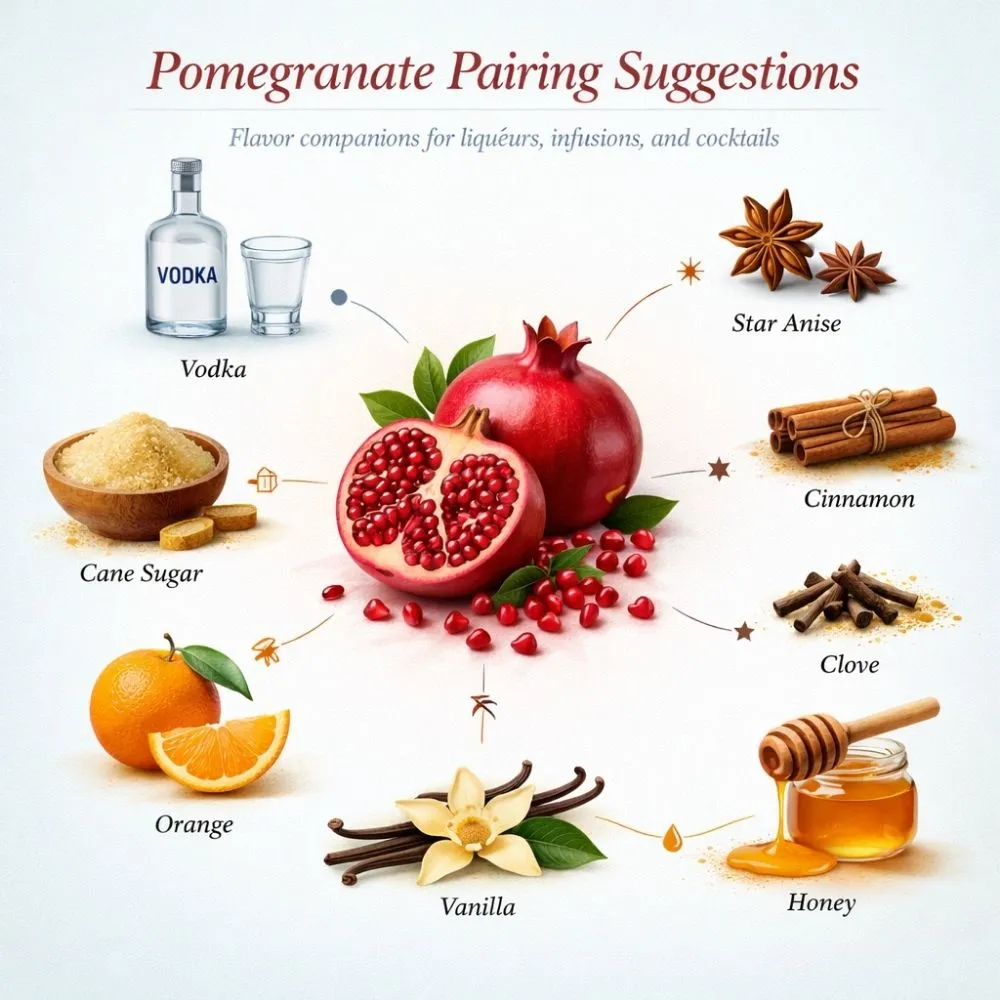
Pomegranate pairing suggestions for liqueur making

Pomegranate FAQ


Arils (the seeds with pulp) usually give the best aroma because you’re extracting fresh fruit oils and the “sparkle” of the pulp, not just sweetness. Juice is convenient but often tastes flatter and can carry added acids or preservatives that change the balance. If you use juice, add it after you’ve made an alcohol infusion, not as the main extraction, because adding lots of water early can reduce stability and increase haze.

For arils, use 40–50% ABV and macerate 7–14 days, tasting from day 5. Keep arils mostly intact; crushing increases tannin from the seed and makes filtration harder. If using juice, use a smaller measured amount, then sweeten and adjust acid carefully—pomegranate is naturally tart, and over-acidifying can make it sharp.

Common mistakes are using low-proof alcohol (fermentation risk), over-crushing (bitterness), and chasing color by over-steeping. Flavor impact should be tart, ruby, and bright; a tiny vanilla note can round it, but keep spices minimal. Store cool and dark; pomegranate oxidizes, so minimize headspace and consider smaller bottles once opened.

Pomegranate can go flat when sweetness is pushed too high or when you dilute too much. Sweeten after straining and do it in stages, tasting between additions. Aim for “tart-first, sweet-second” rather than dessert-syrupy; pomegranate shines with a crisp edge.

If it tastes muted, add structure rather than more fruit: a tiny pinch of salt can sharpen perceived flavor, and a controlled acid adjustment can re-focus the tart snap (go slowly—pomegranate is already acidic). Increasing ABV slightly by blending in a small amount of higher-proof neutral spirit can also lift aroma.

Common mistakes are adding juice and syrup at the same time (haze + muted aroma) and storing with lots of headspace. Rest 1–2 weeks to integrate after sweetening, then re-taste. Store cool and dark; bright pomegranate notes fade faster in warm storage.

Several factors influence the extraction of pomegranate in liqueur making. The ripeness of the fruit plays a significant role, as fully ripe pomegranates yield more juice and flavor. Additionally, the method of extraction, whether pressing or macerating, impacts the final product.

Temperature is another critical factor. Warmer temperatures can accelerate the extraction process, but if too high, they may cause undesirable flavors to emerge. Timing is equally important; allowing enough time for flavors to infuse without over-extraction is key to achieving a balanced liqueur.

Lastly, the ratio of pomegranate to other ingredients can affect the overall flavor profile. A higher concentration of pomegranate will lead to a more pronounced taste, while dilution with spirits or sweeteners can create a smoother, more balanced liqueur.

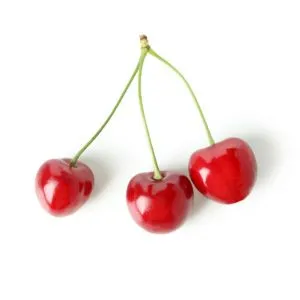
Yes, there are several fruits that can serve as effective substitutes for pomegranate in liqueurs. One popular choice is the tart cherry, which offers a similar flavor profile with its sweet and tangy notes. This can be a delightful addition to your homemade liqueurs.

Another excellent option is the blood orange. Its unique flavor and vibrant color can replicate the essence of pomegranate while adding a citrusy twist. Blood orange juice can enhance the complexity of your liqueur, making it stand out.

Lastly, you might consider using passion fruit. Its exotic flavor and aromatic qualities can provide a different yet complementary taste, ensuring your liqueur remains fresh and exciting.

The amount of pomegranate to use in your liqueur recipes can vary based on personal taste and the desired intensity. A good starting point is to use about 1 to 2 cups of fresh pomegranate seeds per quart of base spirit. This ratio allows for a balanced flavor without overwhelming the other ingredients.

If you prefer a more pronounced pomegranate flavor, you can increase the quantity to 3 cups. However, be cautious, as too much can lead to excessive tartness. Always taste your mixture as it macerates to ensure it aligns with your flavor preferences.

Remember to adjust the sugar content accordingly if you increase the pomegranate. This balance will help maintain the overall sweetness and harmony of your liqueur, resulting in a well-rounded final product.
Pomegranate
Pomegranate in Liqueur Crafting

More Fruits


RELATED RECIPES OF LIQUEUR ALCHEMY


Explore more creations from Liqueur Alchemy that share similar flavours, techniques, or ingredients. These related recipes offer fresh ideas and inspired combinations to help you craft your next bold, homemade spirit.

LIQUEUR ALCHEMY TOOLS & RESOURCES


Design labels in minutes—beautiful, practical, and ready to print. Choose a tool below to generate bottle or ingredient labels that match your Liqueur Alchemy workflow.
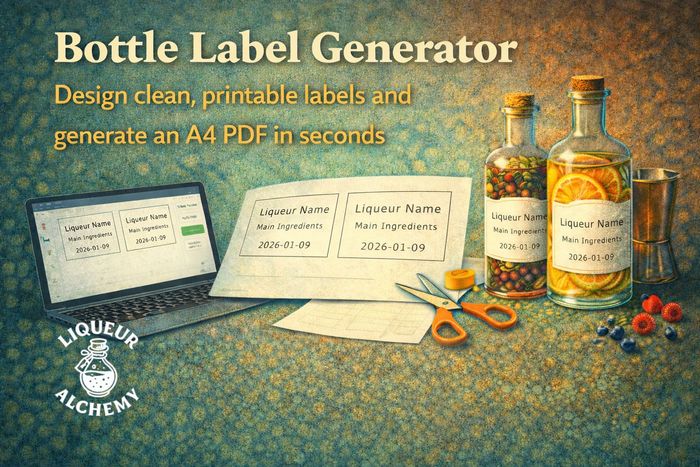
Bottle Label Generator preview

Bottle Label Generator

Create clean bottle labels with your liqueur name, batch details, date — ready for printing and gifting.
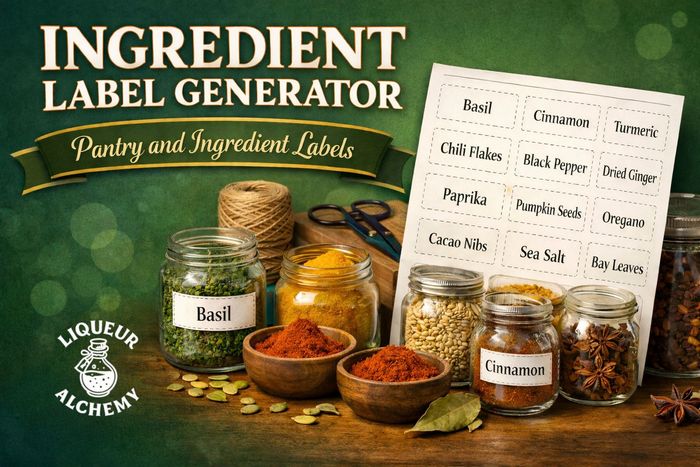
Ingredient Label Generator preview

Ingredient Label Generator

Label jars, containers, and storage bags to maintain clear organization from preparation through infusion and serving.
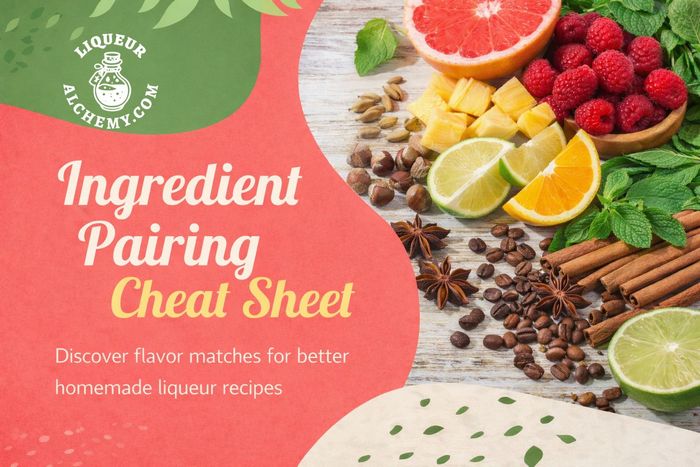
Ingredient pairing cheat sheet for creating balanced homemade liqueurs

Ingredient Pairing Cheat Sheet

Discover flavor combinations that create balanced, complex, and unique homemade liqueurs.