Raspberry

Raspberry for Liqueur Infusions – Flavor & Pairing Tips

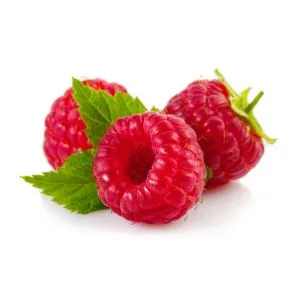
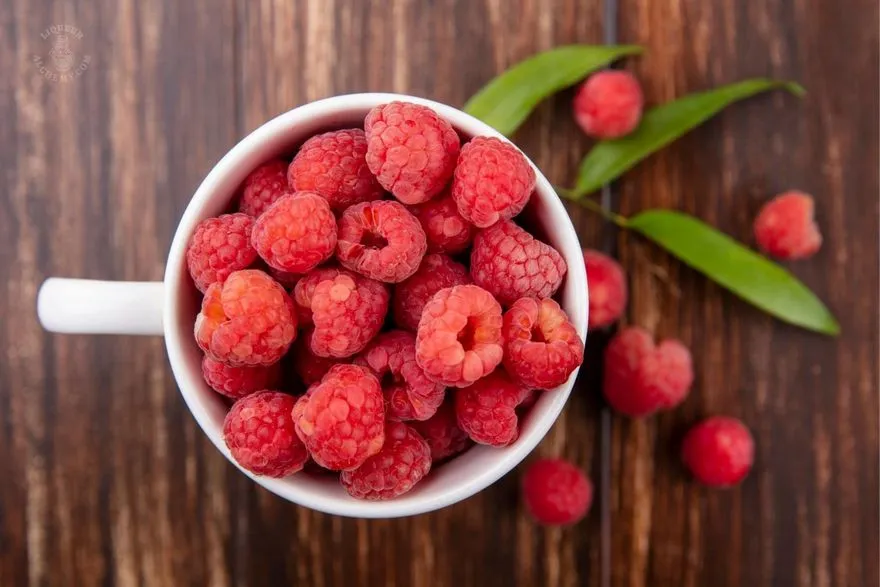
Raspberries bring a burst of color and lively fruit flavor to liqueurs. Their natural tartness balances sweetness while adding a fresh, aromatic layer that enhances complexity. When infused, they create a vibrant hue and rich berry essence that pair beautifully with citrus, herbs, or vanilla. The result is a liqueur that feels bright, elegant, and full of life — a perfect balance of freshness and indulgence.

Raspberry

Home / Ingredients / Fruits / Raspberry

Raspberry Flavor Profile

Bright berry aroma, sweet-tart freshness, light floral notes.
Raspberry Impact on Liqueurs

Adds vivid red fruit lift and acidity.

How to Use Raspberry?

Use fresh or frozen berries; 500–800 g per 1 L. Infuse 2–5 weeks in vodka.

Raspberry Pairing Suggestions

Vodka, White Sugar, Lemon, Vanilla, Mint, Basil, Chocolate, Honey
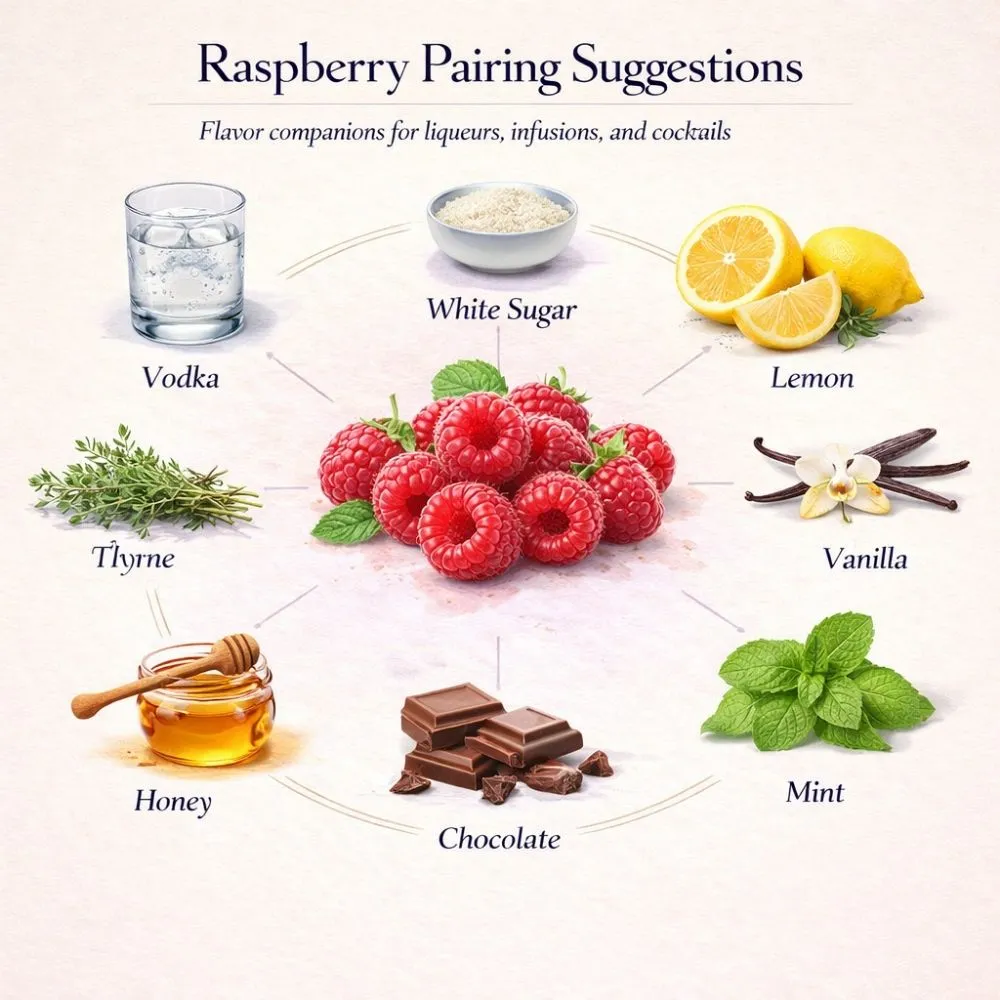
Raspberry pairing suggestions for liqueur making

Raspberry FAQ


Raspberries extract fast because their aroma is mostly in the skin and juice, so you don’t need long macerations. A clean range is 40–50% ABV (vodka or light brandy), and you should start tasting at day 2. Most batches peak between 4–10 days; after that you often pull more seed tannin and a dull, jammy heaviness.

Dosage is the real lever: 400–700 g raspberries per 1 L spirit gives a strong, cocktail-ready base. If using frozen berries, extraction is quicker and juicier, so plan to strain earlier and allow more settling/filtration. Sweeten only after straining; add syrup in stages so you don’t bury the fresh berry aroma.

Common mistakes are crushing into puree, squeezing the bag/filter (pushes haze), and leaving seeds too long (bitterness). Flavor impact should be bright, floral-berry with a clean tart snap—often improved by a tiny acid lift (citric) after straining. Store cool and dark; raspberry top notes fade with heat and headspace, so smaller bottles help once opened.

White sugar is the most neutral and keeps raspberry tasting bright and “fresh.” Honey adds floral depth but can mute the sharp berry edge unless you brighten with a little acid. Maple brings caramel/wood notes that push raspberry toward dessert territory—great for winter-style sippers, less ideal for a clean summer profile.

For timing, always sweeten after straining so you can judge extraction clearly. Start with a moderate syrup (1:1) and add in small increments, tasting between additions. If you choose honey, dissolve it fully (warm water bath, not boiling) and add slowly; honey varies a lot, so dosage control matters.

Common mistakes are oversweetening (kills aroma) and pairing raspberry with very strong, dark sweeteners without balancing acidity. Flavor impact should stay fruit-forward; if honey or maple takes over, blend in more unsweetened raspberry infusion or neutral spirit and re-balance. Store cool; honey versions can develop richer notes over time.

Several factors influence how efficiently raspberries release their flavors during extraction. The ripeness of the fruit is significant; fully ripe raspberries contain more sugars and flavors, leading to a richer extraction.

The type of alcohol used also plays a role. Higher alcohol content can extract flavors more effectively, while lower-proof spirits may require longer extraction times to achieve similar results.

Finally, the size of the raspberry pieces can affect extraction. Crushing or mashing the fruit before soaking can enhance the process, allowing more surface area for the alcohol to interact with the fruit's juices.

Yes, you can replace raspberries with other fruits like cherries or cranberries. Cherries provide a similar tartness and can add a rich, deep flavor to your liqueur. They also pair well with various spirits, enhancing the overall taste.

Cranberries are another excellent choice, offering a tartness that can mimic raspberries. They can be used fresh or dried, but ensure to balance the sweetness since cranberries are typically more tart. This substitution works well in both sweet and sour liqueurs.

Additionally, consider using mixed berry blends. These can include blueberries or even a combination of berries, which can create a complex flavor profile. Just remember to adjust the sugar levels to suit the fruits you choose.

The amount of raspberries to use can vary based on your recipe and personal taste. A common guideline is to use about 1 to 2 cups of fresh raspberries per liter of base spirit. This quantity typically provides a robust raspberry flavor without overwhelming the other components.

If you prefer a more subtle raspberry note, consider starting with 1 cup and adjusting according to your taste preferences. Remember that the sweetness of the liqueur will also affect how prominent the raspberry flavor is, so balance is key.

It's important to experiment with different quantities to find what works best for your specific recipe. Keep track of your measurements for future batches to replicate your successful concoctions.
Raspberry
Raspberry in Liqueur Crafting

More Fruits


RELATED RECIPES OF LIQUEUR ALCHEMY


Explore more creations from Liqueur Alchemy that share similar flavours, techniques, or ingredients. These related recipes offer fresh ideas and inspired combinations to help you craft your next bold, homemade spirit.

LIQUEUR ALCHEMY TOOLS & RESOURCES


Design labels in minutes—beautiful, practical, and ready to print. Choose a tool below to generate bottle or ingredient labels that match your Liqueur Alchemy workflow.
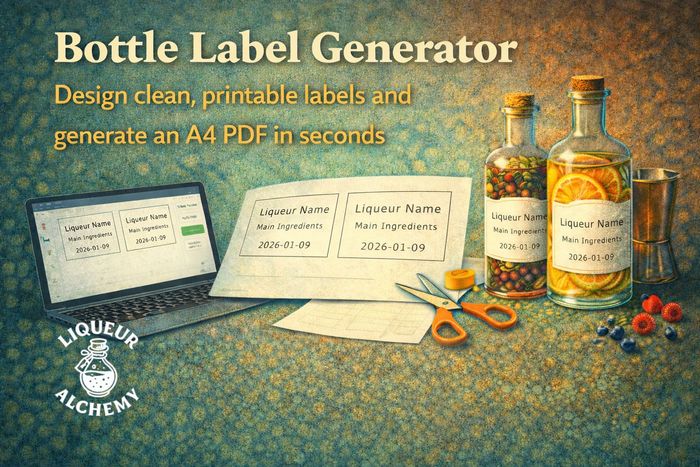
Bottle Label Generator preview

Bottle Label Generator

Create clean bottle labels with your liqueur name, batch details, date — ready for printing and gifting.
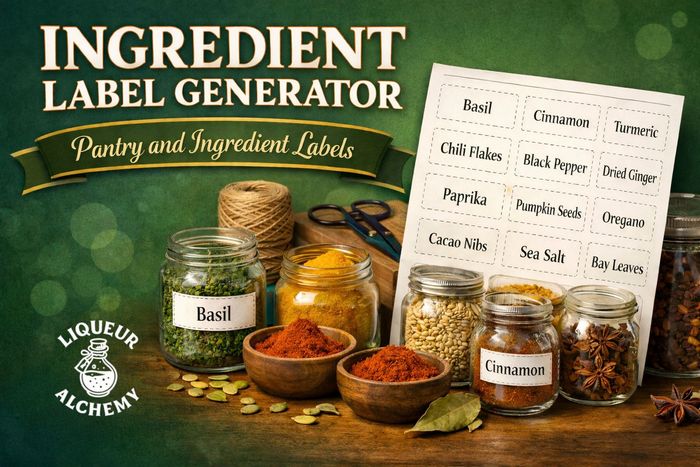
Ingredient Label Generator preview

Ingredient Label Generator

Label jars, containers, and storage bags to maintain clear organization from preparation through infusion and serving.
Ingredient pairing cheat sheet for creating balanced homemade liqueurs

Ingredient Pairing Cheat Sheet

Discover flavor combinations that create balanced, complex, and unique homemade liqueurs.