How do cranberries extract in alcohol compared to other berries?
Infusion and Maceration Methods for Homemade Liqueurs
Direct Answer
Cranberries extract more slowly and sharply than softer berries, giving tartness, color, and freshness rather than lush sweetness in liqueurs.
Expanded Explanation
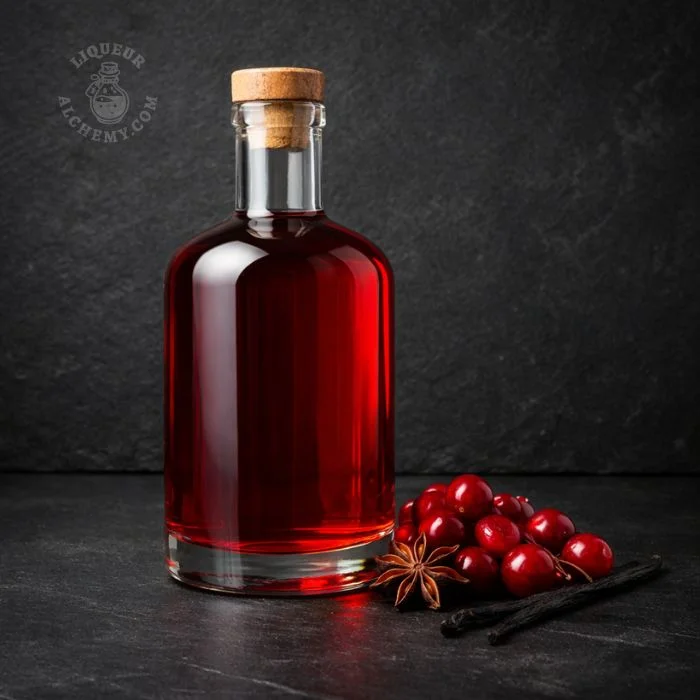
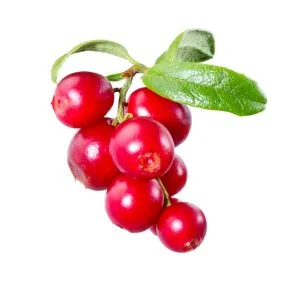
Cranberries extract differently from many other berries because they are naturally firmer, lower in sugar, and much higher in acid. In alcohol, they tend to release bright tartness, red pigment, and a clean, sharp fruit aroma rather than the jammy sweetness you might get from raspberries, strawberries, or ripe blueberries. That means a cranberry infusion often tastes more angular at first. Instead of feeling lush and rounded early on, it usually tastes crisp, lean, and vivid. This is one reason cranberry is so useful in liqueur making when you want freshness and structure rather than a heavy, dessert-like berry profile.
Their skin and flesh also matter. Cranberries have resilient skins and a dense interior, so extraction can be a little slower than with softer berries that break down quickly in spirit. Alcohol pulls out color and acidity fairly well, but the fruit character tends to develop in a more restrained way unless the berries are cut, crushed lightly, or frozen first. Compared with sweeter berries, cranberry infusions are less likely to taste immediately full and fruity, but they are much more likely to deliver a bright, balancing edge that helps sugar and spice stay controlled.
In practice, cranberry behaves best when treated as a flavor-shaping fruit rather than a purely juicy one. It contributes color, lift, tartness, and a clean finish. For liqueurs, this means it often pairs especially well with sugar, honey, orange zest, cinnamon, vanilla, apple, and warming spices that soften its sharpness. If your goal is a festive, elegant, or cocktail-friendly liqueur, cranberry often extracts more usefully than softer berries because it gives definition and brightness instead of only sweetness.