How does substituting lingonberries or red currants affect the balance of a cranberry-style liqueur?
Ingredients and Sweeteners That Shape Liqueur Flavor
Direct Answer
Lingonberries mimic cranberry closely, while red currants create a lighter, juicier, and slightly softer cranberry-style liqueur.
Expanded Explanation
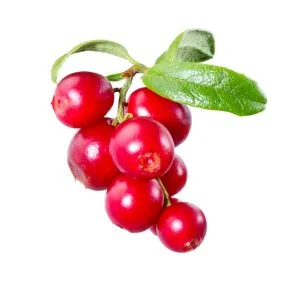
Substituting lingonberries for cranberries usually preserves the overall style of the liqueur quite well. Lingonberries are tart, red, and slightly bitter in a way that keeps the drink bright and structured. In many cases, they produce a liqueur that feels very close to cranberry, although sometimes a little more woodland-like or subtly earthy. This makes them an excellent stand-in for recipes built around festive spice, citrus zest, honey, or vanilla. If the goal is a clean, sharp, northern-style berry liqueur, lingonberries often require only small adjustments to sugar and infusion time.
Red currants shift the balance a bit more. They tend to feel juicier and more obviously fruity, with a brisk sourness that is slightly less firm than cranberry’s crisp bite. The liqueur may seem more aromatic and bright in the middle palate but a little less stern or structured on the finish. That can be very appealing, especially in lighter liqueurs meant for cocktails or aperitif-style drinks. However, because red currants can feel more delicate, they may need careful handling if you also want spices or stronger alcohol bases to stay in proportion.
In practical recipe terms, lingonberries usually behave like a near-direct substitute, while red currants often create a softer interpretation of the same idea. With lingonberries, you may keep the sweetener and spice profile close to the original. With red currants, you might reduce sugar slightly less aggressively or shorten the infusion to preserve freshness. Both can work beautifully, but lingonberries hold closer to cranberry’s firm acidity, while red currants push the liqueur toward a brighter, lighter, more openly fruity balance.