Cranomaly

Cranomaly – Cranberry, Honey & Citrus Liqueur with a Bold Twist

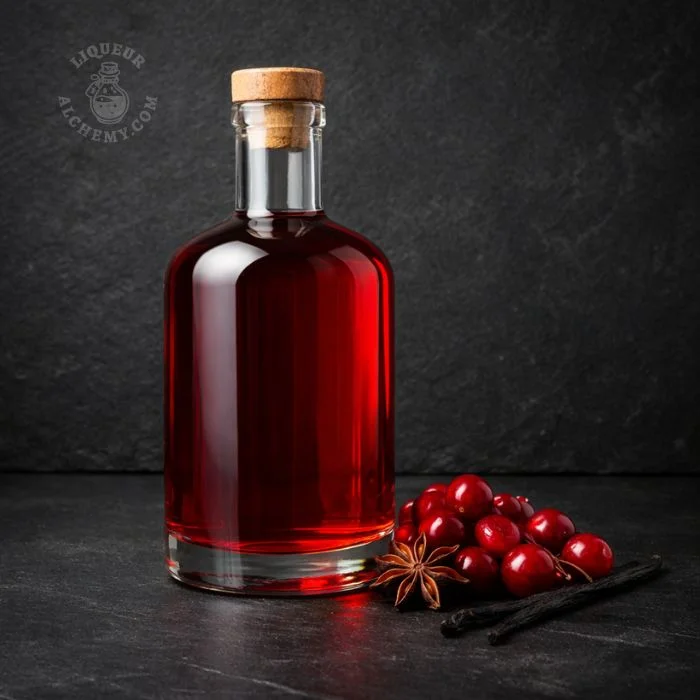
Cranomaly is a bold cranberry liqueur with a vibrant acidic core balanced by honeyed softness and subtle vanilla warmth. Orange zest adds lift and clarity, while gentle spice complexity enhances depth. The result is a clean, modern liqueur with layered contrast and a smooth, integrated finish.

Main notes

  • Vodka
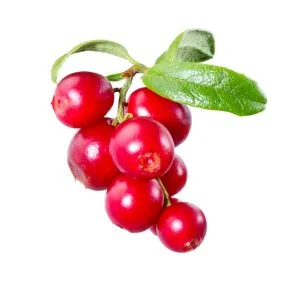
  • Cranberries

Ingredients

  • Vodka - 1 L
  • Cranberries (Fresh) - 500 g
  • Sugar - 120 g
  • Honey - 80 g
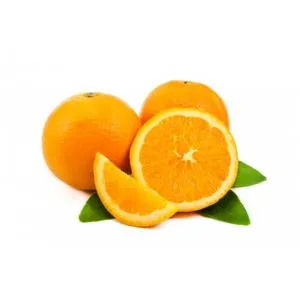
  • Orange zest - 2 thin strips
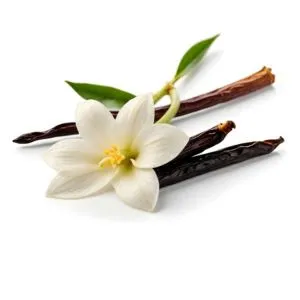
  • Vanilla - 1 pod
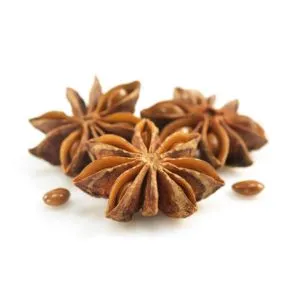
  • Star anise - 1 whole

Preparation

  1. Freeze cranberries overnight, then thaw slightly to improve extraction.
  2. Lightly crush the cranberries to release juices without turning them into pulp.
  3. Place cranberries into a clean glass jar along with orange zest, vanilla pod (split), and star anise.
  4. Pour in vodka, ensuring all ingredients are fully submerged.
  5. Seal and macerate in a cool, dark place for 10–14 days, shaking gently every 1–2 days.
  6. Taste after day 7; remove star anise earlier if it becomes too dominant.
  7. Strain through a fine sieve, then filter through cloth or coffee filter until clear.
  8. Add sugar and honey, stirring until fully dissolved.
  9. Bottle and rest for at least 2–3 weeks to allow flavors to integrate and soften.
Download

The Story

Cranomaly was born from contrast — a sharp, untamed cranberry core reshaped into something unexpectedly smooth, aromatic, and layered. What begins as bright acidity slowly unfolds into warmth, citrus lift, and soft sweetness, bending the rules of what a cranberry liqueur should be. The orange zest cuts through with a clean, radiant edge, while vanilla and honey round the structure into a velvety finish. It’s a transformation rather than a tradition — where tart becomes balanced, and familiar becomes intriguing. Cranomaly isn’t about perfection; it’s about controlled unpredictability in a glass.

Who is "Cranomaly" Liqueur for?

Cranomaly is for curious drinkers who enjoy bold contrasts — sharp yet smooth, bright yet warming. Perfect for those who appreciate modern, craft-style liqueurs with layered character and a slightly experimental edge. Ideal for slow sipping and discovering evolving flavors.

"Cranomaly" Liqueur Serving Suggestions

Serve slightly chilled in a small tasting glass or over a single large ice cube. Best enjoyed in the evening, where its bright cranberry acidity and warm honey-vanilla finish can unfold slowly. A refined choice for quiet moments or as a conversation-starting digestif.

Why the Name "Cranomaly"?

Cranomaly combines “cranberry” with “anomaly,” reflecting the transformation of a sharp, tart fruit into something unexpectedly smooth and balanced. The name captures the idea of breaking expectations — a familiar ingredient behaving in unfamiliar ways. It represents a crafted deviation from tradition, where contrast becomes harmony.

Testing Notes

Using vodka alone required increasing fruit quantity to maintain intensity. Freezing cranberries significantly improved extraction. Star anise needed careful control and was best removed early to avoid dominance. The sugar-honey balance worked well, giving both structure and softness without muting the cranberry’s natural brightness.

Cranomaly Liqueur FAQ


After bottling, this liqueur benefits from a resting period of at least 2 to 3 weeks. Right after sweetening, the flavors can feel separate: cranberry may seem sharp, honey slightly loose, and vanilla or star anise more noticeable than they should be. Resting allows these parts to settle into a smoother, more unified profile.

Store the bottle tightly sealed in a cool, dark place away from direct sunlight and heat. Light and warmth can slowly dull the bright fruit notes and make the aromatic elements feel tired. A stable cupboard or pantry is better than a warm kitchen shelf. If the liqueur has been filtered well, it should hold its quality nicely.

Before long storage, make sure the liquid is clear and free from fruit particles. Tiny solids can continue extracting or create haze over time. If needed, filter again after a short settling period. Once mature, the liqueur can also be served lightly chilled, which sharpens the cranberry and firms up the finish.

View this Liqueur FAQ as a standalone page

Star anise should be treated as a fast-acting accent rather than a background ingredient. In a cranberry infusion like this, one whole star anise is usually enough, and it is best checked after about 3 to 5 days. If left too long, it can dominate the aroma and push the liqueur away from bright fruit into a heavier, licorice-driven profile.

Orange zest is more forgiving, but it still needs care. Use only thin strips with no white pith, because pith adds bitterness that becomes more noticeable over time. In most cases, the zest can stay for the full maceration, but if the citrus starts to taste sharp, dry, or too perfumed, it can be removed around day 7 to 10.

The best approach is to taste during infusion rather than rely only on a fixed schedule. Cranberry, vanilla, and honey need room to stay visible. If star anise or zest begins to lead the whole flavor, remove them early and let the fruit continue extracting on its own.

View this Liqueur FAQ as a standalone page
A thin or harsh result usually comes from extraction problems rather than bad ingredients. If the cranberries are not frozen, crushed, or given enough contact with the vodka, the fruit may not release enough flavor. The liqueur then tastes more alcoholic than fruity, with acidity but not enough depth to carry it.

Balance can also fail when supporting ingredients are too strong or poorly timed. Leaving star anise in too long can flatten the cranberry and make the finish feel heavy. Too much orange zest, especially with pith, can create bitterness. Vanilla should stay subtle; if overdone, it can blur the fruit instead of softening it.

Sweetening mistakes are another common cause. Adding all the sugar and honey at once without tasting may mute the cranberry or leave the finish sticky. If the liqueur feels sharp after straining, sweetness should be adjusted gradually. A balanced version should taste vivid and structured, not sour, raw, or syrupy.

View this Liqueur FAQ as a standalone page
Frozen cranberries work very well in this recipe and can even improve extraction. Freezing breaks some of the fruit structure, so once thawed, the berries release juice and flavor more easily into the vodka. That helps the cranberry character develop faster and often gives a fuller result than very firm fresh berries.

Fresh cranberries are also suitable, but they benefit from freezing first or at least being lightly crushed before infusion. If they go into the jar whole and unbroken, extraction is slower and the final liqueur may feel weaker than expected. The goal is to expose the fruit without turning it into a thick pulp that makes filtering difficult.

If using frozen fruit, thaw only slightly before crushing and infusing. Avoid fruit that has been sweetened or packed with syrup. Whether fresh or frozen, the berries should smell clean and sharp, not fermented or stale. Good fruit condition matters more than whether it started fresh or frozen.

Cranberries are naturally sharp and low in sugar, so they need sweetening not just for taste but for structure. In this recipe, sugar gives clarity and definition, while honey rounds the edges and adds a softer mouthfeel. Using both helps keep the liqueur vivid without turning it into a flat, one-note sweetness.

The safest method is to start with the planned amounts, dissolve them fully after straining, and then taste once the mixture is integrated. If the cranberry still feels too aggressive, a small extra amount of honey can soften it. If it feels close but slightly dry, a little more sugar is often better than adding much more honey, which can become too heavy.

Avoid chasing immediate smoothness on the day of bottling. Freshly sweetened liqueur can seem sharper or sweeter than it will after resting. Give it time before making large corrections. The best balance lets the cranberry stay bright, while honey, vanilla, and citrus support rather than cover it.

RALETED RECIPES OF LIQUEUR ALCHEMY


Explore more creations from Liqueur Alchemy that share similar flavours, techniques, or ingredients. These related recipes offer fresh ideas and inspired combinations to help you craft your next bold, homemade spirit.