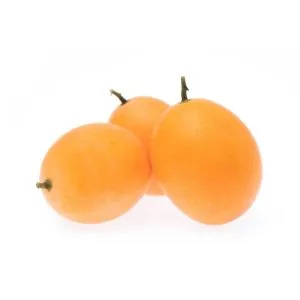
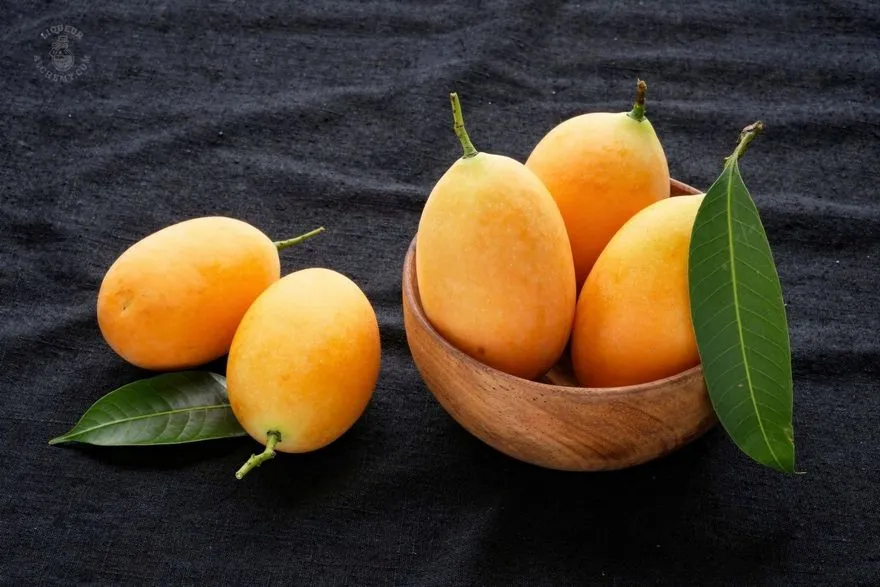
Plum (Marian)

Marian Plum for Liqueur Infusions – Tropical Acidity & Pairings

Marian plum delivers a vivid balance of sweet, sour, and lightly resinous notes, often compared to mango crossed with plum and citrus. Its sharp acidity brightens liqueurs and cuts sweetness, while the aromatic skin adds complexity and length. Best used fresh and ripe, it performs well in vodka, light rum, or brandy bases. Shorter infusions preserve freshness; longer macerations lean toward jammy, wine-like depth.

Plum (Marian)

Home / Ingredients / Fruits / Plum (Marian)

Plum (Marian) Flavor Profile

Sweet-sour tropical fruit, plum-like flesh, citrus acidity, lightly resinous skin notes.
Plum (Marian) Impact on Liqueurs

Adds brightness and tension, sharpening fruit liqueurs while providing exotic tropical character.

How to Use Plum (Marian)?

Use ripe fruit, halved and pitted; 500–800 g per 1 L. Infuse 2–4 weeks, taste early.

Plum (Marian) Pairing Suggestions

Rum, Cane Sugar, Chili, Lime, Ginger, Honey, Plum, Vanilla
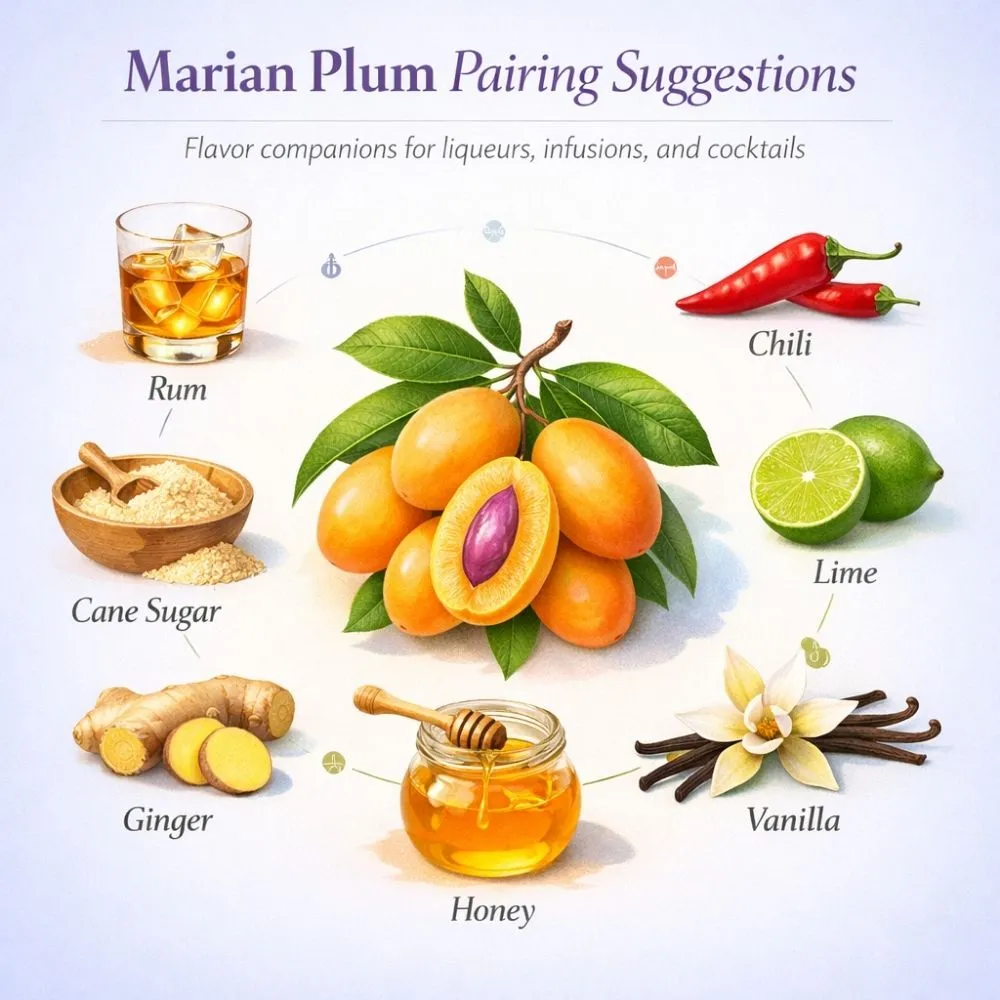
Plum (Marian) pairing suggestions for liqueur making

Plum (Marian) FAQ


Marian plum (maprang) has bright sweet-tart flesh and aromatic skin, but like many stone fruits you should remove pits for safety and flavor control. Use peeled or unpeeled fruit depending on how much tannin you want: skins add structure, but too much time can pull astringency. Infuse at 40–50% ABV and start tasting at day 3–4.

Timing: many stone-fruit infusions peak around 10–21 days. Dosage: 400–900 g fruit per liter. Strain when aroma is vibrant and the finish stays clean. Sweeten after straining to preserve fruit clarity.

Common mistakes include crushing fruit (haze), leaving pits in, and over-steeping with skins. Flavor impact should be tropical-apricot/plum brightness with gentle tartness. Store cool and dark; rest 2–4 weeks after sweetening for a round finish.

Marian plum pairs with vanilla, cinnamon (light), cardamom (tiny), ginger (tiny), and citrus zest. Keep clove and heavy spice mixes low—stone fruit can get “holiday potpourri” fast.

Best method: infuse fruit first, strain, then add spices briefly (hours to a couple days) while tasting. Or use spice tinctures for precise dosing.

Common mistakes include spicing from day one and leaving spices in for weeks. Flavor impact should stay fruit-forward with a warm finish. Store cool and dark; spice intensity can feel stronger after resting.

Several factors influence the extraction behavior of Marian plums during liqueur making. The ripeness of the fruit plays a crucial role, as fully ripe plums contain higher sugar levels and more complex flavors. Choosing the right time to harvest can significantly impact the final product's taste.

The method of extraction also affects the outcome. Cold infusion tends to retain more delicate flavors and aromas, while heat extraction can intensify certain notes but may also lead to the loss of subtler qualities. Experimenting with different techniques can help liqueur makers find the ideal balance.

Lastly, the duration of the extraction process is vital. A shorter infusion may yield a fresher, fruitier flavor, while a longer extraction can produce a richer, more intense profile. Understanding these factors allows for better control over the liqueur's final characteristics.

Yes, dried fruits can be a viable substitute for Marian plums in liqueur recipes. Dried plums, or prunes, can provide a similar sweetness and rich flavor profile.

You can also consider using dried apricots or figs, which can add unique notes to your liqueur. Just be mindful of the moisture content and adjust your recipe accordingly.

When using dried fruits, soaking them in a bit of alcohol or water before adding them to your liqueur can help to rehydrate them and enhance their flavor integration.

The recommended dosage of Marian plum for liqueur making is about 500 grams per liter of base spirit. This ratio provides a balanced flavor profile, allowing the plum's natural sweetness to complement the spirit without overpowering it.

If you prefer a more pronounced plum flavor, you can increase the amount to 700 grams per liter. However, be cautious as too much fruit can lead to an overly sweet or cloying liqueur. Always taste test as you go to find your ideal balance.

Adjust the dosage based on the type of base spirit you are using. Different spirits may interact uniquely with the plum, so experimentation is key to achieving your desired flavor outcome.
Plum (Marian)
Plum (Marian) in Liqueur Crafting

More Fruits


LIQUEUR ALCHEMY TOOLS & RESOURCES


Design labels in minutes—beautiful, practical, and ready to print. Choose a tool below to generate bottle or ingredient labels that match your Liqueur Alchemy workflow.
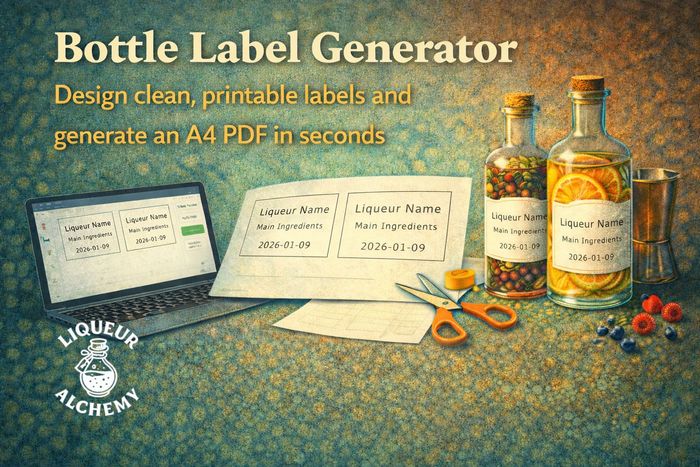
Bottle Label Generator preview

Bottle Label Generator

Create clean bottle labels with your liqueur name, batch details, date — ready for printing and gifting.
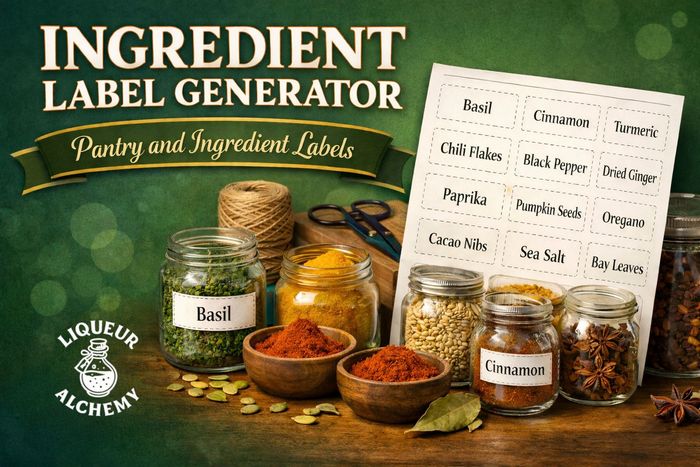
Ingredient Label Generator preview

Ingredient Label Generator

Label jars, containers, and storage bags to maintain clear organization from preparation through infusion and serving.
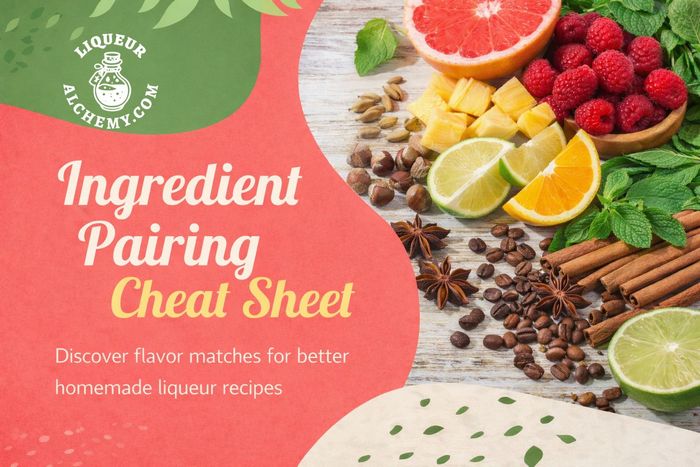
Ingredient pairing cheat sheet for creating balanced homemade liqueurs

Ingredient Pairing Cheat Sheet

Discover flavor combinations that create balanced, complex, and unique homemade liqueurs.