Cornelian Cherry

Cornelian Cherry in Liqueurs: Tart Fruit, Colour and Bright Acidity

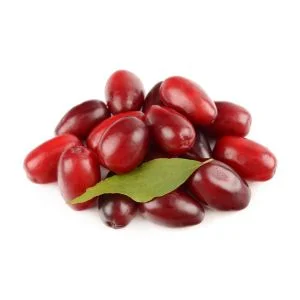
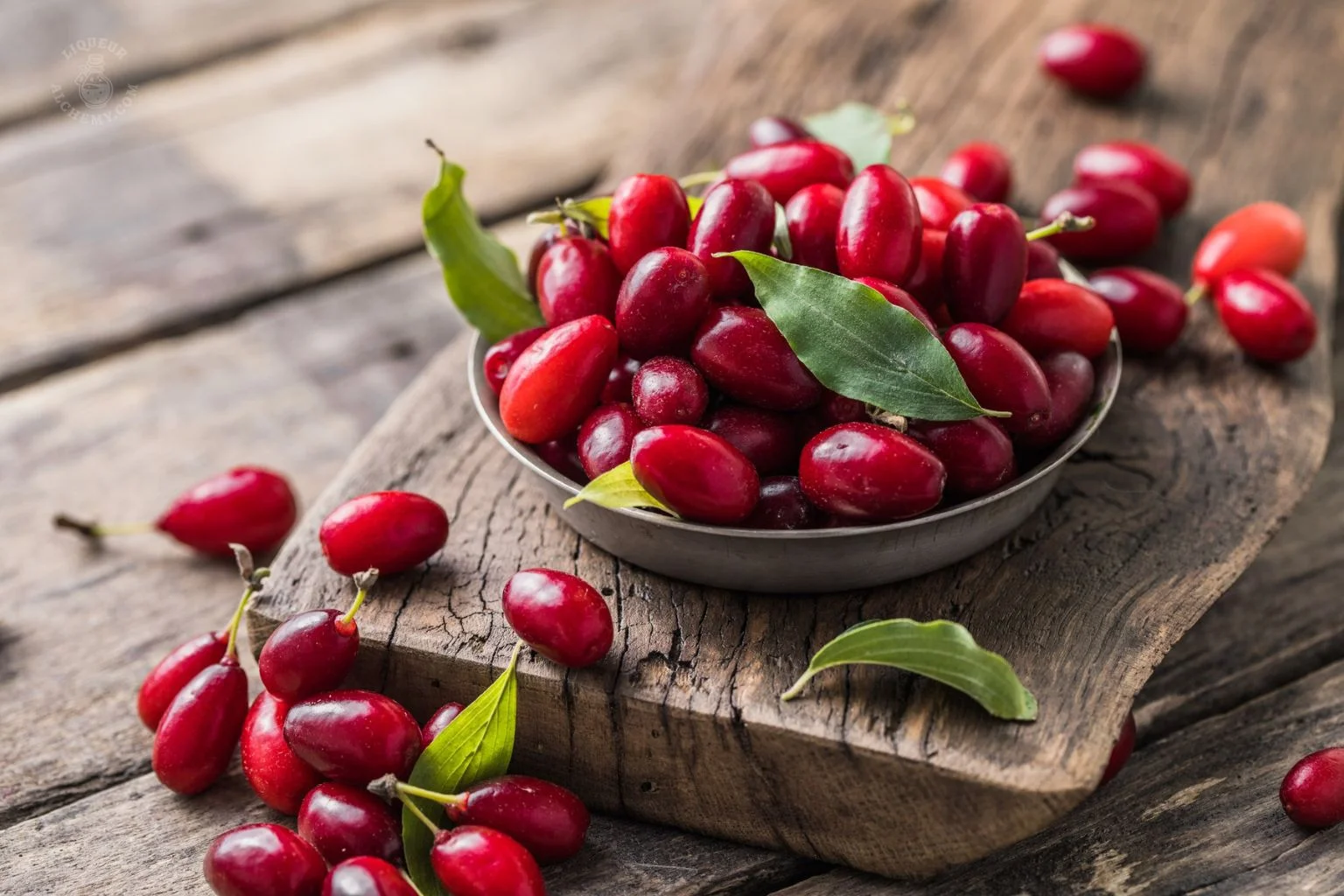
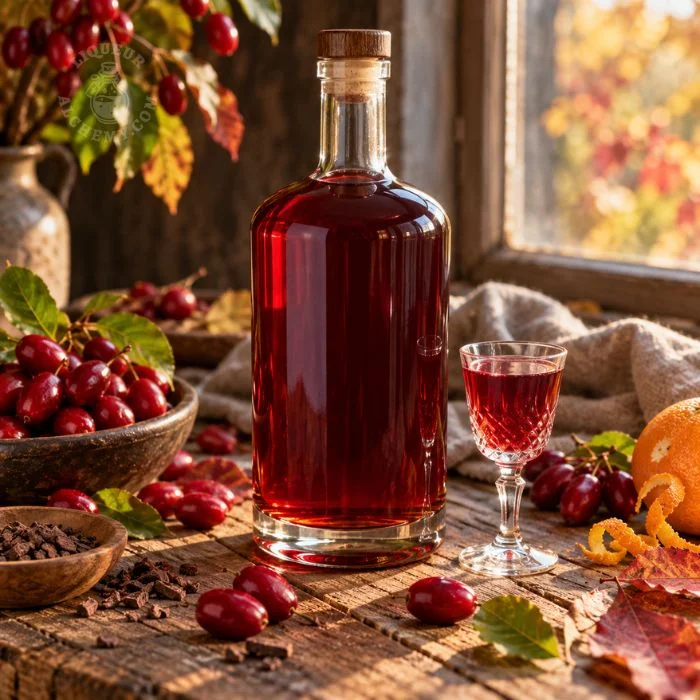
Cornelian cherry is a small ruby-red fruit from Cornus mas, valued for its lively tartness, cranberry-like sharpness and subtle cherry-plum character. During alcohol infusion it releases a vivid red to garnet colour, fresh fruit aroma and gentle tannic structure. Its natural acidity helps keep sweet liqueurs bright and balanced, while ripe fruit contributes a softer jammy note. It works especially well in vodka, brandy and gin infusions with honey, vanilla, citrus and warming spices.

Cornelian Cherry

Home / Ingredients / Fruits / Cornelian Cherry

Cornelian Cherry Flavor Profile

Bright tart cranberry and sour-cherry character with subtle plum notes, gentle tannins, fresh acidity and a lightly jammy finish when fully ripe.
Cornelian Cherry Impact on Liqueurs

Adds vivid ruby-red colour, refreshing acidity, sharp red-fruit flavour and mild tannic structure, helping sweet liqueurs taste brighter and more balanced.

How to Use Cornelian Cherry?

Use fully ripe, deep-red fruit for the best flavour. Wash and remove stems, then lightly crush, prick or freeze and thaw before infusion to improve extraction. Avoid breaking the stones, which may introduce unwanted bitterness. Taste regularly during maceration and balance the finished infusion with sugar or honey after the fruit character is established.

Cornelian Cherry Pairing Suggestions

Vodka, White Rum, Honey, White Sugar, Vanilla, Orange, Lemon, Cinnamon, Cloves, Cardamom, Almond
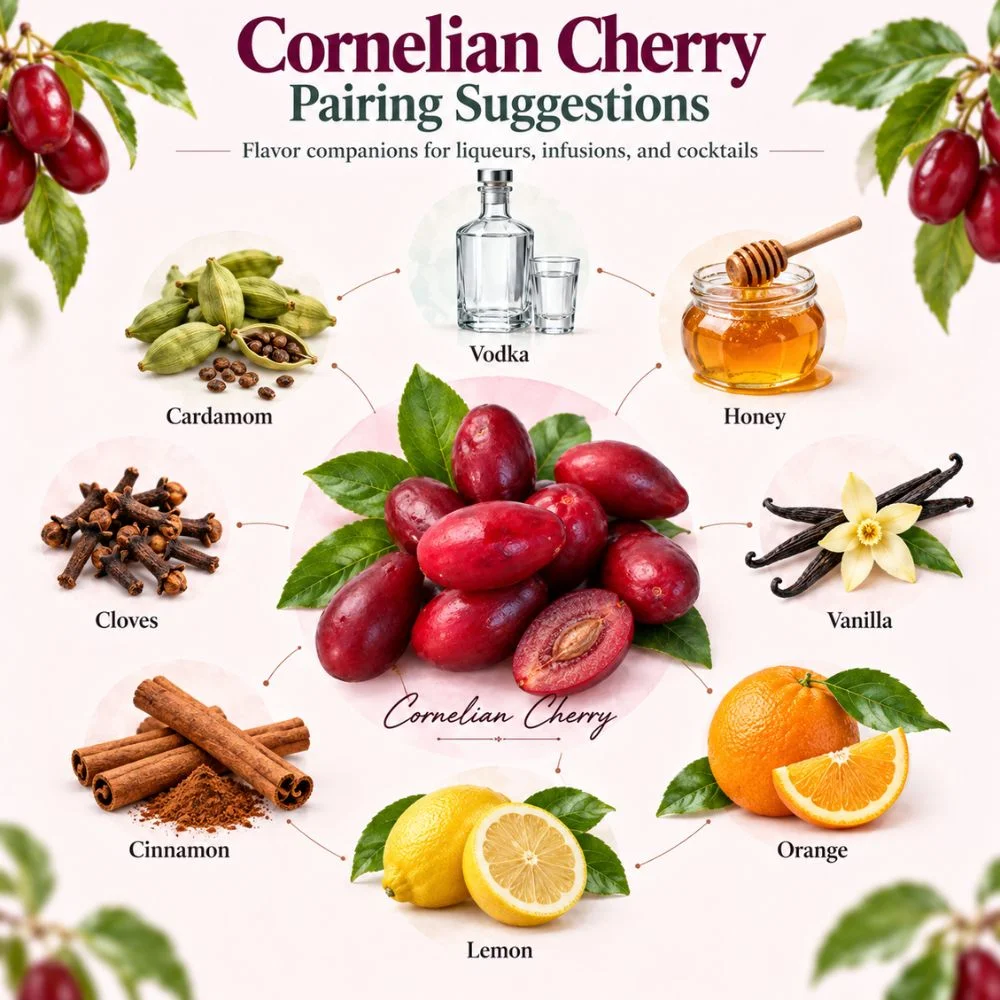
Cornelian Cherry pairing suggestions for liqueur making

Cornelian Cherry FAQ


Cornelian cherry releases flavour into alcohol through a gradual extraction of water-soluble and alcohol-soluble compounds from the fruit flesh and skin. Once the fruit is cut, pricked, crushed lightly, or softened by freezing, alcohol can reach the internal tissues more easily. The first compounds to move into the spirit are usually bright fruit acids, fresh red-fruit aromas, pigments, and some sugars. As maceration continues, deeper plum-like and cranberry-like notes develop, while the skins contribute ruby to garnet colour and a small amount of tannic structure. The result is usually sharper and more refreshing than a sweet cherry infusion.

Extraction speed depends on ripeness, fruit preparation, alcohol strength, temperature, and the ratio of fruit to spirit. Fully ripe Cornelian cherries generally give a rounder, fruitier result, while less-ripe fruit can produce firmer acidity and more astringency. Freezing and thawing helps rupture cell walls and can speed up extraction without requiring aggressive crushing. A neutral vodka preserves the cleanest fruit profile, while brandy, gin, or rum adds its own character. Gentle room-temperature infusion away from direct sunlight is usually preferable to heat, which can flatten delicate aromas and encourage cooked-fruit flavours.

For best control, taste the infusion regularly rather than relying on a fixed number of days. Cornelian cherry can become very tart if the fruit is underripe or the dose is high, so sweetness is often best adjusted after the main fruit extraction is complete. Avoid cracking the stones because this may introduce unwanted bitterness and harsher almond-like notes. Strain when the fruit flavour, colour, and acidity feel balanced, then rest the liqueur before making final sugar or honey adjustments. This staged approach preserves the vivid, fresh character that makes Cornelian cherry particularly useful in homemade liqueurs.

The best substitute for Cornelian cherry depends on which part of its profile you want to reproduce. Cornelian cherry is notably tart, red-fruited, lightly tannic, and somewhere between sour cherry, cranberry, and plum in character. Sour cherries are often the closest practical replacement because they provide sharp acidity, vivid colour, and a familiar stone-fruit aroma. Cranberries can replace the bright tartness and red colour, although they are less juicy and more astringent. Tart plums can also work well when you want a softer, rounder fruit body with a similar stone-fruit direction.

Other useful alternatives include red currants, lingonberries, damsons, and even a blend of two fruits. Red currants can reproduce the high acidity and bright, refreshing quality, while damsons provide darker plum notes and tannic depth. Lingonberries are excellent for a sharp woodland-fruit style but may need more sweetening. A blend of sour cherry and cranberry can come particularly close to the balance of fruitiness, acidity, and red colour associated with Cornelian cherry. When substituting, remember that each fruit extracts at a different rate and may contain different amounts of natural sugar, pectin, and tannin.

Do not copy the original Cornelian cherry sugar level or infusion time automatically. Start with the same approximate fruit-to-alcohol ratio, then taste frequently and adjust. Cranberries and currants can become sharply acidic, while ripe plums may need less sugar and can produce more body. If the substitute is more delicate, use a neutral vodka; if it is highly tart, honey or a combination of white sugar and honey can soften the edges. The goal is not exact imitation but a similar balance of bright acidity, red-fruit flavour, and enough structure to remain lively after sweetening.

Cornelian cherries usually benefit from several weeks of maceration, but there is no single perfect infusion time. As a practical starting point, begin tasting after about two weeks and expect many vodka-based infusions to reach a useful balance somewhere around four to six weeks. Whole, firm fruit may need longer, while frozen and thawed, pricked, or lightly crushed fruit can extract noticeably faster. The aim is to capture vivid red-fruit flavour, ruby colour, and refreshing acidity without allowing excessive tannin or bitterness to dominate.

Ripeness has a major effect on timing. Fully ripe, deep-red fruit tends to release softer, more rounded flavour and can be left longer without becoming aggressively sharp. Less-ripe cherries contain more pronounced acidity and can make the spirit taste austere if macerated too heavily. Alcohol strength also matters: a standard 35–45% ABV spirit extracts efficiently and is easy to manage, while very high-proof alcohol can pull tannins and other compounds more aggressively. Temperature should remain moderate and stable, with the jar stored away from direct sunlight and excessive heat.

Instead of deciding on a fixed date, compare aroma, colour, acidity, and finish each time you taste. Once the fruit character is strong enough and the infusion no longer improves noticeably, strain it. Do not wait simply because a recipe specifies a longer period. Cornelian cherry liqueur often becomes smoother after straining, sweetening, and resting for several weeks, so some roughness during maceration does not always require more fruit contact. Avoid breaking the stones and remove any spoiled fruit before infusion. Controlled tasting is the most reliable way to determine the ideal endpoint for each batch.

One of the main causes of bitterness in Cornelian cherry liqueur is damaging or crushing the stones. The fruit has a hard central stone, and aggressive crushing can expose compounds that contribute harsher, bitter, or strongly almond-like flavours. Lightly pricking or crushing the flesh is useful, but the stones should remain intact. Another common problem is using a large proportion of underripe fruit. Greenish or only partly coloured cherries contain firmer acidity and more astringent character, which can make the finished infusion seem bitter even when the actual issue is excessive tannin.

Over-extraction can also create problems. Leaving fruit in alcohol for much longer than necessary, especially when using high-proof spirit, may pull too much tannic material from skins and other tissues. Strong spices can intensify the impression of bitterness as well. Cloves, cinnamon, citrus pith, cardamom, and some herbs should be used sparingly and often removed earlier than the fruit. Adding large amounts of orange or lemon peel with the white pith attached can introduce a separate, persistent bitterness that may be wrongly blamed on the Cornelian cherries.

Prevention is easier than correction, so taste regularly and strain when the fruit flavour is fully developed. Use ripe, sound cherries and discard damaged or mouldy fruit before maceration. If a batch is already too bitter, try blending it with unsweetened fresh spirit or a softer fruit infusion before adding more sugar. Moderate sweetness or honey can round the edges, but excessive sugar may only hide the problem temporarily. Resting the strained liqueur can soften some roughness, yet severe stone or pith bitterness rarely disappears completely. Careful fruit preparation and controlled extraction are therefore the most important safeguards.

Cornelian cherry gives liqueurs a bright, tart red-fruit profile that sits between sour cherry, cranberry, and plum. Its most important contribution is acidity: even after sweetening, the fruit can preserve a refreshing edge that prevents the liqueur from tasting flat or syrupy. Ripe cherries also add softer jammy and plum-like notes, while the skins provide gentle tannins that give the drink more structure. The resulting flavour is usually lively rather than lush, making Cornelian cherry particularly useful when a recipe needs freshness and definition.

The fruit also has a strong visual impact. During infusion, its red pigments can create shades from bright ruby to deeper garnet, depending on ripeness, fruit quantity, and extraction time. Neutral vodka highlights the cleanest expression of the fruit, while brandy can emphasise its stone-fruit depth. Gin may bring out its herbal and citrus side, and white rum can soften the acidity with subtle sweetness. Honey gives extra body and rounds sharp edges, whereas white sugar preserves a more precise, transparent fruit character.

Because acidity is one of Cornelian cherry's strengths, sweetening should be controlled rather than used to eliminate tartness completely. A successful liqueur should retain enough acidity to feel fresh after sugar is added. Vanilla can soften the profile, orange and lemon can brighten it, and cinnamon, cloves, or cardamom can add warm complexity in small amounts. If too much sugar is used, the distinctive tart character becomes muted; if too little is used, the liqueur can feel severe. The best balance preserves the fruit's vivid red flavour while smoothing its sharper edges.
Cornelian Cherry
Cornelian Cherry in Liqueur Crafting

More Fruits


LIQUEUR ALCHEMY TOOLS & RESOURCES


Design labels in minutes—beautiful, practical, and ready to print. Choose a tool below to generate bottle or ingredient labels that match your Liqueur Alchemy workflow.
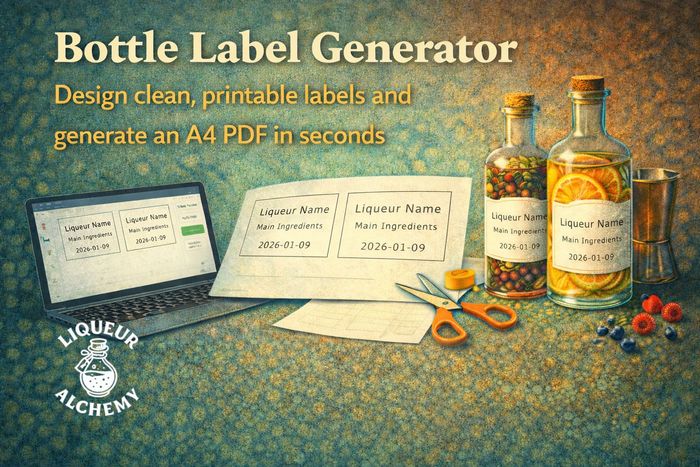
Bottle Label Generator preview

Bottle Label Generator

Create clean bottle labels with your liqueur name, batch details, date — ready for printing and gifting.
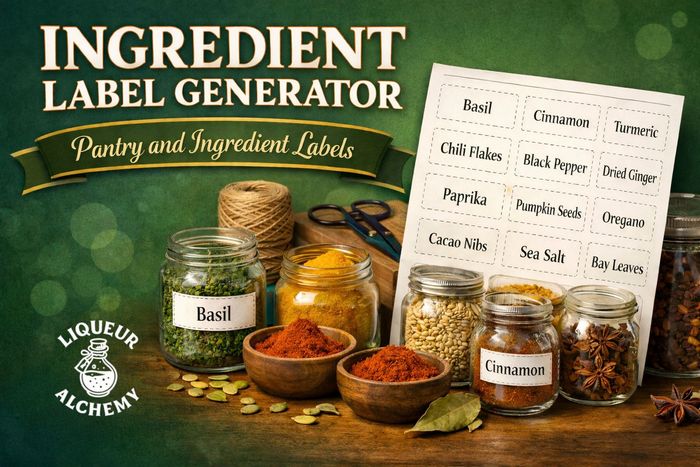
Ingredient Label Generator preview

Ingredient Label Generator

Label jars, containers, and storage bags to maintain clear organization from preparation through infusion and serving.

Ingredient pairing cheat sheet for creating balanced homemade liqueurs

Ingredient Pairing Cheat Sheet

Discover flavor combinations that create balanced, complex, and unique homemade liqueurs.