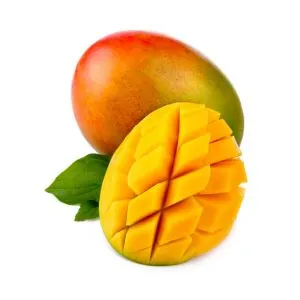
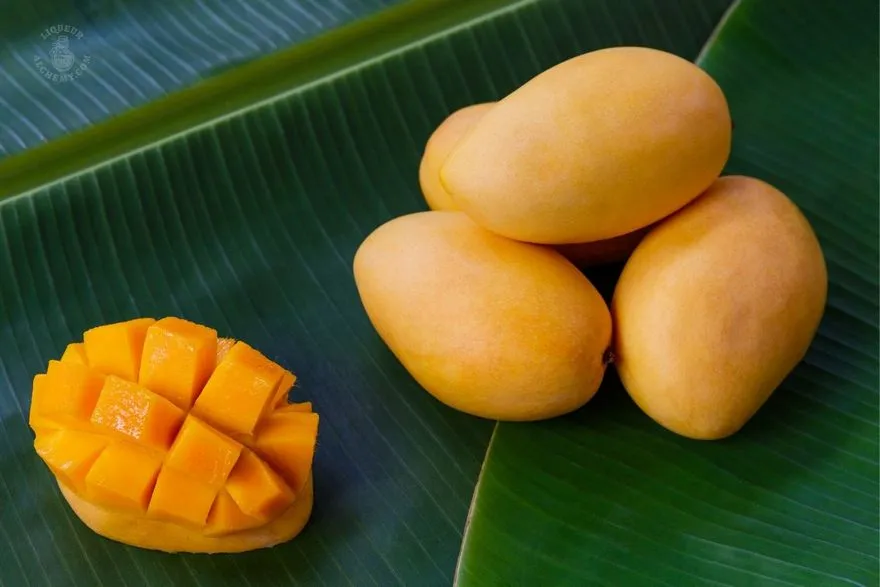
Mango

Mango for Liqueur Infusions – Flavor & Pairing Tips

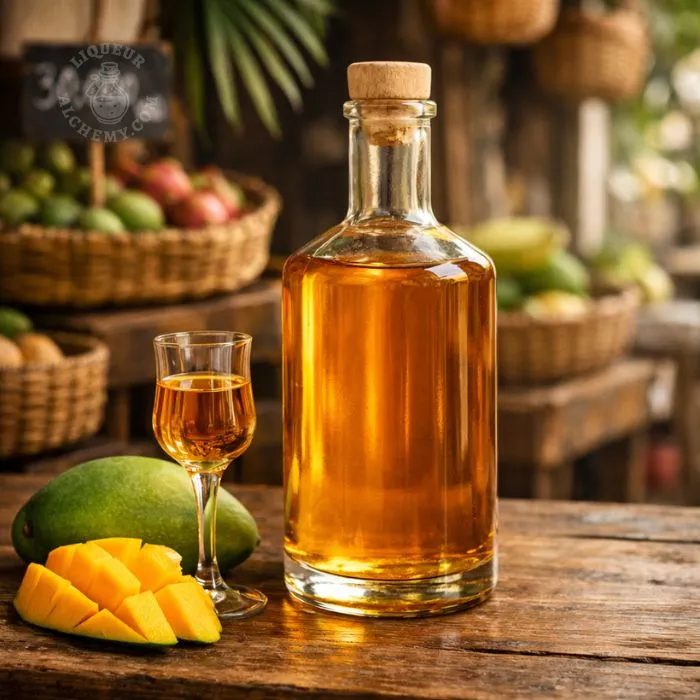
Mango infuses liqueurs with deep tropical sweetness, velvety texture, and a soft, sun-ripened aroma. Its natural sugars create body and roundness, while mild acidity keeps the flavour balanced and smooth. When infused, mango pairs beautifully with spices, citrus, or coconut, producing rich, indulgent liqueurs. It brings warmth, fullness, and an unmistakable exotic character that feels luxurious and inviting.

Mango

Home / Ingredients / Fruits / Mango

Mango Flavor Profile

Lush tropical sweetness, ripe fruit aroma, soft acidity.
Mango Impact on Liqueurs

Creates rich tropical body and sweetness; excellent for dessert liqueurs.

How to Use Mango?

Use ripe diced mango; 400–700 g per 1 L. Infuse 2–4 weeks in rum or vodka.

Mango Pairing Suggestions

Rum, Cane Sugar, Lime, Chili, Ginger, Coconut, Vanilla, Honey
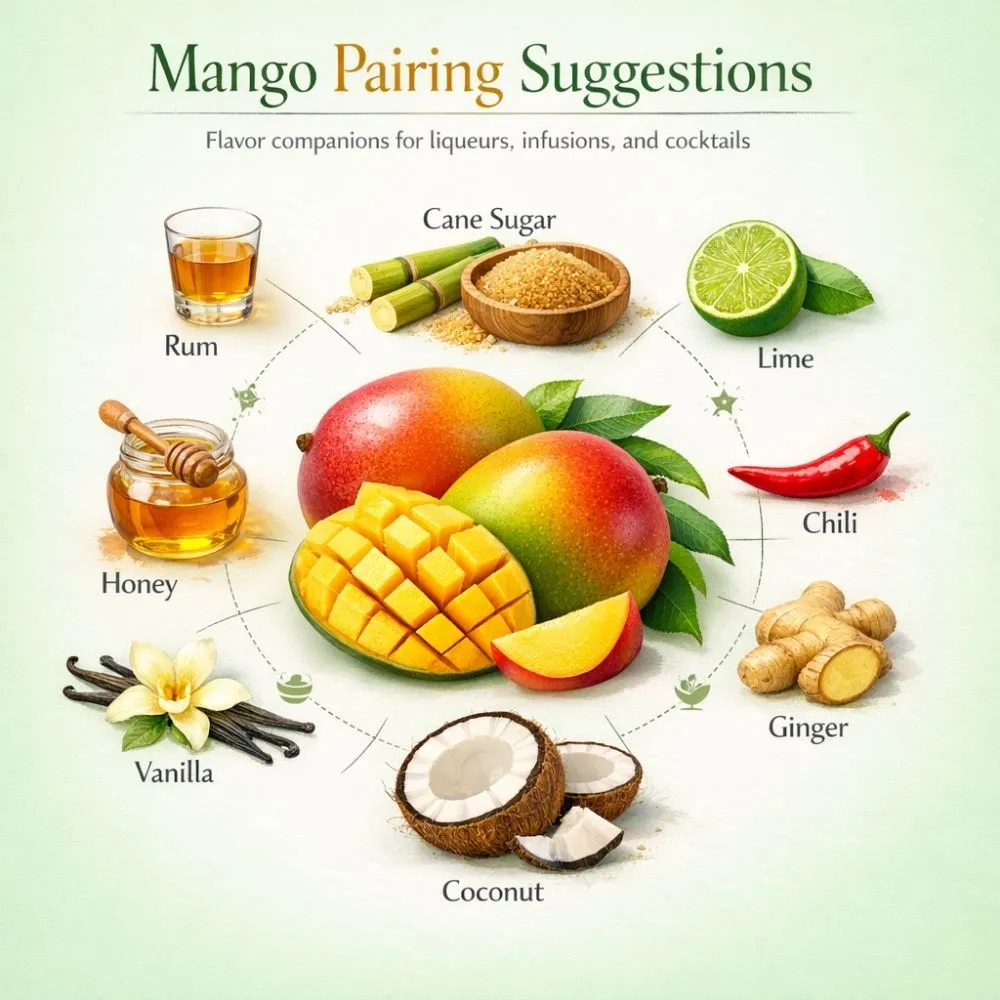
Mango pairing suggestions for liqueur making

Mango FAQ


Mango is aromatic but very pulpy, so you want chunk extraction, not puree. Use ripe, fragrant mango, peel it, and cut into firm chunks. Infuse at 40–50% ABV and start tasting at day 2–3; many batches peak around 5–12 days before they start tasting “cooked” or muddy.

For dosage, 400–800 g mango per liter is common depending on variety and intensity. Strain in stages: first a sieve, then let it settle cold 24–72 hours and decant before final filtering. Sweeten only after straining; adding syrup early makes pulp harder to separate and can mute aroma.

Common mistakes are blending mango, squeezing the bag/filter, and using overripe fruit (fermenty notes). Flavor impact should be bright tropical, not jammy sludge. Store cool and dark; mango top notes fade with heat and oxygen, so smaller bottles help once opened.

Mango loves lime zest, ginger, chili (controlled), vanilla, and a tiny pinch of cardamom. Keep spices light—mango is delicate and easily masked by clove/cinnamon. The cleanest method is to make a spice tincture (ginger/chili) and dose drop-by-drop into the strained mango base.

Timing: infuse mango first, strain, then add spices briefly (hours to a couple days) while tasting often. If you want a Tajín-style profile, build it with lime peel + a chili tincture and add salt last in micro pinches.

Common mistakes are spicing from day one and leaving spices in for weeks. Flavor impact should remain fruit-forward with a warm finish. Store cool and dark; spice intensity can feel stronger after resting, so bottle slightly lighter than you think.

Several factors influence the extraction of mango flavors in liqueur production. The choice of alcohol, whether neutral or flavored, can affect how well the mango's essence is captured. Higher proof spirits tend to extract flavors more efficiently than lower proof options.

Additionally, the extraction time plays a crucial role. Longer steeping periods can intensify the flavor but may also lead to undesirable bitterness if left too long. Monitoring the process allows for a balanced flavor profile that highlights the mango's sweetness without overwhelming it.

Finally, the preparation method, such as using fresh versus dried mango or incorporating the skin, can alter the extraction outcome. Each method brings unique characteristics to the final product, making experimentation key to achieving the desired flavor.

The amount of mango to use can vary based on your recipe and personal preference. A good starting point is to use about one to two cups of fresh mango per liter of alcohol. This quantity provides a balanced flavor without overwhelming the liqueur.

If you're using dried mango, the ratio changes since it's more concentrated. About half a cup of dried mango can be sufficient for the same amount of alcohol. Remember to adjust the sugar content accordingly, as dried fruits can add sweetness.

Always taste your liqueur during the infusion process. This allows you to make adjustments to the amount of mango based on your desired sweetness and flavor intensity, ensuring a perfect final product.

Yes, you can replace mango puree with various alternatives in your liqueur recipes. One effective substitute is using blended ripe bananas, which provide a creamy texture and sweetness similar to mango. Keep in mind that bananas have a distinct flavor, so adjust other ingredients accordingly.

Another option is to use a combination of orange juice and a bit of sugar. This mix can mimic the sweetness and fruity notes of mango puree while adding a citrusy brightness to your liqueur. It's a great way to maintain the fruity essence without the mango.

Lastly, consider using a fruit blend that includes mango flavoring, like a tropical fruit mix. This can help you achieve a similar profile while allowing for some creative variations in taste. Just be sure to test the balance of flavors.
Mango
Mango in Liqueur Crafting

More Fruits


RELATED RECIPES OF LIQUEUR ALCHEMY


Explore more creations from Liqueur Alchemy that share similar flavours, techniques, or ingredients. These related recipes offer fresh ideas and inspired combinations to help you craft your next bold, homemade spirit.

LIQUEUR ALCHEMY TOOLS & RESOURCES


Design labels in minutes—beautiful, practical, and ready to print. Choose a tool below to generate bottle or ingredient labels that match your Liqueur Alchemy workflow.
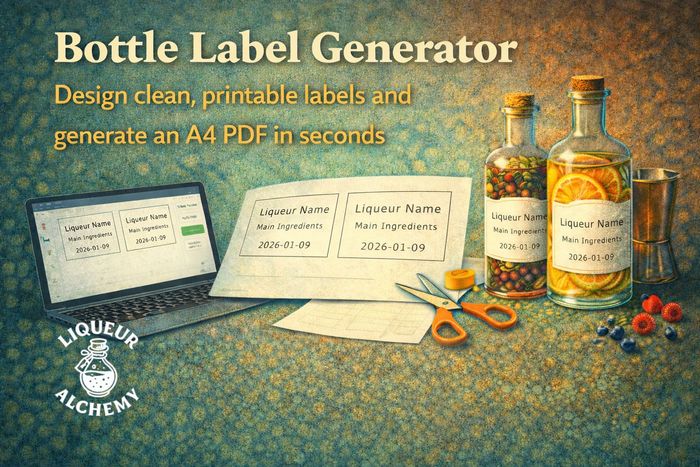
Bottle Label Generator preview

Bottle Label Generator

Create clean bottle labels with your liqueur name, batch details, date — ready for printing and gifting.
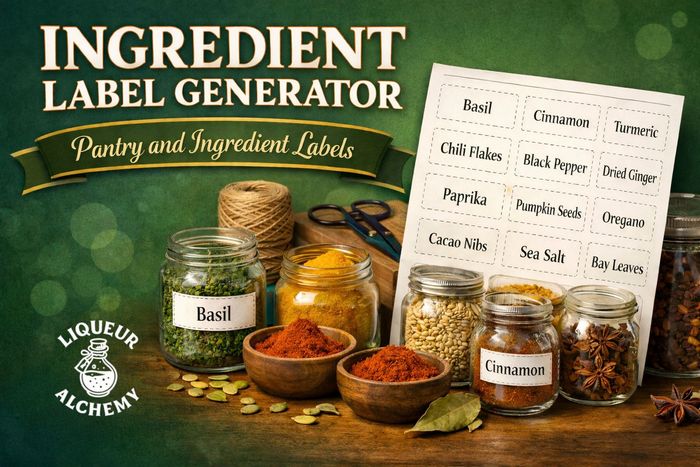
Ingredient Label Generator preview

Ingredient Label Generator

Label jars, containers, and storage bags to maintain clear organization from preparation through infusion and serving.
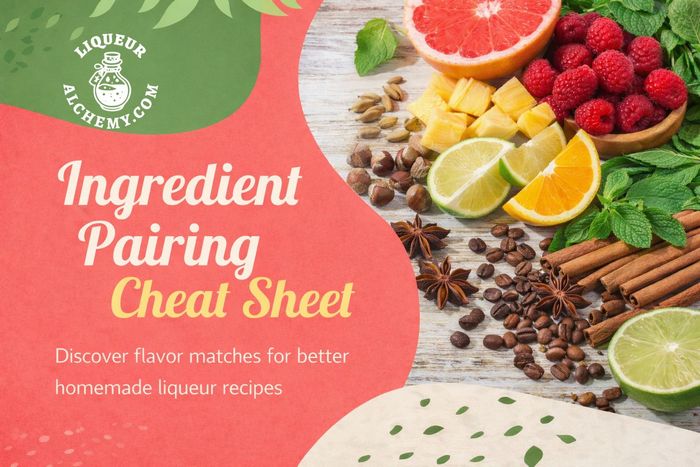
Ingredient pairing cheat sheet for creating balanced homemade liqueurs

Ingredient Pairing Cheat Sheet

Discover flavor combinations that create balanced, complex, and unique homemade liqueurs.