How does Cornelian cherry release flavour during alcohol infusion?
Infusion and Maceration Methods for Homemade Liqueurs
Direct Answer
Cornelian cherry releases acids, pigments, aromas and tannins gradually; ripe fruit, gentle preparation and regular tasting help control extraction.
Expanded Explanation
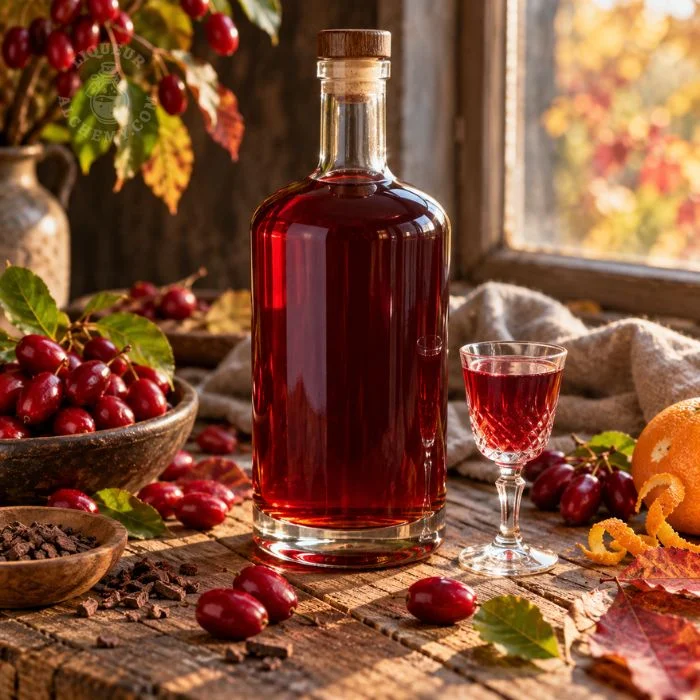
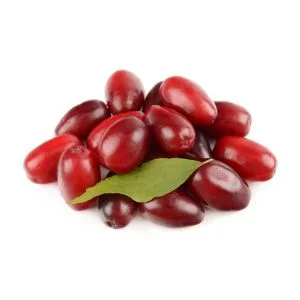
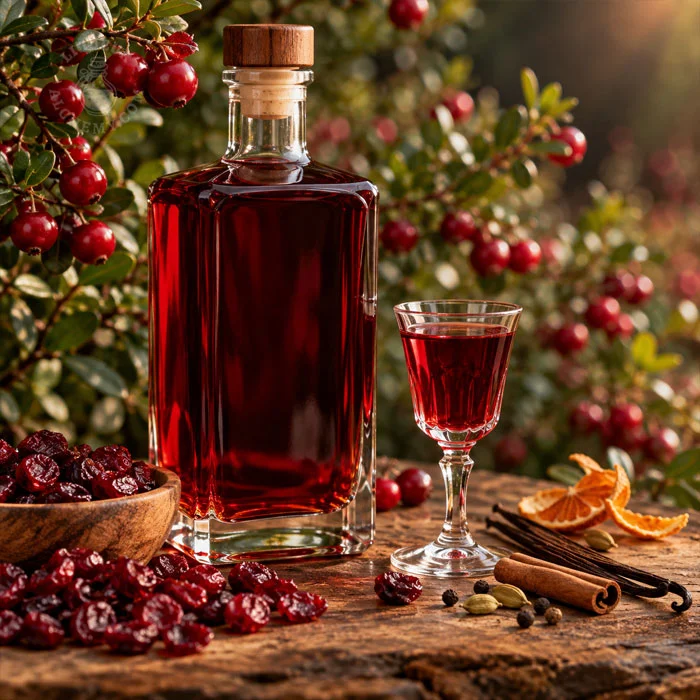
Cornelian cherry releases flavour into alcohol through a gradual extraction of water-soluble and alcohol-soluble compounds from the fruit flesh and skin. Once the fruit is cut, pricked, crushed lightly, or softened by freezing, alcohol can reach the internal tissues more easily. The first compounds to move into the spirit are usually bright fruit acids, fresh red-fruit aromas, pigments, and some sugars. As maceration continues, deeper plum-like and cranberry-like notes develop, while the skins contribute ruby to garnet colour and a small amount of tannic structure. The result is usually sharper and more refreshing than a sweet cherry infusion.
Extraction speed depends on ripeness, fruit preparation, alcohol strength, temperature, and the ratio of fruit to spirit. Fully ripe Cornelian cherries generally give a rounder, fruitier result, while less-ripe fruit can produce firmer acidity and more astringency. Freezing and thawing helps rupture cell walls and can speed up extraction without requiring aggressive crushing. A neutral vodka preserves the cleanest fruit profile, while brandy, gin, or rum adds its own character. Gentle room-temperature infusion away from direct sunlight is usually preferable to heat, which can flatten delicate aromas and encourage cooked-fruit flavours.
For best control, taste the infusion regularly rather than relying on a fixed number of days. Cornelian cherry can become very tart if the fruit is underripe or the dose is high, so sweetness is often best adjusted after the main fruit extraction is complete. Avoid cracking the stones because this may introduce unwanted bitterness and harsher almond-like notes. Strain when the fruit flavour, colour, and acidity feel balanced, then rest the liqueur before making final sugar or honey adjustments. This staged approach preserves the vivid, fresh character that makes Cornelian cherry particularly useful in homemade liqueurs.