What mistakes can make Cornelian cherry liqueur overly bitter?
Troubleshooting Common Homemade Liqueur Problems and Fixes
Direct Answer
Crushed stones, underripe fruit, excessive maceration, high-proof alcohol and too much spice or citrus pith can make Cornelian cherry liqueur bitter.
Expanded Explanation
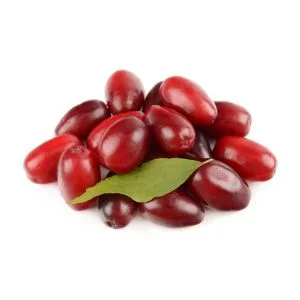
One of the main causes of bitterness in Cornelian cherry liqueur is damaging or crushing the stones. The fruit has a hard central stone, and aggressive crushing can expose compounds that contribute harsher, bitter, or strongly almond-like flavours. Lightly pricking or crushing the flesh is useful, but the stones should remain intact. Another common problem is using a large proportion of underripe fruit. Greenish or only partly coloured cherries contain firmer acidity and more astringent character, which can make the finished infusion seem bitter even when the actual issue is excessive tannin.
Over-extraction can also create problems. Leaving fruit in alcohol for much longer than necessary, especially when using high-proof spirit, may pull too much tannic material from skins and other tissues. Strong spices can intensify the impression of bitterness as well. Cloves, cinnamon, citrus pith, cardamom, and some herbs should be used sparingly and often removed earlier than the fruit. Adding large amounts of orange or lemon peel with the white pith attached can introduce a separate, persistent bitterness that may be wrongly blamed on the Cornelian cherries.
Prevention is easier than correction, so taste regularly and strain when the fruit flavour is fully developed. Use ripe, sound cherries and discard damaged or mouldy fruit before maceration. If a batch is already too bitter, try blending it with unsweetened fresh spirit or a softer fruit infusion before adding more sugar. Moderate sweetness or honey can round the edges, but excessive sugar may only hide the problem temporarily. Resting the strained liqueur can soften some roughness, yet severe stone or pith bitterness rarely disappears completely. Careful fruit preparation and controlled extraction are therefore the most important safeguards.