Cornelito

Cornelito Cornelian Cherry Liqueur with Orange, Cacao and Warm Spice

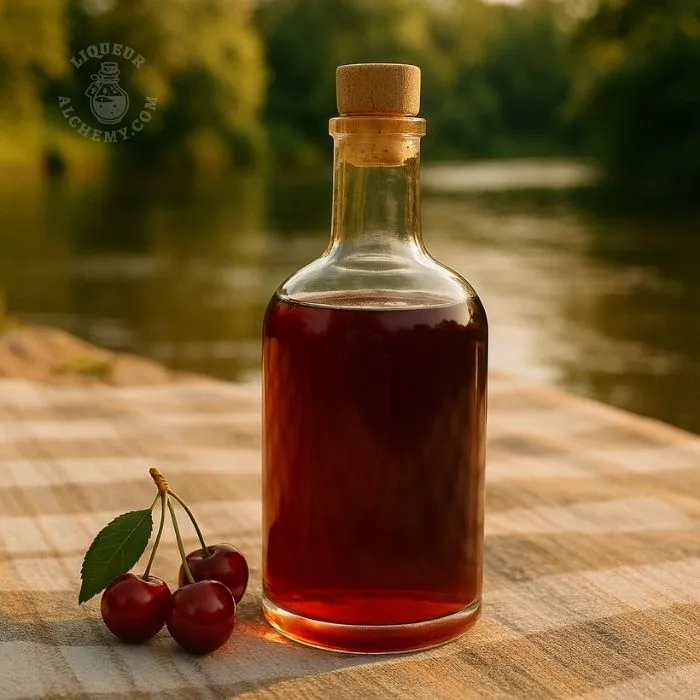
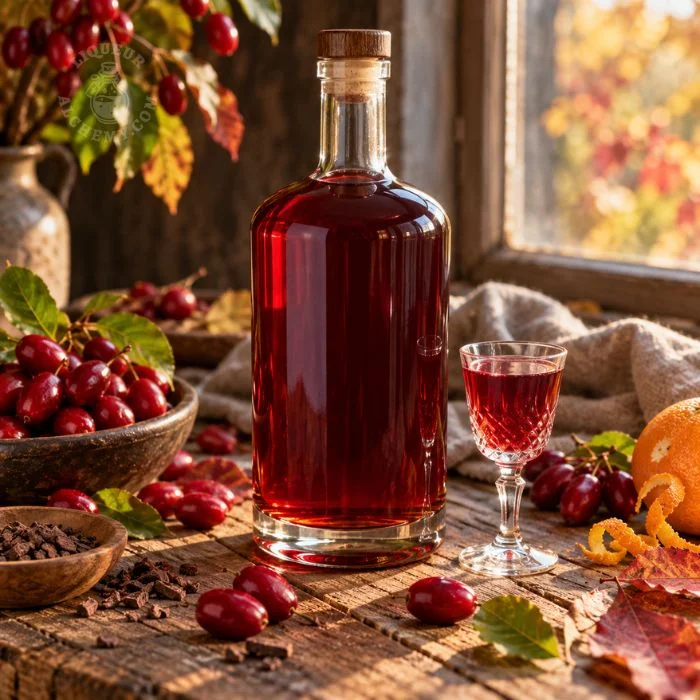
Cornelito is a ruby-red vodka liqueur built around tart Cornelian cherries, balanced with white and muscovado sugars and honey. Vanilla, cinnamon and allspice provide warmth, while orange zest adds brightness and cacao nibs introduce a restrained roasted finish. Fruity, gently spiced and complex, it combines lively acidity with rounded sweetness.

Main notes

  • Vodka
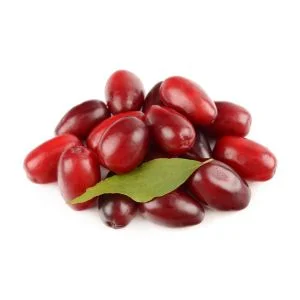
  • Cornelian Cherries

Ingredients

  • Cornelian Cherries — 1 kg
  • Vodka — 1 L
  • White Sugar — 180 g
  • Muscovado Sugar — 60 g
  • Honey — 40 g
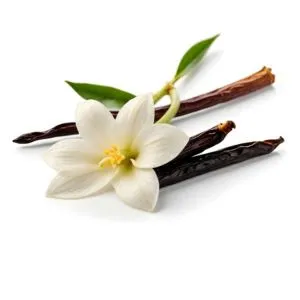
  • Vanilla — ½ pod
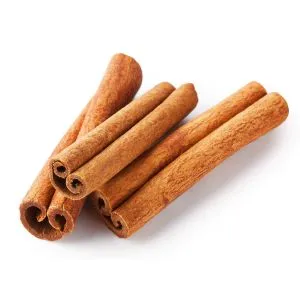
  • Cinnamon — ½ stick
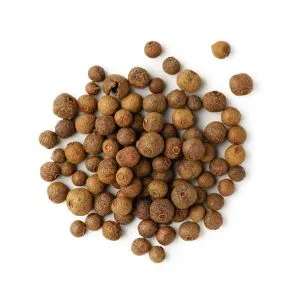
  • Allspice — 3 berries
  • Orange Zest — ½ orange
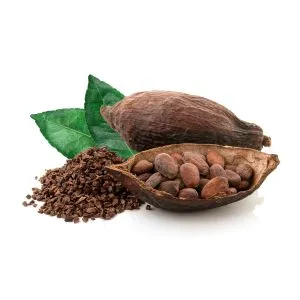
  • Cacao Nibs — 8 g

Preparation

  1. Sort the Cornelian cherries, discarding any damaged or spoiled fruit, then wash and dry thoroughly.
  2. Freeze the cherries overnight, then allow them to thaw to help break down the flesh and improve extraction.
  3. Place the cherries in a large sterilised infusion jar, keeping their stones intact.
  4. Add the white sugar, muscovado sugar and honey.
  5. Add the vanilla, cinnamon, allspice, orange zest and cacao nibs.
  6. Pour in the vodka, ensuring the fruit and aromatics are completely covered.
  7. Seal and store in a cool, dark place for 5 weeks, gently turning the jar occasionally during the first week.
  8. Begin tasting after **3 weeks**. Remove the cinnamon, allspice, orange zest or cacao nibs earlier if any of these flavours become too dominant.
  9. After 5 weeks, strain carefully and filter if necessary. Bottle Cornelito and allow it to rest for at least 6 weeks before serving.
Download

The Story

Cornelito began with a harvest of deep-red Cornelian cherries gathered from my own garden, their naturally sharp, vibrant flavour calling for something richer than a simple fruit infusion. Vodka provides a clean foundation, while white and muscovado sugars soften the cherries with contrasting sweetness. Honey adds roundness and a silky edge. Vanilla and cinnamon bring warmth, allspice adds gentle complexity, and fresh orange zest lifts the darker notes. A restrained touch of cacao nibs finishes the liqueur with subtle roasted depth. The result is a ruby-red garden liqueur that moves between tart fruit, warming spice and dark, mellow sweetness.

Who is "Cornelito" Liqueur for?

Cornelito is for curious drinkers who enjoy tart fruit, warming spice and subtle darker flavours. Its combination of vibrant Cornelian cherry, orange, cacao and muscovado suits adventurous palates, relaxed evening drinking and anyone who prefers a fruit liqueur with complexity rather than straightforward sweetness.
"Cornelito" Liqueur Serving Suggestions

Serve Cornelito slightly chilled in a small stemmed liqueur or cordial glass. It works particularly well as an after-dinner slow sipper, when its tart cherry character, mellow honey sweetness, orange brightness, warming spices and restrained cacao finish can gradually unfold.

Why the Name "Cornelito"?

Cornelito takes its name from the Cornelian cherry at the heart of the recipe, reshaped into something warmer, playful and distinctly liqueur-like. The “-ito” ending gives the name an affectionate Mediterranean character that suits a small glass enjoyed slowly. It also reflects the personality of the drink itself: vivid and approachable at first, but hiding layers of spice, orange, honey and cacao beneath its ruby fruit.

Testing Notes

Cornelian cherry provides considerable natural acidity, so sweetness should be reassessed after filtration and resting rather than increased during maceration. Cinnamon, allspice and cacao should remain supporting flavours and may need removing before the fruit. Monitor the orange zest for bitterness, particularly if any white pith remains.

Cornelito Liqueur FAQ


Yes. Muscovado sugar can be replaced with light brown sugar, demerara sugar or additional white sugar, but each substitute changes the depth of flavour. Muscovado contributes a soft molasses note that supports the tart fruit and cacao, while white sugar gives a cleaner, brighter result. If replacing the full 60 g of muscovado, use the same weight initially and adjust after resting.

Honey can also be replaced with sugar or a mild-flavoured syrup. Replacing 40 g of honey with around 30–35 g of sugar is usually enough because honey tastes sweeter and adds body as well as flavour. Avoid strongly aromatic honey unless you deliberately want it to compete with the Cornelian cherry, orange zest and spices.

For the most balanced result, keep at least two different sweeteners rather than using only one. The combination of white sugar, darker sugar and honey rounds the sharp acidity without making the finished drink taste flat. Make substitutions before infusion when possible, then make only small sweetness corrections after filtering and resting.

Cornelian cherries can remain in vodka for about five weeks in this recipe, especially when the fruit has been frozen and thawed first. Freezing helps break down the flesh and improves colour and flavour extraction. Start tasting after three weeks because ripeness, fruit size and storage temperature can all affect how quickly the infusion develops.

The aromatics do not always need the full five weeks. Cinnamon, allspice, orange zest and cacao nibs should be monitored from the third week onward. Orange zest can become pithy or bitter, cinnamon can dominate the fruit, and cacao nibs can develop a dry roasted edge if left too long. Remove any individual ingredient once its flavour is clearly noticeable but still balanced.

Do not wait for every ingredient to reach maximum intensity. The goal is a layered ruby-red fruit liqueur in which the Cornelian cherry remains the main flavour. If one spice begins to lead the aroma or finish, remove it and allow the fruit to continue infusing. Strain the entire batch at around five weeks unless tasting shows it is ready sooner.

The most common cause is over-extraction from the supporting ingredients rather than the fruit itself. Too much orange pith, cinnamon left in too long, excessive allspice or prolonged contact with cacao nibs can create bitterness and dryness. Use only the coloured outer zest of the orange and begin tasting the infusion after three weeks so these ingredients can be removed individually.

Aggressive treatment of the fruit can also cause problems. Keep the Cornelian cherry stones intact and do not crush or grind them. Freezing and thawing is enough to help extraction. Damaged stones, over-macerated fruit or very underripe cherries can increase astringency and make the finish harsher than intended.

If the strained liqueur is slightly too dry, let it rest before correcting it because sharpness often softens over several weeks. After resting, add a small amount of simple syrup or diluted honey in measured stages, tasting between additions. Do not try to cover strong bitterness with a large dose of sugar, as that usually produces a drink that is both bitter and overly sweet.

Cornelian cherries are naturally sharp, so the freshly strained liqueur may taste more acidic than the finished drink will after resting. Before adding more sugar, bottle or jar the filtered liqueur and allow it to settle for at least two to three weeks. Alcohol heat, fruit acidity and spice edges usually integrate during this period, making the real balance easier to judge.

If it still tastes too tart, prepare a small amount of simple syrup and add it gradually. Work in small measured additions, such as 10–15 ml per litre, stir thoroughly and taste again before adding more. A small amount of diluted honey can be used instead if more roundness and body are wanted, but honey will also add its own aroma.

If the drink is too sweet, do not add water unless you deliberately want to reduce the alcohol strength. A better correction is a small amount of plain vodka, added gradually, which reduces sweetness while preserving structure. Record every addition so the adjustment can be repeated in future batches, and allow the corrected liqueur to rest again before making a final judgement.

After straining and filtering, the liqueur should rest for at least six weeks before serving. This resting period allows the sharp fruit acidity, alcohol heat, muscovado, honey, spices, orange and cacao notes to merge into a smoother flavour. It may be drinkable earlier, but the difference between a freshly filtered batch and a properly rested one can be significant.

Store the bottles tightly sealed in a cool, dark cupboard away from sunlight, heaters and large temperature changes. Clean, sterilised glass bottles are best. If fine sediment appears during the first few weeks, allow it to settle and carefully decant or filter the liqueur again rather than shaking it back into suspension.

Once properly filtered and bottled, a vodka-based fruit liqueur with this sugar and alcohol content can keep well for a long period when stored correctly. Check for unusual gas, off smells, mould or unexpected cloudiness before serving any bottle that has been stored for an extended time. For the best flavour, taste a bottle after six weeks and again after several months to see how the profile develops.

RALETED RECIPES OF LIQUEUR ALCHEMY


Explore more creations from Liqueur Alchemy that share similar flavours, techniques, or ingredients. These related recipes offer fresh ideas and inspired combinations to help you craft your next bold, homemade spirit.