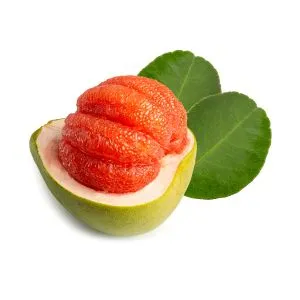
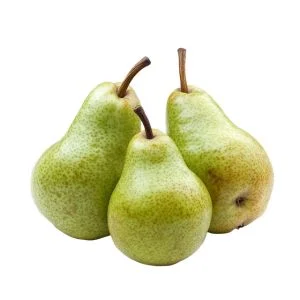
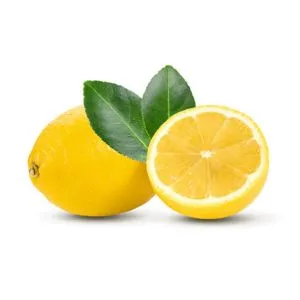
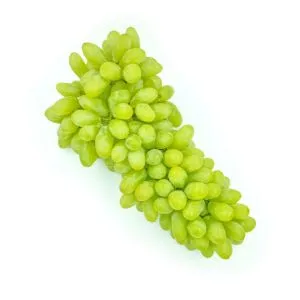
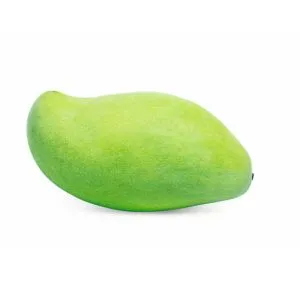
Pomelo (Red)

Red Pomelo for Liqueurs – Citrus Aroma, Bitterness & Pairings

Red pomelo delivers fresh citrus perfume with a pleasant bitter edge that helps liqueurs taste cleaner and more adult. The zest provides intense aromatic oils, while the juice adds mild sweetness and acidity; avoid white pith to prevent harsh bitterness. It works especially well in clear vodka-based infusions and aperitif-style liqueurs, and can also brighten light rum blends. Use short zest infusions for elegance, longer for a more bitter, tonic-like profile.

Pomelo (Red)

Home / Ingredients / Fruits / Pomelo (Red)

Pomelo (Red) Flavor Profile

Bright citrus oils, sweet-bitter tang, light acidity, clean aromatic finish.

Pomelo (Red) Impact on Liqueurs

Adds refreshing bitterness and lift, balancing sweetness and enhancing herbal or fruit liqueurs.

How to Use Pomelo (Red)?

Use zest only, no pith; peel from 1–2 pomelos per 1 L. Infuse 3–10 days; optional juice later.

Pomelo (Red) Pairing Suggestions

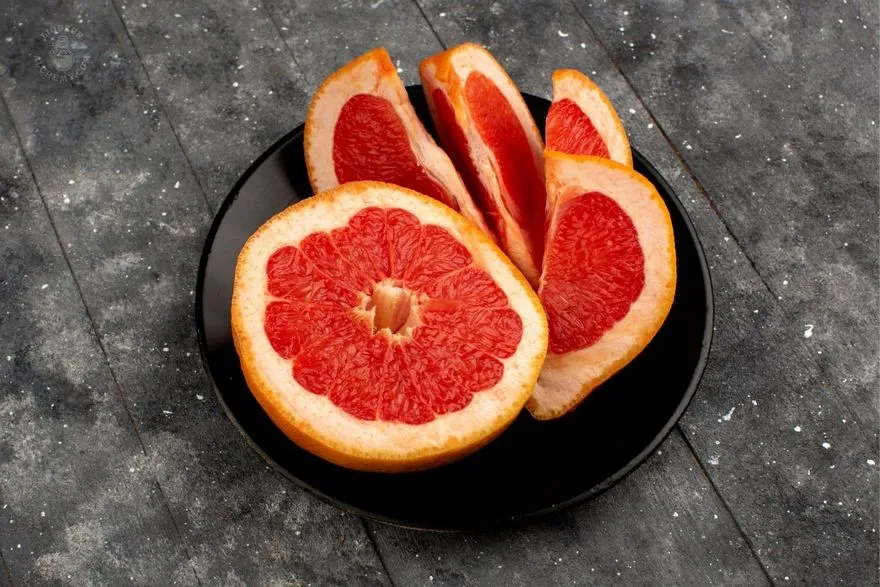
Vodka, Cane Sugar, Ginger, Honey, Rosemary, Vanilla, Grapefruit, Mint
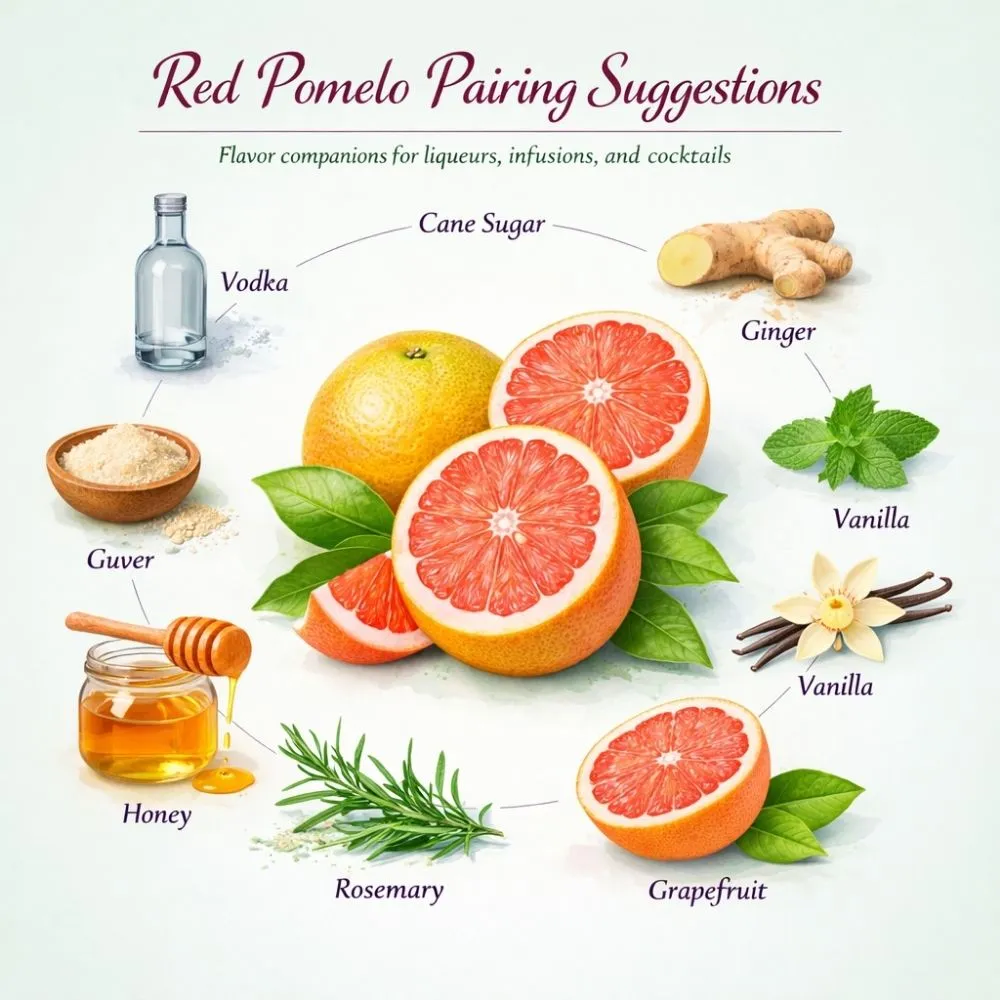
Pomelo (Red) pairing suggestions for liqueur making

Pomelo (Red) FAQ


Pomelo’s colored zest is aromatic; the white pith is where harsh bitterness lives. Use only the colored peel (zest) with as little pith as possible, or use pomelo flesh/juice separately. For peel, infuse at 40–60% ABV and taste early—often 12–72 hours is enough.

For flesh, use chunks at 40–50% ABV and taste from day 2–3, straining within 5–12 days depending on intensity. Sweeten after straining; pomelo benefits from sugar to round its bitter-citrus edge.

Common mistakes include including thick pith and steeping peels for weeks. Flavor impact should be bright, grapefruit-like citrus with floral sweetness. Store cool and dark; citrus top notes fade with heat and oxygen.

Thinness can come from low aroma extraction (not enough zest), too much dilution (juice/water), or too low final ABV. Pomelo also has a cleaner, less “jammy” profile than orange, so it can feel lighter unless you build body.

Fix by boosting aroma with a short additional zest infusion or adding a small amount of citrus tincture. For body, adjust sweetness carefully and consider a slightly richer syrup or a small glycerin-style mouthfeel tweak (if you use that in your process).

Common mistakes include using only juice and skipping peel oils. Flavor impact should be aromatic citrus with a fuller mid-palate. Store cool and dark; aroma carries the perception of body.

To effectively extract flavors from red pomelo, start by selecting ripe, fresh fruit. The quality of the pomelo will significantly impact the final liqueur. It's essential to wash the fruit thoroughly and consider using both the zest and the flesh for a fuller flavor profile.

Maceration is a popular method for extracting flavors, where the pomelo is combined with alcohol and left to infuse over time. A common practice is to let the mixture sit in a cool, dark place for several days, shaking it occasionally. This allows the essential oils and juices to meld with the alcohol, creating a rich flavor.

After the desired infusion period, strain the mixture to remove solids. You may also choose to sweeten the liqueur to balance the tartness of the pomelo. By following these best practices, you can create a well-rounded liqueur that showcases the unique flavors of red pomelo.

Yes, you can replace red pomelo with other citrus fruits like tangerines or clementines. These fruits offer a similar sweetness and aromatic quality, making them a viable option in liqueur recipes.

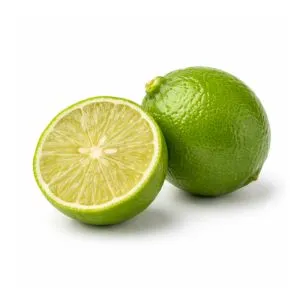
Lemon or lime can also work if you’re looking for a more tart flavor. While they are more acidic, balancing them with a bit of sugar can help replicate the sweetness of red pomelo.

Lastly, you might try using yuzu, a Japanese citrus fruit. Its unique flavor profile can add an exotic twist to your liqueur, providing both sweetness and acidity that can enhance the overall taste.

The recommended dosage of red pomelo is about 200 grams per liter of base spirit. This amount provides a robust flavor without overpowering the other ingredients. Adjusting the quantity can help tailor the taste to your preference.

If you're experimenting with smaller batches, consider starting with 50 grams for a 250 ml bottle. This allows you to test the flavor intensity before committing to larger quantities. Remember that the pomelo's zest can also add a unique aromatic touch.

Always taste your liqueur after the infusion period. If you find the flavor too subtle, you can gradually increase the amount of red pomelo in future batches to achieve your desired profile.
Pomelo (Red)
Pomelo (Red) in Liqueur Crafting

More Fruits


LIQUEUR ALCHEMY TOOLS & RESOURCES


Design labels in minutes—beautiful, practical, and ready to print. Choose a tool below to generate bottle or ingredient labels that match your Liqueur Alchemy workflow.
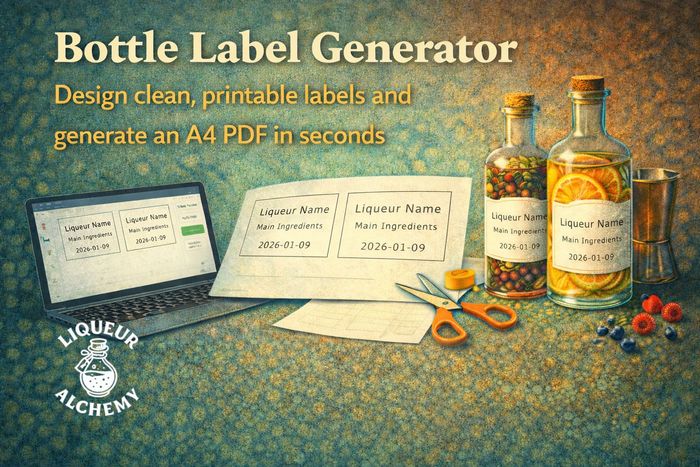
Bottle Label Generator preview

Bottle Label Generator

Create clean bottle labels with your liqueur name, batch details, date — ready for printing and gifting.
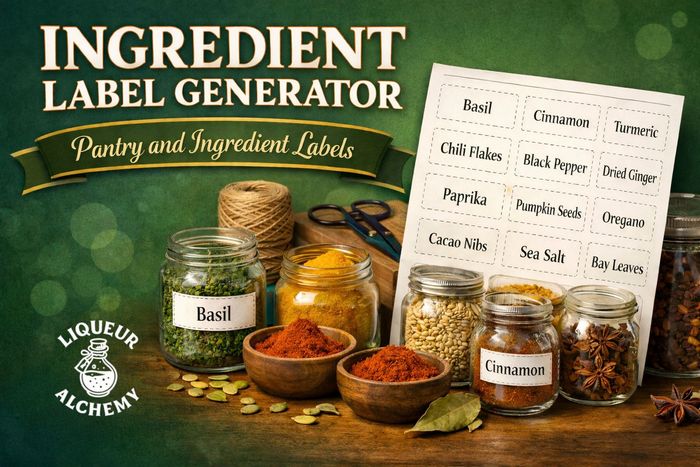
Ingredient Label Generator preview

Ingredient Label Generator

Label jars, containers, and storage bags to maintain clear organization from preparation through infusion and serving.
Ingredient pairing cheat sheet for creating balanced homemade liqueurs

Ingredient Pairing Cheat Sheet

Discover flavor combinations that create balanced, complex, and unique homemade liqueurs.