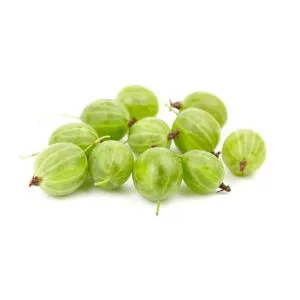
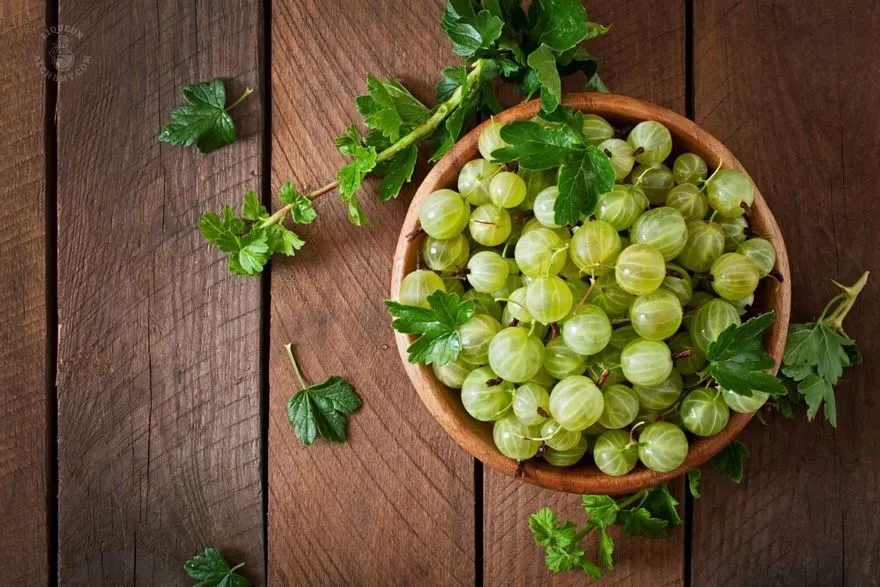
Gooseberry

Gooseberry for Liqueur Infusions – Flavor & Pairing Tips

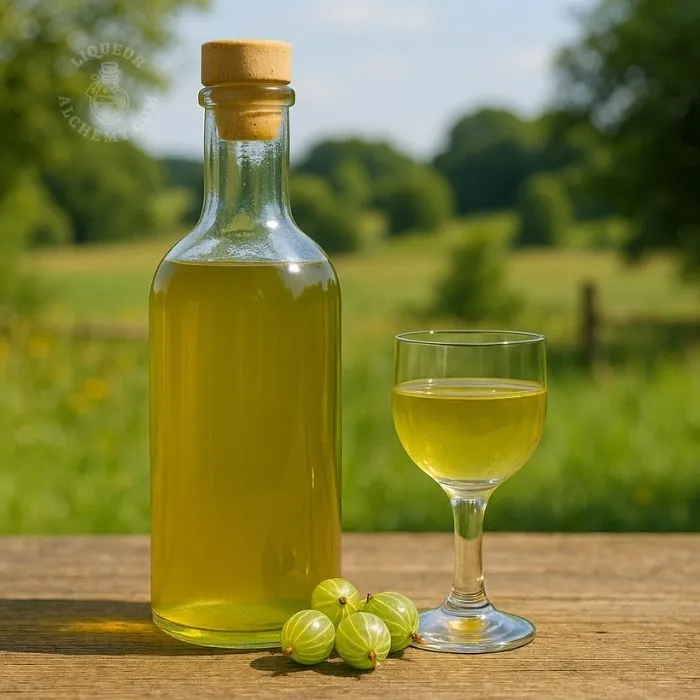
Gooseberries combine tart juiciness with delicate aroma. Their bright, refreshing acidity enhances balance in liqueurs, complementing herbs, mint, or light fruits for clean, summery blends full of sparkle.

Gooseberry

Home / Ingredients / Fruits / Gooseberry

Gooseberry Flavor Profile

Bright green acidity, tart fruit notes, crisp and refreshing.
Gooseberry Impact on Liqueurs

Sharpens sweetness and adds lively structure to fruit liqueurs.

How to Use Gooseberry?

Use fresh or lightly crushed; 500–800 g per 1 L. Infuse 3–6 weeks in vodka.

Gooseberry Pairing Suggestions

Vodka, White Sugar, Elderflower, Mint, Lemon Peel, Honey, Apple, Basil
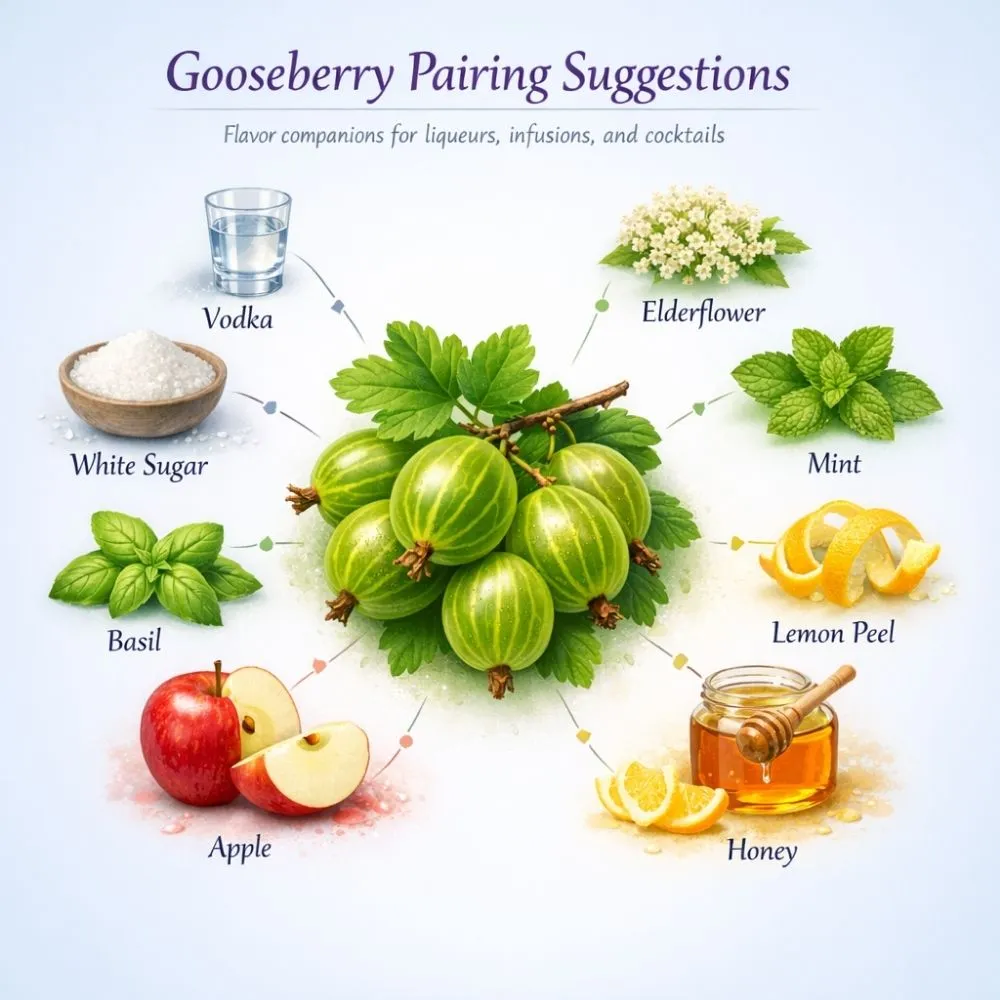
Gooseberry pairing suggestions for liqueur making

Gooseberry FAQ


Gooseberries are naturally tart, so balance is the main job. Sweeten gradually—small changes in sugar can quickly soften sharpness without burying the fruit.

Avoid long warm macerations that pull green, harsher skin notes. If using frozen berries, taste early because extraction and acidity can spike quickly.

For extra lift and body, add a little citrus zest or blend with a softer fruit infusion. Resting helps the acidity feel smoother and the aroma settle into a crisp, refreshing finish.

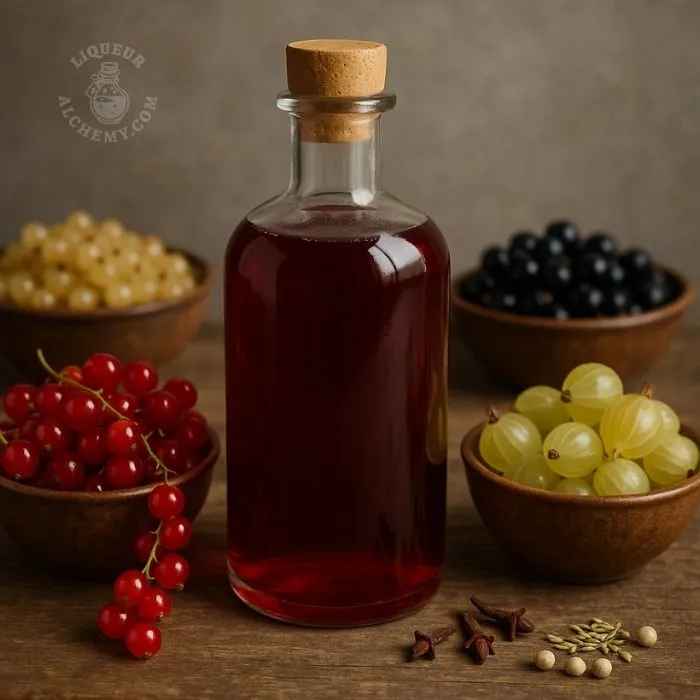
Currants (red or white) are close substitutes for tart brightness, and green grapes with citrus zest can also mimic a crisp, acidic profile. Each substitute has its own aroma, so choose based on your target style.

For gooseberry-like tang, build a light berry or grape base and adjust acidity during balancing rather than relying on long maceration. A tiny citric acid adjustment can help if needed.

Keep spices minimal with substitutes. Gooseberry-style liqueurs shine when they’re clean, crisp, and fruit-forward, not heavily botanical.

Several factors can influence the extraction of flavors from gooseberries during liqueur production. The ripeness of the fruit is crucial; fully ripe gooseberries will yield more sugars and aromatic compounds, enhancing the overall flavor profile. Conversely, unripe berries may produce a more acidic and less balanced liqueur.

The duration of maceration also plays a significant role in flavor extraction. A longer maceration time allows for more comprehensive flavor development, but it requires careful monitoring to avoid over-extraction, which can introduce bitterness. Additionally, the type of alcohol used can impact the extraction efficiency, with higher proof spirits typically extracting flavors more effectively.

Finally, the method of preparation, such as whether the gooseberries are crushed or left whole, can affect the extraction process. Crushing the berries increases surface area and promotes better extraction, making it a common practice in liqueur crafting.

The recommended dosage of gooseberries for liqueur making is typically around 500 grams per liter of alcohol. This amount provides a balanced tartness without overwhelming the final product. Adjust the quantity based on your personal taste preferences.

If you prefer a more subtle flavor, you might start with 300 grams and gradually increase it in future batches. Always keep in mind the sweetness from added sugar, as it can affect the overall flavor profile.

It's also essential to consider the quality of the gooseberries. Fresh, ripe berries will yield the best results, so sourcing high-quality ingredients will enhance your liqueur's flavor and aroma significantly.

Yes, you can use currants as a substitute for gooseberries in liqueur making. They provide a similar tartness and can enhance the overall flavor profile of your drink. Black or red currants are particularly effective due to their vibrant acidity.

Another option is to use cranberries. Their tartness and bright color can add a unique twist to your liqueurs, making them both visually appealing and flavorful. Be cautious with the sweetness, as cranberries can be quite tart.

Lastly, consider using rhubarb. While not a fruit, its tart flavor can mimic the acidity of gooseberries quite well. It pairs nicely with other fruits and can create a complex, layered liqueur when blended properly.
Gooseberry
Gooseberry in Liqueur Crafting

More Fruits


RELATED RECIPES OF LIQUEUR ALCHEMY


Explore more creations from Liqueur Alchemy that share similar flavours, techniques, or ingredients. These related recipes offer fresh ideas and inspired combinations to help you craft your next bold, homemade spirit.

LIQUEUR ALCHEMY TOOLS & RESOURCES


Design labels in minutes—beautiful, practical, and ready to print. Choose a tool below to generate bottle or ingredient labels that match your Liqueur Alchemy workflow.
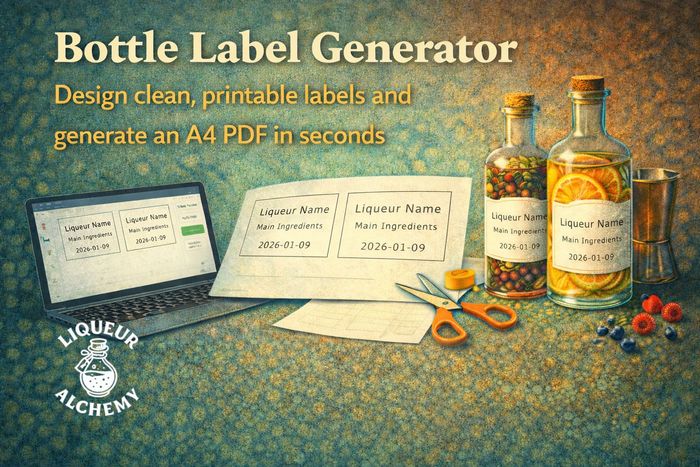
Bottle Label Generator preview

Bottle Label Generator

Create clean bottle labels with your liqueur name, batch details, date — ready for printing and gifting.
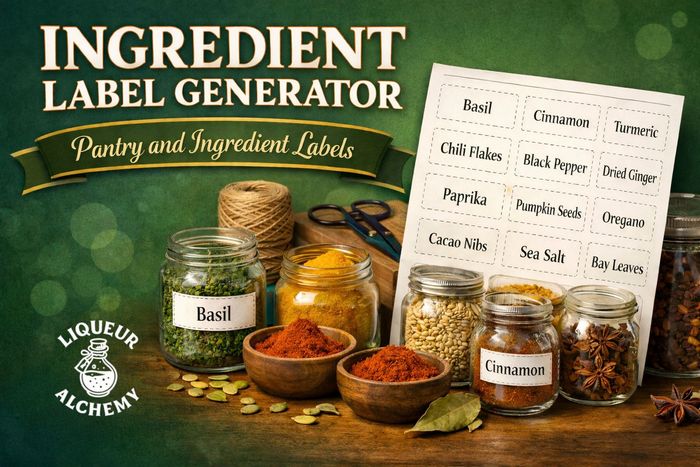
Ingredient Label Generator preview

Ingredient Label Generator

Label jars, containers, and storage bags to maintain clear organization from preparation through infusion and serving.
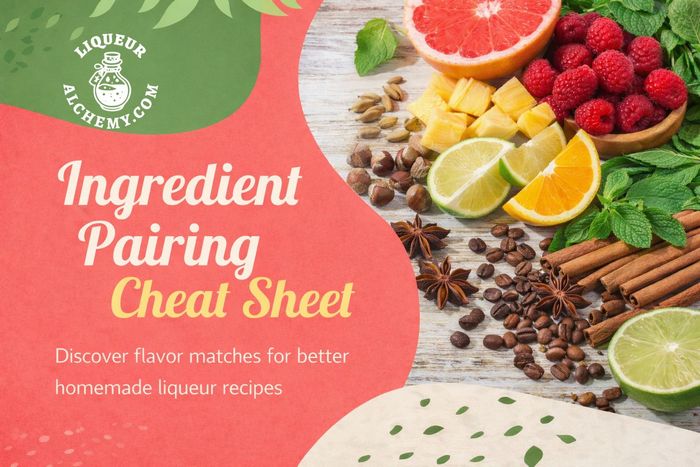
Ingredient pairing cheat sheet for creating balanced homemade liqueurs

Ingredient Pairing Cheat Sheet

Discover flavor combinations that create balanced, complex, and unique homemade liqueurs.