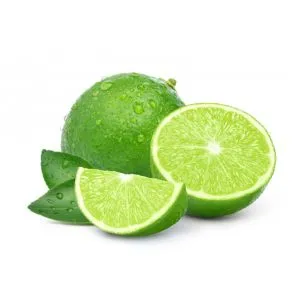
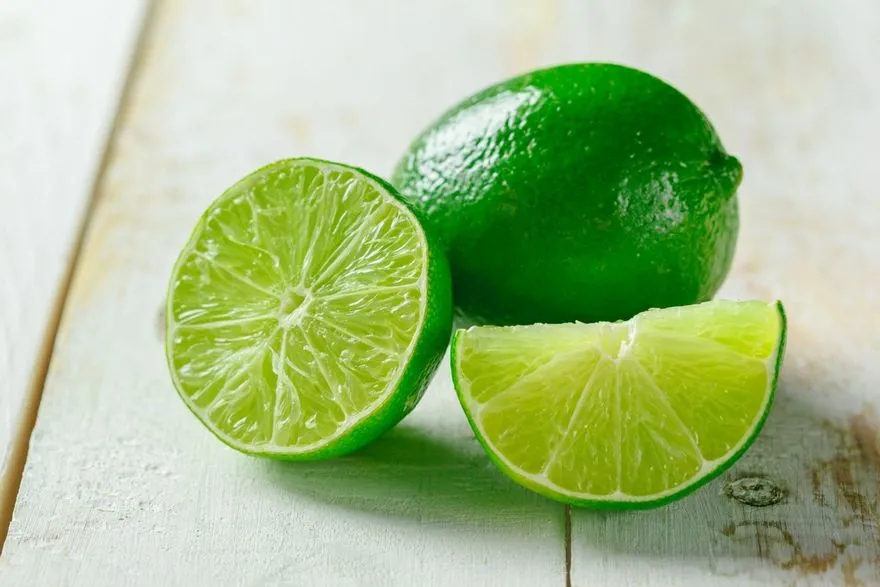
Lime

Lime for Liqueur Infusions – Flavor & Pairing Tips

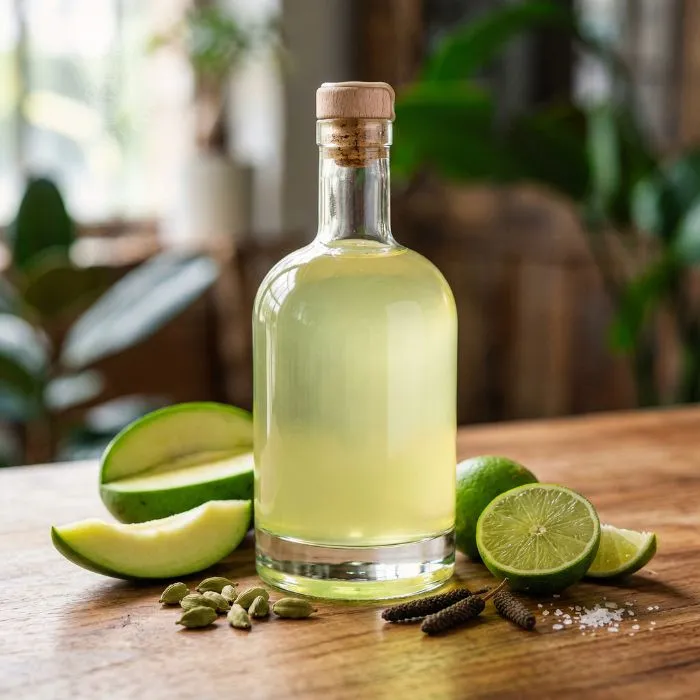
Lime brings energy and vibrancy to liqueurs. Its bright acidity cuts through sweetness, while aromatic oils from the zest add a fresh, floral lift. The juice enhances balance and clarity, creating a light, tangy backbone that pairs beautifully with herbs, berries, and tropical fruits. When used in moderation, lime contributes a refined tartness that enlivens the palate, making liqueurs taste cleaner, crisper, and more refreshing.

Lime

Home / Ingredients / Fruits / Lime

Lime Flavor Profile

Sharp citrus zest, bright acidity, fresh green aroma.
Lime Impact on Liqueurs

Adds crispness and energy; sharpens sweet and tropical liqueurs.

How to Use Lime?

Use zest only; peel of 2–3 limes per 1 L. Infuse 5–10 days.

Lime Pairing Suggestions

Vodka, White Sugar, Mint, Ginger, Honey, Basil, Cucumber, Lemon Peel
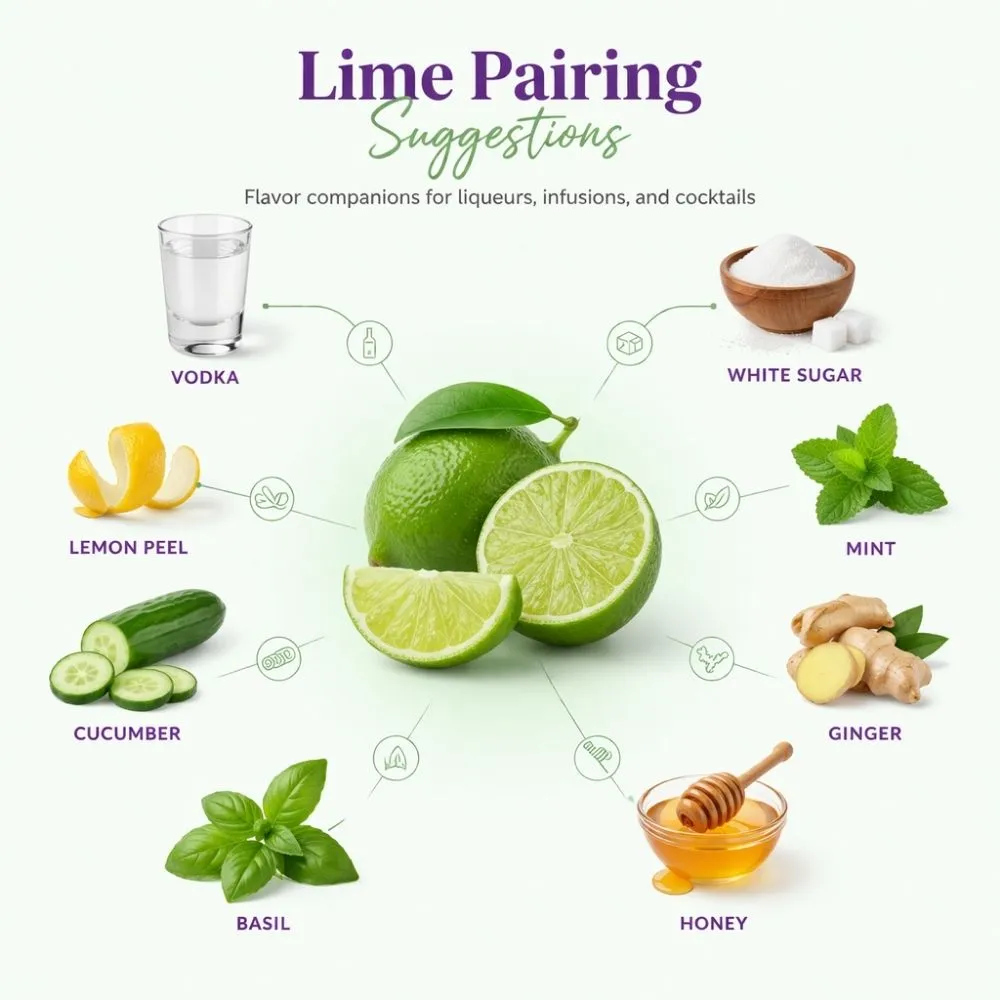
Lime pairing suggestions for liqueur making

Lime FAQ


Use only the green zest—no white pith. A sharp peeler or microplane is your best tool; if you see white, trim it away. Infuse zest in 50–60% ABV for quick, clean extraction; lime oils come out fast, often within 6–24 hours.

Timing and dosage: start with zest of 3–6 limes per liter, taste at 6 hours, and strain as soon as the aroma is bright. Longer steeping can pull waxy, bitter notes and can taste “cleaning-product” sharp. Add lime juice only after straining (and ideally right before bottling) because acidity plus alcohol can create haze and dull aroma.

Common mistakes: including pith, using pre-grated zest that oxidized, and leaving zest for days. Flavor impact should be punchy and aromatic; if it’s too sharp, blend down with neutral spirit and add sweetness slowly. Store dark and cool; citrus oils fade, so drink within a few months for peak lime snap.

Lime zest is one of the easiest things to over-infuse. Most of the bright oil extracts in the first few hours, so start tasting at 4–6 hours and plan to strain between 6–24 hours. Going multiple days often shifts the profile from fresh lime to bitter, waxy, and sometimes “cologne.”

Use higher proof (50–60% ABV) for fast extraction and better stability, then dilute/sweeten after straining. If you want a deeper citrus backbone, blend in a small amount of dried lime peel infusion (separately made) rather than leaving fresh zest too long.

Common mistakes include storing the jar in sunlight and using old, dry limes with dull oils. Prep matters: choose unwaxed fruit when possible, wash well, and zest right before infusing. Store finished bottles cool and dark; citrus top notes fade with heat and headspace.

The best method for extracting lime flavors involves using both the zest and juice. Start by zesting the lime to capture the essential oils, which provide intense aroma and flavor. Combine the zest with a neutral spirit to allow the oils to infuse effectively.

After zesting, juice the limes and add the juice to the mixture. This combination of zest and juice creates a harmonious balance of tartness and aromatic depth. Allow the mixture to steep for several days, shaking it occasionally to enhance the extraction process.

Finally, strain the mixture to remove the solids, resulting in a clear and flavorful liqueur. This method ensures that you capture the full spectrum of lime flavors, creating a vibrant and refreshing final product.

To avoid mistakes, always opt for fresh limes and juice them just before use. This ensures that you capture the full flavor and aroma, enhancing your liqueur's quality.

Additionally, taste your mixture as you go. This allows you to adjust the sweetness or acidity to achieve the desired balance, preventing an overly sour outcome.

Finally, consider experimenting with lime zest in your recipes. Adding zest can elevate the flavor profile, so don't skip this step to ensure a well-rounded and aromatic liqueur.

When preparing limes for liqueur making, start by thoroughly washing them to remove any wax or pesticides. Use a vegetable brush if necessary to ensure they are clean and ready for use.

Next, zest the limes before juicing them. The zest contains essential oils that add vibrant flavor to your liqueur. Use a microplane or zester to carefully remove the outer layer of the peel, avoiding the bitter white pith underneath.

Finally, juice the limes using a citrus juicer or by hand. Strain the juice to remove seeds and pulp, ensuring a smooth consistency for your liqueur. Combining both zest and juice will enhance the overall flavor profile of your creation.
Lime
Lime in Liqueur Crafting

More Fruits


RELATED RECIPES OF LIQUEUR ALCHEMY


Explore more creations from Liqueur Alchemy that share similar flavours, techniques, or ingredients. These related recipes offer fresh ideas and inspired combinations to help you craft your next bold, homemade spirit.

LIQUEUR ALCHEMY TOOLS & RESOURCES


Design labels in minutes—beautiful, practical, and ready to print. Choose a tool below to generate bottle or ingredient labels that match your Liqueur Alchemy workflow.
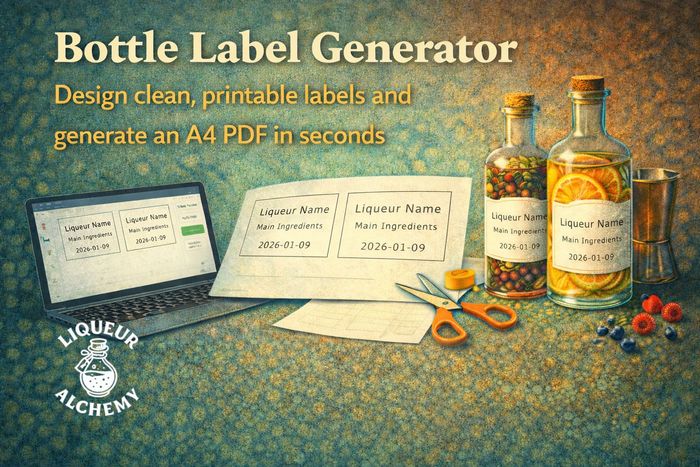
Bottle Label Generator preview

Bottle Label Generator

Create clean bottle labels with your liqueur name, batch details, date — ready for printing and gifting.
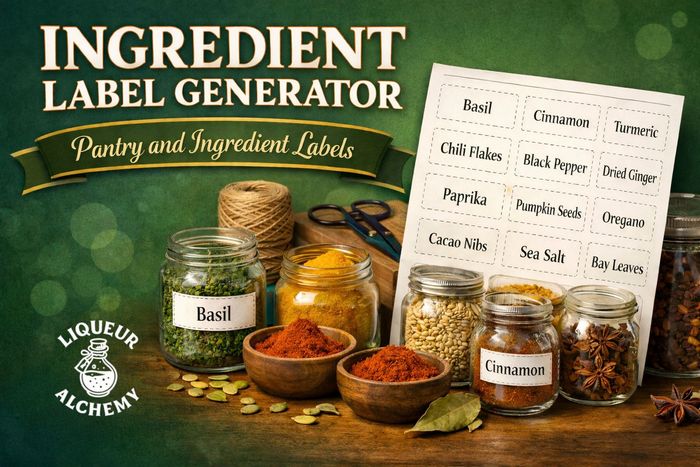
Ingredient Label Generator preview

Ingredient Label Generator

Label jars, containers, and storage bags to maintain clear organization from preparation through infusion and serving.
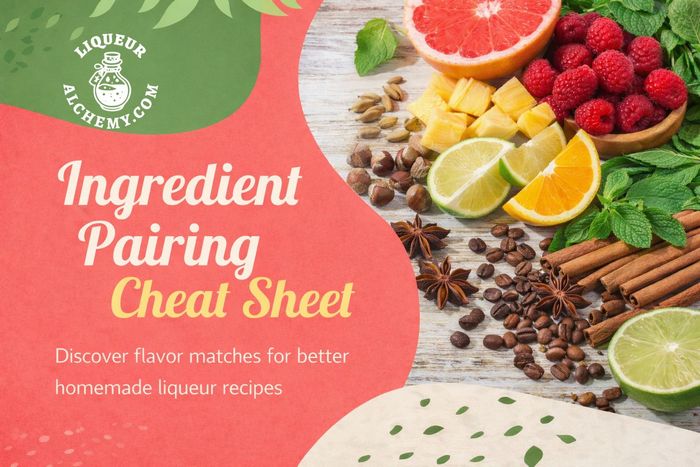
Ingredient pairing cheat sheet for creating balanced homemade liqueurs

Ingredient Pairing Cheat Sheet

Discover flavor combinations that create balanced, complex, and unique homemade liqueurs.