Dragon Fruit (Red)

Red Dragon Fruit for Liqueur Making: Colour, Flavour & Pairings

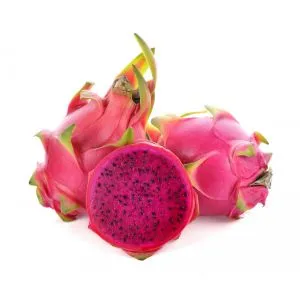
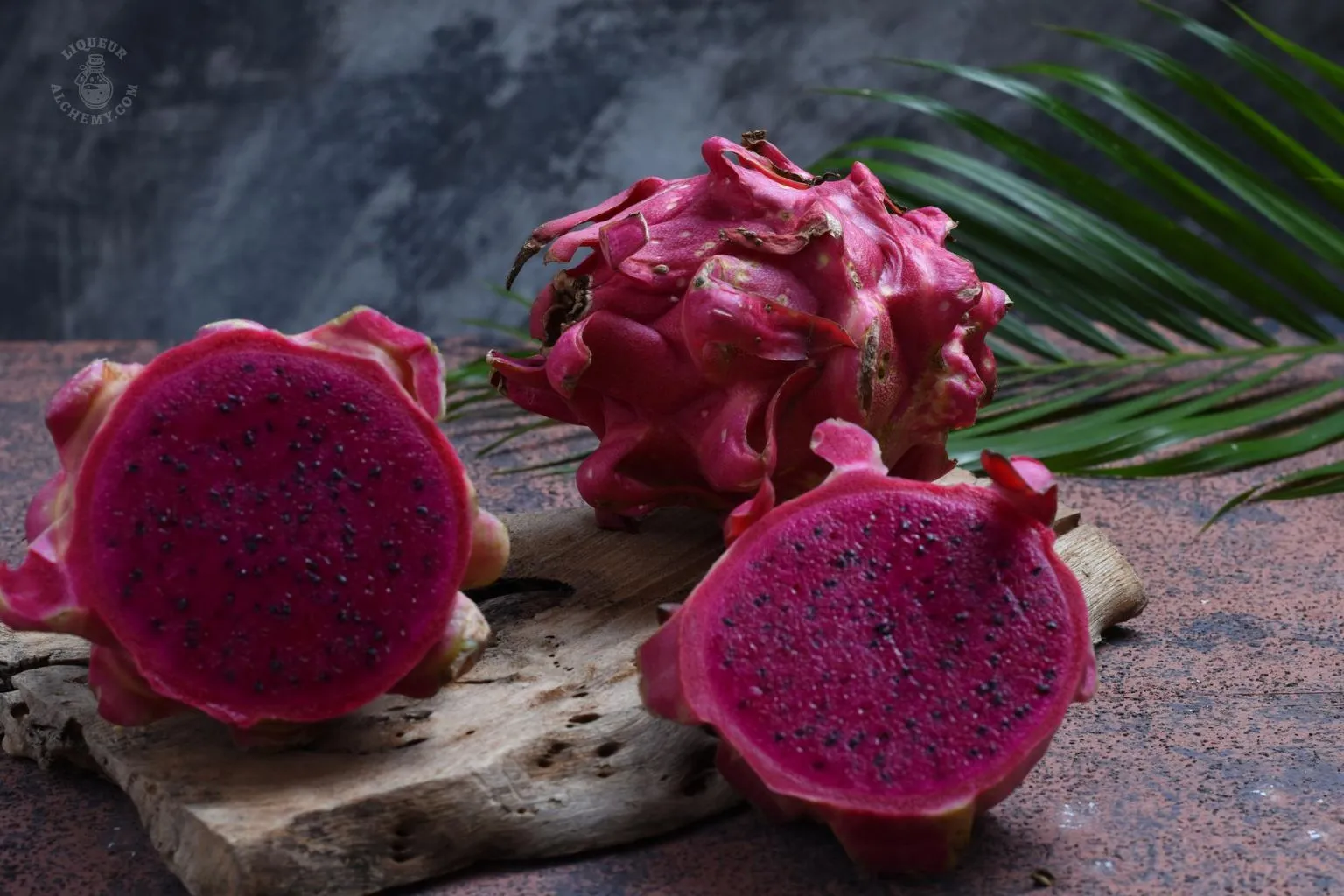
Red dragon fruit brings vivid ruby colour, gentle melon-like sweetness, mild earthiness, and a soft watery body to homemade liqueurs. It does not dominate, so it works best beside brighter partners such as lime, pineapple, hibiscus, ginger, or berry fruits. In infusion, it contributes visual appeal more than deep intensity, helping create striking bottles with a fresh tropical feel. Its subtle flavour rounds sharper citrus edges and supports lighter spirits without making the final drink feel heavy

Dragon Fruit (Red)

Home / Ingredients / Fruits / Dragon Fruit (Red)

Dragon Fruit (Red) Flavor Profile

Mildly sweet, juicy, melon-like, lightly earthy, fresh, delicate, and visually vibrant with subtle tropical character.
Dragon Fruit (Red) Impact on Liqueurs

Adds strong natural ruby-pink colour, light body, gentle sweetness, and a soft tropical base without overpowering supporting ingredients.

How to Use Dragon Fruit (Red)?

Use generous quantities for better flavour presence, as red dragon fruit is visually strong but taste-wise subtle. Pair with citrus, berries, florals, or gentle spice to build complexity. Best with clean spirits such as vodka, rice spirit, or light rum. Avoid long steeping with bitter citrus pith. Strain carefully, as the fruit breaks down easily and can cloud the liqueur.

Dragon Fruit (Red) Pairing Suggestions

Vodka, Rice Spirit, White Rum, Cane Sugar, Honey, Key Lime, Lime, Pineapple, Hibiscus, Ginger
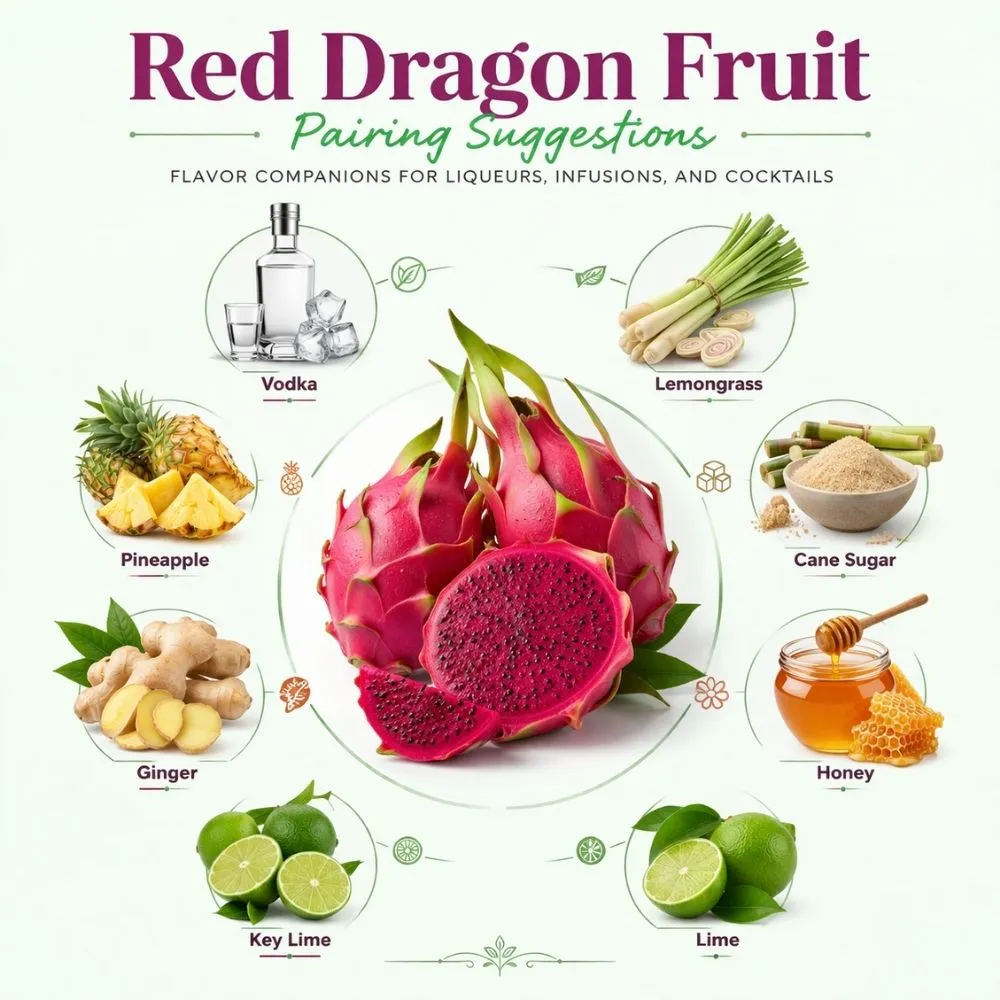
Dragon Fruit (Red) pairing suggestions for liqueur making

Dragon Fruit (Red) FAQ


Yes, you can make liqueur with red dragon fruit, but it behaves more like a visual and textural ingredient than a strongly aromatic one. In liqueur making, red dragon fruit contributes vivid color, mild melon-like freshness, soft earthiness, and a gentle juicy body. It is best used when you want a bright exotic profile or when you want to support other fruits rather than dominate the final flavor.

Extraction with red dragon fruit is relatively gentle because its flavor is delicate and its water content is high. A neutral base such as vodka usually works best because it lets the fruit show without interference. The fruit is often peeled, chopped, and added raw, then infused for a short to moderate period so the alcohol can capture color and light flavor without turning the batch dull or watery. Pairing it with lime peel, passion fruit, berries, or light floral notes often gives a more complete result.

The most common mistake is expecting dragon fruit to taste as intense in alcohol as it does visually. If you overload the jar with fruit and leave it too long, you may get more color than character, along with excess dilution from the fruit's moisture. Good preparation means using ripe, sweet fruit, removing the skin fully, keeping equipment clean, and storing the infusion in a cool dark place. If fresh fruit is unavailable, frozen red dragon fruit can be a workable substitute, though the aroma will still remain delicate.

View this Ingredient FAQ as a standalone page

Red dragon fruit adds striking magenta color, soft tropical freshness, and a gentle rounded body to homemade liqueur. Its flavor impact is usually mild rather than bold, so it is especially useful when appearance matters and when the goal is an elegant, modern fruit liqueur rather than a heavy, jammy one. In a balanced recipe, it can make the drink feel lighter, brighter, and more visually memorable.

In terms of flavor structure, red dragon fruit tends to sit in the background. It can soften sharper ingredients and help carry citrus, berry, floral, or lightly spiced notes without fighting them. This makes it a good supporting ingredient for vodka-based liqueurs and a possible companion to white rum or light rice spirit when used carefully. If substitution is needed, red prickly pear, watermelon, or mild berries may help replace some color or freshness, although none will match it exactly.

The main mistake is using red dragon fruit as if it were a high-intensity flavor source like sour cherry, blackberry, or blackcurrant. It needs smart dosage, usually enough to give color and body but not so much that the spirit becomes thin. Use ripe flesh, avoid damaged fruit, and strain thoroughly because the pulp and seeds can leave sediment. Once bottled, store the liqueur in a cool dark place so its color and fresher notes hold up as well as possible during maturation.

View this Ingredient FAQ as a standalone page

Red dragon fruit often extracts strong color but weak flavor because its pigment compounds move into alcohol more easily than its aromatic components build noticeable intensity. The flesh contains striking natural color, especially in ripe red varieties, but the taste itself is mild, with only light sweetness, faint melon-like notes, and a soft watery freshness. As a result, the infusion can look dramatic long before it tastes concentrated.

Another reason is dilution. Red dragon fruit has high water content, so when a large quantity is added to alcohol, the fruit can contribute moisture faster than depth. This gives the liqueur a softer body and attractive hue, but not the bold fruit character people often expect from the appearance. Compared with sour cherry, blackberry, or blackcurrant, dragon fruit is naturally much less forceful in aroma and acidity.

To work around this, many makers pair red dragon fruit with supportive ingredients such as lime, raspberry, hibiscus, vanilla, or light citrus peel. Those additions help build a fuller final profile while the dragon fruit contributes color and smoothness. The main mistake is assuming appearance equals flavor intensity, when in fact dragon fruit usually needs recipe support to feel complete.

View this Ingredient FAQ as a standalone page

The fruits that best replicate the color and texture of red dragon fruit in liqueurs are usually red prickly pear, pomegranate, watermelon, and certain soft berries used carefully. Red prickly pear comes closest visually because it can bring a similar saturated pink-red tone and smooth fruit body. Pomegranate can also contribute strong color, though it is sharper and more tannic, so the final result is usually brighter and more structured than dragon fruit.

Watermelon can help mimic the high-moisture softness and gentle mouthfeel, but it lacks dragon fruit's color unless combined with another ingredient. Raspberries or strawberries may support both body and fruit presence, but they introduce a much clearer berry identity. Because dragon fruit is subtle, using a stronger fruit alone may reproduce the look while changing the taste more than expected.

In practical recipe development, combinations often work best. A color-rich fruit plus a milder juicy fruit can come closer to the visual and textural effect of dragon fruit than a single ingredient can. Keep in mind that substitutes may need shorter or longer infusion times, and they may also need different sugar adjustment because their acidity and flavor concentration are usually stronger.

View this Ingredient FAQ as a standalone page

A practical starting range for red dragon fruit in homemade liqueur is often around 400 to 800 grams of prepared fruit per liter of alcohol, depending on how much color, body, and gentle fruit character you want. At the lower end, the fruit acts more like a subtle accent. At the higher end, the liqueur becomes more visually striking and softer in texture, but not necessarily much stronger in flavor.

Because dragon fruit contains a lot of water, using very large amounts can thin the spirit and produce a diluted feeling unless the recipe is structured carefully. If the fruit is meant to support stronger companions such as citrus, berries, or spices, a moderate dose is usually more effective than a heavy one. When used alone, makers sometimes overcompensate with quantity, expecting more flavor intensity, but the gain is often smaller than expected.

The safest approach is to start in the middle, assess the infusion after several days, and adjust in future batches rather than forcing concentration through excess fruit. Keep the fruit peeled and cut evenly so extraction is more consistent. Good dosage is about balance, not maximum load, especially with an ingredient whose visual impact can easily outpace its flavor contribution.

View this Ingredient FAQ as a standalone page

Dragon Fruit (Red)
Dragon Fruit (Red) in Liqueur Crafting

More Fruits


LIQUEUR ALCHEMY TOOLS & RESOURCES


Design labels in minutes—beautiful, practical, and ready to print. Choose a tool below to generate bottle or ingredient labels that match your Liqueur Alchemy workflow.
Bottle Label Generator preview

Bottle Label Generator

Create clean bottle labels with your liqueur name, batch details, date — ready for printing and gifting.
Ingredient Label Generator preview

Ingredient Label Generator

Label jars, containers, and storage bags to maintain clear organization from preparation through infusion and serving.

Ingredient pairing cheat sheet for creating balanced homemade liqueurs

Ingredient Pairing Cheat Sheet

Discover flavor combinations that create balanced, complex, and unique homemade liqueurs.