Marian Blackout

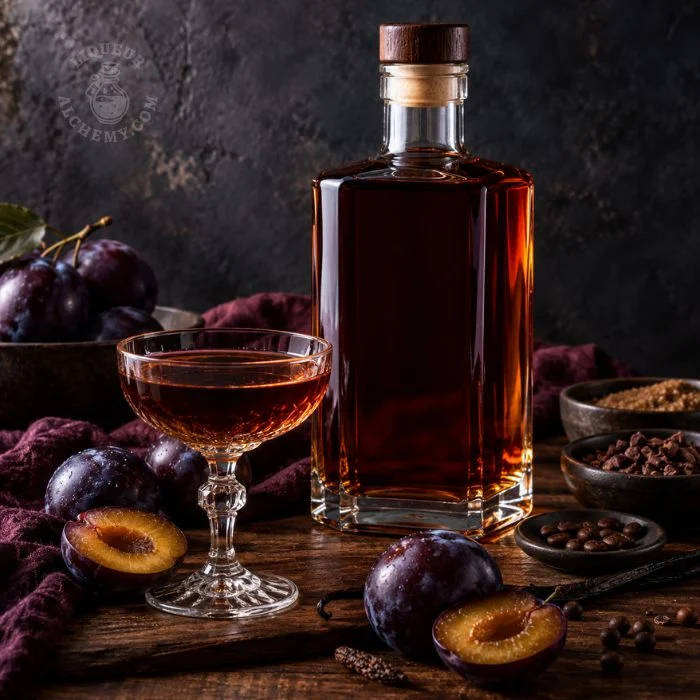
Dark Rum Liqueur with Marian Plums, Warm Spice & Lime Zest

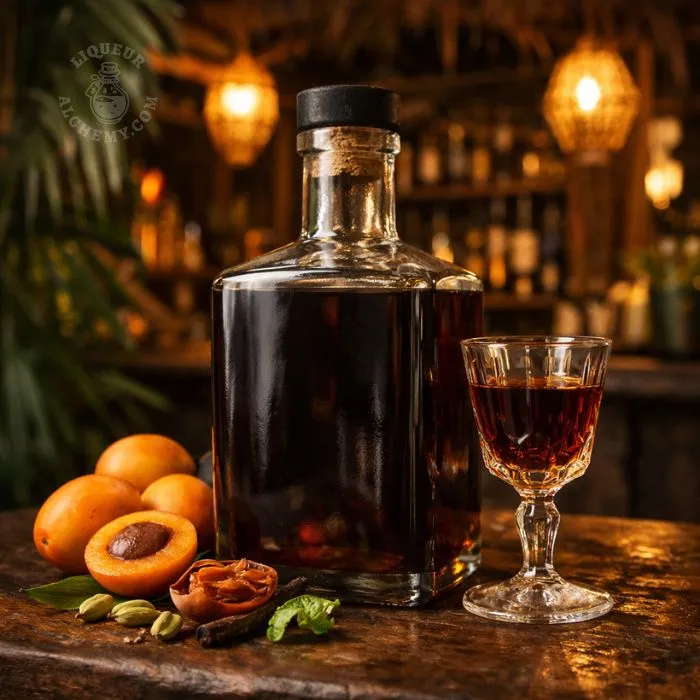
Marian Blackout is a rich and complex liqueur that combines the deep sweetness of ripe bananas with the warm spices of cinnamon, cloves, and cardamom. The dark rum base adds a robust character, while the hint of chili and coffee beans introduces an intriguing depth, creating a harmonious balance of flavors that is both comforting and adventurous.

Main notes

  • Dark Rum
  • Marian Plums

Ingredients

  • Dark Rum — 1 L
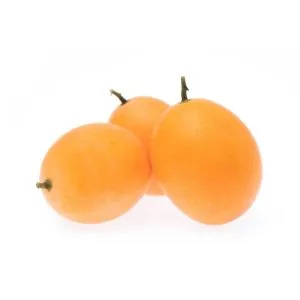
  • Marian Plums (pitted) — 900 g
  • Cane Sugar — 150 g
  • White sugar — 30 g
  • Mace — 1 blade
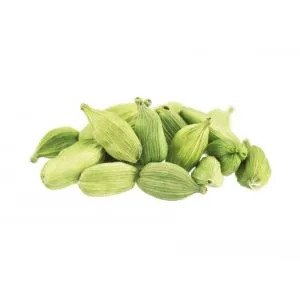
  • Cardamom — 2 pods, lightly crushed
  • Lime – Zest ½ lime

Preparation

  1. Wash and pit the Marian plums, then gently crush to release juice without mashing.
  2. Place the prepared plums into a large, clean glass jar.
  3. Add the mace blade and lightly crushed cardamom pods.
  4. Add thin strips of lime zest, avoiding all white pith.
  5. Pour the dark rum over the ingredients, fully submerging them.
  6. Seal the jar and store in a cool, dark place.
  7. Gently shake every few days during a 4–6 week maceration.
  8. Strain the liquid, pressing the fruit lightly.
  9. Stir in both sugars until dissolved, bottle, and age for at least 2 months.
Download

The Story

Marian Blackout was born after dark, when sweetness turns serious and fruit shows its darker side. Ripe Marian plums release a sharp, wine-like depth, their skins lending tension and bite beneath the surface. Dark rum wraps the fruit in molasses warmth, while cane sugar smooths the edges without softening the mood. Mace and cardamom hum quietly in the background — resinous, warm, restrained. A thin strip of lime zest cuts through the weight, keeping the liqueur awake and alive. This is a slow pour, meant to sit with you, deepen over time, and disappear quietly into the night.

Who is "Marian Blackout" Liqueur for?

For dark, dramatic sippers who love banana rum pushed into night mode with coffee depth, spice heat, and a heavy, decadent finish. Ideal for bold palates and slow, late pours when you want something rich, roasted, and slightly dangerous.

"Marian Blackout" Liqueur Serving Suggestions

Serve lightly chilled in a small snifter. Best as a late-night pour. Let it rest in the glass to open coffee and spice. If it feels intense, add one clear ice cube to soften heat and bring banana forward without changing the mood.

Why the Name "Marian Blackout"?

The name 'Marian Blackout' draws inspiration from the enchanting allure of nighttime gatherings where secrets and stories unfold. It hints at the liqueur's dark, mysterious character, reminiscent of the deep hues of twilight. The 'Marian' part pays homage to the tropical origins of the bananas, evoking a sense of place and adventure within each sip.

Testing Notes

During the recipe development, we found that allowing the mixture to macerate for the full 6 weeks enhances the flavor complexity significantly. The balance of sweetness and spice is crucial; adjusting the sugar levels can yield different profiles. The addition of salt at the end surprisingly elevates the overall taste, making the liqueur more rounded.

Marian Blackout Liqueur FAQ


In a dark rum base with chili, pepper, clove, and multiple sugars, intensity can stack fast. Too much sweetness makes the finish heavy and hides aroma. Too much spice makes it feel medicinal or burning. The goal is a rich sip that stays clear and aromatic.

Start with dilution, not more sweetness. A small dilution can calm heat, reduce density, and lift banana and vanilla notes at the same time. If sweetness is still high, resist the urge to add acid aggressively; instead, let resting settle the profile, then fine-tune with tiny, careful adjustments.

Resting is the secret weapon. After a couple of weeks, spice edges soften and sweetness feels more integrated. Re-taste chilled and adjust only in small increments. Over-correcting is the main mistake with dense dessert liqueurs; give the liquid time to do the work for you.

Banana aroma is delicate and can be masked by coffee bitterness, spice intensity, or heavy sweetness. Warm storage also speeds aroma loss, and fine banana solids can make the batch feel muddy, which further hides fragrance. Often the banana is still there, but it is covered.

First, strain thoroughly and let the liqueur rest. Integration can reveal banana again after harsh roast edges soften. Next, try a small dilution; lifting the aroma and lowering density often makes banana more obvious. Avoid adding more coffee or spice, which usually makes the problem worse.

If banana remains faint after resting, a short secondary infusion can help: a brief, controlled contact with fresh ripe banana, then quick straining. This gives a fresh top note without long extraction that can create heaviness. Finish with another rest so the new banana note settles into the base.

Coffee flavor can be beautiful in rum, but bitterness builds quickly once extraction goes past the sweet spot. In a sweet, spiced base, that bitterness can feel like dry ash and will overshadow banana. The goal is mocha-like roast, not harsh coffee.

Remove coffee as soon as the aroma is clearly present and the taste reads chocolatey and round. Do not wait for a strong espresso punch; by that point bitterness may already be rising. After removal, rest the liqueur because roast notes often intensify slightly as flavors integrate.

If bitterness appears, strain immediately and rest. A small dilution helps soften the roast edge and lifts fruit aroma. Avoid adding more sugar to cover bitterness; it tends to create a sticky bitter-sweet. Time, dilution, and filtration are the cleaner fixes.

RALETED RECIPES OF LIQUEUR ALCHEMY


Explore more creations from Liqueur Alchemy that share similar flavours, techniques, or ingredients. These related recipes offer fresh ideas and inspired combinations to help you craft your next bold, homemade spirit.