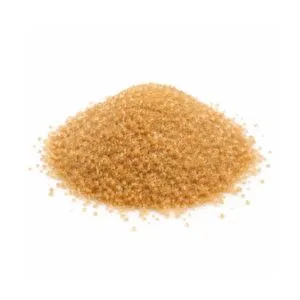
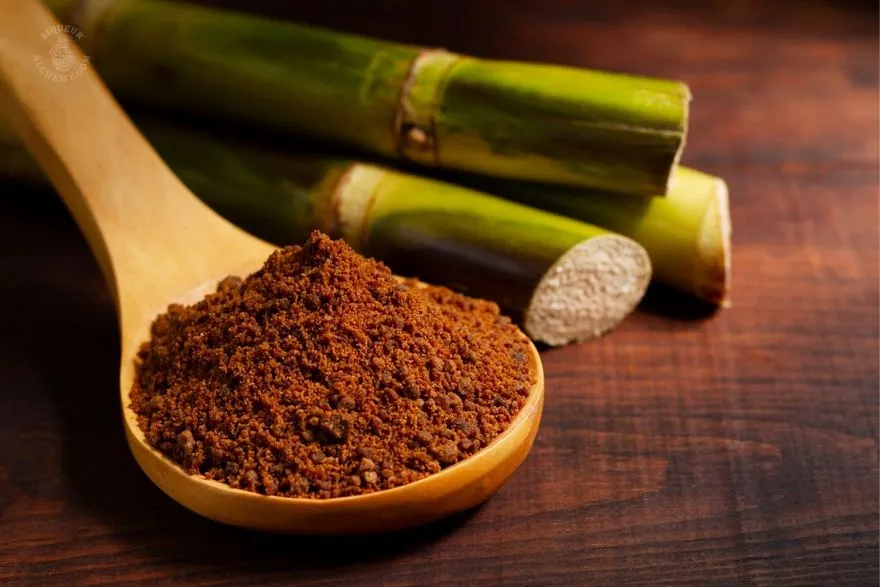
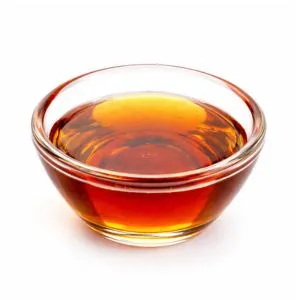
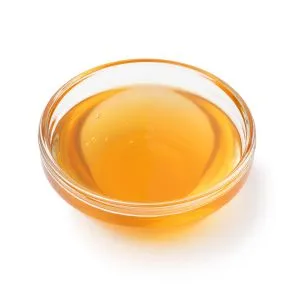
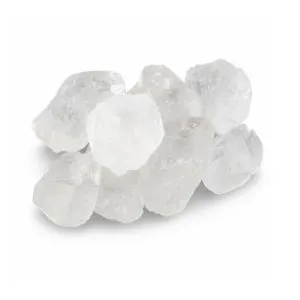
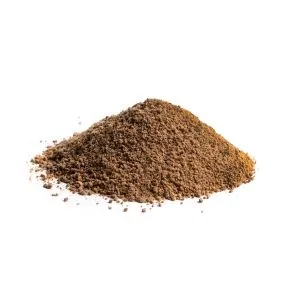
Cane Sugar

Cane Sugar in Liqueurs: Warm Sweetness, Depth, and Golden Richness

Cane sugar brings warmer sweetness than white sugar, often reading as light caramel. It deepens fruit profiles, especially tropical fruits and citrus, while softening alcohol bite. Ideal when you want clean sweetness with a touch of character. Dissolve into syrup, add after infusion, and rest 1–2 weeks for full integration.

Cane Sugar

Home / Ingredients / Sugars & Sweeteners / Cane Sugar

Cane Sugar Flavor Profile

warm, caramel-leaning, sweet
Cane Sugar Impact on Liqueurs

Adds warm depth and golden richness; supports fruit-forward profiles.

How to Use Cane Sugar?

Dissolve into syrup and add after infusion; rest before final tasting.

Cane Sugar Pairing Suggestions

Vodka, Rum, Brandy, Lemon Peel, Vanilla, Cinnamon, Ginger, Honey
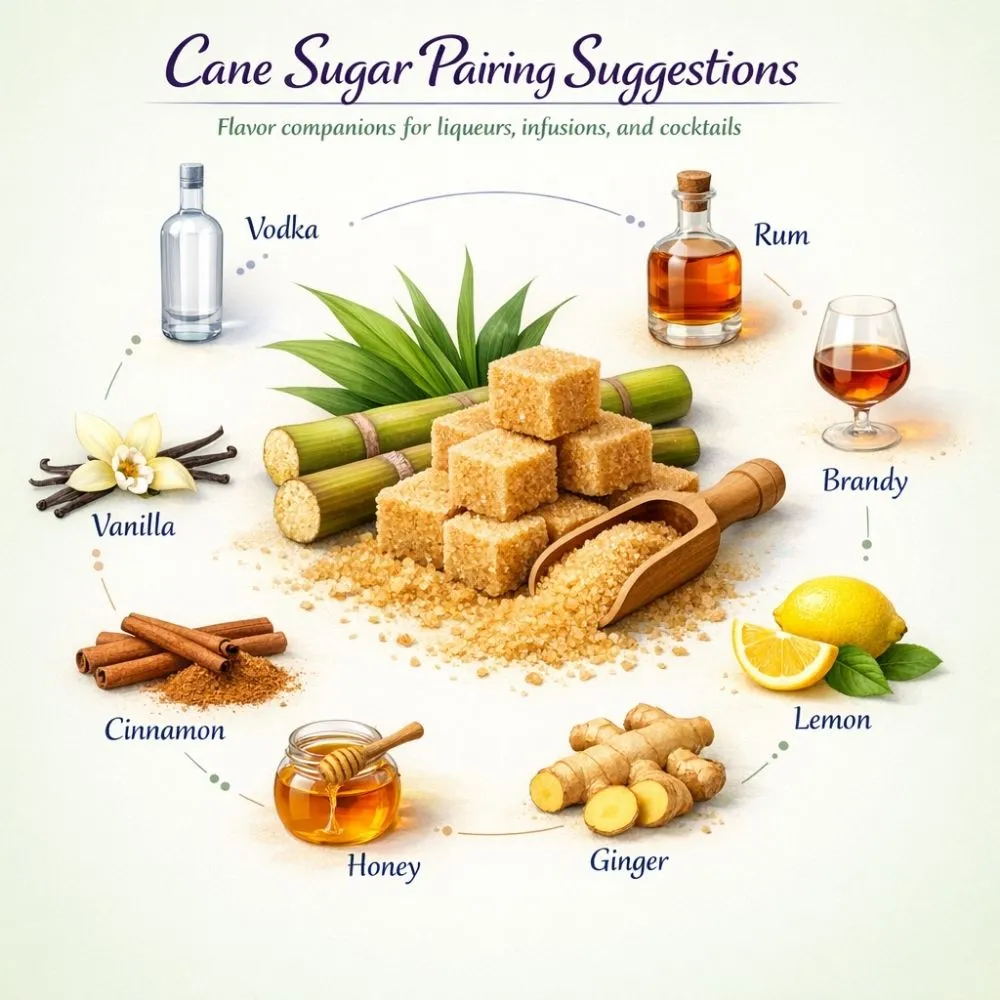
Cane Sugar pairing suggestions for liqueur making

Cane Sugar FAQ


Cane sugar often adds a faint caramel/rum-like note and a warmer sweetness, especially if it’s less refined than standard white sugar. In fruit and spice liqueurs, that extra warmth can make flavors feel rounder and less sharp.

It pairs well with citrus, vanilla, cinnamon, coffee, and tropical fruits. For delicate florals or very bright berries, cane sugar can slightly “brown” the profile—sometimes great, sometimes muddy.

Common mistake: using cane sugar to fix bitterness. It can soften edges, but if your bitterness is from pith or over-extraction, you’ll get a sweet-bitter liqueur. Fix the extraction first (remove pith, shorten peel time), then sweeten.

Syrup is usually best for speed and consistency, especially above ~35–40% ABV where sugar dissolves slower. A 1:1 syrup (by weight) gives predictable dosing and minimizes graininess.

Direct-to-jar works if you’re patient and you shake gently daily until fully dissolved. If you do this, weigh the sugar and plan extra time before “final taste” so you don’t accidentally add more while undissolved sugar is still hiding at the bottom.

Common mistake: using very hot syrup and adding it straight into alcohol. Always cool the syrup fully—hot additions can drive off aroma and sometimes cause haze.

Several factors influence the extraction behavior of cane sugar in liqueur making. The temperature of the mixture plays a crucial role, as higher temperatures increase the solubility of cane sugar, leading to faster dissolution.

The type of alcohol used can also impact extraction. Different alcohols have varying solvent properties, which can affect how well cane sugar integrates into the liqueur, influencing both sweetness and flavor complexity.

Additionally, the particle size of the cane sugar can affect extraction efficiency. Finer sugar particles dissolve more quickly than larger ones, allowing for a more rapid infusion of sweetness and flavor into the liqueur.

Yes, artificial sweeteners can be used as a substitute for cane sugar in liqueur making. Options like stevia, sucralose, or erythritol are popular choices. They provide sweetness without the calories associated with cane sugar.

However, it's important to note that these sweeteners can vary significantly in sweetness levels and taste. For instance, stevia is much sweeter than cane sugar, so you will need to adjust the quantity used to avoid an overly sweet liqueur.

Additionally, some artificial sweeteners may leave an aftertaste that could affect the overall flavor of your liqueur. Experimenting with different types will help you find the right balance for your specific recipe.

The amount of cane sugar to use can vary based on personal preference and the type of liqueur being made. A common starting point is around 1 cup of sugar per liter of base spirit. This provides a balanced sweetness without overpowering the other flavors.

It's essential to taste and adjust as you go. If you're making a fruit-based liqueur, you may want to use less sugar initially, as the natural sweetness of the fruit can enhance the overall flavor. Always remember that you can add more sugar later, but it's challenging to reduce sweetness once it's been added.

Consider the final use of your liqueur as well. If it's intended for cocktails, a slightly lower sugar content might be preferable, while sipping liqueurs can benefit from a richer sweetness. Experimentation is key to finding your ideal balance.
Cane Sugar
Cane Sugar in Liqueur Crafting

More Sugars & Sweeteners


RELATED RECIPES OF LIQUEUR ALCHEMY


Explore more creations from Liqueur Alchemy that share similar flavours, techniques, or ingredients. These related recipes offer fresh ideas and inspired combinations to help you craft your next bold, homemade spirit.

LIQUEUR ALCHEMY TOOLS & RESOURCES


Design labels in minutes—beautiful, practical, and ready to print. Choose a tool below to generate bottle or ingredient labels that match your Liqueur Alchemy workflow.
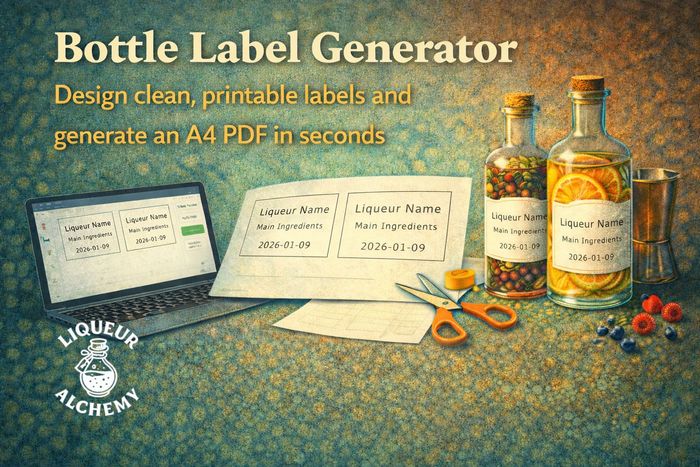
Bottle Label Generator preview

Bottle Label Generator

Create clean bottle labels with your liqueur name, batch details, date — ready for printing and gifting.
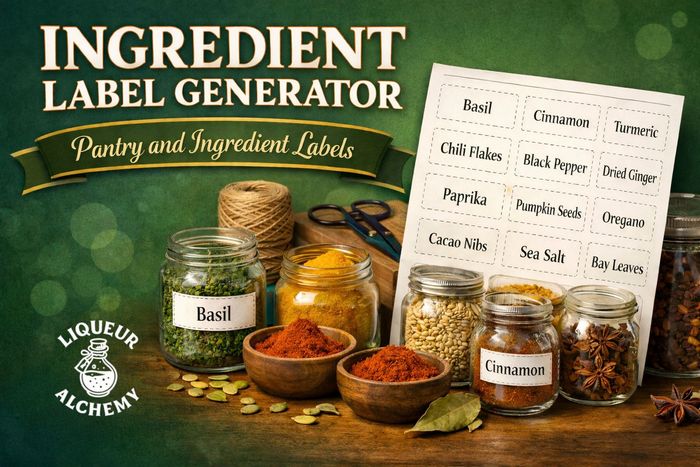
Ingredient Label Generator preview

Ingredient Label Generator

Label jars, containers, and storage bags to maintain clear organization from preparation through infusion and serving.
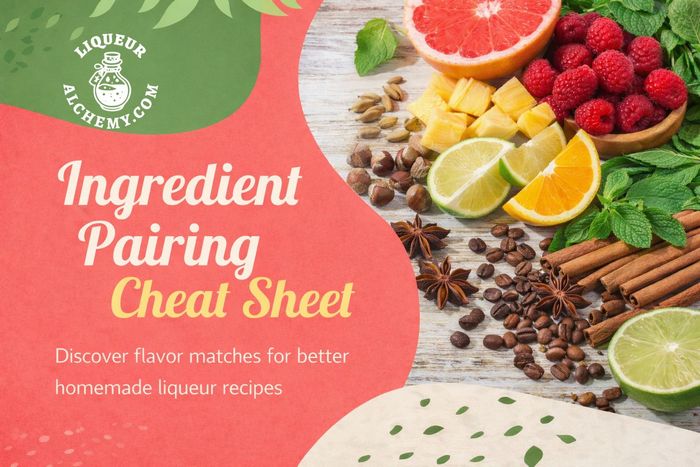
Ingredient pairing cheat sheet for creating balanced homemade liqueurs

Ingredient Pairing Cheat Sheet

Discover flavor combinations that create balanced, complex, and unique homemade liqueurs.