Mace

Mace for Liqueur Infusions – Flavor & Pairing Tips

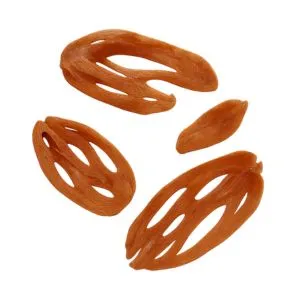
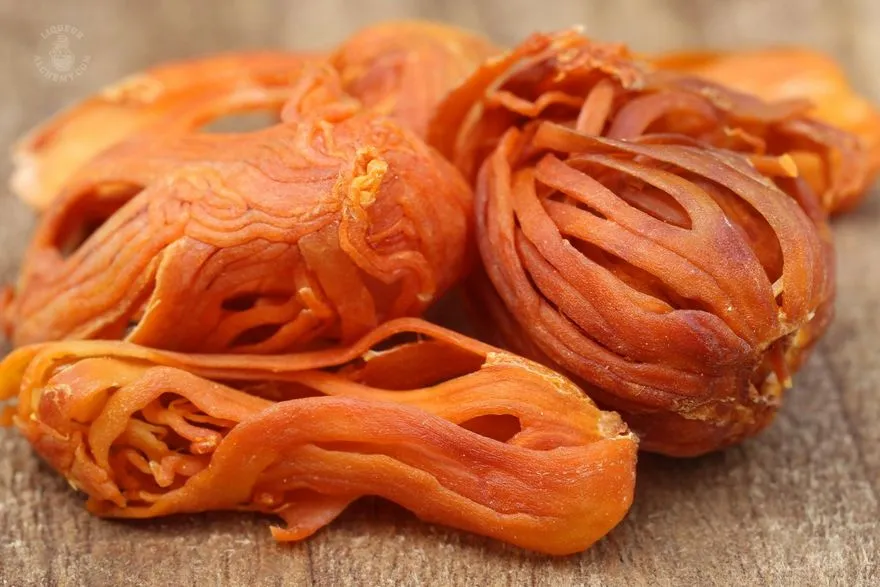
Derived from the lacy outer shell of nutmeg, mace delivers a gentler, more floral spice character. It introduces depth and sophistication, lending warmth without heaviness. Its fragrance unfolds gradually, enhancing both fruit- and cream-based liqueurs. Mace combines beautifully with citrus, coffee, or vanilla, producing subtle elegance in aroma and taste. Its delicate complexity leaves a lingering warmth, making each sip feel rich yet balanced.

Mace

Home / Ingredients / Spices & Aromatics / Mace

Mace Flavor Profile

Warm aromatic spice, floral nutmeg notes with gentle peppery heat.

Mace Impact on Liqueurs

Adds refined spice warmth and complexity without overpowering sweetness.

How to Use Mace?

Use broken blades; 1–2 pieces per 1 L. Infuse 7–14 days in rum or brandy.

Mace Pairing Suggestions

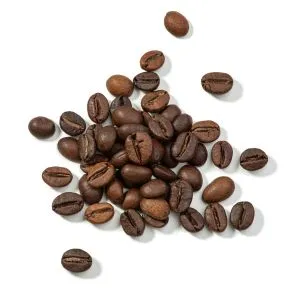
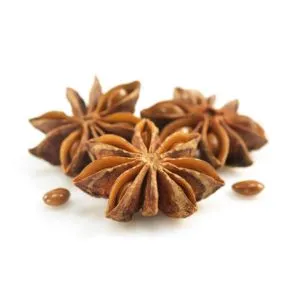
Rum, Brown Sugar, Cinnamon, Clove, Orange Peel, Vanilla, Nutmeg, Ginger
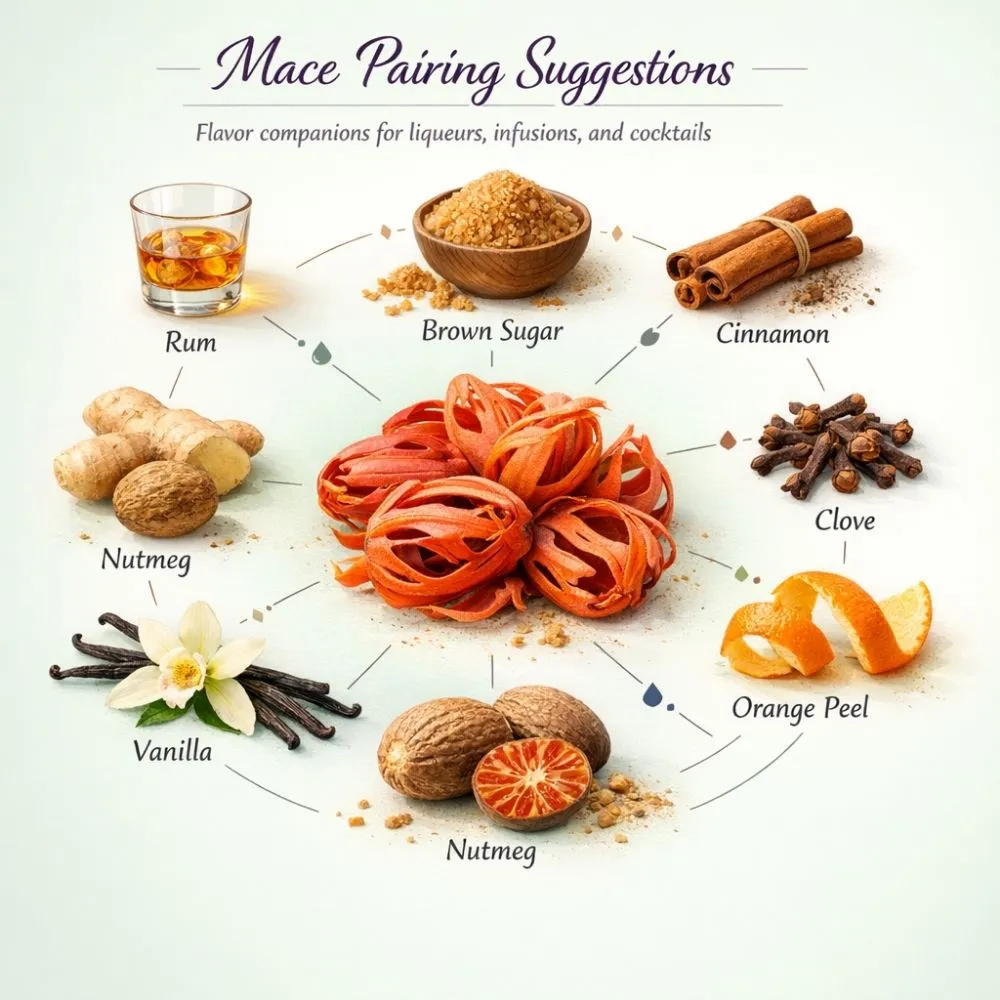
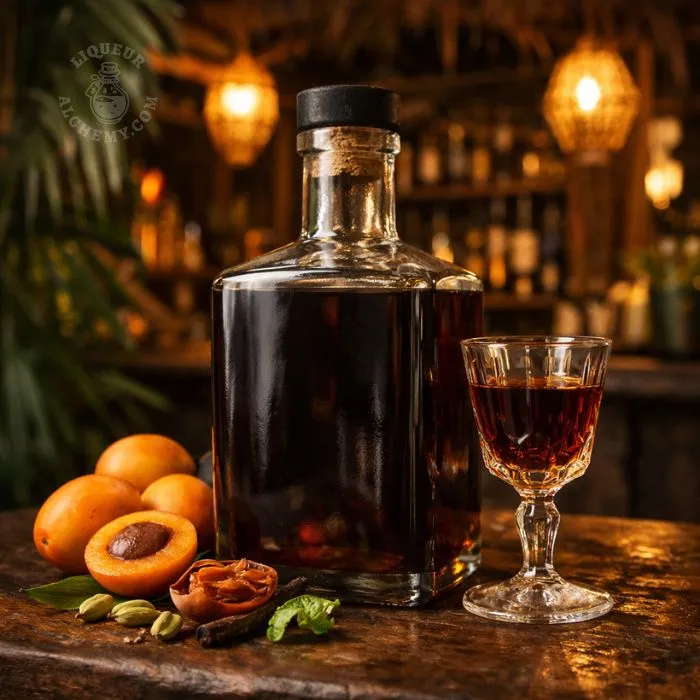
Mace pairing suggestions for liqueur making

Mace FAQ


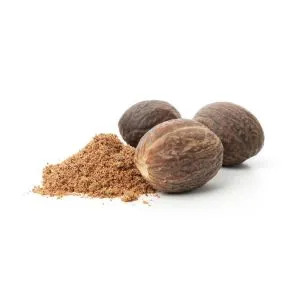
Mace and nutmeg come from the same fruit, but mace is the lacy aril and tastes brighter, more floral, and slightly peppery. Nutmeg is rounder and sweeter with a heavier “bakery” note. In liqueurs, mace is great when you want lift and elegance without the dense, dusty feel nutmeg can bring.

Extraction is quick: use 40–50% ABV and start with ½–1 tsp crushed mace blades per liter (or 1–2 small pieces). Taste at 12 hours and plan to strain within 24–72 hours. If you want more, add in small steps—mace can jump from “perfume” to “medicine” fast.

Common mistakes include using ground mace (hard to filter) and leaving it for weeks. Flavor impact pairs beautifully with citrus, stone fruits, vanilla, and honey. Store mace airtight; it loses aroma quickly when exposed to air and light.

Add mace near the end, or infuse it separately and blend. Fruit and botanicals often need days; mace often needs hours to a couple of days. Keeping it late gives you control and reduces the risk of it dominating.

A reliable approach is two-step: first extract your main ingredient, strain, then add mace for 12–48 hours with frequent tasting. If you’re building a complex spice profile, add mace last because it sits high in the aroma and can mask everything underneath.

Common mistakes include “set-and-forget” steeping and using too much along with other warm spices. Flavor impact is best as a lift—think citrusy warmth and floral spice rather than full nutmeg heaviness. Store mace properly; stale blades taste woody and flat.

The extraction of mace in liqueurs is influenced by several key factors, including the form of mace used and the type of alcohol employed. Whole mace pieces may require longer extraction times compared to ground mace, which releases its flavors more quickly. The choice of alcohol, whether neutral or flavored, also plays a significant role in how well mace's characteristics are extracted.

Temperature is another critical factor. Warmer temperatures can enhance the solubility of mace's essential oils, leading to a more robust extraction. However, excessive heat may alter the flavor profile, so it's important to find a balance that suits your recipe.

Lastly, the duration of extraction is vital. A longer steeping process can yield a more pronounced flavor, but it's essential to taste regularly to avoid overwhelming the liqueur. Adjusting these variables will help achieve the desired mace flavor in your craft liqueurs.

The recommended dosage of mace in liqueur recipes typically ranges from 0.5 to 1 gram per liter of base spirit. This amount allows for a subtle yet distinct flavor without overwhelming the other ingredients. Adjust according to your personal taste preferences.

It's essential to start with a smaller amount and increase gradually if needed. Mace has a potent flavor, and a little can go a long way. Always taste your liqueur as it infuses to find the right balance.

Remember that the potency of mace can vary based on its freshness and form. Whole mace may provide a different intensity compared to ground mace, so adjust your measurements accordingly for the best results.

Yes, mace can be replaced with several other spices depending on the flavor you want to achieve. Cloves are a strong alternative, offering a warm and sweet flavor that can enhance your liqueur. Use them sparingly, as their potency can easily overpower other ingredients.

Ginger is another excellent substitute, providing a zesty kick that can complement the sweetness of your liqueur. It works particularly well in spiced liqueurs, adding a fresh and lively note. Start with a smaller amount and adjust to taste.

Lastly, consider using star anise for a unique flavor profile. Its licorice-like taste can add a distinct twist to your liqueur. Use it in moderation, as its strong flavor can dominate the mix if overused.
Mace
Mace in Liqueur Crafting

More Spices & Aromatics


RELATED RECIPES OF LIQUEUR ALCHEMY


Explore more creations from Liqueur Alchemy that share similar flavours, techniques, or ingredients. These related recipes offer fresh ideas and inspired combinations to help you craft your next bold, homemade spirit.

LIQUEUR ALCHEMY TOOLS & RESOURCES


Design labels in minutes—beautiful, practical, and ready to print. Choose a tool below to generate bottle or ingredient labels that match your Liqueur Alchemy workflow.

Bottle Label Generator preview

Bottle Label Generator

Create clean bottle labels with your liqueur name, batch details, date — ready for printing and gifting.
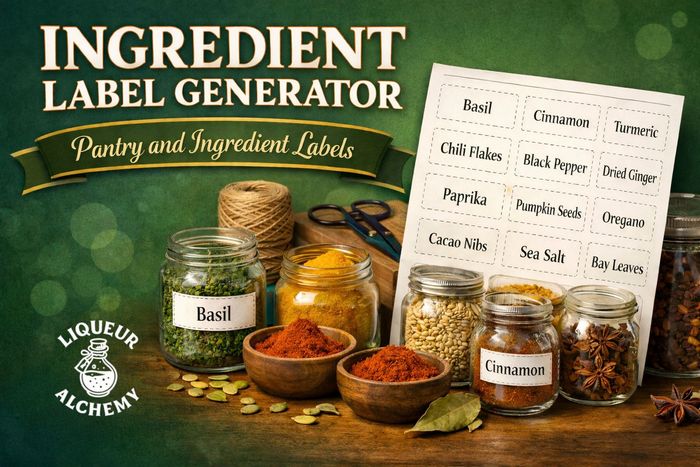
Ingredient Label Generator preview

Ingredient Label Generator

Label jars, containers, and storage bags to maintain clear organization from preparation through infusion and serving.

Ingredient pairing cheat sheet for creating balanced homemade liqueurs

Ingredient Pairing Cheat Sheet

Discover flavor combinations that create balanced, complex, and unique homemade liqueurs.