Cardamom

Cardamom for Liqueur Infusions – Flavor & Pairing Tips

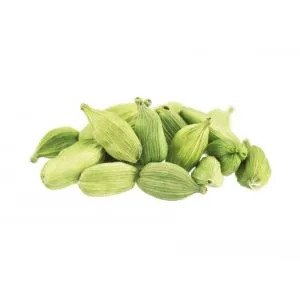
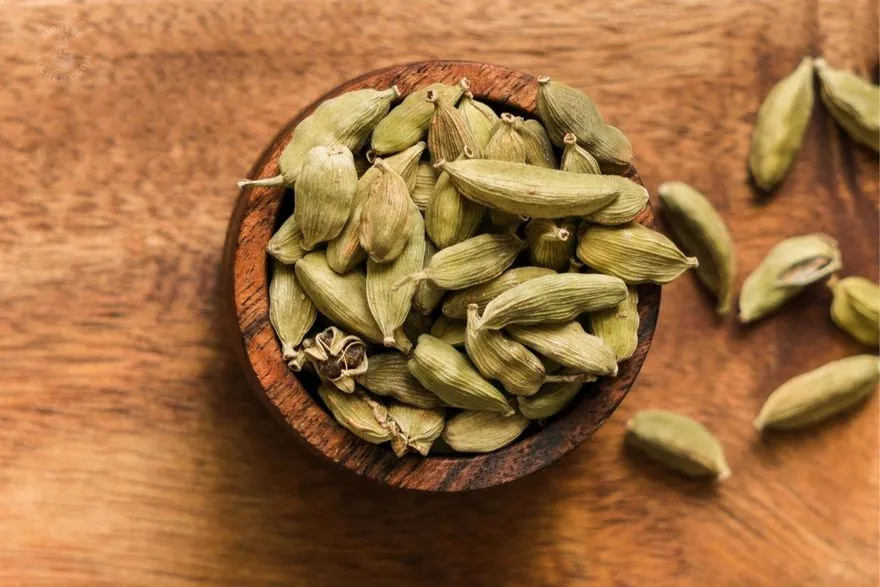
Green cardamom brings a sophisticated balance of citrus brightness and sweet spice. Its vivid aroma lifts fruity or creamy liqueurs, while its warm undertones create a luxurious, rounded finish. Used sparingly, it enhances complexity without overpowering other ingredients, transforming a simple infusion into something vibrant and exotic. Cardamom harmonizes especially well with citrus, honey, and floral notes, giving liqueurs a refined, aromatic depth.

Cardamom

Home / Ingredients / Spices & Aromatics / Cardamom

Cardamom Flavor Profile

Bright citrusy spice, floral warmth, sweet eucalyptus lift with soft heat.
Cardamom Impact on Liqueurs

Elevates aroma and adds elegant brightness, making liqueurs feel refined and aromatic.

How to Use Cardamom?

Use lightly crushed green pods; 6–10 pods per 1 L. Infuse 7–14 days in vodka, rum, or brandy.

Cardamom Pairing Suggestions

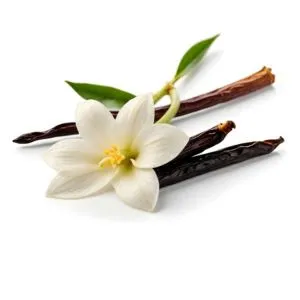
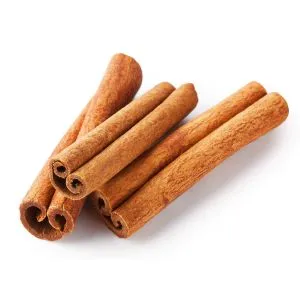
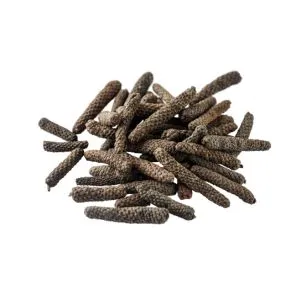
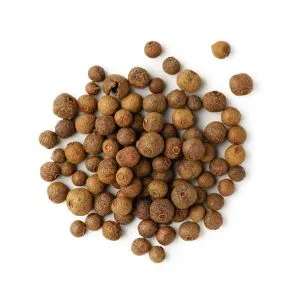
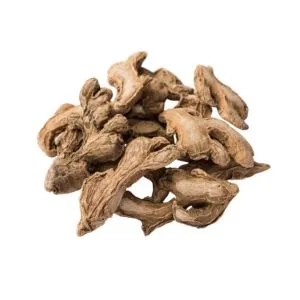
Vodka, Cane Sugar, Orange Peel, Cinnamon, Clove, Ginger, Vanilla, Honey
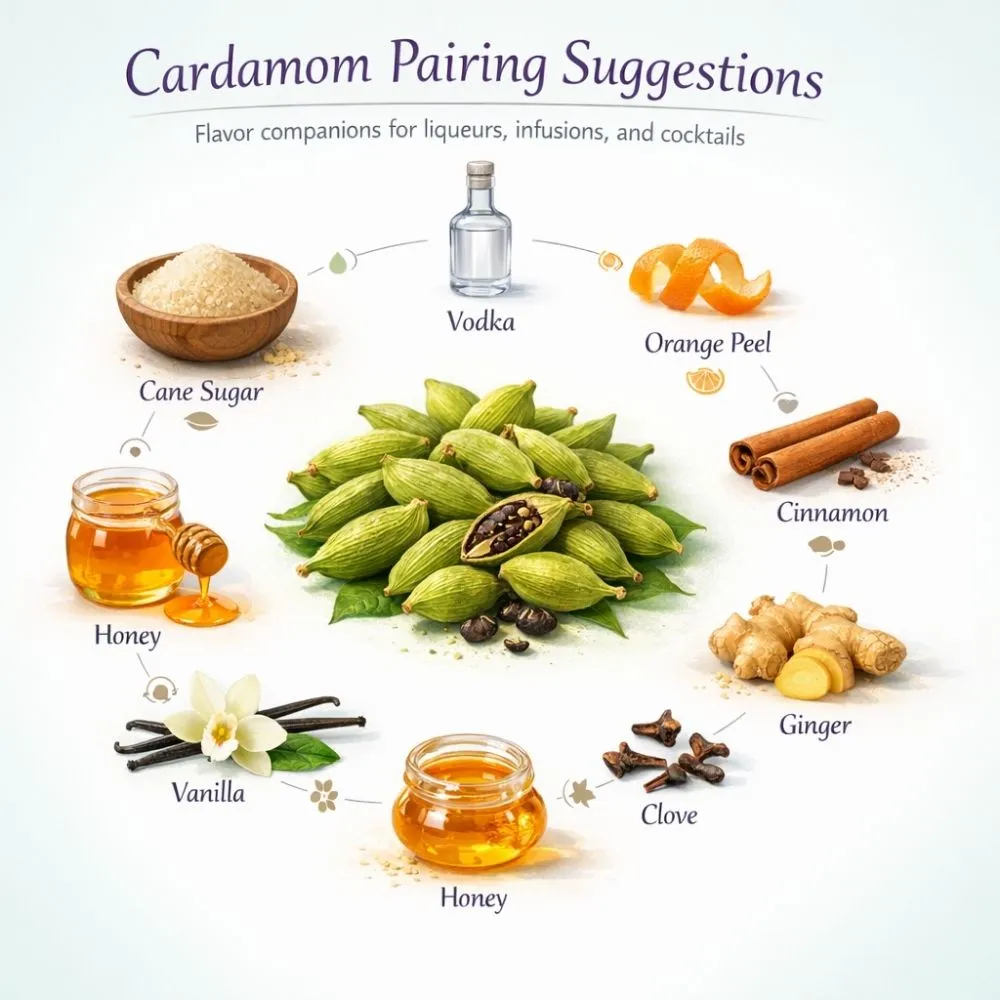
Cardamom pairing suggestions for liqueur making

Cardamom FAQ


Cardamom is powerful, so dose small and taste often. Pods give a cleaner, more aromatic profile; seeds alone can go sharp and medicinal if overdone. Lightly crack 6–10 green pods per liter (or about 1–2 g seeds), and infuse in 40–50% ABV for 24–72 hours.

Timing and dosage are everything: add cardamom late (after fruit has infused) or steep it separately and blend, so you don’t overshoot. If you need more intensity, add another pod or two and give it 12 hours—don’t jump straight to large increases. Cardamom pairs best with citrus, stone fruit, coffee, vanilla, and honey.

Common mistakes include grinding seeds (muddy and harsh), leaving pods for weeks, and combining with too many other spices. Store pods airtight away from heat; old cardamom tastes woody. In finished liqueur, cardamom can “grow” over time, so aim slightly lighter at bottling.

You can, but it’s risky. Ground cardamom dumps flavor fast, creates stubborn sediment, and often tastes harsher because you extract everything at once. If you must use it, start extremely low—¼ teaspoon per liter or less—steep 1–6 hours, then strain through fine paper and let it settle.

A better substitute is using only the seeds from pods, lightly crushed, inside a tea infuser. That gives you control and easier removal. Another option is a quick cardamom tincture (pods in high-proof alcohol), which you can add drop-by-drop to your main liqueur.

Common mistakes: “a little more” with ground spice, and trying to filter immediately (it needs time to settle). Flavor impact with ground tends to be more earthy and less citrusy than pods. For storage, ground spice loses aroma quickly, so buy small amounts and keep airtight.

Several factors influence how cardamom extracts its flavors in liqueur production. The type of alcohol used can affect the solubility of the cardamom oils, with higher proof spirits generally providing better extraction.

Temperature also plays a significant role in the extraction process. Warmer temperatures can help release the oils more effectively, but excessive heat may cause undesirable flavors. Therefore, controlling the temperature during infusion is essential for optimal results.

Additionally, the form of cardamom used—whole pods, seeds, or ground—can impact extraction efficiency. Whole pods may require longer infusion times, while ground cardamom extracts more quickly, but can also lead to sediment in the final product.

The amount of cardamom to use can vary based on personal preference and the overall recipe. A general guideline is to use 5 to 10 cardamom pods per liter of base spirit. This provides a balanced flavor without overwhelming the other ingredients.

If you are experimenting, start with a smaller amount, such as 5 pods, and gradually increase until you reach your desired taste. Remember that cardamom has a strong flavor, so it’s better to start conservatively and adjust as needed.

Keep in mind that the potency of cardamom can change over time as it infuses. Taste your liqueur periodically to ensure the flavor remains balanced and adjust the dosage for future batches accordingly.

Absolutely! If you're looking for a more common replacement for cardamom, consider using ginger. While ginger has a sharper flavor, it can add a zesty kick that enhances the overall profile of your liqueur. Use fresh or ground ginger, depending on what you have available.

Vanilla is another excellent alternative. It brings a sweet and creamy note that can balance out the flavors in your liqueur. While it won't replicate cardamom's spice, it can create a delightful and aromatic experience.

Lastly, consider using a hint of citrus zest, such as lemon or orange. This will introduce a fresh, bright flavor that can complement the other ingredients in your liqueur, making it a versatile substitute for cardamom.
Cardamom
Cardamom in Liqueur Crafting

More Spices & Aromatics


RELATED RECIPES OF LIQUEUR ALCHEMY


Explore more creations from Liqueur Alchemy that share similar flavours, techniques, or ingredients. These related recipes offer fresh ideas and inspired combinations to help you craft your next bold, homemade spirit.

LIQUEUR ALCHEMY TOOLS & RESOURCES


Design labels in minutes—beautiful, practical, and ready to print. Choose a tool below to generate bottle or ingredient labels that match your Liqueur Alchemy workflow.
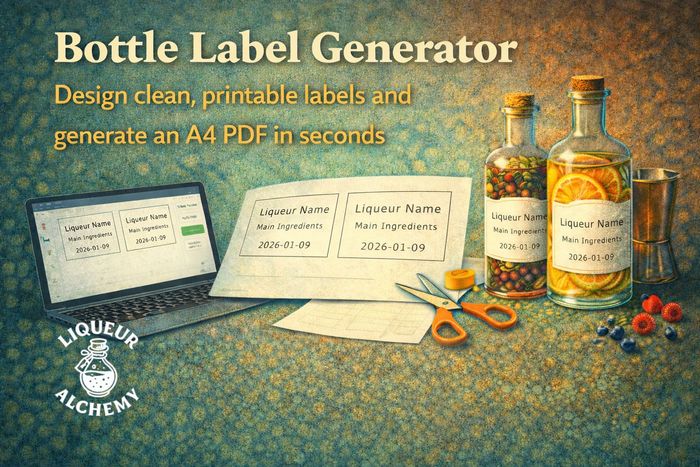
Bottle Label Generator preview

Bottle Label Generator

Create clean bottle labels with your liqueur name, batch details, date — ready for printing and gifting.
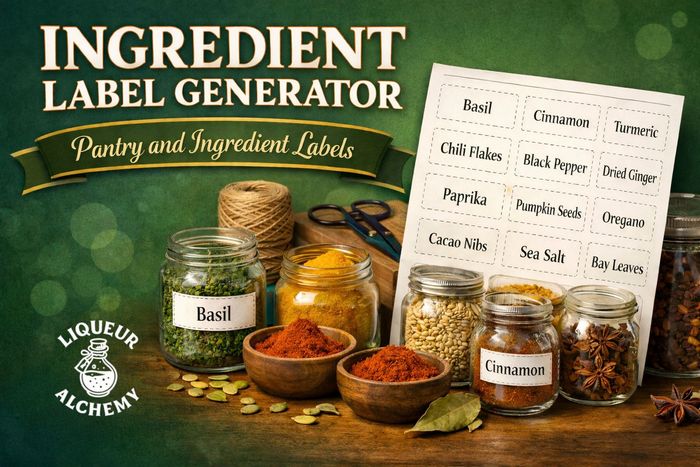
Ingredient Label Generator preview

Ingredient Label Generator

Label jars, containers, and storage bags to maintain clear organization from preparation through infusion and serving.
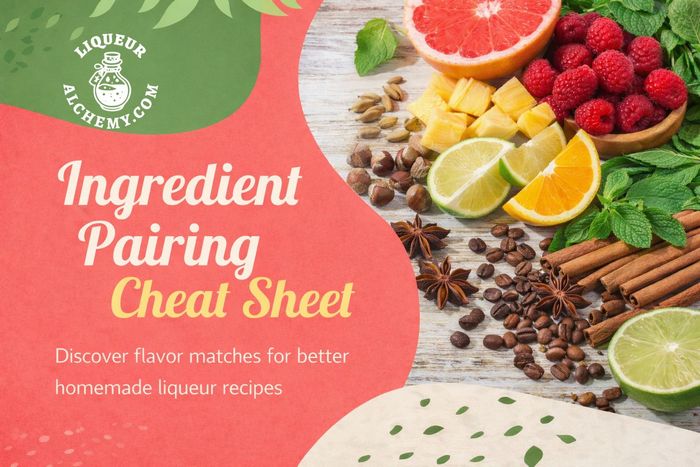
Ingredient pairing cheat sheet for creating balanced homemade liqueurs

Ingredient Pairing Cheat Sheet

Discover flavor combinations that create balanced, complex, and unique homemade liqueurs.