Mango Chai

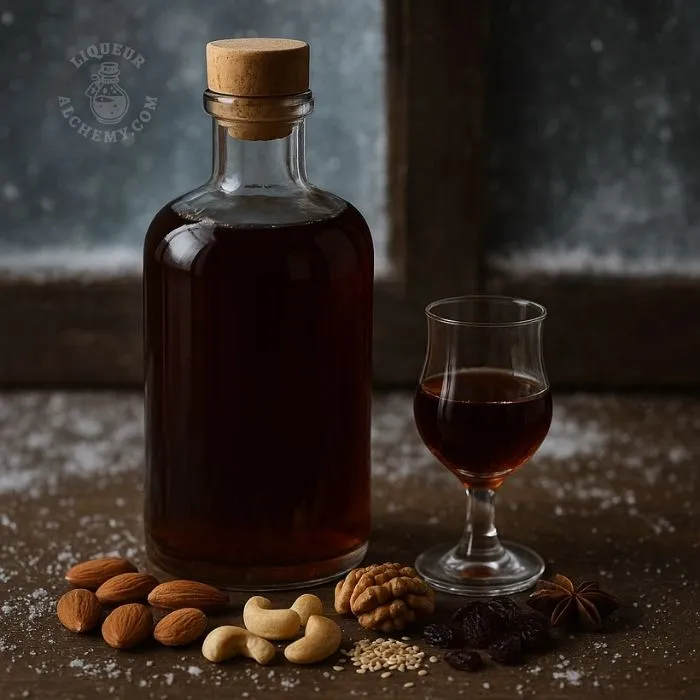
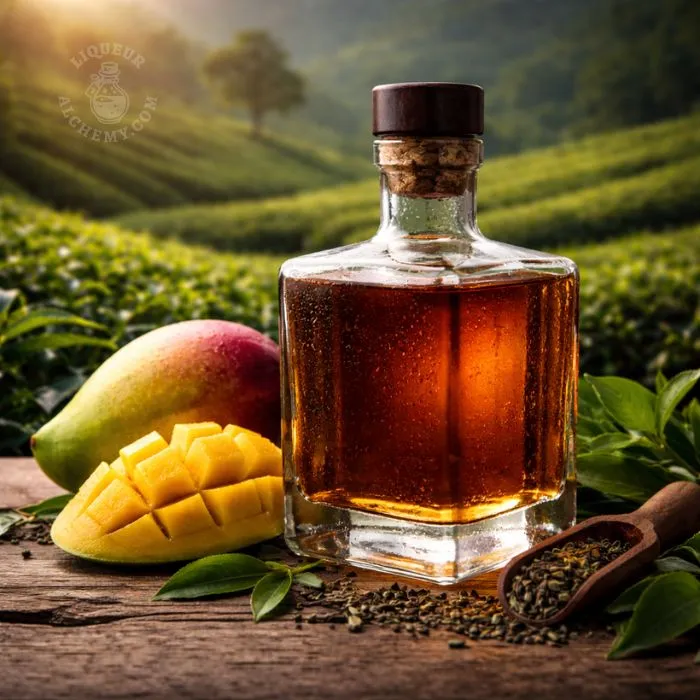
Mango Chai Liqueur – Dark Rum Infusion with Tea and Spices

Mango Chai liqueur offers a harmonious balance of tropical sweetness and warm spice. The luscious mango flavor is complemented by aromatic notes of cinnamon, cardamom, and ginger, creating a rich and inviting profile. This liqueur is perfect for sipping or as a versatile ingredient in cocktails, evoking a sense of comfort and indulgence.

Main notes

  • Dark Rum
  • Mango
  • Green Tea

Ingredients

  • Dark Rum – 1 L
  • Mango – 1 kg (Peel from ½ mango)
  • Green Tea - 15 g
  • Jaggery – 90 g
  • Cane Sugar – 60 g
  • Honey – 60 g
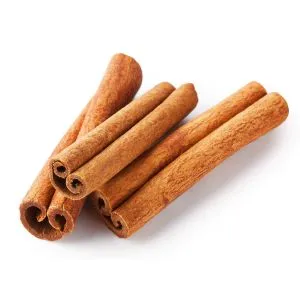
  • Cinnamon – 6 cm stick
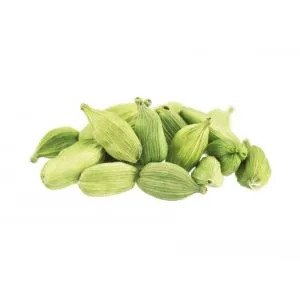
  • Green Cardamom – 3 pods
  • Cloves – 3 pieces
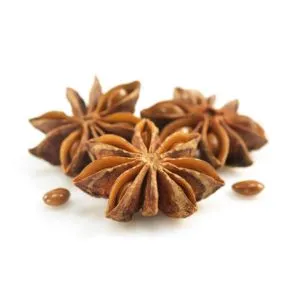
  • Star Anise – ½ pod
  • Black Peppercorns – 6 whole
  • Vanilla – ½ pod
  • Ginger – 18 g
  • Nutmeg – ¼ whole, lightly cracked
  • Lime - Juice of 1, Zest of ½
  • Sea Salt – 1 small pinch

Preparation

  1. Peel and dice the mango; reserve peel from half a fruit.
  2. Place mango, peel, and ginger into a large glass jar.
  3. Lightly crush cardamom, cloves, peppercorns, and nutmeg.
  4. Add all spices, tea, vanilla, and citrus zest to the jar.
  5. Pour in dark rum, ensuring all solids are submerged.
  6. Seal and infuse for 14 days, shaking gently every 2 days.
  7. Strain thoroughly through fine mesh or cloth.
  8. Warm jaggery, sugar, and honey with minimal water; cool.
  9. Combine infusion with syrup, add lime juice and salt, rest 7 days.
Download

The Story

Mango Chai brings together ripe tropical fruit and the quiet depth of spiced tea. Juicy mango sets a soft, sunlit sweetness, while chai spices introduce warmth and gentle tension. Dark rum anchors the blend with molasses notes and subtle woodiness, giving balance to the fruit. Green tea adds restraint and light bitterness, keeping the liqueur composed rather than sweet-heavy. Ginger and citrus lift the aroma, while jaggery and honey round the palate with caramel warmth. The result unfolds slowly, inviting patience and rewarding unhurried sipping.

Who is "Mango Chai" Liqueur for?

For chai lovers who want mango turned bold: tropical rum richness with tea tannin, warm spice, and a bright lime snap. Perfect for adventurous palates, cozy evenings, and anyone who enjoys layered sweetness with a spicy, aromatic finish that keeps unfolding.
"Mango Chai" Liqueur Serving Suggestions

Serve slightly chilled in a small snifter so mango and chai aromatics bloom. Best after dinner. Let it sit a minute to soften tea edges. A tiny lime twist lifts the nose. If it feels dense, add one clear ice cube to brighten and stretch the finish.

Why the Name "Mango Chai"?

The name 'Mango Chai' captures the essence of this liqueur's unique fusion of flavors. Inspired by the beloved Indian beverage, chai, which blends spices with tea, this liqueur embodies the warmth and vibrancy of its namesake. The addition of ripe mango symbolizes a tropical twist, evoking sun-kissed memories and the enchanting allure of far-off lands.

Testing Notes

During the development of Mango Chai, we found that the infusion time is crucial for achieving the right balance of flavors. The spices should be carefully measured to prevent overpowering the mango's natural sweetness. Additionally, adjusting the sweetness with jaggery and honey allowed for a smoother finish, enhancing the overall complexity of the liqueur.

Mango Chai Liqueur FAQ


Right after straining, a liqueur can taste disjointed: alcohol heat, sweetness, acidity, and spice all sit in separate layers. Mango aroma is also sensitive; it can feel muted when the liquid is cloudy or dense, or when spice is still loud. This is common and not a sign the batch failed.

Resting allows the volatile aromatics to re-balance and lets tannins and spice oils integrate. The perceived sweetness often drops slightly as flavors meld, and the fruit starts to smell more defined. Keep the bottle cool and dark, and avoid frequent opening, which can keep aromas feeling sharp.

If dullness remains after resting, the usual fixes are gentle: a small dilution to lift aroma, a tiny pinch of salt to sharpen fruit, or a short, controlled fresh zest touch for brightness. Avoid adding more spice to "wake it up"; that usually makes mango feel even quieter.

Green tea can turn bitter and tannic quickly, especially in alcohol. Ginger extracts fast and can become sharp heat, while cloves, star anise, and pepper can dominate if left too long. Mango is aromatic but soft, so the goal is mango perfume first, chai glow second.

Use staged removal. Remove green tea as soon as you have a clear tea note without bitterness; do not treat it like a long maceration ingredient. Remove ginger when it is warm and lively, before it becomes hot. Remove cloves and star anise at the first moment they are noticeable on the nose; leave them too long and the batch becomes medicinal. Pepper should be pulled when it adds gentle lift, not bite.

If you overshoot, strain immediately and rest. A small dilution can lift mango aroma and soften tannins. Avoid fixing tea bitterness by adding lots of sugar; that often creates a sticky bitter-sweet. Time and dilution work better, and you can always do a short, fresh spice touch later if needed.

Jaggery brings deep caramel and earthy notes, cane sugar gives cleaner sweetness, and honey adds viscosity and a soft floral tone. In a rum base, these can quickly feel dense, and density can trap aroma so mango and tea seem quieter. The goal is rich but breathable sweetness.

Taste the liqueur well chilled. If it feels heavy, start with a small dilution first; lowering density often makes mango and spice aromas jump forward. Keep jaggery as a bass note, not the whole song, and use cane sugar for lift. Use honey mainly for texture rather than pushing sweetness higher.

After adjustments, rest the liqueur. Integration over a couple of weeks smooths rough edges from jaggery and tea and makes sweetness feel more even. Avoid repeatedly tweaking day to day; small changes can seem dramatic before flavors settle. Evaluate again only after the liqueur has had time to knit together.

RALETED RECIPES OF LIQUEUR ALCHEMY


Explore more creations from Liqueur Alchemy that share similar flavours, techniques, or ingredients. These related recipes offer fresh ideas and inspired combinations to help you craft your next bold, homemade spirit.