SaSaGung

SaSaGung Ginger Lemongrass Liqueur with Citrus and Spice

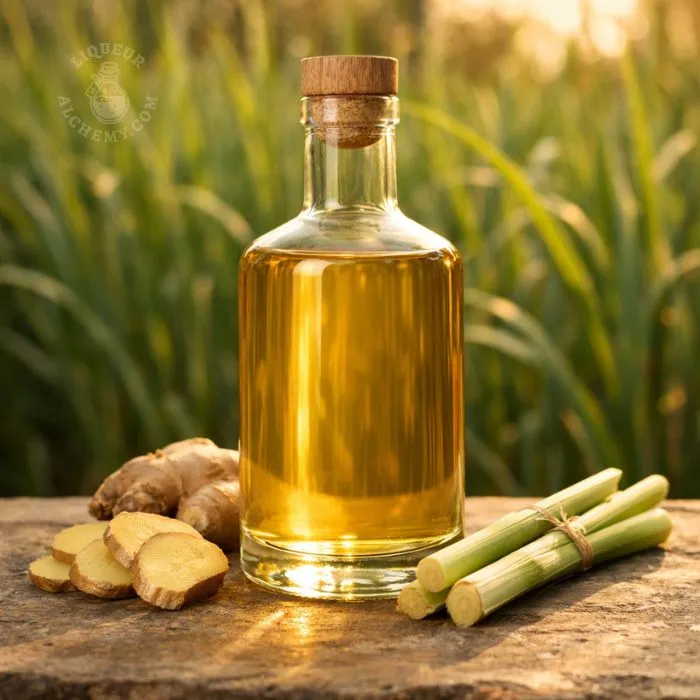
SaSaGung is a fresh and aromatic liqueur built on the vibrant pairing of ginger and lemongrass. Bright lime zest adds citrus lift, while honey softens the spice and saffron lends subtle depth. The result is a balanced, modern liqueur with lively, layered flavors and a smooth, gently warming finish.

Main notes

  • Vodka
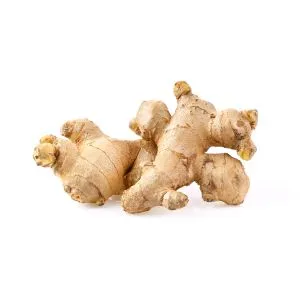
  • Ginger
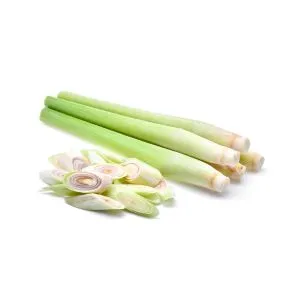
  • Lemongrass

Ingredients

  • Vodka – 1 L
  • Ginger –150 g
  • Lemongrass – 3 stalks
  • White Sugar – 150 g
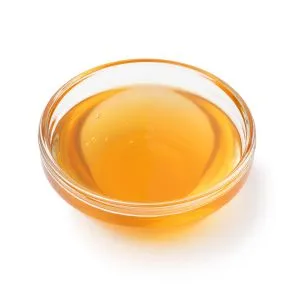
  • Honey – 60 g
  • Lime – Juice and zest of ½
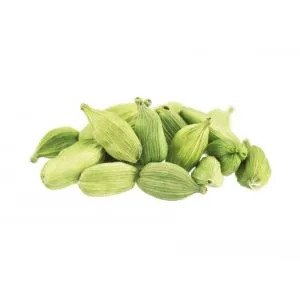
  • Cardamom – 2 pods
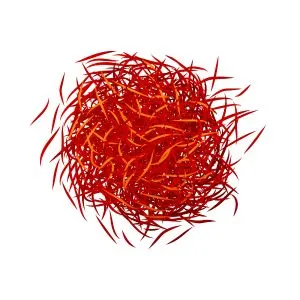
  • Saffron – few threads

Preparation

  1. Peel the ginger and cut it into thin slices to maximize extraction.
  2. Remove outer layers of lemongrass and bruise the stalks firmly.
  3. Lightly crush the cardamom pods to release their aroma.
  4. Zest half a lime carefully, avoiding the white pith, then juice it.
  5. Place all ingredients (except sugar and honey) into a clean jar.
  6. Pour vodka over the mixture, ensuring full submersion.
  7. Seal and store in a cool, dark place for 3–4 weeks, shaking occasionally.
  8. Strain, then add sugar and honey gradually, adjusting to taste.
  9. Rest for at least 2 more weeks before final filtration and bottling.
Download

The Story

SaSaGung was born from the rhythm of Southeast Asian markets, where sharp citrus aromas meet warm spice in the humid air. Fresh lemongrass cuts through the sweetness with a bright, almost electric lift, while young ginger builds a steady, warming pulse underneath. Honey softens the edges, and a touch of saffron brings a golden glow that feels both exotic and refined. This liqueur is not about heaviness—it’s about movement, contrast, and balance. Each sip shifts between fresh and fiery, light and deep, creating a layered experience that feels alive, playful, and just a little unpredictable.

Who is "SaSaGung" Liqueur for?

SaSaGung is for curious drinkers who enjoy bright, aromatic spirits with a playful edge. It suits those who appreciate fresh citrus notes, gentle spice, and layered flavors—perfect for slow sippers, creative palates, and anyone drawn to lively, modern liqueurs with character.

"SaSaGung" Liqueur Serving Suggestions

Serve lightly chilled in a small glass to highlight its fresh citrus and warm spice. Ideal as an aperitif on warm evenings or after dinner when something bright yet comforting is desired. The lemongrass and ginger shine best when served clean and simple.

Why the Name "SaSaGung"?

SaSaGung blends the Vietnamese words “sả” (lemongrass) and “gừng” (ginger) into a rhythmic, memorable name. The repeated “SaSa” gives it a musical, almost playful energy, reflecting the bright citrus lift of lemongrass, while “Gung” grounds it with warm spice. The name feels alive,

Testing Notes

Early batches showed that ginger can quickly dominate if sliced too thick, so thinner cuts gave better balance. Adding lime zest later in the infusion preserved freshness and avoided bitterness. Sugar levels worked best when adjusted after straining. A small amount of saffron added color and subtle depth without interfering with the core flavor profile.

SaSaGung Liqueur FAQ


Sugar and honey should support the aroma, not bury it. White sugar keeps the profile clean and lets ginger, lemongrass, and lime stay clear. Honey adds roundness and a softer finish, but too much can push the liqueur toward a heavier floral sweetness that competes with the freshness of the citrus and herbs.

The safest method is to sweeten after straining, gradually and in stages. Start lower than you think you need, mix thoroughly, and taste after the liquid settles. Fresh ginger can feel sharp at first, so it is easy to oversweeten too early. After a short resting period, the alcohol and spice usually soften, and the sweetness may seem stronger than it did on day one.

If the liqueur tastes flat, the answer is not always more sugar. Sometimes it needs a touch more acidity, better balance from honey reduction, or simply more time. The best result comes when sweetness rounds the edges while leaving the lemongrass bright, the lime lifted, and the ginger clearly present rather than buried under syrupy weight.

View this Liqueur FAQ as a standalone page
The most common cause is over-extraction from the aromatic ingredients rather than the base spirit itself. Lime zest left too long can add bitterness, cardamom can become perfumy, and old or fibrous ginger can produce a rougher, drier heat. Lemongrass that is cut too aggressively or infused too long may also shift from fresh citrus-herbal notes to a woody edge.

Another frequent mistake is poor ingredient preparation. Thick ginger chunks extract unevenly, while too much bruising or shredding of lemongrass can release tougher plant notes and make straining harder. Using damaged, dry, or stale ingredients also reduces clarity of flavor and makes the final liqueur feel muddled instead of precise.

Sweetness can hide some sharpness, but it cannot fully fix a badly extracted batch. The safest method is to taste during infusion, remove fast-moving ingredients earlier, and only adjust sugar and honey after straining. Once bitterness or excessive perfume has settled into the liquid, correction becomes limited, so prevention matters more than rescue.

View this Liqueur FAQ as a standalone page
Fresh ginger and dried ginger do not behave the same in alcohol. Fresh ginger gives a brighter, juicier, slightly citrusy heat that fits very well with lemongrass and lime. Dried ginger is warmer, duller, and more concentrated, so the result becomes heavier and less lively. In a recipe built around freshness, dried ginger is usually a step away from the intended profile.

If dried ginger must be used, reduce the quantity sharply and taste more often. A small amount can support the recipe, but too much will quickly dominate the lemongrass and flatten the delicate lift from lime zest and saffron. Powdered ginger is the riskiest option because it clouds the liquid and is harder to strain cleanly.

The better substitution is to keep fresh ginger and adjust the cut size or infusion time instead of changing the ingredient entirely. If the issue is strength, use fewer grams or remove the ginger earlier. That keeps the liqueur bright, clean, and layered instead of pushing it into a dry, spicy, almost medicinal direction.

These ingredients extract at different speeds, so removing everything at the same time is not always the best approach. Lime zest is the fastest and should be watched closely because it can turn bitter if left too long, especially if any white pith slipped in. In many cases, zest is best removed after several days to about one week.

Lemongrass usually needs longer. It releases its aroma more slowly than citrus zest, especially if only bruised and not finely sliced. Cardamom also extracts fairly quickly, but it tends to become too perfumed or sharp if forgotten for weeks. Tasting every few days after the first week is the safest way to decide what stays and what goes.

A practical approach is to remove lime zest first, then cardamom, while allowing ginger and lemongrass to continue if the profile still feels incomplete. This staged removal gives better control and helps preserve freshness. If everything is left in for the full infusion without checking, the balance can shift from vibrant and clean to bitter, woody, or overly perfumed.

A ginger and lemongrass liqueur usually improves noticeably after a resting period, even once the flavor seems correct. Right after sweetening, the profile can feel disjointed, with the ginger standing apart from the lemongrass and the honey sitting on top of the finish. A couple of weeks of rest helps those elements knit together into a smoother, more natural whole.

Before bottling, it is worth checking for sediment and fine particles from ginger, cardamom, or saffron. A second filtration often improves both appearance and texture. Bottling too early traps haze and tiny solids that can continue to affect flavor over time. Clear glass may look attractive, but it also exposes the liqueur to light, which can slowly reduce freshness.

Store the finished bottle in a cool, dark place with a tight seal. Refrigeration is helpful but not essential if the alcohol level remains solid and the bottle is clean. Once opened, minimizing heat, light, and air exposure will preserve the bright citrus-herbal notes much better than leaving the bottle on a warm shelf or near direct sunlight.

RALETED RECIPES OF LIQUEUR ALCHEMY


Explore more creations from Liqueur Alchemy that share similar flavours, techniques, or ingredients. These related recipes offer fresh ideas and inspired combinations to help you craft your next bold, homemade spirit.