Saffron

Saffron for Liqueur Infusions – Aroma, Color, Use & Pairings

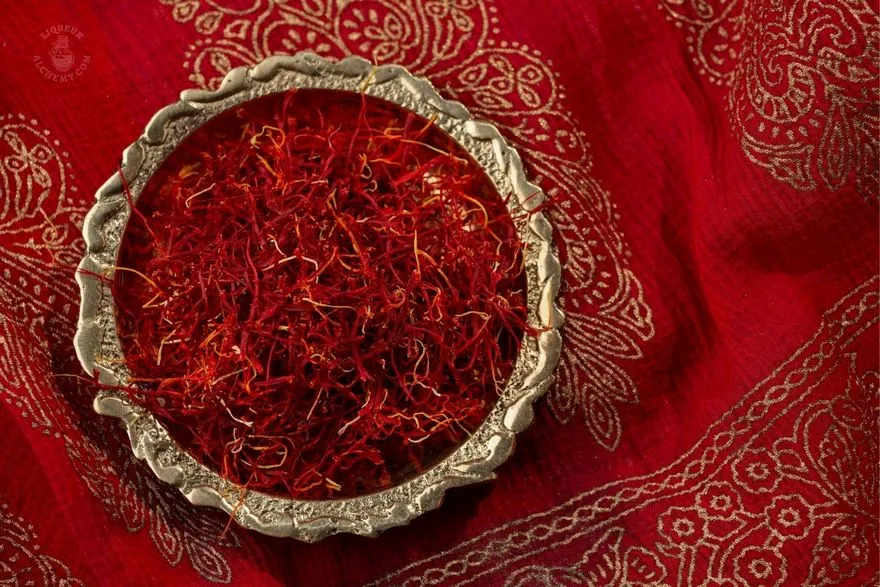
Saffron brings a distinctive floral-honey fragrance, gentle earthiness, and a radiant golden color that instantly makes liqueurs feel premium. In small amounts it lifts citrus, stone fruits, and creamy desserts, adding depth without heaviness. Because it is powerful and expensive, infuse lightly and taste often—too much can become medicinal or bitter. Best in vodka, light rum, or brandy, especially with honey, vanilla, cardamom, and orange peel.

Saffron

Home / Ingredients / Spices & Aromatics / Saffron

Saffron Flavor Profile

Floral-honey aroma, warm hay-like notes, gentle earthiness, subtle bitterness, intense golden color.
Saffron Impact on Liqueurs

Adds premium perfume and golden warmth, enhancing fruit and cream liqueurs while keeping the finish elegant.

How to Use Saffron?

Use 10–25 threads per 1 L; pre-soak in 30–50 ml warm (not boiling) spirit 20–30 min, then add. Infuse 1–5 days.

Saffron Pairing Suggestions

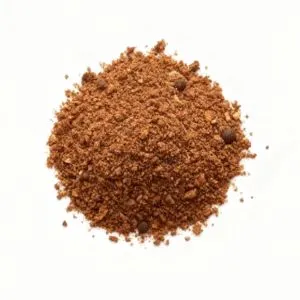
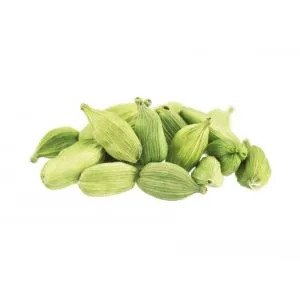
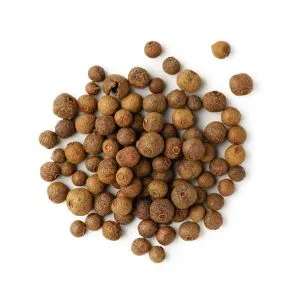
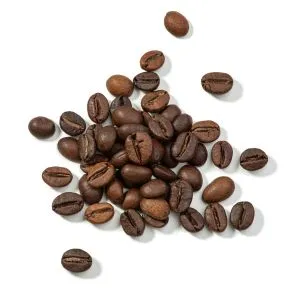
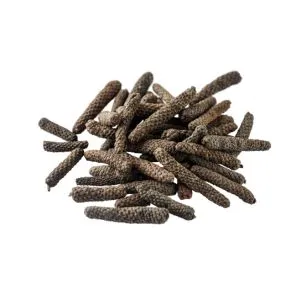
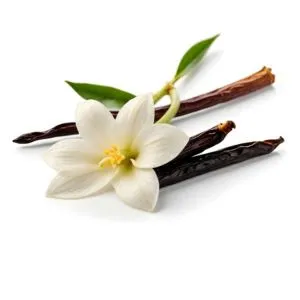
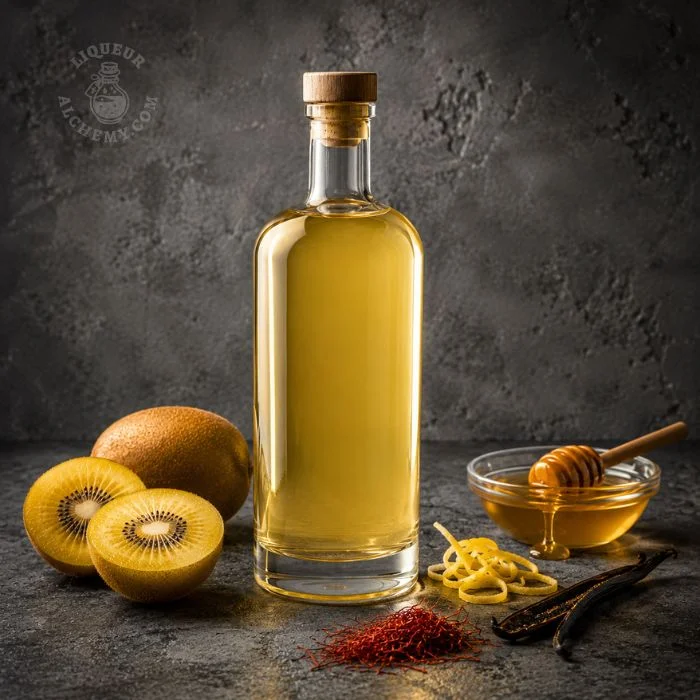
Vodka, Cane Sugar, Apple, Orange, Cardamom, Vanilla, Honey, Almond
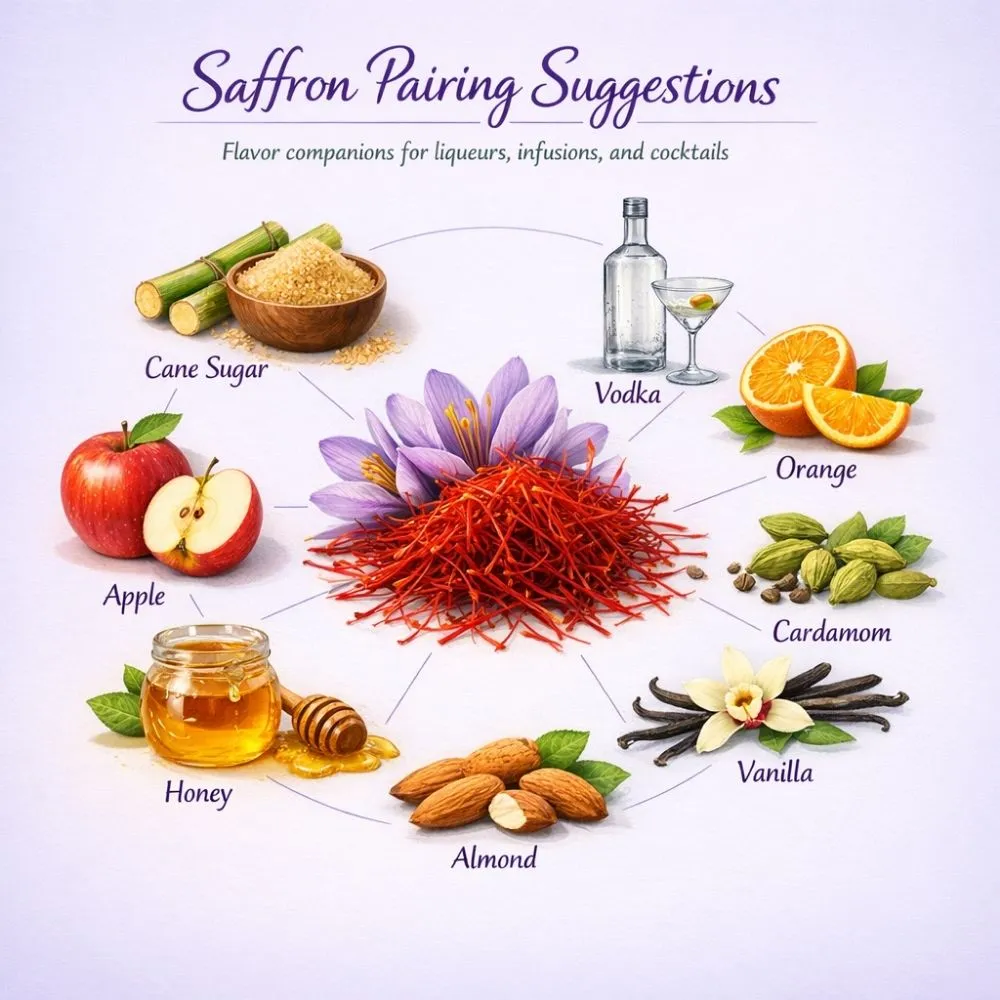
Saffron pairing suggestions for liqueur making

Saffron FAQ


Saffron is extremely potent, so start small. Use 0.05–0.2 g per liter (a small pinch) at 40–50% ABV. Lightly crush threads, then steep while tasting—color develops quickly, often within 2–12 hours, and aroma can be ready within 6–48 hours.

For precision, bloom saffron first in a tiny amount of warm (not hot) syrup or high-proof alcohol, then add that concentrate to your batch. This avoids uneven extraction and lets you stop when aroma is perfect.

Common mistakes include using too much (medicinal), steeping for weeks, and combining with heavy spices that bury saffron. Flavor impact should be honeyed floral and warm hay-like notes with golden color. Store cool and dark; saffron aroma is light-sensitive.

Saffron pairs beautifully with honey, vanilla, citrus zest (orange/lemon), almond, and warm dairy or dessert profiles. It also works with stone fruits and mango if kept delicate. Avoid overpowering spice blends; saffron is a top-note, not a base.

Timing: build your main infusion first, strain, then add saffron as a final micro-dose (hours to 1–2 days). This preserves clarity and prevents saffron from getting lost.

Common mistakes include adding saffron early with heavy spices and then oversweetening. Flavor impact should be perfumed and golden. Store cool and dark; saffron-forward bottles are best enjoyed within a year for peak aroma.

The extraction of saffron's vibrant color in liqueurs is influenced by several factors, including the quality of the saffron and the alcohol used. High-quality saffron threads contain more pigment, which enhances the color intensity in the final product. Using a neutral or high-proof alcohol can also improve color extraction.

Temperature plays a crucial role in this process as well. Warmer temperatures can accelerate the release of the color compounds, leading to a more vivid hue. However, it's important to monitor the steeping time, as excessive heat can degrade the color quality, resulting in a dull appearance.

For optimal color extraction, consider a gentle heating method or a longer steeping period at room temperature. This approach allows for a gradual release of color without compromising the overall quality of the saffron, resulting in a beautifully colored liqueur.

The recommended dosage of saffron varies based on the desired intensity. Generally, a pinch or about 0.1 to 0.2 grams is sufficient for a standard batch of liqueur.

For a more robust flavor, you can increase the dosage slightly, but be cautious as saffron can easily overpower other ingredients. It's best to start small and adjust based on your taste preferences.

Remember, saffron is a potent spice, so less is often more. Always taste your liqueur throughout the process to achieve the perfect balance.

When seeking herbal substitutes for saffron, consider using dried chamomile flowers. They provide a gentle floral note that can enhance the overall flavor profile of your liqueur. While the color won't match saffron, the aromatic qualities can add a lovely touch.

Another herbal option is to use fennel fronds. They have a slightly sweet and licorice-like flavor that can complement many liqueur recipes. Use them sparingly, as their flavor can be quite strong, and adjust according to your preference.

Lastly, consider using lavender. It offers a unique floral aroma that can elevate your liqueur. However, be cautious with the amount, as lavender can easily overpower other flavors. A little goes a long way in creating a fragrant liqueur.
Saffron
Saffron in Liqueur Crafting

More Spices & Aromatics


RELATED RECIPES OF LIQUEUR ALCHEMY


Explore more creations from Liqueur Alchemy that share similar flavours, techniques, or ingredients. These related recipes offer fresh ideas and inspired combinations to help you craft your next bold, homemade spirit.

LIQUEUR ALCHEMY TOOLS & RESOURCES


Design labels in minutes—beautiful, practical, and ready to print. Choose a tool below to generate bottle or ingredient labels that match your Liqueur Alchemy workflow.
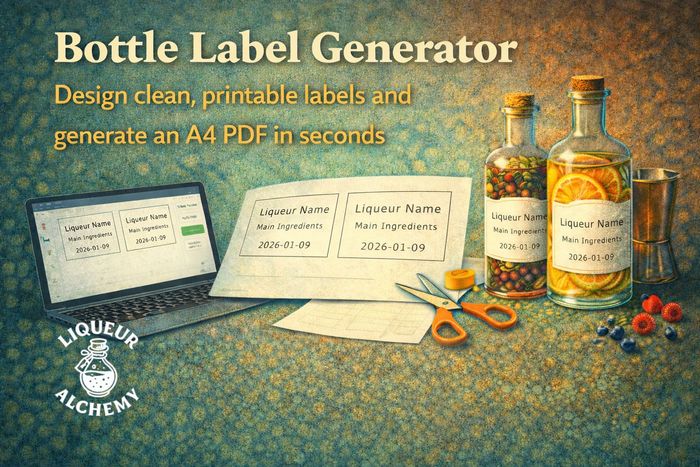
Bottle Label Generator preview

Bottle Label Generator

Create clean bottle labels with your liqueur name, batch details, date — ready for printing and gifting.
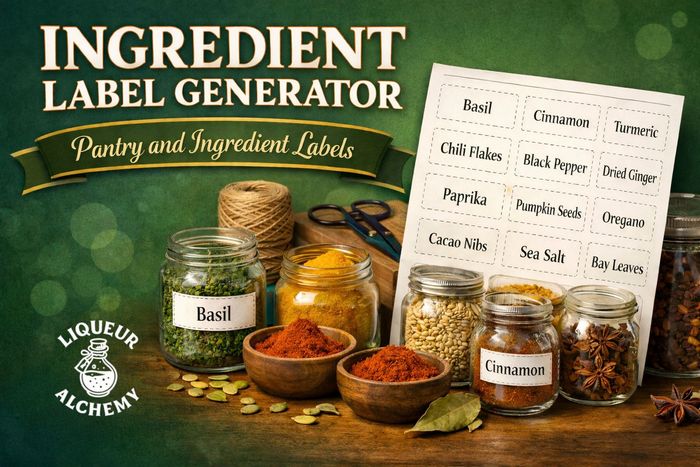
Ingredient Label Generator preview

Ingredient Label Generator

Label jars, containers, and storage bags to maintain clear organization from preparation through infusion and serving.
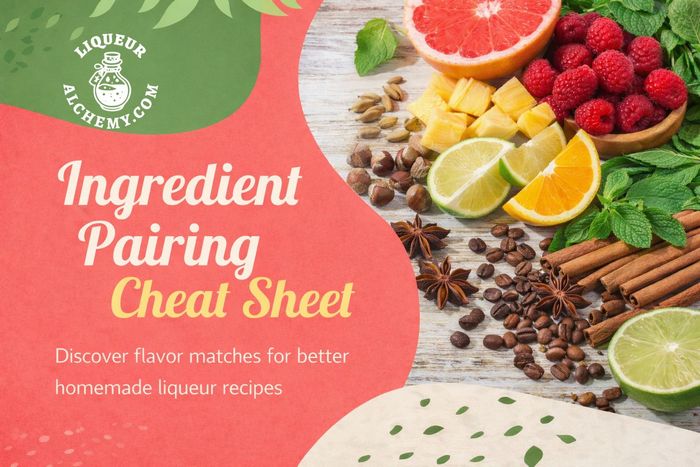
Ingredient pairing cheat sheet for creating balanced homemade liqueurs

Ingredient Pairing Cheat Sheet

Discover flavor combinations that create balanced, complex, and unique homemade liqueurs.