Honey

Honey in Liqueurs: Floral Sweetness, Terroir Character, and Mouthfeel

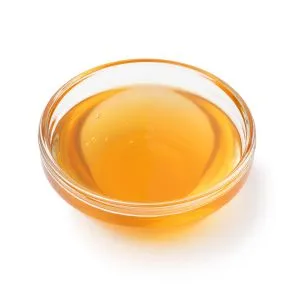
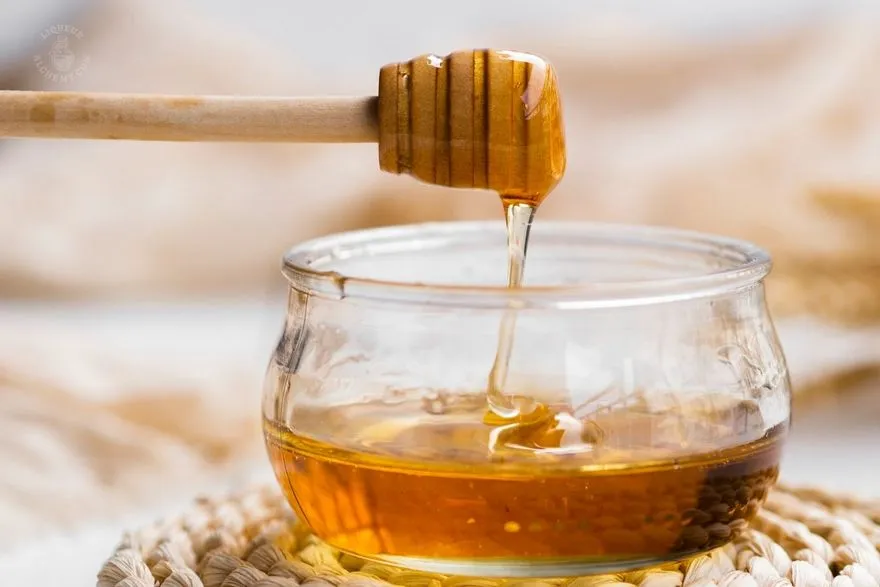
Honey brings floral aromatics, acidity, minerals, and viscosity. It rounds alcohol burn and adds terroir expression. Different honeys behave differently, so match to style. Warm gently to dissolve, sweeten in stages, and rest 2–4 weeks.

Honey

Home / Ingredients / Sugars & Sweeteners / Honey

Honey Flavor Profile

floral, aromatic, waxy, fruity sweet
Honey Impact on Liqueurs

Adds viscosity and layered aromatics.

How to Use Honey?

Warm gently (do not boil), add gradually, rest well.

Honey Pairing Suggestions

Vodka, Rum, Lemon, Ginger, Cinnamon, Clove, Vanilla, Orange Peel
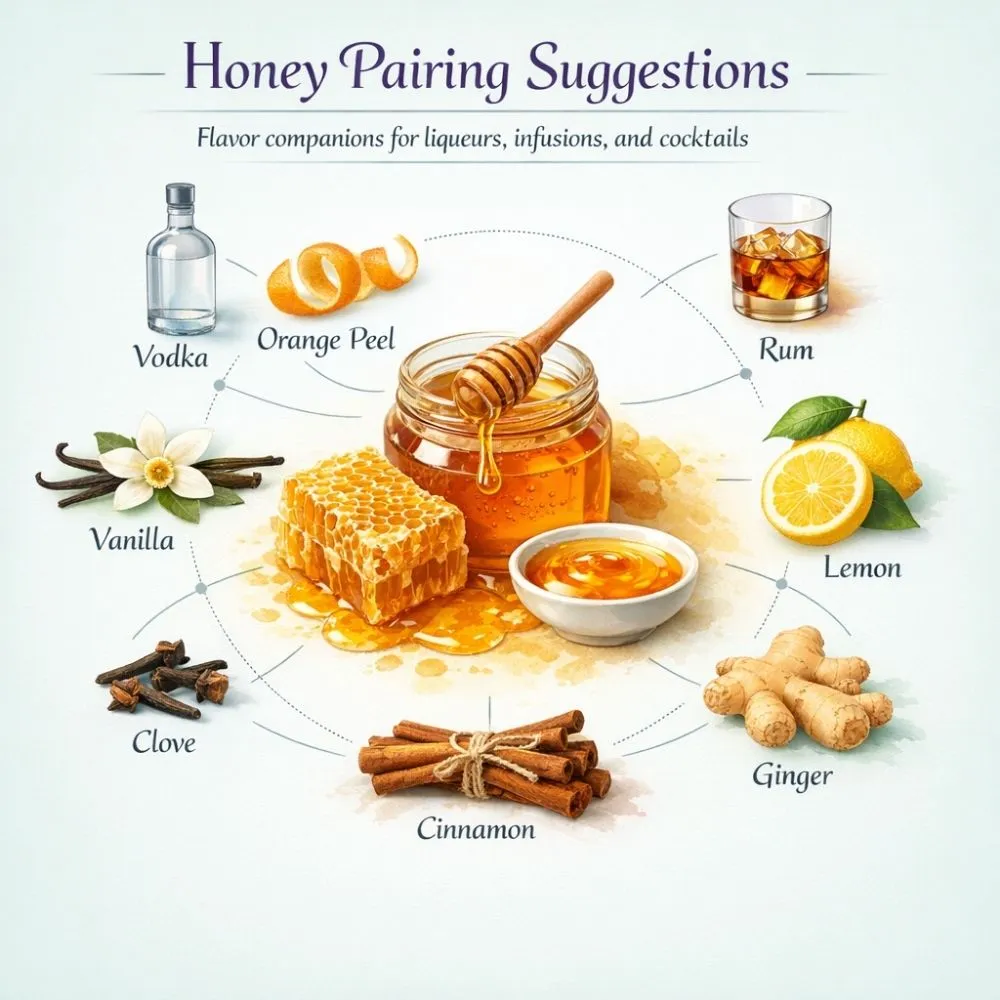
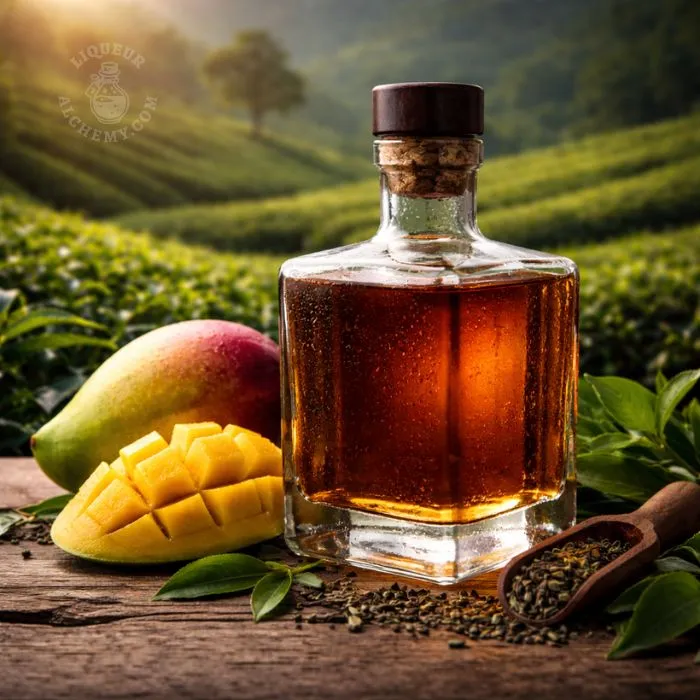
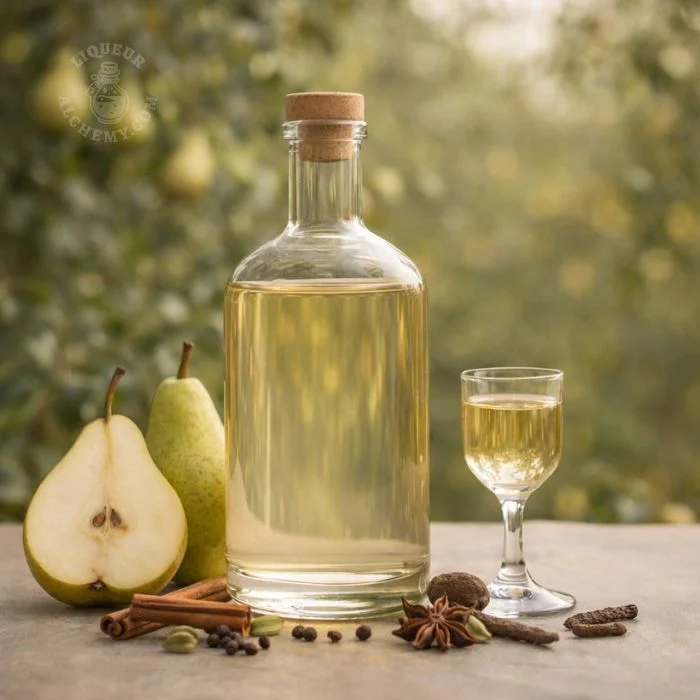
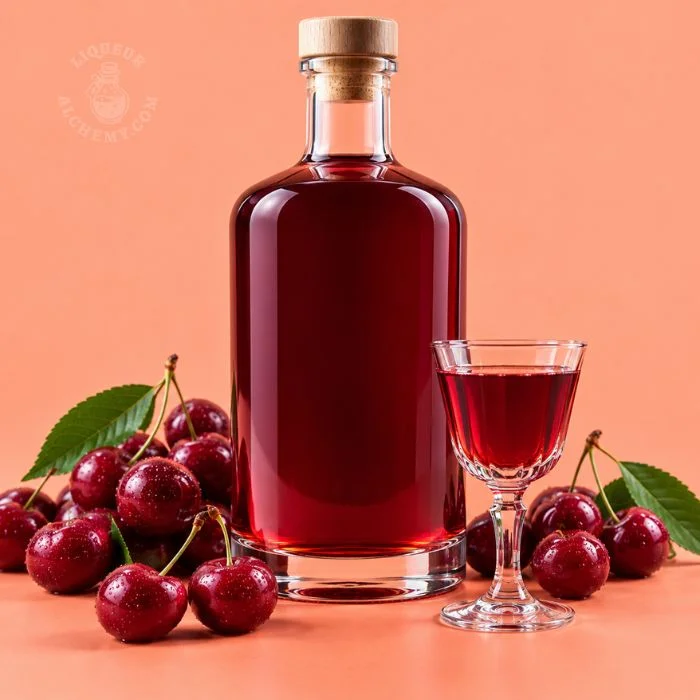
Honey pairing suggestions for liqueur making

Honey FAQ


Honey isn’t just sugar—it's a complex syrup of fructose and glucose plus acids, minerals, aromatic compounds, and tiny colloids that affect viscosity and how flavors spread across the palate.

Those compounds create a rounder, fuller mouthfeel and a softer “sweet edge” compared with white sugar, which is mostly neutral sucrose. Honey can also carry floral, herbal, or waxy notes that reshape the finish, even at the same sweetness level.

That’s why two liqueurs with the same measured sugar can feel very different: honey tends to feel smoother and more coating. If you want honey’s texture without taking over the flavor, choose a mild honey and keep the percentage modest.

Honey adds more than sweetness: it brings viscosity and a rounded mouthfeel that can make a liqueur feel smoother and less sharp. Even at the same sugar level, honey often reads as “softer” than white sugar syrup.

It also contributes flavor—floral, herbal, or caramel notes depending on the honey type. That can deepen fruit liqueurs, add warmth to spice blends, or create a more “aged” impression without wood.

The trade-off is clarity and predictability. Honey can cloud a liqueur and can vary batch to batch, so most makers add it slowly at the end, taste, and then rest the bottle so everything integrates.

It’s better only if you want what honey brings: round mouthfeel and a signature honey note. If your goal is a clean fruit-forward liqueur with bright, crisp flavors, plain sugar often performs better.

Honey can also affect clarity and consistency. Some honeys cloud more, and the flavor intensity varies, so you’ll want to add it in small increments and let the liqueur rest before final adjustments.

For best results, match honey to the profile: light honeys for citrus and delicate fruit, darker honeys for spice, coffee, and dried fruit. If you’re unsure, start with a sugar base and finish with a little honey for texture.

Honey contains proteins, pollen, waxes, and fine solids that can create a natural haze—especially when mixed into alcohol. Some honeys are simply “cloudy by nature,” and the haze can increase when chilled.

To clear it, let the bottle rest 1–2 weeks so particles settle, then filter through a coffee filter. You can also cold-crash (fridge overnight) and filter again. Note: some haze may remain unless you use advanced fining.

Common mistake: over-filtering too early. Give it time to settle first—filtering immediately can clog filters and strip aroma.

To keep honey fresh, store it in a cool, dark place away from direct sunlight. A pantry or cupboard is ideal, as heat can alter its flavor and texture. Ensure the container is tightly sealed to prevent moisture absorption.

Avoid refrigerating honey, as this can lead to crystallization, making it difficult to use. If crystallization occurs, gently warm the honey in a water bath to restore its liquid state. This process helps maintain its quality without compromising flavor.

Regularly check the honey for any signs of spoilage, although pure honey has a long shelf life. If it develops an off smell or unusual color, it's best to discard it to ensure safety and quality in your liqueur making.
Honey
Honey in Liqueur Crafting

More Sugars & Sweeteners


RELATED RECIPES OF LIQUEUR ALCHEMY


Explore more creations from Liqueur Alchemy that share similar flavours, techniques, or ingredients. These related recipes offer fresh ideas and inspired combinations to help you craft your next bold, homemade spirit.

LIQUEUR ALCHEMY TOOLS & RESOURCES


Design labels in minutes—beautiful, practical, and ready to print. Choose a tool below to generate bottle or ingredient labels that match your Liqueur Alchemy workflow.
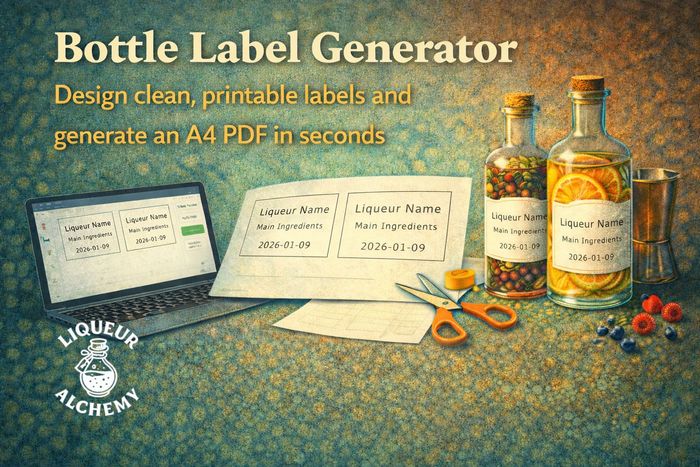
Bottle Label Generator preview

Bottle Label Generator

Create clean bottle labels with your liqueur name, batch details, date — ready for printing and gifting.
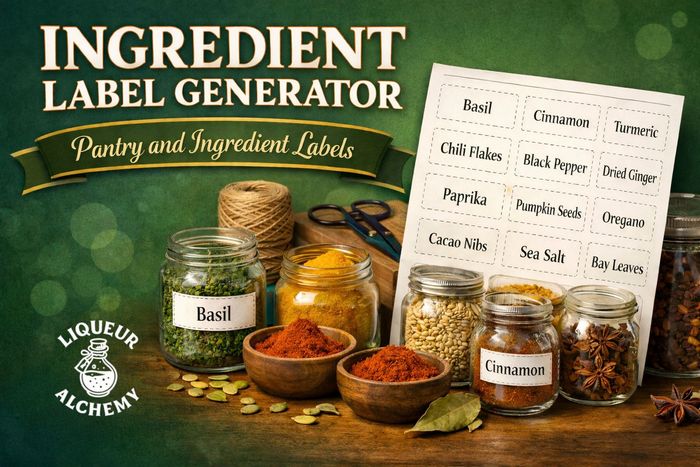
Ingredient Label Generator preview

Ingredient Label Generator

Label jars, containers, and storage bags to maintain clear organization from preparation through infusion and serving.
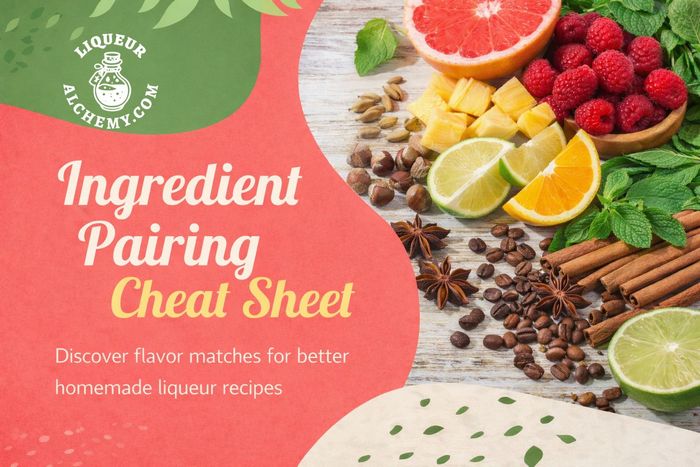
Ingredient pairing cheat sheet for creating balanced homemade liqueurs

Ingredient Pairing Cheat Sheet

Discover flavor combinations that create balanced, complex, and unique homemade liqueurs.