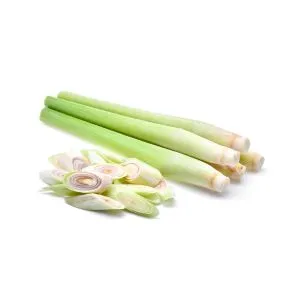
Lemongrass

Lemongrass for Liqueur Infusions – Flavor & Pairing Tips

Lemongrass brings a crisp lemon aroma with gentle grassy notes, making liqueurs feel lighter and more vivid. It pairs beautifully with ginger, vanilla, coconut, and tropical fruits, adding freshness without heavy acidity. Use short infusions for a clean, spa-like profile; longer steeps can turn more vegetal. Excellent for clear vodka or rum bases and for balancing sweetness in dessert-style blends.

Lemongrass

Home / Ingredients / Herbs / Lemongrass

Lemongrass Flavor Profile

Clean lemon aroma, grassy freshness, light herbal sweetness.

Lemongrass Impact on Liqueurs

Brightens liqueurs and reduces heaviness, adding a fresh tropical lift.

How to Use Lemongrass?

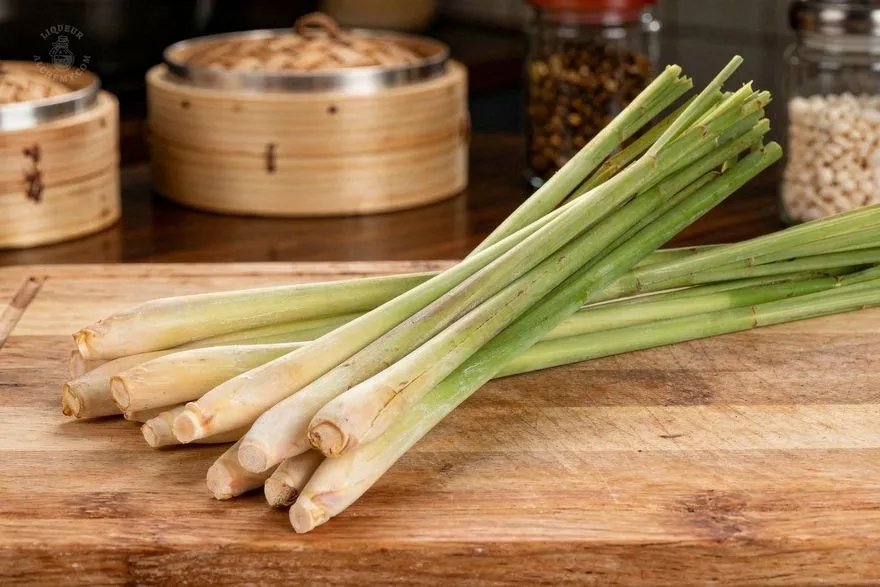
Bruise stalks; 1–2 stalks per 1 L. Infuse 5–10 days in vodka or rum.

Lemongrass Pairing Suggestions

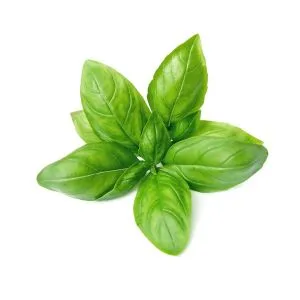
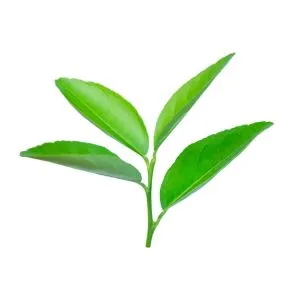
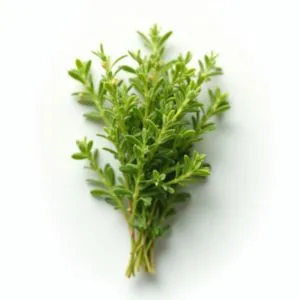
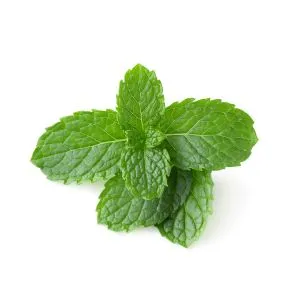
Vodka, Cane Sugar, Ginger, Lime, Mint, Honey, Basil, Coconut
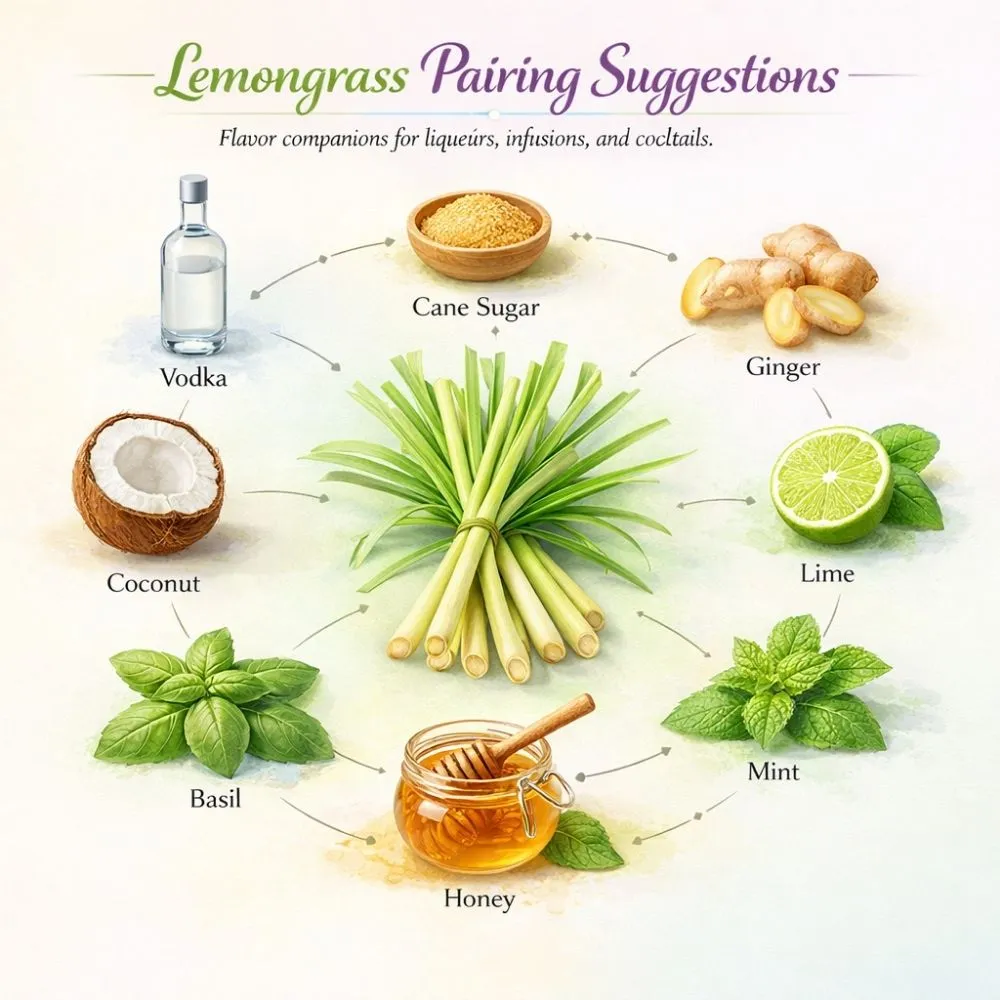
Lemongrass pairing suggestions for liqueur making

Lemongrass FAQ


Use the tender lower stalk (the pale part) and remove tough outer layers. Bruise it lightly, then cut into short sections. Lemongrass extracts quickly; use 40–50% ABV and start tasting at 6–12 hours.

Dosage: 1–3 stalks per liter depending on size and intensity. Many infusions are ready in 12–72 hours. Strain as soon as you get bright lemon-citrus aroma; longer contact can pull woody, grassy notes.

Common mistakes include using mostly the green tops and steeping for weeks. Flavor impact should be fresh lemony-herbal. Store cool and dark; lemongrass aromatics prefer low oxygen.

Lemongrass pairs with tropical fruits, ginger in tiny amounts, and clean herbs like basil or mint. It also loves coconut and light rum bases.

Timing: build your fruit infusion first, strain, then add lemongrass late for 12–48 hours. Alternatively, keep a lemongrass tincture for precise dosing.

Common mistakes include steeping lemongrass and fruit together for weeks. Flavor impact should be zesty and refreshing. Store cool and dark; lemongrass-forward bottles are best within a few months for peak aroma.

Several factors influence the extraction of lemongrass, including the temperature of the extraction method and the duration of infusion. Higher temperatures can accelerate the extraction process, but they may also extract undesirable bitter compounds if used excessively. Conversely, lower temperatures allow for a more controlled extraction, preserving the fresh citrus notes.

The cut size of the lemongrass also plays a crucial role in extraction efficiency. Smaller pieces increase the surface area, allowing for more flavor to be released into the liqueur. Experimenting with different cuts can help you discover the best method for your specific recipe.

Finally, the choice of base spirit can affect how well lemongrass flavors are extracted. Neutral spirits tend to showcase the lemongrass's bright notes, while more flavorful spirits may alter the final profile. Adjusting these variables can lead to a unique and enjoyable liqueur experience.

Lemongrass brings a unique combination of citrus and herbal flavors, making it a standout ingredient in craft liqueurs. Its bright, lemony taste can invigorate the palate and add a refreshing zing to various concoctions.

The subtle earthiness of lemongrass complements other ingredients, allowing it to harmonize beautifully with floral or fruity flavors. This versatility makes it a popular choice for mixologists aiming to create layered and complex drinks.

Moreover, the aromatic qualities of lemongrass can enhance the overall sensory experience of the liqueur. Its fragrant profile can entice the senses, making each sip more enjoyable and memorable.

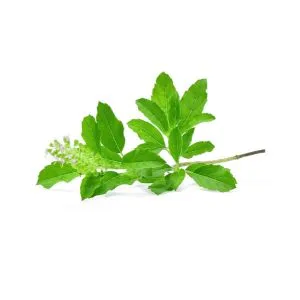
Yes, you can use basil as a substitute for lemongrass. It offers a fresh, aromatic flavor that can complement many liqueur recipes. Use sweet basil for a milder taste or Thai basil for a spicier kick, adjusting the quantity to your preference.

Mint is another herb that can work well in place of lemongrass. Its refreshing flavor can add a different dimension to your liqueur. Start with a small amount and taste as you go to ensure it doesn’t overpower the other ingredients.

Lastly, consider using cilantro for a unique twist. Its citrusy notes can mimic some aspects of lemongrass, but be cautious with the amount, as cilantro has a strong flavor that can dominate your liqueur.
Lemongrass
Lemongrass in Liqueur Crafting

More Herbs


RELATED RECIPES OF LIQUEUR ALCHEMY


Explore more creations from Liqueur Alchemy that share similar flavours, techniques, or ingredients. These related recipes offer fresh ideas and inspired combinations to help you craft your next bold, homemade spirit.

LIQUEUR ALCHEMY TOOLS & RESOURCES


Design labels in minutes—beautiful, practical, and ready to print. Choose a tool below to generate bottle or ingredient labels that match your Liqueur Alchemy workflow.
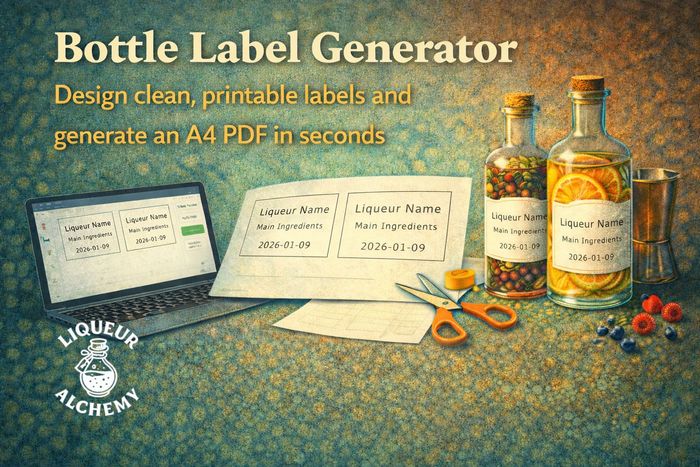
Bottle Label Generator preview

Bottle Label Generator

Create clean bottle labels with your liqueur name, batch details, date — ready for printing and gifting.
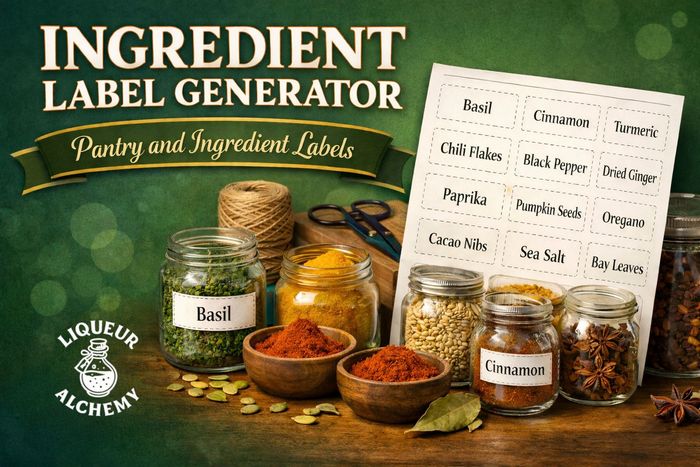
Ingredient Label Generator preview

Ingredient Label Generator

Label jars, containers, and storage bags to maintain clear organization from preparation through infusion and serving.
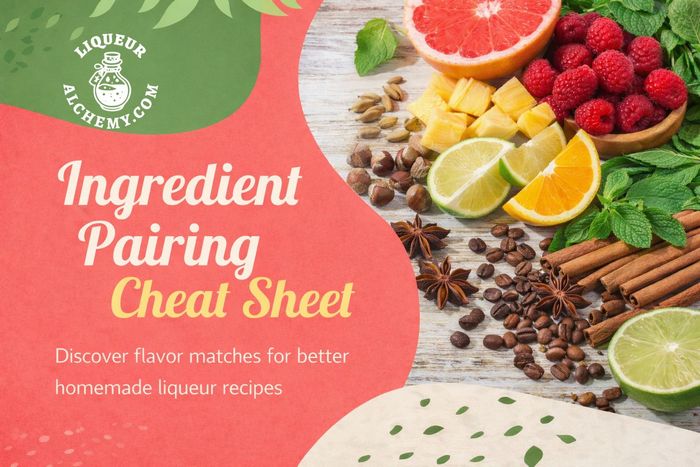
Ingredient pairing cheat sheet for creating balanced homemade liqueurs

Ingredient Pairing Cheat Sheet

Discover flavor combinations that create balanced, complex, and unique homemade liqueurs.