Kiwi Lumina

Kiwi Lumina – Bright Kiwi, Citrus and Ginger Vodka Liqueur

Kiwi Lumina is a bright, citrus-forward liqueur combining ripe kiwi with lemon zest, honey, and gentle spice. It delivers a fresh, tangy profile balanced by soft sweetness and a clean finish. Subtle ginger warmth and vanilla smoothness round out a vibrant yet refined character.

Main notes

  • Vodka
  • Green Kiwi

Ingredients

  • Vodka – 1 L
  • Kiwi – 800 g
  • White sugar – 120 g
  • Honey – 60 g
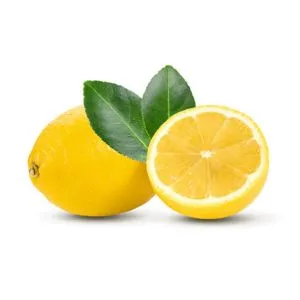
  • Lemon – zest of 1
  • Lemon juice – 30 ml
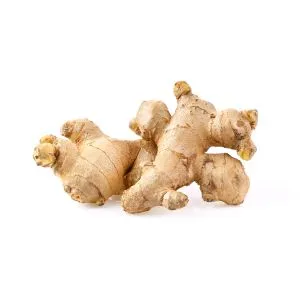
  • Ginger – 8 g
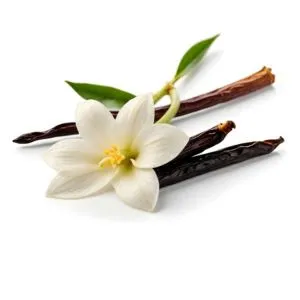
  • Vanilla – ½ pod

Preparation

  1. Peel the kiwi and cut into small, even chunks to maximise surface area.
  2. Lightly crush the fruit to release juices without turning it into puree.
  3. Place kiwi, lemon zest, thinly sliced ginger, and vanilla into a clean glass jar.
  4. Pour vodka over the ingredients, ensuring everything is fully submerged.
  5. Seal and store in a cool, dark place for 14 days, shaking gently once per day.
  6. After maceration, strain through a sieve, pressing lightly to extract full flavour.
  7. Filter through a fine cloth or coffee filter until clear and smooth.
  8. Stir in sugar, honey, and lemon juice until fully dissolved and balanced.
  9. Bottle and allow to rest for 14 days before tasting to fully integrate flavours.
Download

The Story

Kiwi Lumina captures the vibrant glow of ripe kiwi at its peak—bright, tangy, and alive with energy. Balanced with citrus zest, soft honey, and a hint of spice, it unfolds in layers that feel both refreshing and refined. This liqueur leans into clarity and brightness, where each sip feels crisp, luminous, and clean. Ginger adds a subtle spark, while vanilla smooths the edges, creating a harmony that lingers gently. Kiwi Lumina is a celebration of green freshness—modern, expressive, and quietly radiant.

Who is "Kiwi Lumina" Liqueur for?

For those who enjoy bright, fresh flavours with a clean edge. Perfect for curious palates, warm evenings, and anyone drawn to vibrant, citrus-forward liqueurs with a subtle twist of spice and softness.

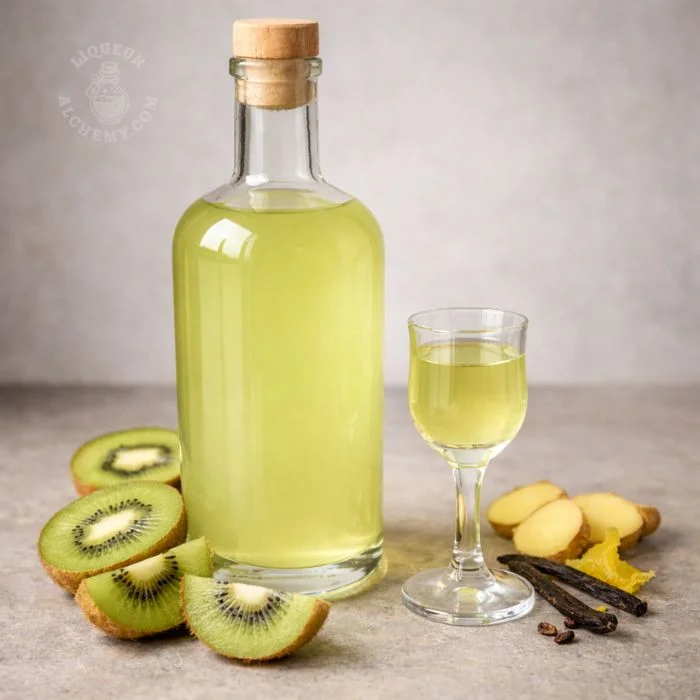
"Kiwi Lumina" Liqueur Serving Suggestions

Serve well chilled in a small glass or over ice to highlight its crisp, citrusy freshness. Ideal for warm afternoons or light evening sipping, where its bright kiwi and lemon notes can shine cleanly.

Why the Name "Kiwi Lumina"?

The name “Kiwi Lumina” reflects the luminous, almost glowing quality of ripe kiwi—bright in flavour and vivid in character. “Lumina” suggests clarity, light, and freshness, capturing the clean, radiant profile of the liqueur. It evokes something modern and expressive, where vibrant fruit meets a refined, polished finish.

Testing Notes

Kiwi extracts quickly, so shorter infusion times produced the best freshness and avoided dull or vegetal notes. A mix of sugar and honey gave better balance and texture than sugar alone. Lemon juice added brightness, but needed restraint to avoid overpowering the kiwi. Gentle filtering improved clarity without stripping aroma.
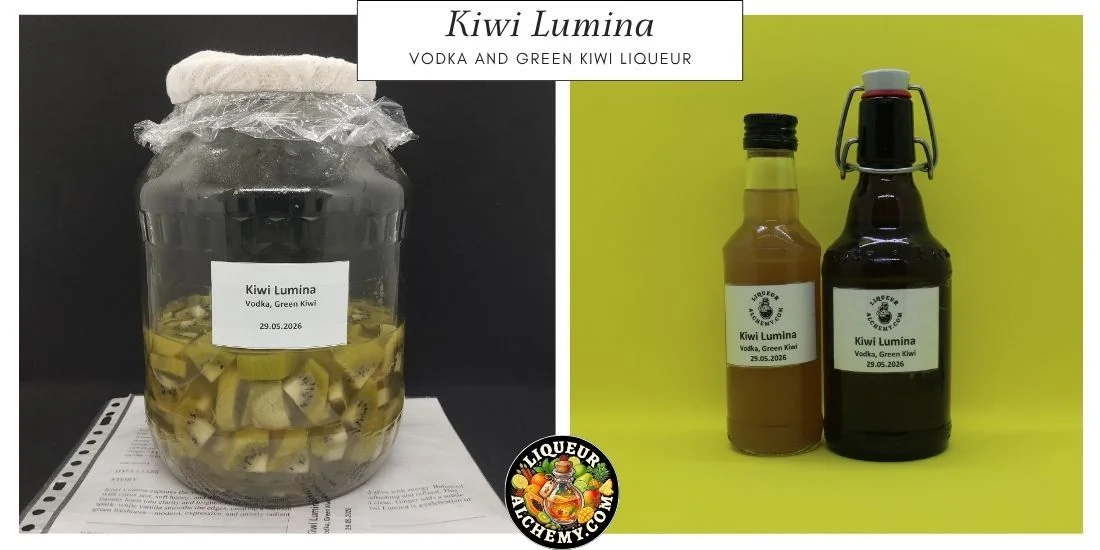
Kiwi Lumina liqueur during maceration and finished bottled liqueur

Kiwi Lumina Liqueur FAQ


A 14-day rest is a strong minimum for this style because the flavour profile changes noticeably after sweetening and straining. Right after bottling, the lemon may feel slightly separate, the honey may seem more obvious, and the kiwi can appear sharper than expected. During resting, those edges settle and the liqueur becomes smoother, rounder, and more integrated, which is especially important in recipes with both fruit acidity and warming spice.

Storage should be cool, dark, and stable. Light and heat can flatten the fresh fruit notes, while temperature swings may encourage haze or make the flavour seem less focused. A well-sealed glass bottle is best, and the liqueur should be kept away from direct sun even if it will be consumed within a few months. Refrigeration is optional, but it can help preserve freshness once the bottle is opened regularly.

Before serving, it is worth checking the bottle for any sediment and pouring gently if clarity matters. Over longer storage, a fruit liqueur may slowly lose some of its brightest top notes, so this style is usually best enjoyed while it still feels lively. Good resting builds harmony, but good storage preserves the freshness that gives the recipe its character.

View this Liqueur FAQ as a standalone page

Kiwi contains a lot of fine pulp, fruit solids, and natural compounds that easily pass through a coarse sieve. Even when the liquid looks fairly clean at first, it can become cloudy again after sugar, honey, and lemon juice are added. Sweeteners slightly change the structure of the liquid, and suspended particles that seemed minor during straining can suddenly become more visible, giving the liqueur a muddy or hazy appearance.

Another common cause is pressing the fruit too hard. A light press helps recover flavour, but heavy squeezing forces out excess pulp that is difficult to remove later. Over-crushing at the start can make the problem worse, because the kiwi breaks down too much during maceration. Honey can also add a faint haze if it is not fully dissolved, especially in a cooler room where it blends more slowly into the strained spirit.

The best fix is patience and layered filtration. Let the strained liquid settle, then pass it through cloth or a coffee filter more than once if needed. It also helps to dissolve sweeteners thoroughly before bottling. A slight haze is not a flaw in a fruit liqueur, but careful handling at the crushing, straining, and finishing stages will produce a cleaner and more polished result.

View this Liqueur FAQ as a standalone page

For this recipe, 14 days is a good upper working point when the kiwi is ripe but still fresh and the ginger is used in a modest amount. Kiwi releases flavour fairly quickly, and if left too long it can lose its lively fruit character and start tasting muted, seedy, or slightly vegetal. Ginger behaves differently, becoming more assertive over time, so the balance depends on both ingredients rather than kiwi alone.

A useful sign is the aroma of the jar. If the kiwi still smells bright and the ginger remains supportive rather than dominant, the infusion is on track. If the scent becomes heavy, jammy, or overly spicy, the ingredients have likely stayed in too long. In warmer conditions, extraction can move faster, so daily shaking should remain gentle and the jar should be kept consistently cool and dark.

If there is any doubt, taste around day 10 to 12 and decide whether the fruit still feels vivid. Once the kiwi seems fully expressed, straining promptly is better than chasing extra intensity. The liqueur gains more harmony during resting, so it is safer to stop maceration slightly early than to risk a tired, overworked flavour base.

View this Liqueur FAQ as a standalone page

The closest substitute for fresh kiwi is green gooseberry, because it brings a similar sharp fruitiness, light tartness, and vivid freshness. Feijoa can also work if available, giving a more aromatic and floral result, while green grapes can help soften the profile if the goal is a gentler, less acidic finish. Replacing kiwi with very sweet fruits such as melon or pear will noticeably reduce the lively edge that makes this style feel bright and clean.

If using a substitute, the biggest adjustment is usually acidity rather than sweetness. Kiwi naturally gives both soft pulp and a fresh sour lift, so less acidic fruits often need slightly more lemon juice or zest to keep the liqueur from tasting flat. Gooseberry may need a touch more honey or sugar if it feels too sharp, while sweeter fruits may need less sweetener and more citrus support to stay balanced.

Texture also changes with the fruit choice. Kiwi creates a pulpy infusion that benefits from careful filtering, while grapes produce a cleaner but less expressive result. Any substitute should be judged after a few days of maceration, because the right replacement is not only about flavour similarity, but also about how well it holds freshness after straining, sweetening, and resting.

View this Liqueur FAQ as a standalone page

If the liqueur tastes too sharp, the first adjustment should usually be sweetness rather than more citrus. Kiwi already carries a naturally tart profile, and lemon reinforces that brightness, so adding extra lemon too early can push the balance further away from smoothness. A small increase in sugar softens the edges cleanly, while a little more honey adds roundness and body, especially if the liquid feels thin as well as sour.

If the liqueur tastes too sweet, the correction depends on whether it feels sugary, heavy, or simply under-acidic. A small amount of extra lemon juice can lift the flavour and reduce the impression of sweetness without actually removing sugar. More zest can also sharpen the aroma without thinning the texture. If honey is the source of heaviness, reducing it in future batches will usually create a brighter finish than cutting white sugar alone.

The safest approach is to adjust in very small measured additions, stirring fully and tasting again after the liquid settles. Balance in kiwi liqueur is delicate because tart fruit, floral honey, and citrus all pull in different directions. Fine tuning works best when the changes are gradual, not dramatic, and when the final judgement is made after at least a short rest.

RALETED RECIPES OF LIQUEUR ALCHEMY


Explore more creations from Liqueur Alchemy that share similar flavours, techniques, or ingredients. These related recipes offer fresh ideas and inspired combinations to help you craft your next bold, homemade spirit.