Why do ginger and lemongrass liqueurs sometimes taste harsh, bitter, or perfumy?
Troubleshooting Common Homemade Liqueur Problems and Fixes
Direct Answer
Harsh or perfumy results usually come from over-extraction, poor ingredient prep, or stale aromatics. Tasting during infusion and removing fast-extracting ingredients earlier helps avoid this.
Expanded Explanation
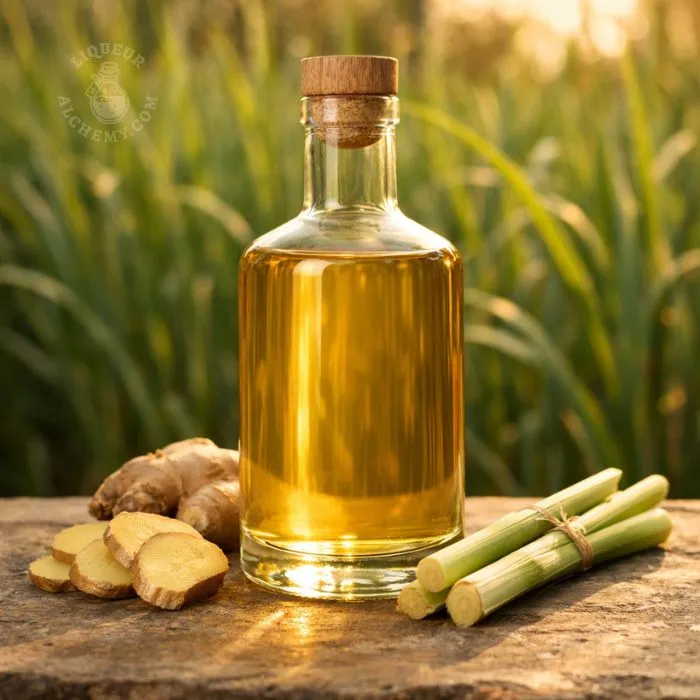
The most common cause is over-extraction from the aromatic ingredients rather than the base spirit itself. Lime zest left too long can add bitterness, cardamom can become perfumy, and old or fibrous ginger can produce a rougher, drier heat. Lemongrass that is cut too aggressively or infused too long may also shift from fresh citrus-herbal notes to a woody edge.
Another frequent mistake is poor ingredient preparation. Thick ginger chunks extract unevenly, while too much bruising or shredding of lemongrass can release tougher plant notes and make straining harder. Using damaged, dry, or stale ingredients also reduces clarity of flavor and makes the final liqueur feel muddled instead of precise.
Sweetness can hide some sharpness, but it cannot fully fix a badly extracted batch. The safest method is to taste during infusion, remove fast-moving ingredients earlier, and only adjust sugar and honey after straining. Once bitterness or excessive perfume has settled into the liquid, correction becomes limited, so prevention matters more than rescue.