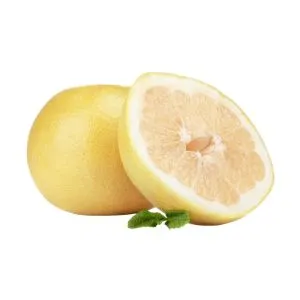
Grapefruit (Yellow)

Yellow Grapefruit in Liqueurs: Bitter Citrus Lift and Bright Aroma

Yellow grapefruit brings vivid citrus aroma, juicy acidity, and a distinct bitter edge that can make liqueurs feel fresher, drier, and more structured. Both the flesh and peel contribute flavor, but the peel is especially powerful because of its fragrant oils and pith bitterness. Use only thin zest with minimal white pith for cleaner results. The flesh adds bright juice and tang, while the peel adds lift and long finish. It pairs well with vodka, gin, honey, cane sugar, ginger, and warm spices, especially in aperitif-style liqueurs.

Grapefruit (Yellow)

Home / Ingredients / Fruits / Grapefruit (Yellow)

Grapefruit (Yellow) Flavor Profile

bright, bitter, citrusy, juicy, zesty, aromatic
Grapefruit (Yellow) Impact on Liqueurs

Adds bitter-citrus lift, refreshing sharpness, and aromatic top notes; peel can overpower if overused.

How to Use Grapefruit (Yellow)?

Use peeled flesh and very thin zest only. Start with 250–500 g flesh and 2–4 zest strips per 1 L spirit. Infuse zest for 2–6 days and flesh for 7–14 days, tasting early to avoid harsh bitterness.

Grapefruit (Yellow) Pairing Suggestions

Vodka, Gin, Cane Sugar, Honey, Ginger, Cardamom, Vanilla, Rosemary, Cinnamon, Orange Peel
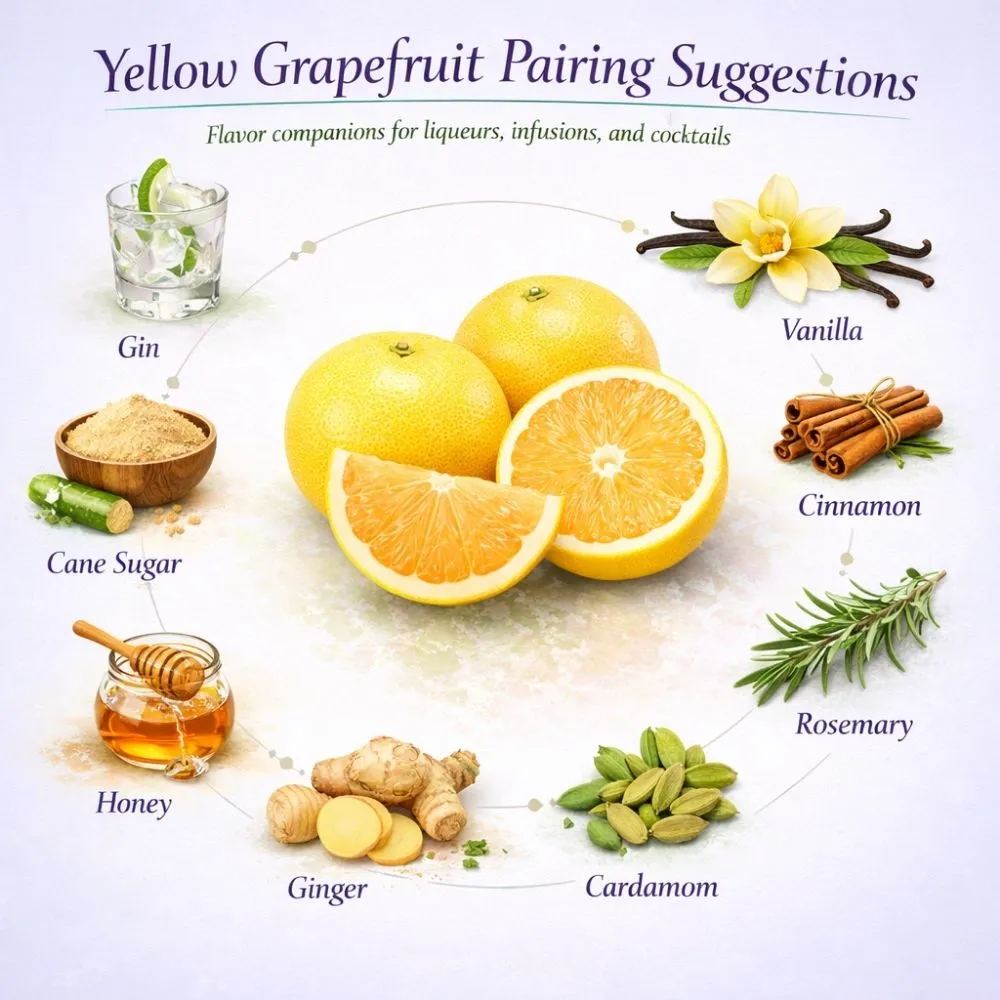
Grapefruit (Yellow) pairing suggestions for liqueur making

Grapefruit (Yellow) FAQ


Yellow grapefruit peel and flesh behave very differently in alcohol. The peel extracts fast because it contains concentrated aromatic oils that bring bright citrus lift, bitterness, and a long zesty finish. The flesh extracts more slowly and contributes juice-like freshness, soft acidity, and a gentler fruit character rather than strong aroma.

In most liqueurs, the peel becomes noticeable within the first one to three days, especially in spirits around 35 to 45 percent alcohol. The flesh usually needs a little longer to give a rounded citrus impression, but leaving too much membrane or pith in the jar can push the flavor toward harsh bitterness instead of clean grapefruit brightness.

For better control, many makers infuse zest separately from the flesh or remove the peel earlier than the fruit. Thin peel with minimal white pith gives cleaner results, while carefully segmented flesh adds fresher citrus depth. This split approach makes it easier to build a grapefruit liqueur that tastes vivid rather than aggressively bitter.

View this Ingredient FAQ as a standalone page

The most common mistake is using too much white pith. Grapefruit pith carries strong bitterness that can quickly dominate a liqueur and make it taste medicinal or unpleasantly dry. Thick strips of peel may look efficient, but they often give rough results unless the infusion is kept very short.

Another frequent problem is leaving the peel in the spirit for too long without tasting. Grapefruit zest can move from fresh and fragrant to sharp and bitter surprisingly quickly, especially in neutral spirits that do not soften the citrus edges. The same applies to including too much membrane with the fruit, which can add bitterness and muddy the flavor.

A third mistake is over-sweetening too early before the citrus profile is fully understood. Once sugar is added, bitterness can seem hidden at first, then reappear later during rest. The best practice is to strain carefully, taste the unsweetened infusion, and add sweetness gradually so the final liqueur keeps both brightness and structure.

View this Ingredient FAQ as a standalone page

Bitter compounds in yellow grapefruit can start showing up quite fast, especially when peel and pith are included. Bright citrus aroma may appear within the first day, while noticeable bitterness often develops after about 24 to 48 hours if the peel remains in strong alcohol.

The speed depends on how much white pith is attached, how thick the peel strips are, and the strength of the spirit. High-proof alcohol pulls bitterness and aromatic oils faster than lower-proof alcohol, so close tasting is important early in the process.

To control the result, remove peel once the aroma is strong and clean, then let the flesh continue if needed. Daily tasting is the safest way to capture grapefruit lift before the infusion turns hard or excessively bitter.

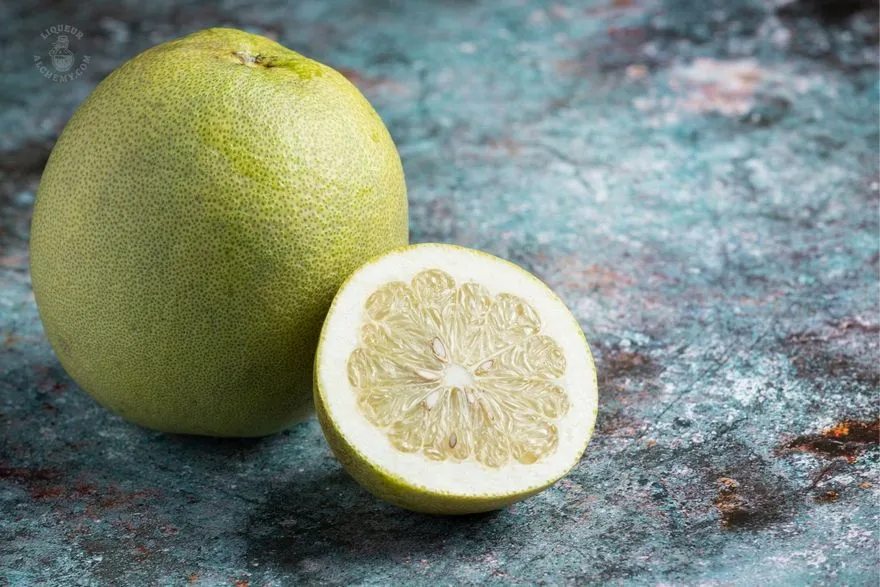
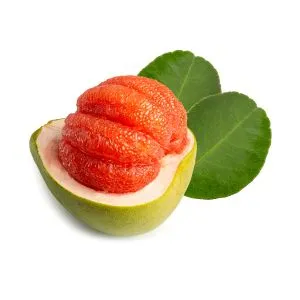
Pomelo usually gives a gentler, drier, and less sharply bitter result than grapefruit. It can make a liqueur feel elegant and airy, with softer citrus structure and less aggressive bite on the finish.

Orange pushes the profile in another direction. It adds sweeter, rounder, more familiar citrus notes and usually reduces the crisp bitterness that grapefruit contributes, which can make the liqueur feel fuller and more accessible.

If you swap grapefruit for either fruit, the whole character shifts. Pomelo keeps the drink closer to aperitif style, while orange tends to create a softer and more dessert-friendly citrus liqueur.

Too much pith is one of the fastest ways to ruin a grapefruit infusion. The white inner layer contains strong bitter compounds that can make the liqueur taste rough, chalky, and unpleasantly drying.

Even if the aroma seems promising at first, excess pith can take over as the infusion continues. The result may lose its lively citrus character and become dominated by bitterness that feels blunt rather than refreshing.

To avoid this, use a peeler or sharp knife to take only the colored outer zest. Keeping peel thin and clean gives better control over both flavor quality and extraction speed.
Grapefruit (Yellow)
Grapefruit (Yellow) in Liqueur Crafting

More Fruits


LIQUEUR ALCHEMY TOOLS & RESOURCES


Design labels in minutes—beautiful, practical, and ready to print. Choose a tool below to generate bottle or ingredient labels that match your Liqueur Alchemy workflow.
Bottle Label Generator preview

Bottle Label Generator

Create clean bottle labels with your liqueur name, batch details, date — ready for printing and gifting.
Ingredient Label Generator preview

Ingredient Label Generator

Label jars, containers, and storage bags to maintain clear organization from preparation through infusion and serving.
Ingredient pairing cheat sheet for creating balanced homemade liqueurs

Ingredient Pairing Cheat Sheet

Discover flavor combinations that create balanced, complex, and unique homemade liqueurs.