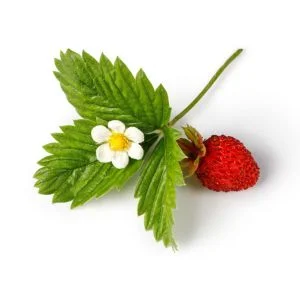
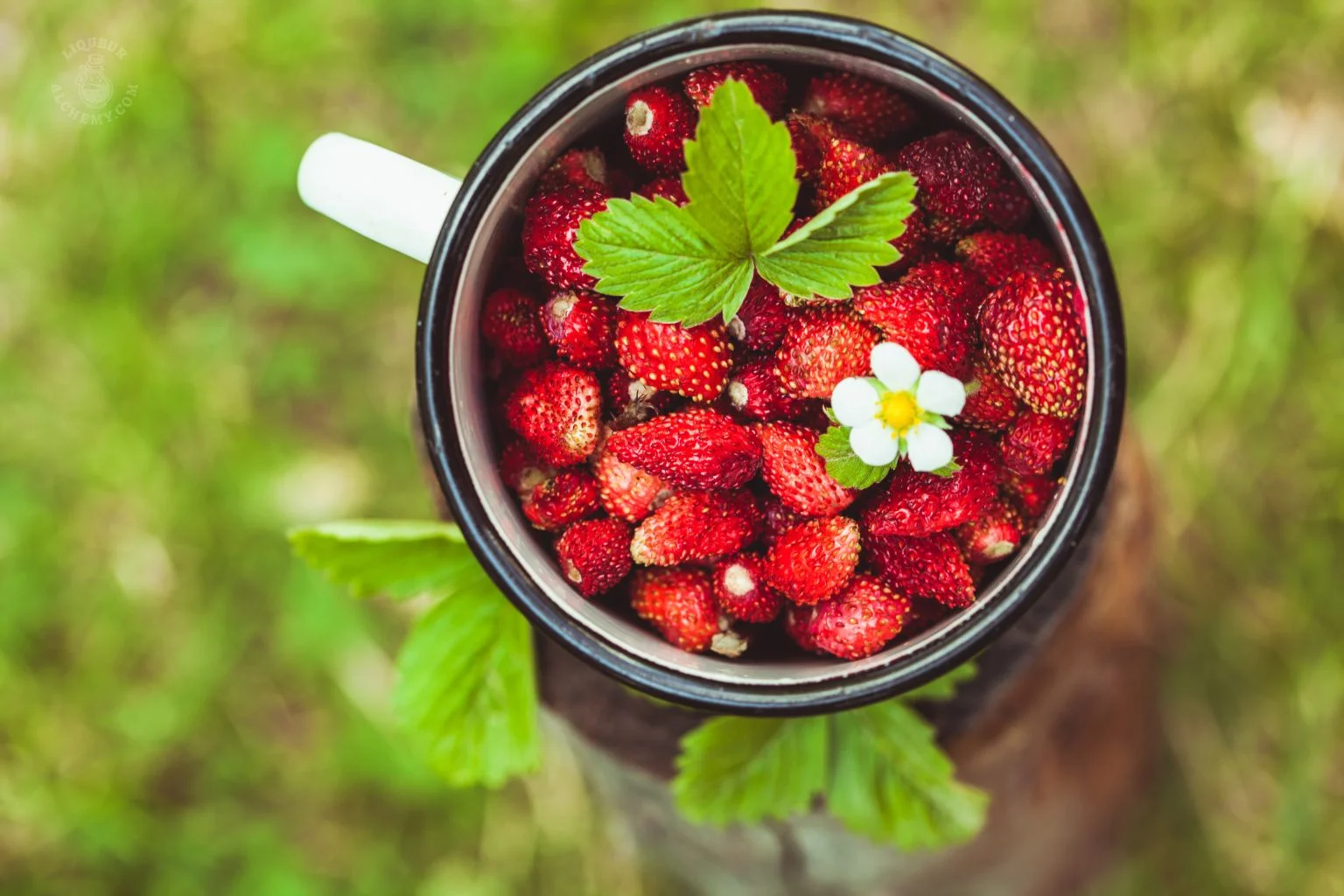
Strawberry (Wild)

Wild Strawberry in Liqueur Making: Intensity, Aroma and Elegance

Wild strawberry is prized in liqueur making for its intense aroma, delicate sweetness, and vivid red-berry character. Smaller and more fragrant than cultivated strawberries, it creates refined infusions with concentrated flavor and a natural, elegant fruit profile. In homemade liqueurs, wild strawberry adds depth, brightness, and a soft floral nuance that enhances both sweetness and freshness. It pairs beautifully with citrus, vanilla, honey, and light spirits, producing expressive, balanced, and aromatic fruit liqueurs.

Strawberry (Wild)

Home / Ingredients / Fruits / Strawberry (Wild)

Strawberry (Wild) Flavor Profile

Sweet, aromatic, fruity, slightly floral, vivid, and fresh with concentrated berry notes and soft acidity.
Strawberry (Wild) Impact on Liqueurs

Adds strong aroma, rich berry depth, natural sweetness, and refined fruit character, enhancing balance and complexity.

How to Use Strawberry (Wild)?

Use fresh, ripe wild strawberries for maximum aroma, avoid over-infusion to preserve freshness, and pair with light sweeteners or citrus to maintain balance.

Strawberry (Wild) Pairing Suggestions

Vodka, White Rum, Cane Sugar, Honey, Lemon Zest, Vanilla, Raspberry, Mint, Orange Zest, Cream
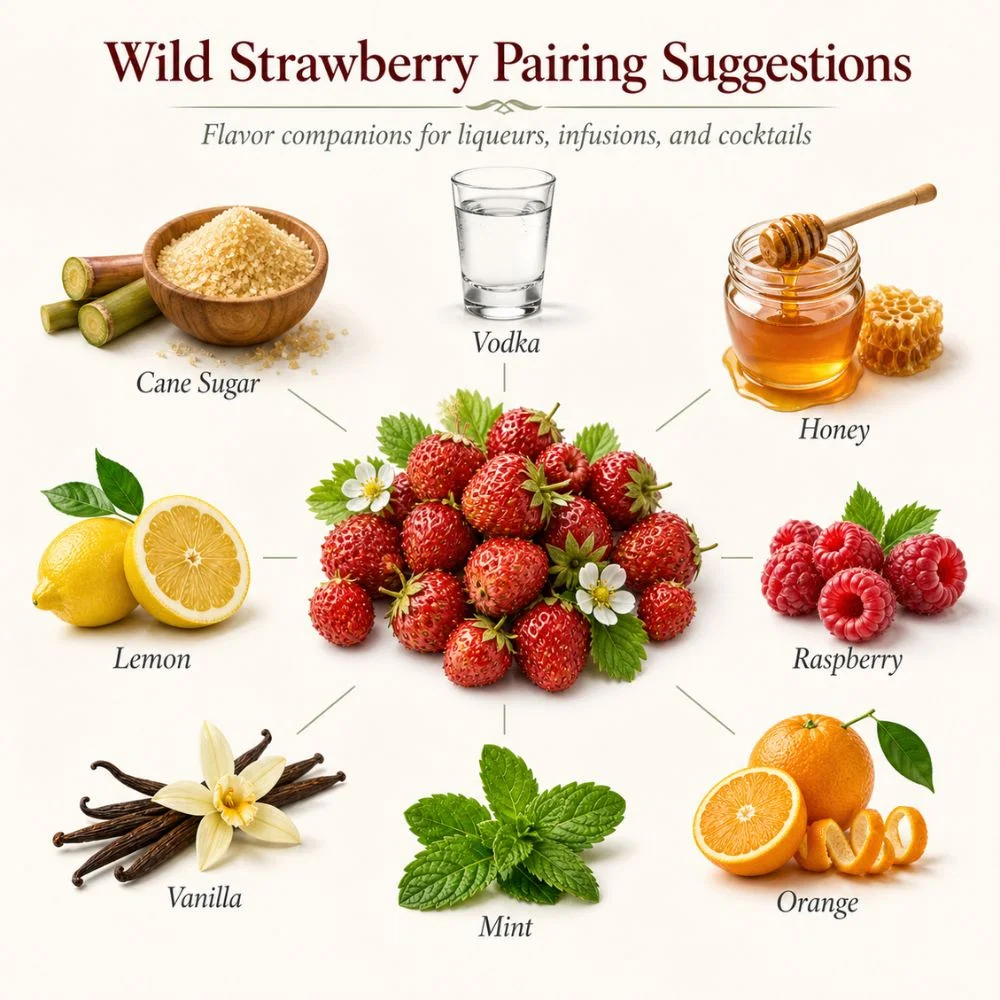
Strawberry (Wild) pairing suggestions for liqueur making

Strawberry (Wild) FAQ


Wild strawberries extract into alcohol with a more concentrated and aromatic character than most cultivated strawberries. Although they are smaller, they often carry a stronger perfume, deeper berry nuance, and more delicate floral sweetness. In liqueur making, this means they can create a very expressive infusion without needing the same visual volume of fruit. Cultivated strawberries often provide juiciness, softness, and familiar sweetness, while wild strawberries tend to give a more refined and intense aroma that feels closer to the essence of strawberry.

The extraction also feels more delicate. Wild strawberries can release beautiful fragrance quickly, but that fragrance can be fragile if the infusion is pushed too long or handled roughly. Cultivated strawberries are usually fleshier and may contribute more pulp, water, and soft fruit body. Wild strawberries are less about bulk and more about aromatic lift. This makes them excellent for elegant liqueurs, but it also means the maker should avoid overwhelming them with strong spices, heavy spirits, or too much sugar.

For homemade liqueurs, wild strawberries are best treated as a premium aromatic fruit. They can produce a more sophisticated strawberry profile than cultivated berries, but they require careful timing and gentle handling. When used well, they give depth, perfume, sweetness, and freshness in a way that feels vivid and natural rather than simple or candy-like.

Replacing wild strawberry is difficult because its strength lies in the combination of intense aroma, delicate sweetness, and small-berry refinement. The closest substitute is usually a very ripe, fragrant cultivated strawberry, especially if the variety is naturally aromatic rather than watery. Alpine strawberries, if available, are even closer and can behave much like wild strawberries in liqueur making. Raspberries can also replace part of the aromatic intensity, though they bring more acidity and a sharper red-berry structure.

If the goal is to preserve softness and perfume, a blend often works better than a single replacement. Cultivated strawberries can provide the familiar strawberry body, while a small amount of raspberry or red currant can add brightness and definition. A tiny amount of vanilla or lemon zest may help restore some of the delicate aromatic lift that wild strawberries naturally provide. The aim is not to copy the exact flavor perfectly, but to rebuild the same feeling of fresh, fragrant, elegant berry sweetness.

For homemade liqueurs, the best substitute depends on the recipe style. If the liqueur is meant to be gentle and romantic, use the most aromatic strawberries available and support them with light citrus or vanilla. If the liqueur needs more intensity, add a small portion of raspberry. Wild strawberry is unique, but careful blending can preserve the same refined, berry-led direction.

Wild strawberries should usually be infused with a shorter, carefully watched timing because their best qualities are aromatic and delicate. A practical starting window is often several days to two weeks, depending on fruit ripeness, alcohol strength, and whether the berries are whole or lightly bruised. The fragrance can appear quickly, and once it is present, longer maceration does not always improve the result. The goal is to capture the vivid berry perfume while it still feels fresh and lifted.

If wild strawberries are left too long, the liqueur can lose some of its bright top notes. The fruit may still taste berry-like, but the perfume can become flatter, softer, or slightly dull. Over time, pulp and seed material may also contribute dryness or sediment, especially if the berries were crushed. Neutral spirits reveal these changes clearly, while sweeter or more aromatic bases may hide them for a while. Regular tasting is the safest way to know when the infusion has reached its best point.

For most homemade liqueurs, stop when the aroma is clearly wild strawberry and the palate still feels fresh. Sweetening and resting can then round the liqueur without requiring the fruit to remain in alcohol longer. Wild strawberry is not an ingredient to extract aggressively. It is best when treated gently and strained before its delicate charm fades.

Wild strawberry liqueur can lose its aroma quickly because much of its beauty comes from delicate volatile compounds that are sensitive to air, heat, light, and time. The fresh, perfumed quality that makes wild strawberries special is not as sturdy as heavier spice, citrus peel, or dried fruit notes. If the liqueur is exposed to warm storage, sunlight, or repeated opening, the top notes can fade. The drink may still taste sweet and fruity, but the distinctive wild strawberry perfume becomes weaker.

Aroma loss can also happen when the infusion is overworked. Long maceration, heavy crushing, excessive filtration through very fine material, or over-sweetening can all reduce the sense of freshness. Too much sugar may not destroy aroma directly, but it can make the fruit seem quieter by covering its delicate high notes. Using old, weak, or underripe berries also creates a liqueur that starts with less aromatic strength, so it appears to fade quickly after bottling because there was not enough perfume to preserve.

The best prevention is careful handling from fruit to bottle. Use ripe, fragrant berries, infuse gently, strain when the aroma is vivid, and bottle with minimal headspace. Store the finished liqueur in a cool, dark place and avoid unnecessary air exposure. Wild strawberry liqueur is best protected like a delicate fruit perfume. With good technique, its aroma can remain beautiful, but it needs protection more than heavier ingredients do.

View this Ingredient FAQ as a standalone page

Wild strawberries bring a flavor profile that is intensely aromatic, sweet, delicate, floral, and deeply berry-like. They often taste more concentrated than their small size suggests, with a fragrance that can feel almost perfumed. In homemade liqueurs, they create a strawberry character that is less watery and more refined than many cultivated berries. The result can feel vivid, natural, and elegant, with a fresh red-fruit identity that works beautifully in light, aromatic, or dessert-friendly styles.

Their sweetness is usually soft rather than heavy, and their acidity is gentle. This means wild strawberries do not naturally create a sharp or highly structured liqueur. Instead, they add perfume, charm, and a rounded berry core. Pairings such as lemon zest, vanilla, honey, mint, raspberry, or white rum can help shape the fruit in different directions. Citrus adds lift, vanilla adds softness, raspberry adds brightness, and honey adds warm floral depth. The wild strawberry remains the star when those partners are used with restraint.

For liqueur making, wild strawberry is one of the most expressive berry ingredients when treated carefully. It brings aroma more than force, elegance more than weight, and freshness more than simple sweetness. A successful wild strawberry liqueur should feel fragrant, polished, and alive, with the fruit’s natural perfume leading the whole experience.

View this Ingredient FAQ as a standalone page

Strawberry (Wild)
Strawberry (Wild) in Liqueur Crafting

More Fruits


LIQUEUR ALCHEMY TOOLS & RESOURCES


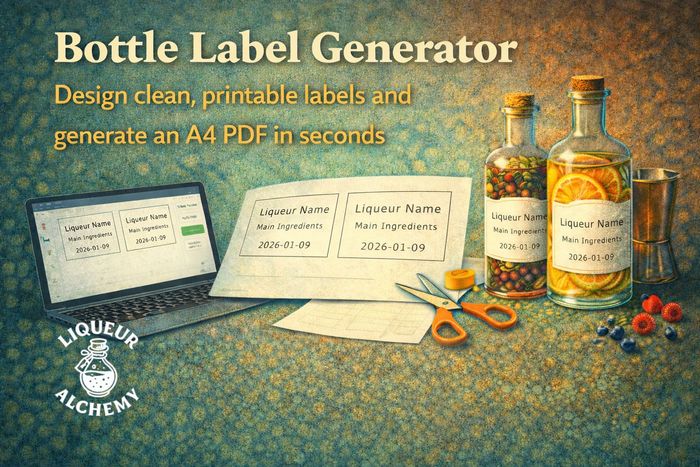
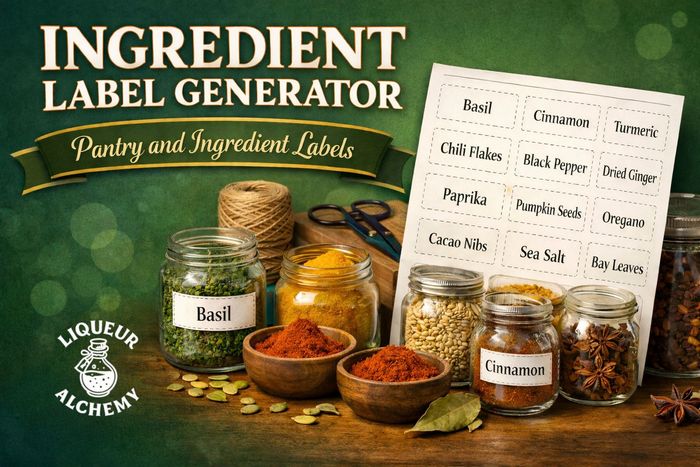
Design labels in minutes—beautiful, practical, and ready to print. Choose a tool below to generate bottle or ingredient labels that match your Liqueur Alchemy workflow.
Bottle Label Generator preview

Bottle Label Generator

Create clean bottle labels with your liqueur name, batch details, date — ready for printing and gifting.
Ingredient Label Generator preview

Ingredient Label Generator

Label jars, containers, and storage bags to maintain clear organization from preparation through infusion and serving.
Ingredient pairing cheat sheet for creating balanced homemade liqueurs

Ingredient Pairing Cheat Sheet

Discover flavor combinations that create balanced, complex, and unique homemade liqueurs.