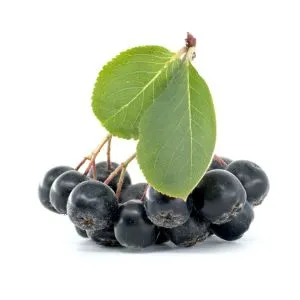
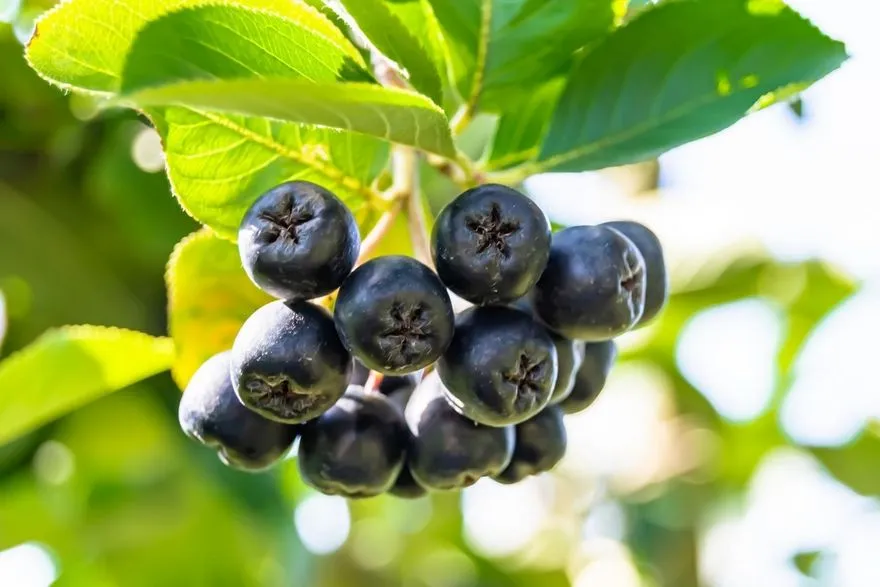
Chokeberry

Chokeberry for Liqueur Infusions – Flavor & Pairing Tips

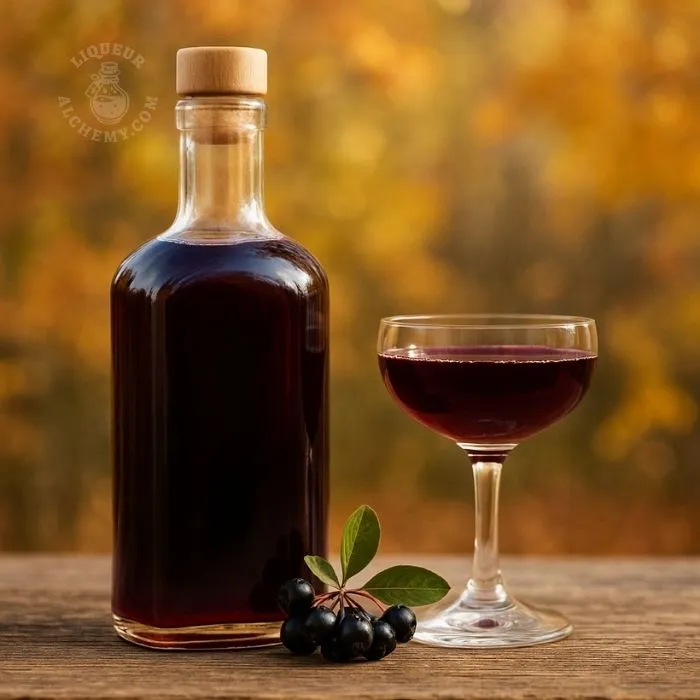
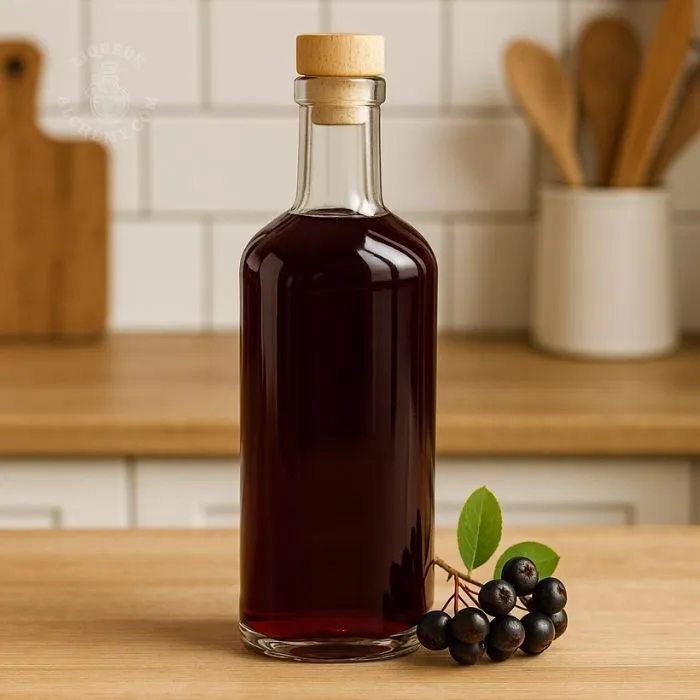
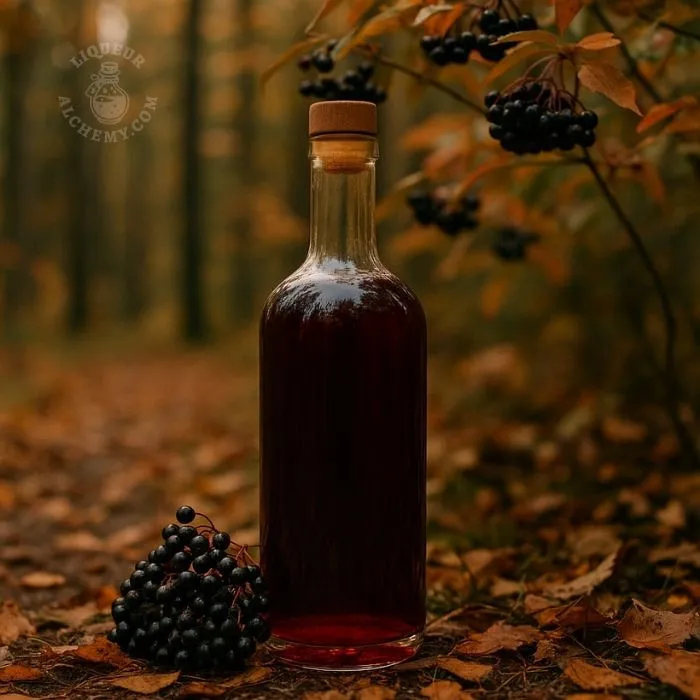
Chokeberries impart a deep, astringent edge and dramatic hue. Their balance of sourness and tannins adds refinement, making them perfect for mature, sophisticated liqueurs rich in antioxidants and layered flavors.

Chokeberry

Home / Ingredients / Fruits / Chokeberry

Chokeberry Flavor Profile

Deeply tart, tannic berry flavor with dry, wine-like astringency.
Chokeberry Impact on Liqueurs

Adds intense structure and dryness; excellent for complex, amaro-style liqueurs.

How to Use Chokeberry?

Use fresh or frozen berries; 500–800 g per 1 L. Infuse 3–6 weeks in vodka or brandy.

Chokeberry Pairing Suggestions

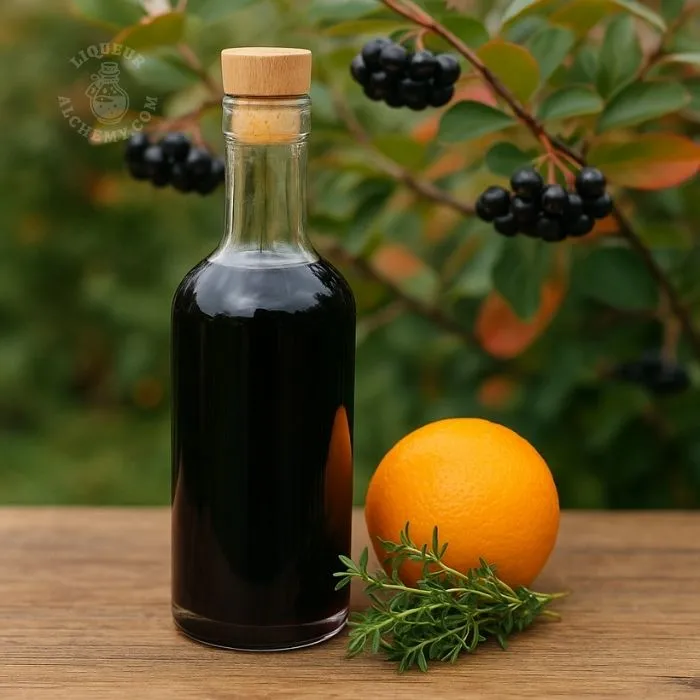
Vodka, White Sugar, Apple, Cinnamon, Clove, Vanilla, Honey, Orange Peel
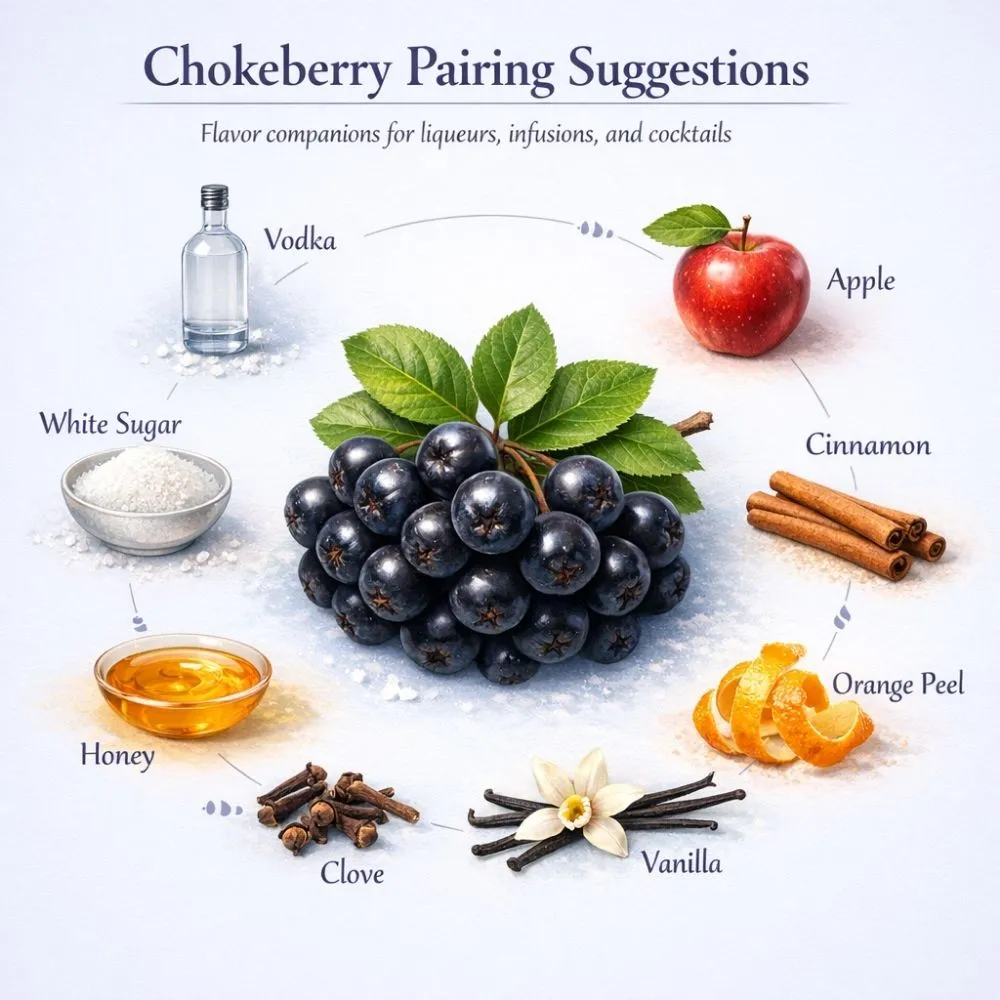
Chokeberry pairing suggestions for liqueur making

Chokeberry FAQ


Chokeberries (aronia) are naturally high in tannins, which can make liqueur taste drying or harsh if over-extracted. The easiest control is timing: start tasting early and strain before the finish turns too astringent.

Freezing the berries first helps break cell walls and can make extraction smoother, but it also releases tannin faster—so tasting is still crucial. Using a slightly higher sugar level and giving the bottle time to rest also softens perceived dryness.

To shape the profile, add a small amount of vanilla, citrus peel, or a lighter fruit infusion for lift. Blending is often the best fix if the chokeberry bite is already too strong.

Yes—if you’re chasing dark color and tannic structure, blackcurrant, elderberry, or a mix of blueberries and dried peel can get you close. The key difference is that chokeberry is more drying than most berries.

If you swap to blackcurrant, you’ll get more aroma and less astringency; if you use elderberry, you may get a deeper, wine-like character. Adjust sweetness and infusion time accordingly because tannin levels differ.

If you want “chokeberry style” bite, blend in a small amount of strong tea or a tannic berry instead of over-infusing a softer fruit. Blending is safer than forcing tannin through long maceration.

Several factors can influence the extraction behavior of chokeberries in liqueur making. The type of alcohol used plays a crucial role; higher proof spirits tend to extract flavors more efficiently than lower proof options. Additionally, the temperature during extraction can affect the rate at which flavors are drawn out, with warmer temperatures generally speeding up the process.

The size of the chokeberries also impacts extraction. Crushing or chopping the berries can increase surface area, allowing for more effective extraction of flavors and compounds. However, care should be taken not to over-process, as this can lead to excessive bitterness in the final product.

Lastly, the duration of the extraction process is vital. While longer extraction times can yield more intense flavors, they can also lead to undesirable elements being extracted. Therefore, it’s important to find the right balance to achieve the desired flavor profile in your liqueur.

Yes, you can replace chokeberry with other fruits such as raspberries. Raspberries have a bright, tangy flavor that can replicate the tartness of chokeberries, making them a suitable choice for liqueur making.

Another great alternative is cranberries, which bring a similar acidity and vibrant color to your liqueur. They can enhance the overall flavor profile while maintaining the essence of the original recipe.

If you're looking for something sweeter, consider using strawberries. While they are sweeter, they can provide a delightful contrast to the tartness typically associated with chokeberries. Just be mindful of adjusting the sugar levels to achieve the desired taste.

The recommended dosage of chokeberry typically ranges from 100 to 300 grams per liter of base spirit. This amount can vary based on the sweetness of the chokeberries and the desired flavor intensity. Start with a smaller amount if you're unsure.

When crafting your liqueur, consider the balance of flavors. If you prefer a sweeter liqueur, you might want to lean towards the higher end of the dosage scale. Conversely, for a more tart profile, use less chokeberry to maintain a balanced taste.

Always remember to taste your mixture as you go along. Adjust the amount of chokeberry based on your personal preference, and keep notes for future batches to perfect your recipe.
Chokeberry
Chokeberry in Liqueur Crafting

More Fruits


RELATED RECIPES OF LIQUEUR ALCHEMY


Explore more creations from Liqueur Alchemy that share similar flavours, techniques, or ingredients. These related recipes offer fresh ideas and inspired combinations to help you craft your next bold, homemade spirit.

LIQUEUR ALCHEMY TOOLS & RESOURCES


Design labels in minutes—beautiful, practical, and ready to print. Choose a tool below to generate bottle or ingredient labels that match your Liqueur Alchemy workflow.
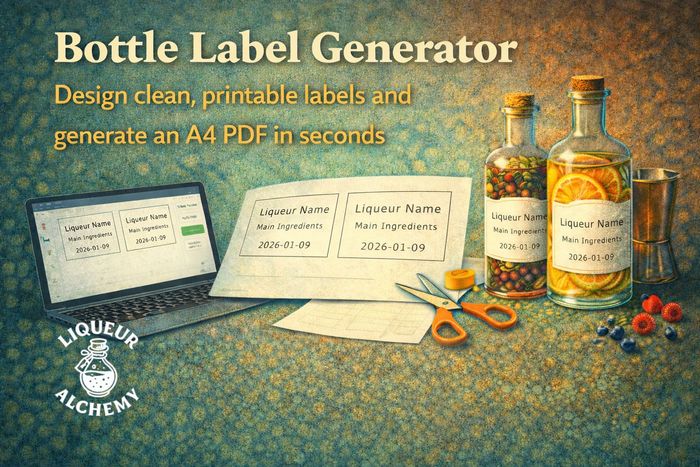
Bottle Label Generator preview

Bottle Label Generator

Create clean bottle labels with your liqueur name, batch details, date — ready for printing and gifting.
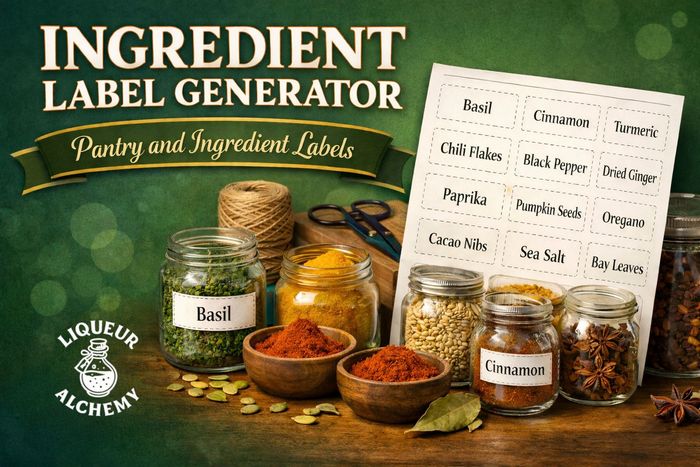
Ingredient Label Generator preview

Ingredient Label Generator

Label jars, containers, and storage bags to maintain clear organization from preparation through infusion and serving.
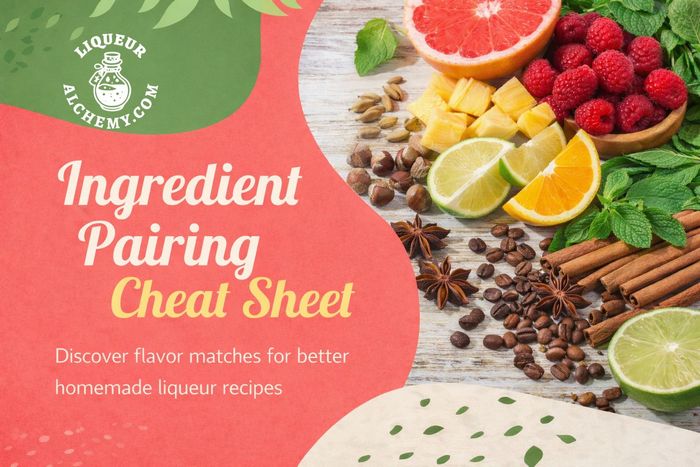
Ingredient pairing cheat sheet for creating balanced homemade liqueurs

Ingredient Pairing Cheat Sheet

Discover flavor combinations that create balanced, complex, and unique homemade liqueurs.