How does yellow grapefruit peel and flesh extract in homemade liqueurs?
Ingredients and Sweeteners That Shape Liqueur Flavor
Direct Answer
Yellow grapefruit peel extracts quickly with strong aromatic oils and bitterness, while the flesh gives slower, juicier citrus character. Using thin zest and controlling pith and timing helps keep grapefruit liqueurs bright and balanced.
Expanded Explanation
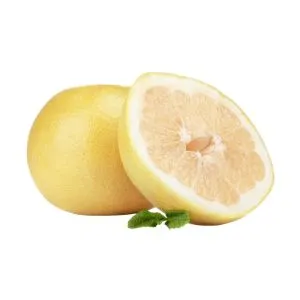
Yellow grapefruit peel and flesh behave very differently in alcohol. The peel extracts fast because it contains concentrated aromatic oils that bring bright citrus lift, bitterness, and a long zesty finish. The flesh extracts more slowly and contributes juice-like freshness, soft acidity, and a gentler fruit character rather than strong aroma.
In most liqueurs, the peel becomes noticeable within the first one to three days, especially in spirits around 35 to 45 percent alcohol. The flesh usually needs a little longer to give a rounded citrus impression, but leaving too much membrane or pith in the jar can push the flavor toward harsh bitterness instead of clean grapefruit brightness.
For better control, many makers infuse zest separately from the flesh or remove the peel earlier than the fruit. Thin peel with minimal white pith gives cleaner results, while carefully segmented flesh adds fresher citrus depth. This split approach makes it easier to build a grapefruit liqueur that tastes vivid rather than aggressively bitter.