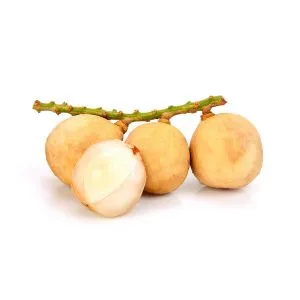
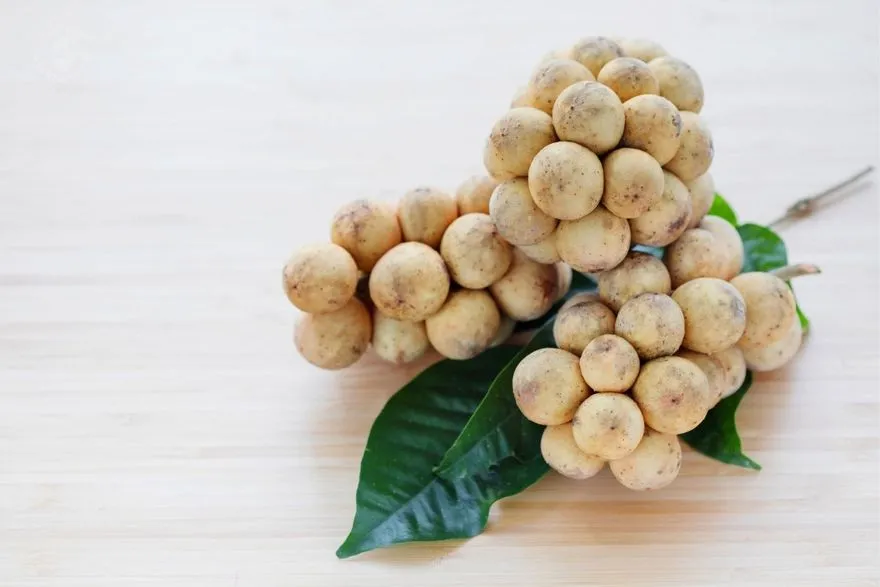
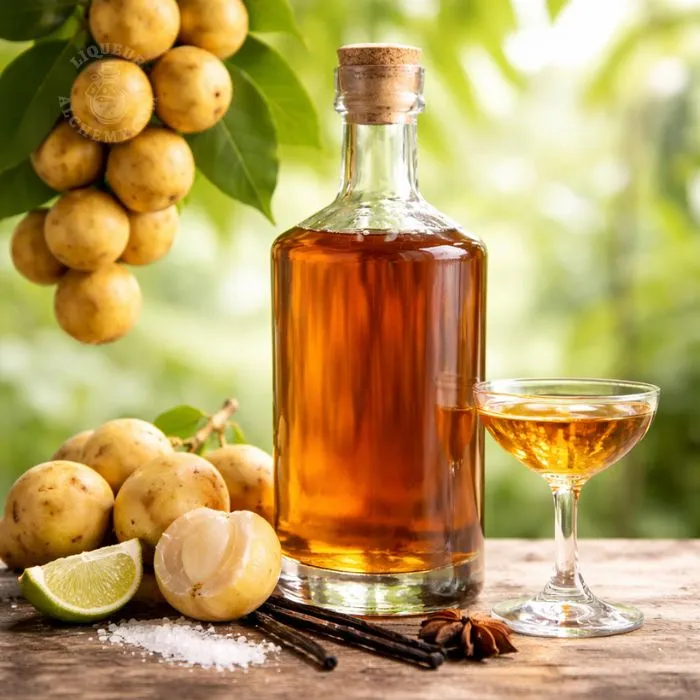
Langsat

Langsat for Liqueur Infusions – Gentle Sweetness & Balance

Langsat offers mild sweetness, soft acidity, and a faint citrus-pith bitterness that gives liqueurs a clean, refreshing profile. Its subtle flavor makes it ideal as a base fruit, supporting botanicals, herbs, or spices without overpowering them. Vodka and light rum highlight its clarity, while careful peeling avoids excessive bitterness from the skin. Best suited for clear, elegant liqueurs with a smooth, lightly tart finish.

Langsat

Home / Ingredients / Fruits / Langsat

Langsat Flavor Profile

Mild tropical sweetness, soft acidity, subtle citrus-pith bitterness, clean finish.

Langsat Impact on Liqueurs

Provides a delicate fruit base, enhancing freshness and balance without dominating other flavors.

How to Use Langsat?

Peel thoroughly, remove seeds; 600–900 g per 1 L. Infuse 2–3 weeks; strain gently.

Langsat Pairing Suggestions

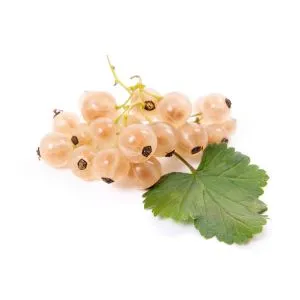
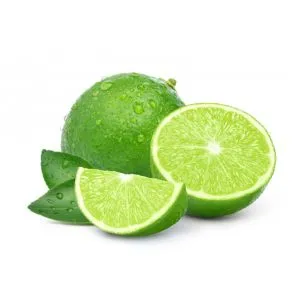
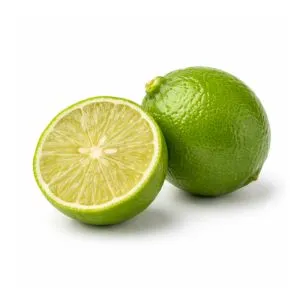
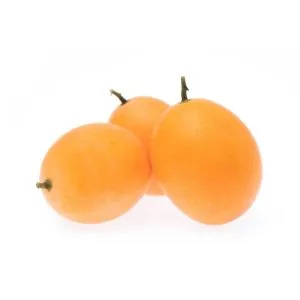
Vodka, Cane Sugar, Lime, Ginger, Honey, Vanilla, Lychee, Mint
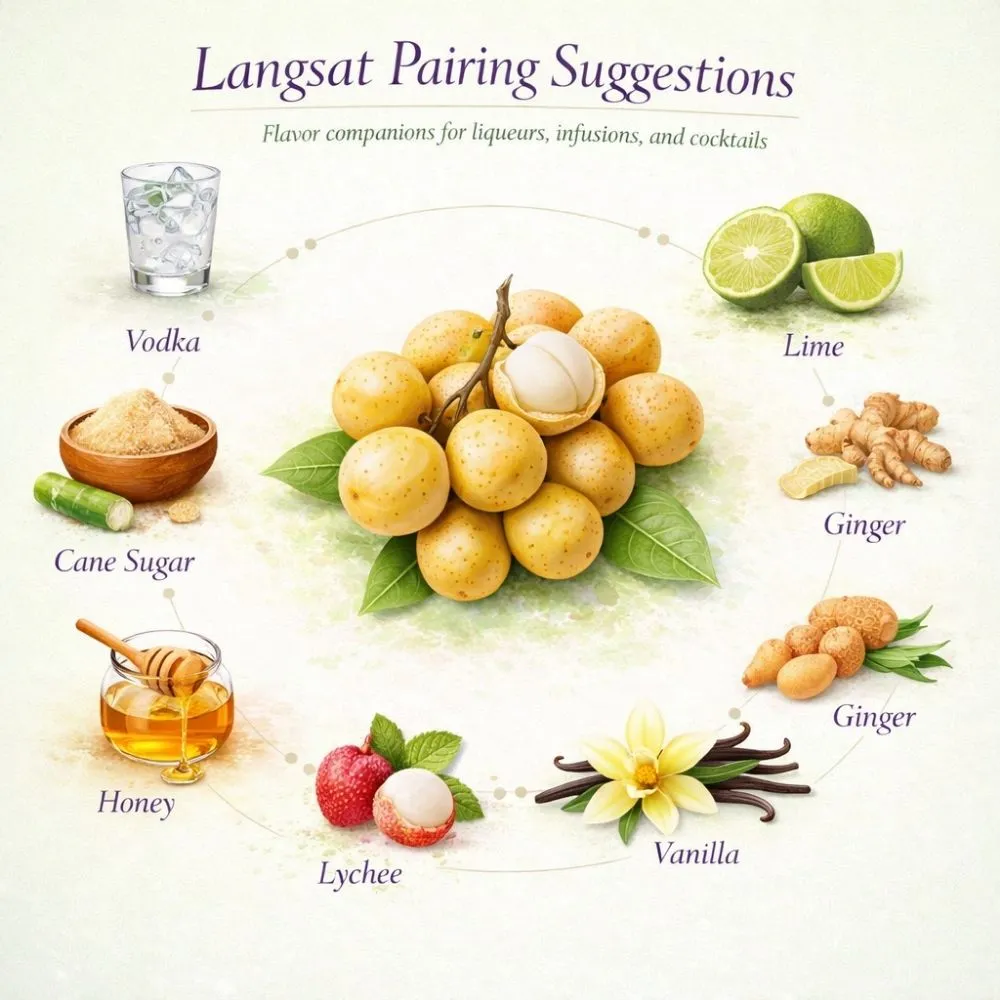
Langsat pairing suggestions for liqueur making

Langsat FAQ


Langsat has delicate sweet-tart fruit notes, while the peel can be bitter and resinous, so start with flesh only. Peel, remove seeds, and keep pieces fairly large. Infuse at 40–50% ABV and start tasting at day 2–3; many batches peak around 7–14 days.

Dosage: 400–900 g langsat flesh per liter depending on intensity. Strain gently and cold-settle 1–3 days before fine filtering. Sweeten after straining; langsat benefits from a moderate sweetness that rounds its gentle acidity.

Common mistakes include including peel/pith, crushing the fruit, and steeping too long (dull). Flavor impact should be bright, tropical, and slightly citrusy. Store cool and dark; delicate top notes fade with heat and oxygen.

Vodka is best for preserving langsat’s delicate tropical notes. Light rum can add a soft sweetness that fits the fruit, but choose a clean style so rum doesn’t dominate. Brandy can be lovely if it’s not too oaky, but heavy oak can mask langsat’s subtle aroma.

Infuse at 40–50% ABV and strain once aroma peaks (often 7–14 days). Sweeten after straining, then rest 1–2 weeks for integration.

Common mistakes include using strong-flavored spirits and over-spicing. Flavor impact should be clean tropical fruit. Store cool and dark; smaller bottles help preserve aroma after opening.

The extraction behavior of langsat in liqueurs is influenced by several factors, including temperature and alcohol concentration. Warmer temperatures can accelerate the infusion process, allowing for a more robust extraction of flavors and aromas from the fruit.

Another critical factor is the type of alcohol used for extraction. Higher alcohol concentrations can extract more essential oils and flavor compounds from the langsat, resulting in a more intense liqueur. However, using a lower alcohol content may yield a smoother, more subtle flavor.

Finally, the preparation method of the langsat, such as whether it is crushed or left whole, can also impact extraction. Crushing the fruit can enhance the release of its flavors, while whole fruits may require longer extraction times to achieve the desired taste.

The recommended dosage of langsat for liqueur making is about 200 to 300 grams per liter of base spirit. This quantity provides a balanced flavor without overwhelming the other ingredients. Adjusting the amount can help tailor the taste to your preference.

If you're experimenting with a new recipe, start with a smaller quantity, around 150 grams, and gradually increase it based on your taste tests. This approach allows you to find the right intensity without risking an overpowering flavor.

Remember that the quality of the langsat fruit can also affect the dosage. Fresh, ripe langsat will yield more flavor, so always consider the fruit's condition when determining how much to use.

Using canned langsat in your liqueur is possible, but it may alter the final flavor and texture. Canned langsat often has added sugar or syrup, which can change the sweetness level of your liqueur. Be mindful of this when adjusting other ingredients.

Fresh langsat provides a unique and vibrant flavor that can be difficult to replicate with canned versions. However, if fresh langsat is unavailable, canned can still work, especially in cocktails where the texture is less critical.

To ensure the best results, consider rinsing canned langsat to reduce excess syrup and balance the sweetness. This will help maintain the intended flavor profile of your liqueur while utilizing the convenience of canned fruit.
Langsat
Langsat in Liqueur Crafting

More Fruits


RELATED RECIPES OF LIQUEUR ALCHEMY


Explore more creations from Liqueur Alchemy that share similar flavours, techniques, or ingredients. These related recipes offer fresh ideas and inspired combinations to help you craft your next bold, homemade spirit.

LIQUEUR ALCHEMY TOOLS & RESOURCES


Design labels in minutes—beautiful, practical, and ready to print. Choose a tool below to generate bottle or ingredient labels that match your Liqueur Alchemy workflow.
Bottle Label Generator preview

Bottle Label Generator

Create clean bottle labels with your liqueur name, batch details, date — ready for printing and gifting.
Ingredient Label Generator preview

Ingredient Label Generator

Label jars, containers, and storage bags to maintain clear organization from preparation through infusion and serving.
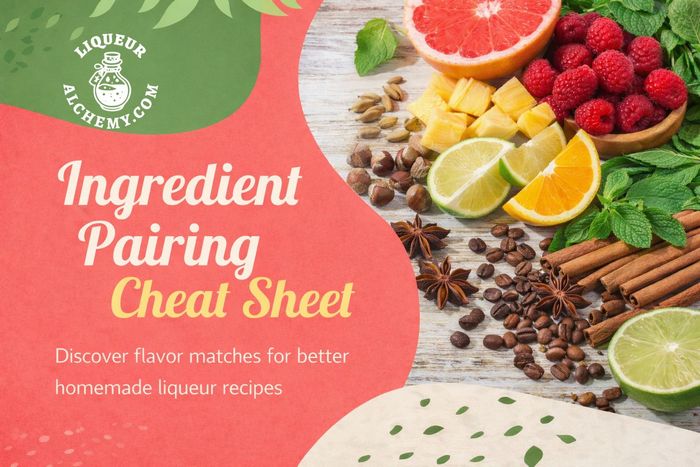
Ingredient pairing cheat sheet for creating balanced homemade liqueurs

Ingredient Pairing Cheat Sheet

Discover flavor combinations that create balanced, complex, and unique homemade liqueurs.