What are the most common mistakes when using yellow grapefruit in liqueur making?
Ingredients and Sweeteners That Shape Liqueur Flavor
Direct Answer
Common yellow grapefruit mistakes include using too much pith, infusing the peel too long, and sweetening before checking bitterness. Careful zesting, daily tasting, and gradual sugar adjustment help keep the liqueur fresh and balanced.
Expanded Explanation
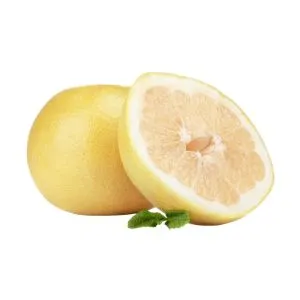
The most common mistake is using too much white pith. Grapefruit pith carries strong bitterness that can quickly dominate a liqueur and make it taste medicinal or unpleasantly dry. Thick strips of peel may look efficient, but they often give rough results unless the infusion is kept very short.
Another frequent problem is leaving the peel in the spirit for too long without tasting. Grapefruit zest can move from fresh and fragrant to sharp and bitter surprisingly quickly, especially in neutral spirits that do not soften the citrus edges. The same applies to including too much membrane with the fruit, which can add bitterness and muddy the flavor.
A third mistake is over-sweetening too early before the citrus profile is fully understood. Once sugar is added, bitterness can seem hidden at first, then reappear later during rest. The best practice is to strain carefully, taste the unsweetened infusion, and add sweetness gradually so the final liqueur keeps both brightness and structure.