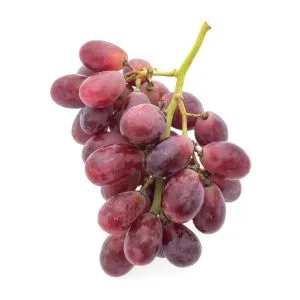
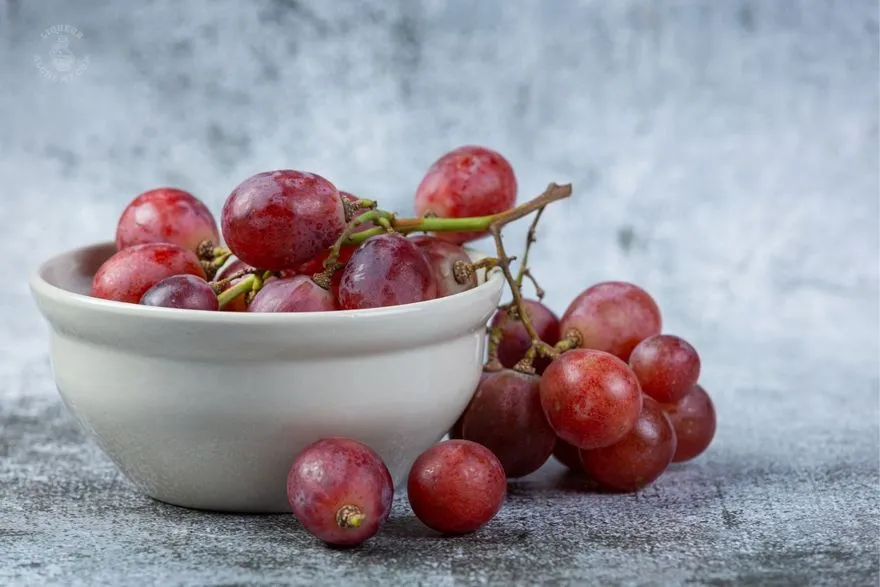
Grapes (Red)

Grapes (Red) for Liqueur Infusions – Flavor & Pairing Tips

Red grapes infuse liqueurs with rich color, natural sweetness, and velvety body. Their deep, fruity character softens stronger spirits and brings a sense of warmth and comfort. When blended with spices or honey, they develop a complex profile reminiscent of fine wines. Red grapes form the heart of many classic liqueurs, offering balance, aroma, and a smooth, lingering finish full of elegance.

Grapes (Red)

Home / Ingredients / Fruits / Grapes (Red)

Grapes (Red) Flavor Profile

Sweet berry-grape aroma, mild tannins, wine-like fruit depth.
Grapes (Red) Impact on Liqueurs

Adds soft sweetness and vinous body, great for wine-inspired liqueurs.

How to Use Grapes (Red)?

Use crushed grapes; 600–900 g per 1 L. Infuse 3–6 weeks in brandy or vodka.

Grapes (Red) Pairing Suggestions

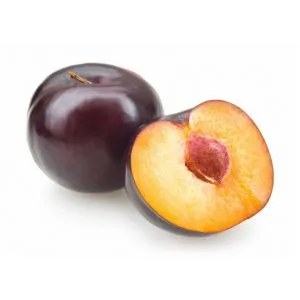
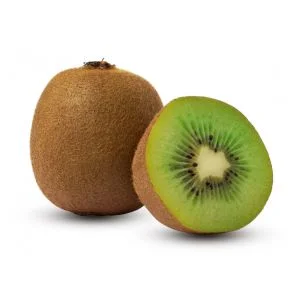
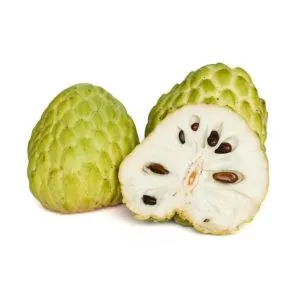
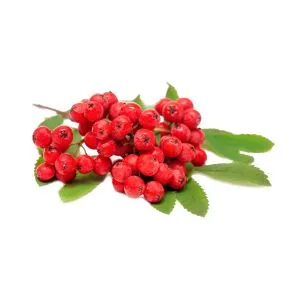
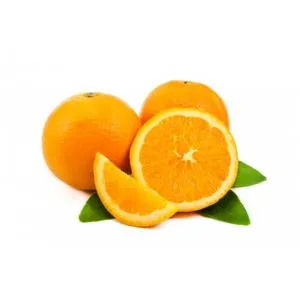
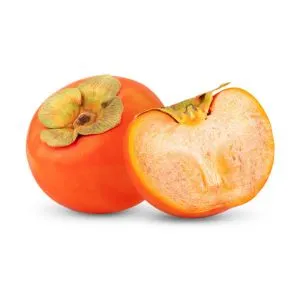
Vodka, Cane Sugar, Blackberry, Plum, Cinnamon, Clove, Vanilla, Orange Peel
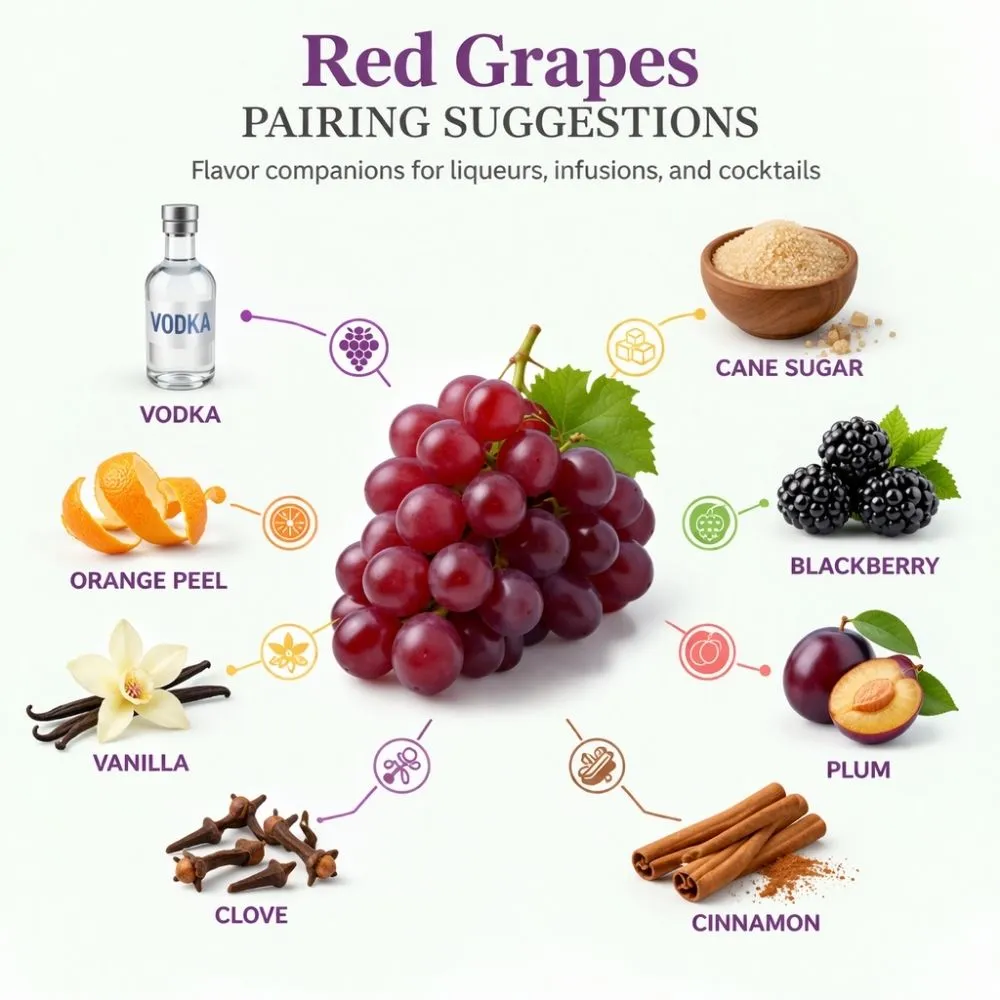
Grapes (Red) pairing suggestions for liqueur making

Grapes (Red) FAQ


Red grapes carry tannins in skins and seeds, so the trick is short skin contact and gentle handling. Destem completely, rinse, and keep grapes whole or lightly cracked—don’t blend. Use 40–50% ABV and start tasting at day 2; strain around days 3–7 for a fresh, juicy profile.

If you want deeper “wine-like” structure, do brief skin contact (1–3 days) and then strain early. Remove seeds if the variety is very seedy, because seed tannin can spike bitterness quickly. Sweeten after straining and consider a small acid adjustment (tartaric/citric) to mimic grape snap.

Common mistakes include leaving skins for weeks, including stems, and pressing the solids hard. Flavor impact should be berry-grape, lightly floral, not mouth-drying. Store cool and dark; red grape aromatics and color are sensitive to heat and oxygen, so minimize headspace.

Grapes are mostly water and aroma; alcohol captures perfume, but you don’t automatically get wine-like body. Increase fruit dosage (600–900 g per liter) and avoid adding juice/water early. Sweeten with syrup rather than diluting, and add a small acid lift for structure.

For more body, add a handful of raisins (or dried grapes) during maceration for 3–7 days—they add depth and glycerol-like richness without fermentation if your starting ABV is 40%+. You can also blend in a little brandy to add weight while keeping the grape top-notes.

Common mistakes include lowering ABV too much, which risks fermentation and still tastes watery. Flavor impact should become rounder, with a longer finish. Store cool and airtight; oxidation makes grape flavors dull quickly.

Several factors influence the extraction of flavors from red grapes during liqueur production. The grape variety plays a crucial role, as different types have unique flavor profiles and chemical compositions. Understanding the specific characteristics of the grapes you are using can help tailor your extraction process.

The extraction method also significantly impacts flavor release. Techniques such as maceration or cold soaking can yield different results, with varying levels of tannins, acidity, and aromatic compounds. Experimenting with these methods can help achieve the desired flavor balance.

Lastly, the duration of extraction is critical. A longer extraction time can intensify flavors but may also lead to excessive tannin extraction, resulting in bitterness. Finding the right balance is essential for creating a harmonious liqueur that showcases the natural qualities of the grapes.

To prepare red grapes for liqueur infusion, start by selecting ripe, high-quality grapes. Remove any stems and discard any damaged or overripe fruit, as these can affect the flavor of your liqueur.

Next, gently crush the grapes to release their juices. This can be done by hand or using a clean tool, but be careful not to pulverize them too much, as seeds can impart bitterness.

Once crushed, place the grapes in your infusion jar and add your chosen alcohol base. Seal the jar tightly and let it infuse in a cool, dark place for several weeks, shaking occasionally to enhance the extraction process.

Yes, white grapes can be used as a substitute for red grapes in liqueur making, although the flavor profile will differ slightly. White grapes tend to be sweeter and less tannic, which can result in a smoother liqueur. This can be particularly beneficial if you're aiming for a lighter, more refreshing drink.

When substituting, consider the overall balance of your recipe. You may need to adjust the acidity and sweetness to achieve the desired flavor. Adding a splash of lemon juice or a bit of tart fruit can help mimic the tartness that red grapes provide.

Additionally, be mindful of the color of your liqueur. Using white grapes will yield a lighter hue, which might not be ideal for all recipes. However, with the right adjustments, white grapes can create a delightful and unique liqueur experience.
Grapes (Red)
Grapes (Red) in Liqueur Crafting

More Fruits


LIQUEUR ALCHEMY TOOLS & RESOURCES


Design labels in minutes—beautiful, practical, and ready to print. Choose a tool below to generate bottle or ingredient labels that match your Liqueur Alchemy workflow.
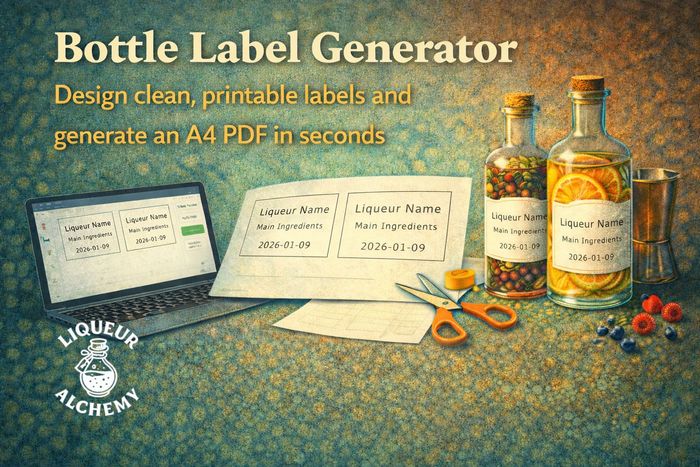
Bottle Label Generator preview

Bottle Label Generator

Create clean bottle labels with your liqueur name, batch details, date — ready for printing and gifting.
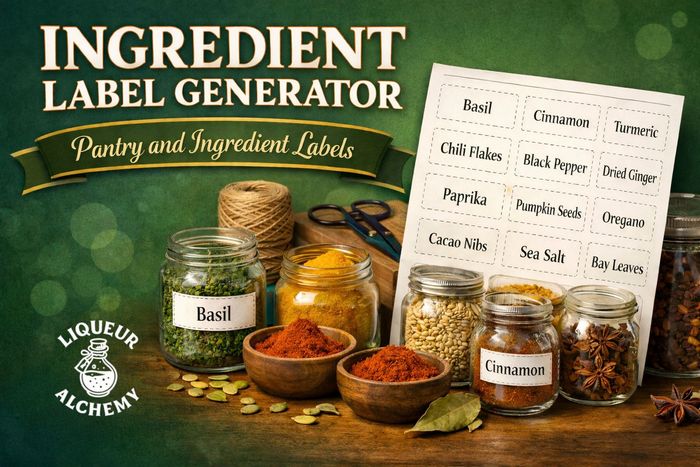
Ingredient Label Generator preview

Ingredient Label Generator

Label jars, containers, and storage bags to maintain clear organization from preparation through infusion and serving.
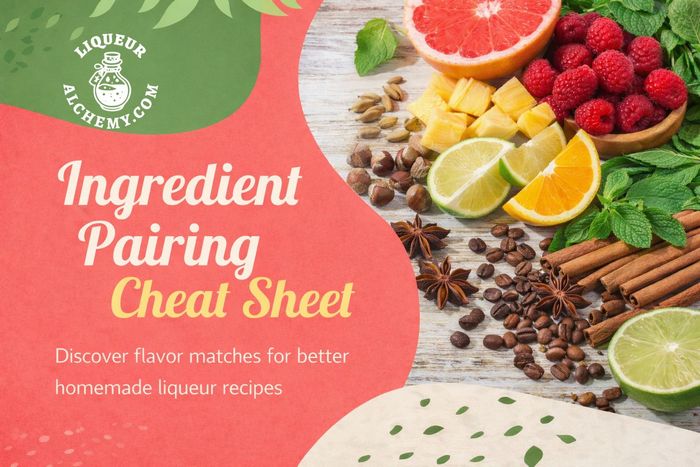
Ingredient pairing cheat sheet for creating balanced homemade liqueurs

Ingredient Pairing Cheat Sheet

Discover flavor combinations that create balanced, complex, and unique homemade liqueurs.