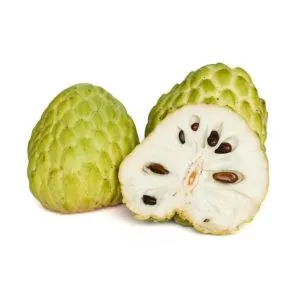
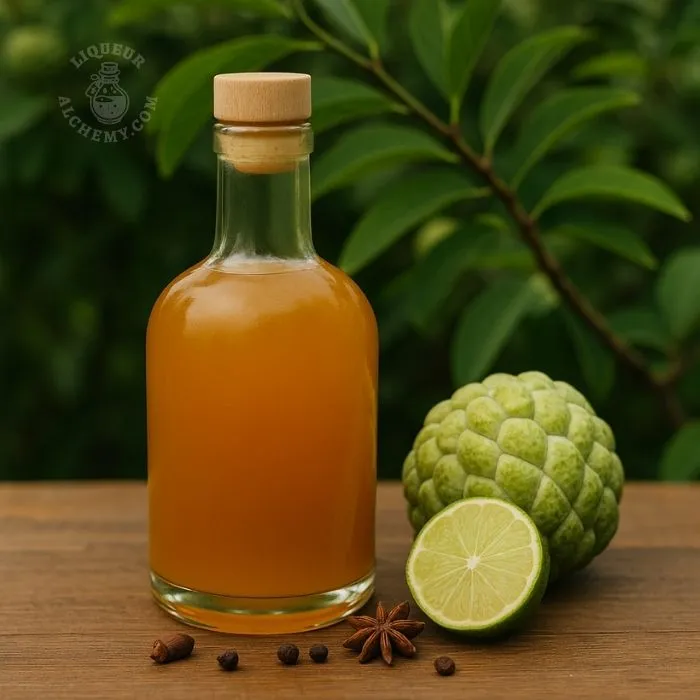
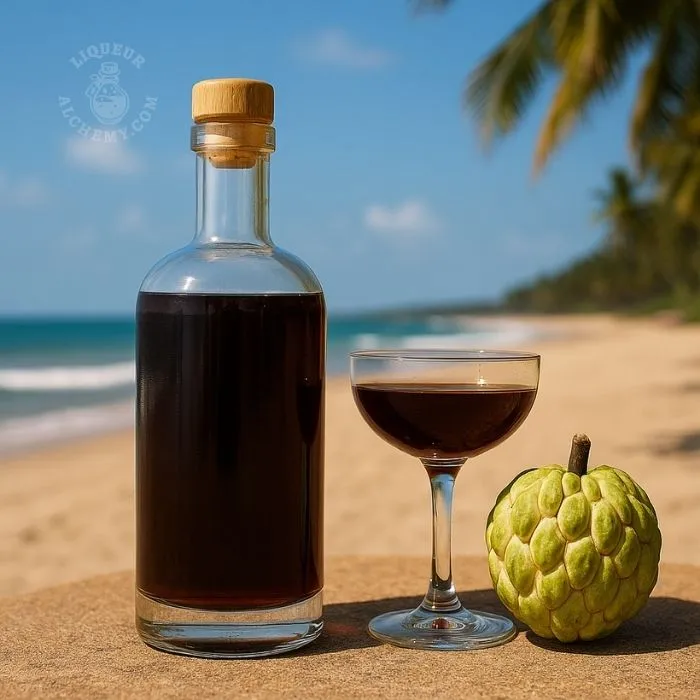
Sugar Apple

Sugar Apple for Liqueur Infusions – Flavor & Pairing Tips

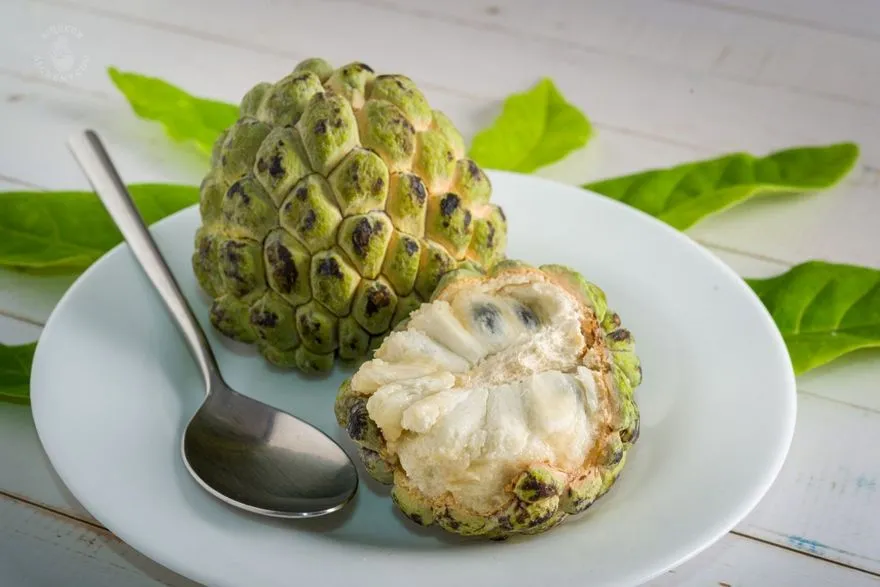
Sugar apple (sitaphal) brings exotic, custard-smooth sweetness and floral perfume. Its creamy pulp infuses liqueurs with richness and tropical charm, pairing beautifully with vanilla, citrus, or rum bases.

Sugar Apple

Home / Ingredients / Fruits / Sugar Apple

Sugar Apple Flavor Profile

Creamy tropical sweetness, custard-like aroma.
Sugar Apple Impact on Liqueurs

Adds rich dessert character and smooth body.

How to Use Sugar Apple?

Use ripe pulp; 300–500 g per 1 L. Infuse 2–4 weeks in rum or vodka.

Sugar Apple Pairing Suggestions

Rum, Cane Sugar, Coconut, Vanilla, Lime, Pineapple, Banana, Cinnamon
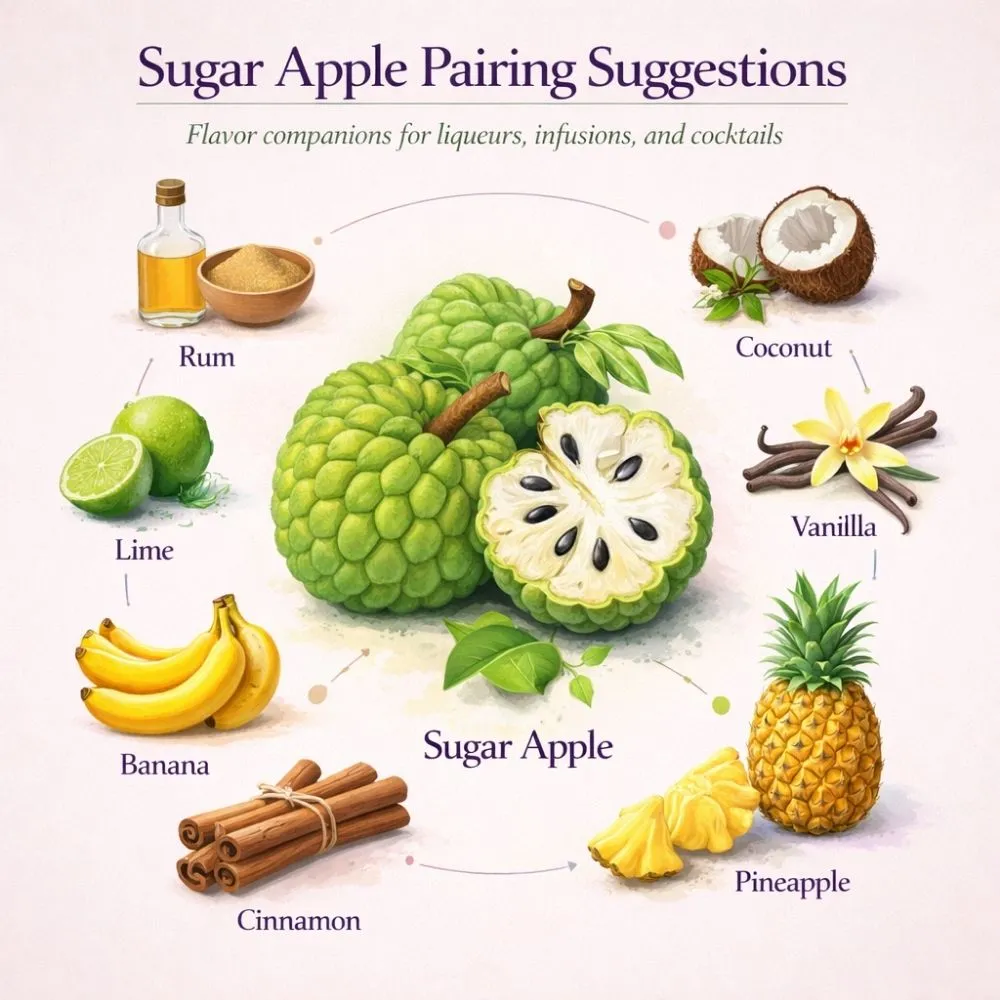
Sugar Apple pairing suggestions for liqueur making

Sugar Apple FAQ


Sugar apple is high in pectin and soft pulp, so cloudiness is normal if you blend or mash it too aggressively. Use ripe fruit, scoop the flesh, and macerate gently in 40–50% ABV (vodka or light rum), keeping solids chunky so you’re extracting aroma more than puree. After 5–10 days, strain through a fine sieve, then let it settle cold for 24–48 hours before a second filter.

If you want a clearer bottle, avoid heating and don’t add juice or water early—dilution can drop pectin and starches out of solution. Sweeten only after the first strain and only to the texture you want; syrup added too fast can “shock” the infusion and haze. If it still looks milky, fine it by chilling and decanting, or accept it as a dessert‑style crema texture.

Common mistakes are overripe fruit left too long (fermented notes), too-low ABV (microbial risk), and squeezing the pulp in the filter (forcing haze through). Flavor impact is creamy banana‑vanilla with tropical candy notes; keep spices minimal (vanilla or a pinch of salt). Store the finished liqueur cold if it’s very pulpy, and consume within 2–3 months for the brightest aroma.

Sugar apple can read as “sweet but quiet” because its aroma is soft and its acidity is low. If it tastes flat, you usually need brightness (acid) and a tiny bit of structure (a whisper of bitterness or salt). Start by adding a few drops of citric acid solution or fresh lime juice after straining—go slowly, taste, and stop when the fruit pops.

Next, check sweetness and dilution: too much syrup can bury aroma, and too low ABV can make it feel heavy. Fix by blending in a little higher-proof neutral spirit to lift volatility, then re-balance sweetness. If the finish is still bland, add micro‑doses of vanilla, toasted coconut, or a single coffee bean for depth—remove quickly once it shows.

Common mistakes are adding spices early (they dominate), using underripe fruit (less aroma), and letting it oxidize with lots of headspace. Keep jars topped up, strain on time, and store airtight. The flavor impact you want is creamy tropical, so keep adjustments minimal and targeted rather than piling on botanicals.

The ideal method for extracting sugar apple essence involves using a high-proof alcohol to capture its unique flavors. Start by chopping the fruit and placing it in a jar with the alcohol, ensuring it is fully submerged. Seal the jar tightly and let it sit in a cool, dark place for about one to two weeks to allow the flavors to meld.

During the extraction period, it’s beneficial to shake the jar gently every few days. This agitation helps to release more of the fruit's natural oils and sugars into the alcohol, enhancing the overall flavor profile. Monitoring the infusion regularly will help you determine when the desired taste is achieved.

After the extraction is complete, strain the mixture through a fine mesh sieve or cheesecloth to remove any solid particles. This step is crucial for achieving a clean and refined liqueur, ensuring that the final product showcases the sugar apple's delightful sweetness without any unwanted texture.

Yes, you can replace sugar apple with other fruits like mango or guava. Both fruits provide a tropical sweetness that can enhance your liqueur. Mango, in particular, adds a rich flavor that complements various spirits well.

You might also try using apples, especially sweeter varieties like Fuji or Honeycrisp. They can provide a crisp texture and a hint of sweetness, which can balance the overall flavor of your liqueur.

Lastly, consider using passion fruit for a tangy twist. Its unique flavor can add depth to your liqueur while still offering a sweet profile that aligns with sugar apple's characteristics.

The recommended dosage of sugar apple varies based on the desired sweetness and flavor profile of your liqueur. A general guideline is to use about 1 to 2 cups of sugar apple per quart of alcohol. This amount provides a rich flavor without overwhelming the other ingredients.

It's important to consider the ripeness of the sugar apple as well. Riper fruits tend to be sweeter and more flavorful, so you may want to adjust the quantity accordingly. Start with a smaller amount and taste as you go to find the right balance.

After determining the right dosage, remember to document your process. This will help you replicate your successful batches in the future and refine your recipe to perfection.
Sugar Apple
Sugar Apple in Liqueur Crafting

More Fruits


RELATED RECIPES OF LIQUEUR ALCHEMY


Explore more creations from Liqueur Alchemy that share similar flavours, techniques, or ingredients. These related recipes offer fresh ideas and inspired combinations to help you craft your next bold, homemade spirit.

LIQUEUR ALCHEMY TOOLS & RESOURCES


Design labels in minutes—beautiful, practical, and ready to print. Choose a tool below to generate bottle or ingredient labels that match your Liqueur Alchemy workflow.
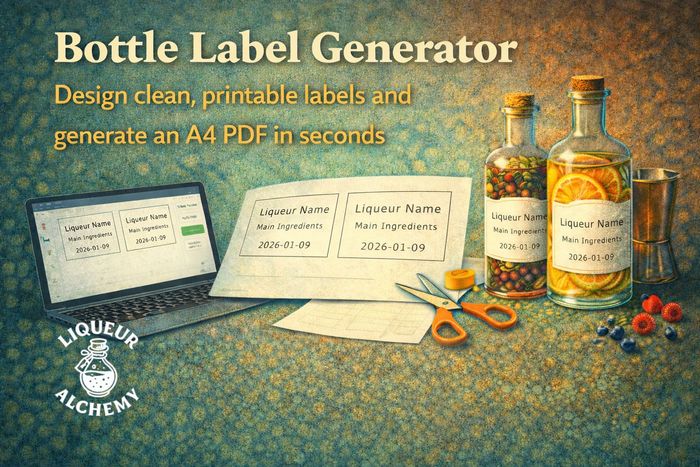
Bottle Label Generator preview

Bottle Label Generator

Create clean bottle labels with your liqueur name, batch details, date — ready for printing and gifting.
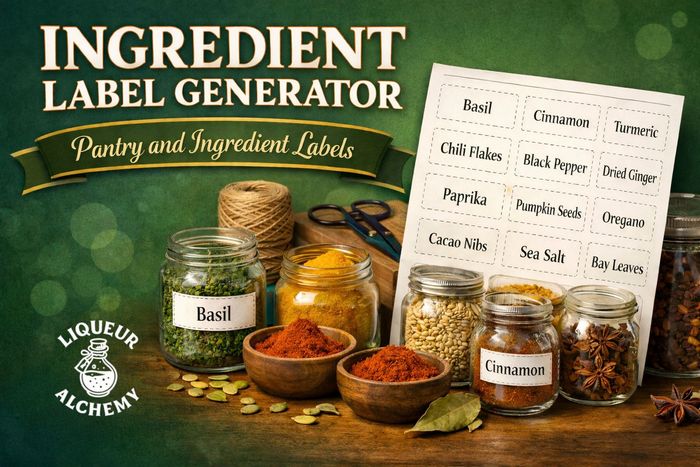
Ingredient Label Generator preview

Ingredient Label Generator

Label jars, containers, and storage bags to maintain clear organization from preparation through infusion and serving.
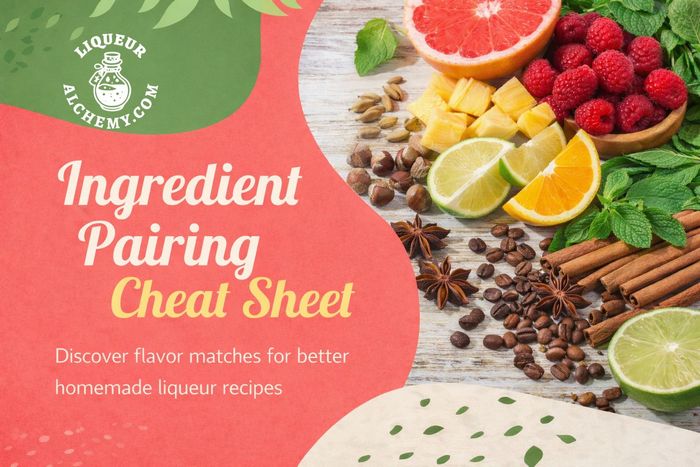
Ingredient pairing cheat sheet for creating balanced homemade liqueurs

Ingredient Pairing Cheat Sheet

Discover flavor combinations that create balanced, complex, and unique homemade liqueurs.