BerryMIX 26

BerryMIX 26 Mixed Berry Liqueur with Currants and Serviceberries

BerryMIX 26 is a richly layered mixed berry liqueur combining wild strawberries, currants, gooseberries, serviceberries and raspberries. Bright fruit acidity is balanced by honey and sugar, while vanilla, pink peppercorns, cacao nibs and black lemon add complexity. The result is smooth, aromatic and full of vibrant woodland berry character.

Main notes

  • Vodka
  • Mixed Berries

Ingredients

  • Vodka — 650 ml
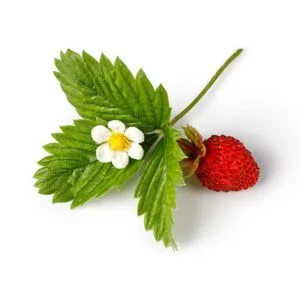
  • Wild Strawberry — 100 g
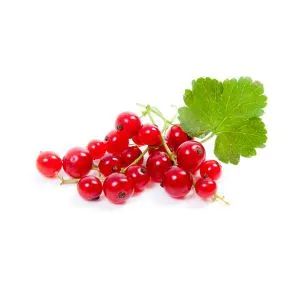
  • Red Currants — 100 g
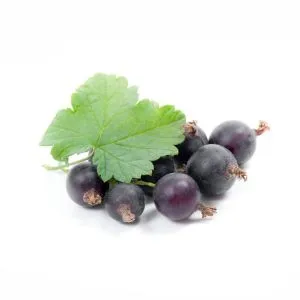
  • Black Currants — 100 g
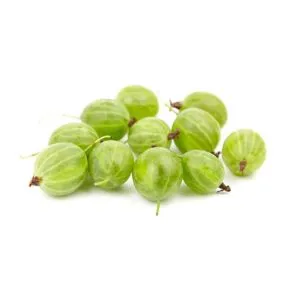
  • Green Gooseberry — 100 g
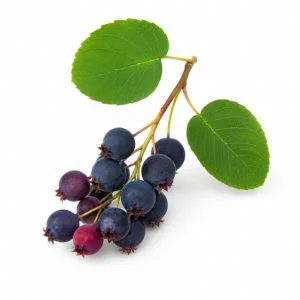
  • Red Gooseberry — 100 g Serviceberry — 100 g
  • Raspberry — 50 g
  • White Sugar — 70 g
  • Honey — 25 g
  • Vanilla — ¼ pod
  • Pink Peppercorns — 4 berries
  • Cacao Nibs — 3 g Black
  • Lemon — ⅛ piece

Preparation

  1. Wash all berries thoroughly and remove any stems, leaves or damaged fruit.
  2. Cut larger gooseberries in half to improve flavour extraction.
  3. Place the wild strawberries, currants, gooseberries, serviceberries and raspberries into a large sterilised glass jar.
  4. Add the vanilla pod, pink peppercorns, cacao nibs and black lemon.
  5. Pour the vodka over the ingredients, ensuring everything is fully submerged.
  6. Seal the jar and store in a cool, dark place for 21 days, gently shaking every few days.
  7. Strain the infusion through a fine sieve and filter until clear using cheesecloth or coffee filters.
  8. Stir in the white sugar and honey until completely dissolved.
  9. Bottle the liqueur and allow it to rest for at least 4 weeks before serving.
Download

The Story

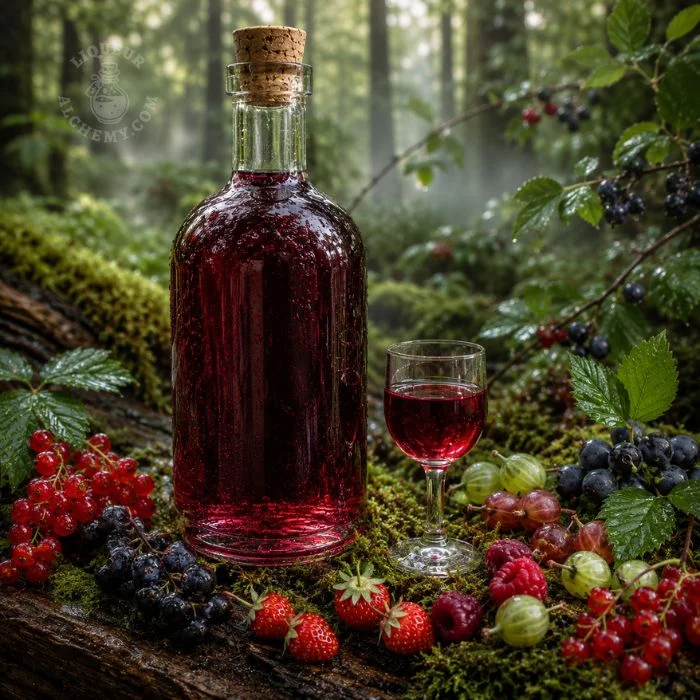
BerryMIX 26 is a celebration of summer hedgerows and woodland harvests, bringing together seven distinct berries in a single elegant liqueur. Wild strawberries and raspberries contribute delicate sweetness, while red and black currants add brightness, depth and vivid fruit character. Green and red gooseberries introduce refreshing acidity, balanced by the mellow orchard notes of serviceberries. A touch of vanilla softens the blend, pink peppercorns add subtle floral spice, and cacao nibs provide gentle richness beneath the fruit. Finished with a hint of black lemon, BerryMIX 26 captures the complexity of mixed berries while remaining smooth, vibrant and beautifully balanced.

Who is "BerryMIX 26" Liqueur for?

BerryMIX 26 is for curious berry lovers who enjoy layered fruit flavours rather than single-fruit liqueurs. Its balance of sweetness, freshness and subtle spice suits relaxed evenings, seasonal celebrations and anyone who appreciates complex yet approachable homemade spirits.

"BerryMIX 26" Liqueur Serving Suggestions

Serve BerryMIX 26 lightly chilled in a small liqueur glass after dinner or during a summer gathering. The vibrant berry character, gentle vanilla and subtle cacao notes shine when enjoyed slowly, allowing the different fruits to reveal themselves with each sip.

Why the Name "BerryMIX 26"?

The name BerryMIX 26 reflects both the diverse blend of berries and the recipe’s 2026 refinement. Rather than focusing on a single fruit, it celebrates the harmony created when several berry varieties come together. The name highlights the liqueur’s modern evolution while remaining simple, memorable and true to its vibrant mixed-berry identity.

Testing Notes

Early trials showed that black currants could easily dominate the lighter berries, so equal quantities of several fruits were used to improve balance. Small amounts of cacao nibs added depth without introducing noticeable chocolate flavour, while black lemon provided subtle complexity. Resting for several weeks noticeably improved integration and smoothness.

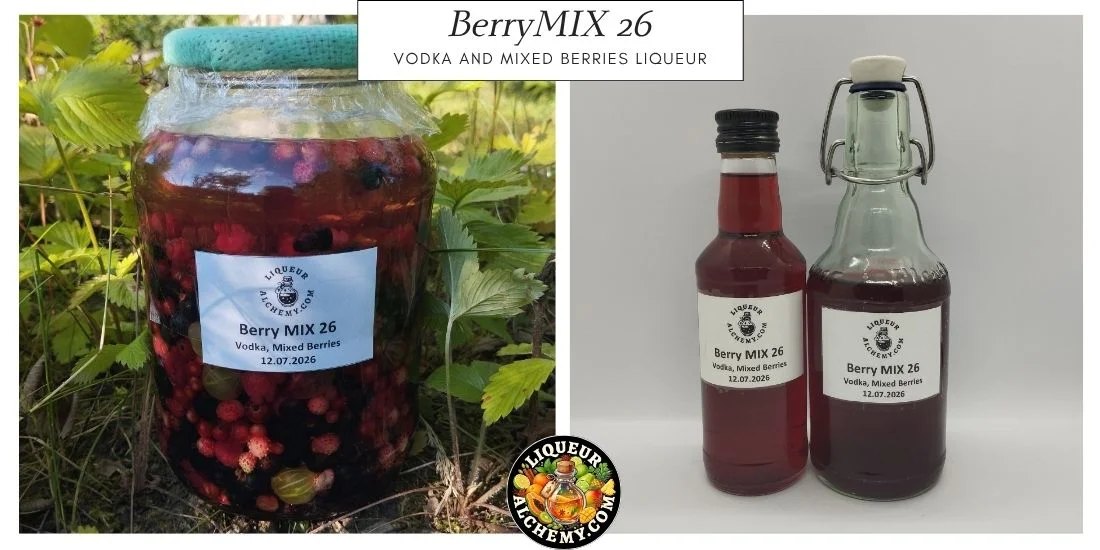
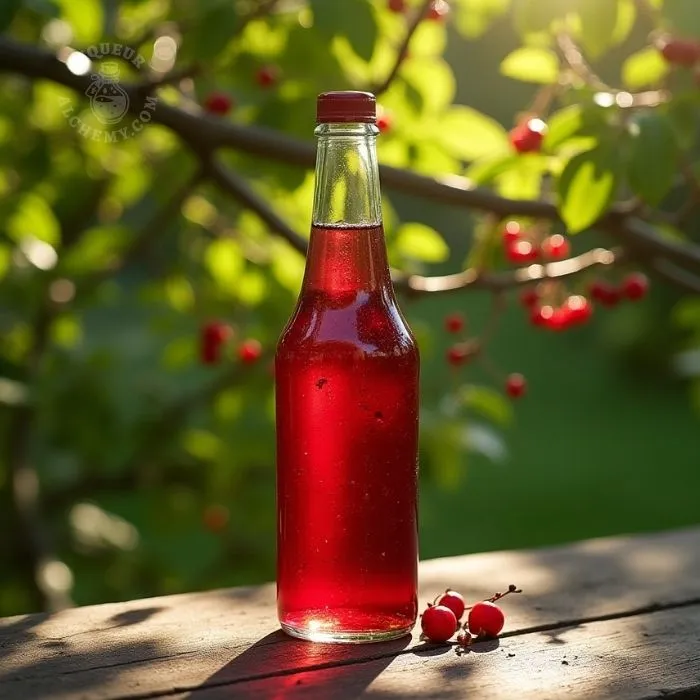
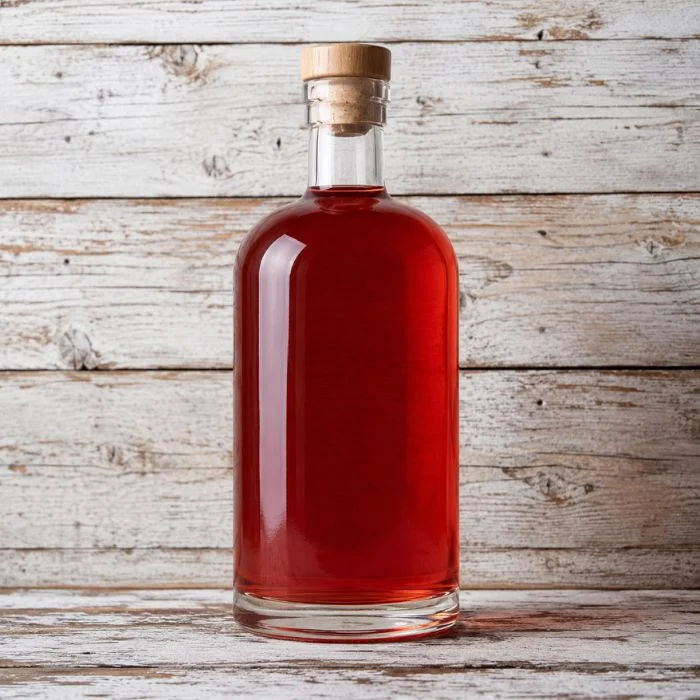
BerryMIX 26 liqueur during maceration and finished bottled liqueur

BerryMIX 26 Liqueur FAQ


Black currants can be replaced with extra red currants, raspberries or dark gooseberries, but the final liqueur will be lighter, less aromatic and less deeply coloured. Use the same weight and avoid replacing them entirely with mild fruit, because black currants provide much of the structure and intensity.

Serviceberries may be replaced with blueberries, aronia berries or additional red gooseberries. Blueberries create a softer result, while aronia produces a drier and more tannic character. Keep the replacement quantity at approximately 100 g so the fruit-to-vodka balance remains stable.

When substituting either fruit, taste the strained infusion before adding sugar. A sharper blend may need an additional 10–20 g of honey, while a softer or sweeter fruit combination may require less white sugar. Make adjustments gradually to preserve freshness and prevent the berry flavours from becoming heavy.

The berries, vanilla, pink peppercorns, cacao nibs and black lemon can infuse together for approximately 21 days. This is usually long enough to extract colour, acidity and aroma without creating excessive bitterness or a cooked-fruit character.

Begin tasting after 14 days. If the black currants or black lemon become dominant, remove the black lemon first and continue the berry infusion. Cacao nibs can also be removed early if the finish starts to taste dry, woody or noticeably chocolate-like.

Do not leave the fruit indefinitely. After 21–28 days, strain the entire infusion even if the flavour seems slightly sharp, because sweetness and resting will soften it later. Prolonged contact with berry skins, seeds and cacao nibs may create haze, harshness and unnecessary tannin.

Excessive sharpness usually comes from the combined acidity of red currants and green gooseberries. Bitterness may develop when black lemon, cacao nibs, crushed seeds or damaged fruit remain in the vodka for too long.

Strain the infusion immediately if it tastes harsh. Remove all solids, filter carefully and allow the liquid to rest for several days before judging it again. Do not add large amounts of sugar at once, because this can hide the problem without improving the finish.

To rebalance the liqueur, dissolve 10 g of white sugar or 5–10 g of honey at a time, then taste again. Honey softens acidity and improves body, while white sugar preserves a cleaner berry profile. A resting period of at least four weeks will further reduce sharp edges.

The starting combination of 70 g white sugar and 25 g honey gives moderate sweetness while allowing currants and gooseberries to remain bright. Natural fruit acidity varies, so the final balance should always be checked after straining.

For a drier liqueur, begin with only 50–60 g of white sugar and add the honey as written. For a rounder and softer result, increase honey by 10–15 g or add another 10–20 g of white sugar. Honey adds body, while white sugar gives cleaner sweetness.

Add sweeteners in small portions and allow them to dissolve completely before tasting. The liqueur will taste smoother after resting, so avoid making it overly sweet immediately after filtration. Record each addition to make future batches easier to reproduce.

After straining, filter the infusion through cheesecloth and then through coffee filters until no visible sediment remains. Fine filtration improves clarity and reduces the chance of heavy deposits forming in the bottle.

Once the sugar and honey are fully dissolved, bottle the liqueur in clean, sterilised glass bottles and seal them tightly. Rest for at least four weeks in a cool, dark place so the currants, gooseberries, serviceberries, vanilla and cacao notes can integrate.

Store away from sunlight and temperature changes. A properly filtered and sealed liqueur can keep for many months, although colour and aroma are best during the first year. If new sediment appears, carefully decant or refilter before serving, and discard the bottle if fermentation, pressure or an unusual odour develops.

RALETED RECIPES OF LIQUEUR ALCHEMY


Explore more creations from Liqueur Alchemy that share similar flavours, techniques, or ingredients. These related recipes offer fresh ideas and inspired combinations to help you craft your next bold, homemade spirit.