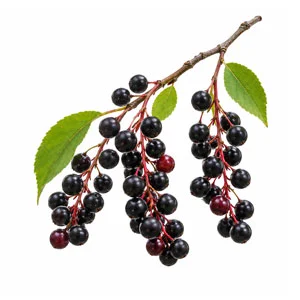
Bird Cherry

Bird Cherry in Liqueur Making: Tart Fruit and Almond Depth

Bird cherries produce distinctive liqueurs with tart dark-fruit flavour, gentle bitterness and characteristic almond-like notes. During infusion, the berries release deep ruby-purple colour, lively acidity and moderate tannins that give the drink structure. Their complex cherry character works particularly well with vodka and dark rum, while honey, vanilla, citrus and restrained warm spices can round the sharp edges and create a more balanced, aromatic liqueur.

Bird Cherry

Home / Ingredients / Fruits / Bird Cherry

Bird Cherry Flavor Profile

Tart dark cherry flavour with subtle almond-like notes, moderate acidity, gentle tannins, mild bitterness and a slightly wild, aromatic finish.

Bird Cherry Impact on Liqueurs

Adds deep ruby-purple colour, pronounced tart fruit character, subtle almond complexity and moderate tannic structure, producing aromatic liqueurs with a distinctive wild-fruit profile.

How to Use Bird Cherry?

Use fully ripe bird cherries and remove stems, leaves and damaged fruit before infusion. Freeze and thaw the berries to improve colour and flavour extraction. Keep the stones intact and avoid crushing or grinding them. Infuse for approximately three to five weeks, tasting regularly and removing strong spices if they begin to dominate. Strain thoroughly and balance the finished infusion with sweetener as required.

Bird Cherry Pairing Suggestions

Vodka, Dark Rum, Honey, Vanilla, Orange, Cinnamon, Cardamom, Ginger, Star Anise, Black Peppercorns
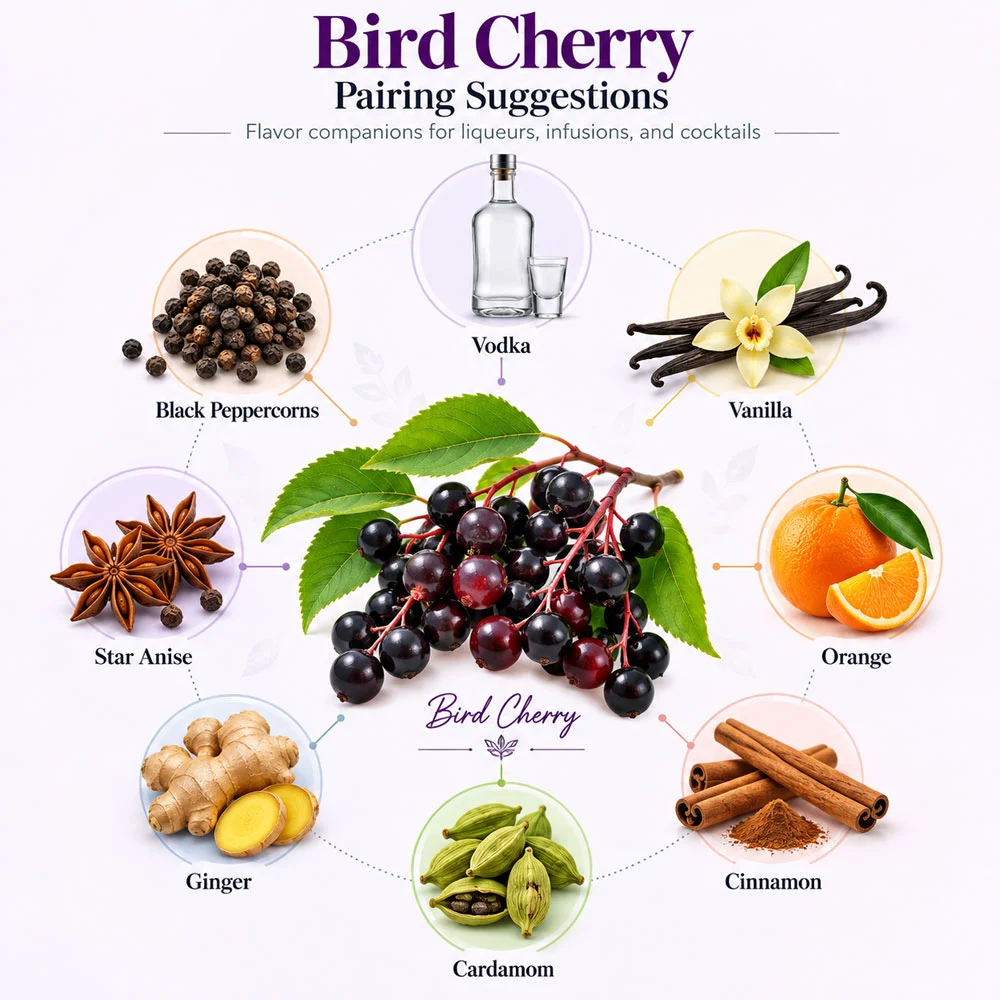
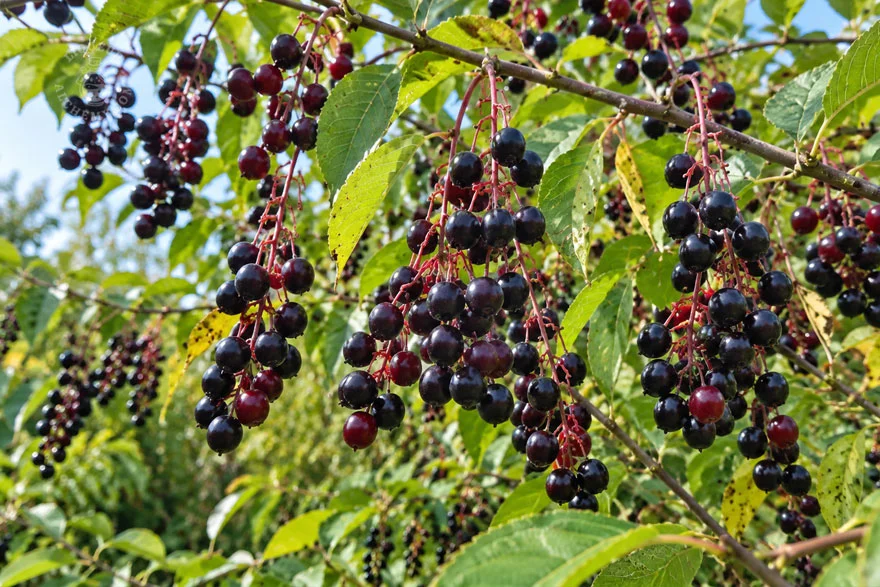
Bird Cherry pairing suggestions for liqueur making

Bird Cherry FAQ


Bird cherries begin releasing colour, aroma and tart fruit character soon after they are covered with alcohol. During the first several days, alcohol penetrates the skins and extracts soluble pigments and aromatic compounds. Freezing and thawing the fruit beforehand can accelerate this process because damaged cell structures allow the alcohol to reach the juice more easily. Visible colour extraction can therefore occur quickly, although a strongly coloured infusion should not be mistaken for a fully developed flavour.

Most of the useful fruit character develops progressively over several weeks. A practical infusion period is around three to five weeks, with tasting beginning after roughly two weeks. The fruit's tartness, dark cherry character and subtle almond-like complexity become more integrated with time, while tannins and bitter compounds may also increase. Extraction speed varies with ripeness, fruit-to-alcohol ratio, alcohol strength, temperature and whether the berries were frozen before use.

Taste the infusion regularly rather than relying only on a fixed number of days. Bird cherry can become increasingly tannic or bitter if left for excessive periods, particularly if stones have been damaged. Keep the fruit submerged, store the jar in a cool dark place and gently rotate it during the early stage. When the desired balance of fruit, acidity and structure is reached, strain the berries and allow the filtered liqueur to rest before making final sweetness adjustments.

Sour cherries are one of the most practical substitutes for bird cherries because they provide tart red-fruit flavour, good acidity and a recognisable cherry character. They are usually larger, juicier and less tannic, so the finished liqueur may be softer and more fruit-forward. Damsons and dark plums are also useful when deeper colour and stronger tannic structure are wanted, although their flavour moves toward plum rather than the distinctive wild-cherry profile of bird cherry.

Black cherries can reproduce some of the dark fruit character but are generally sweeter and less sharp. Blackcurrants offer intense colour, acidity and aromatic depth, although their flavour is unmistakably currant-like. Aronia berries can contribute dark colour, dryness and tannins, making them useful in blends with cherries or plums. No single substitute precisely reproduces bird cherry's combination of tart fruit, moderate tannins and characteristic almond-like complexity, so combining fruits can sometimes provide a closer result.

When substituting, adjust sweetness and infusion time rather than replacing fruit purely by weight and expecting an identical result. Juicier fruits may dilute the alcohol more, while strongly tannic berries may require shorter maceration. If the missing almond-like dimension is important, vanilla or a very restrained complementary aromatic can add complexity, but it should not overpower the fruit. Taste during maceration and make sugar or honey additions after assessing the natural acidity and bitterness of the substitute fruit.

Bird cherries generally work well with an infusion period of approximately three to five weeks. This gives vodka enough time to extract dark fruit flavour, acidity, colour and moderate tannins without automatically pushing the infusion toward excessive bitterness. Begin tasting after about two weeks because fruit condition, ripeness and preparation can significantly change extraction speed. Frozen and thawed berries often release flavour faster than firm fruit used directly after harvesting.

Vodka provides a relatively neutral background, making changes in the bird cherry easier to judge. Dark rum contributes its own molasses, caramel and spice notes, so the fruit may appear integrated sooner even though extraction continues. With either base, strong spices should be monitored independently. Cinnamon, cloves, star anise, black cardamom and similar aromatics can dominate before the fruit is ready, so remove individual spices early if necessary while allowing the bird cherries to continue macerating.

Do not assume that a longer infusion automatically creates a better liqueur. Bird cherries contain tannic and bitter components, and damaged stones can make prolonged extraction particularly undesirable. Keep the stones intact, store the sealed jar in a cool dark place and gently rotate rather than aggressively shaking or crushing the fruit. Once the flavour is concentrated but still balanced, strain thoroughly. Resting the filtered infusion for several weeks can soften rough edges and integrate sweetness without requiring additional fruit contact.

One of the most important mistakes is aggressively crushing, grinding or breaking bird cherry stones during preparation. The flesh should be exposed naturally through freezing, thawing or gentle handling rather than pulverising the entire fruit. Excessive maceration can also increase bitterness and astringency as alcohol continues extracting compounds from skins, stones and other plant material. Leaving stems, leaves or damaged fruit in the jar can introduce additional harsh or vegetal flavours.

Over-spicing is another common cause of perceived bitterness. Cloves, star anise, black cardamom, cinnamon, cacao nibs and some peppers can become dominant during a multi-week infusion. These ingredients do not necessarily need to remain in the jar as long as the fruit. Begin tasting early and remove individual aromatics when their contribution is strong enough. Too little sweetener can also make natural tannins and acidity seem harsher, although adding large amounts of sugar cannot truly correct a severely over-extracted infusion.

Prevention is easier than correction. Use ripe, sound fruit, keep stones intact, remove unwanted plant material and taste regularly from the second week onward. If the liqueur becomes slightly too bitter, straining immediately stops further extraction. Resting can soften some roughness, while careful additions of sugar, honey or a sweeter compatible infusion may restore balance. For severe bitterness, blending with a fresh, less-extracted batch is usually more effective than attempting to conceal the problem with excessive sweetness.

Bird cherries do not normally need to be pitted for a short, controlled liqueur infusion. Their small stones make pitting laborious, and whole fruit can be infused successfully when the stones remain intact. The important distinction is between leaving stones inside the berries and deliberately cracking, crushing or grinding them. Damaging the stones exposes the kernels and can increase bitterness and unwanted extraction, so aggressive crushing should be avoided.

A practical preparation method is to remove stems and leaves, wash the fruit, dry it thoroughly and freeze it overnight. After thawing, the fruit tissue becomes softer and more permeable, allowing alcohol to extract colour and flavour without needing the stones to be broken. Place the thawed berries in a sterilised jar, cover them completely with vodka or rum and macerate for a controlled period. Taste regularly rather than assuming the fruit should remain in alcohol indefinitely.

Because stone fruits contain naturally occurring cyanogenic compounds concentrated particularly in kernels, intact stones and sensible maceration are preferable to intentionally exposing or consuming crushed kernels. Discard any fruit with visibly broken or damaged stones if practical. Strain the finished infusion thoroughly and remove all solids. For a typical bird cherry liqueur, preserving the whole stones gives the desired wild cherry and subtle almond-like character while reducing the risk of excessive kernel-derived bitterness.
Bird Cherry
Bird Cherry in Liqueur Crafting

More Fruits


LIQUEUR ALCHEMY TOOLS & RESOURCES


Design labels in minutes—beautiful, practical, and ready to print. Choose a tool below to generate bottle or ingredient labels that match your Liqueur Alchemy workflow.

Bottle Label Generator preview

Bottle Label Generator

Create clean bottle labels with your liqueur name, batch details, date — ready for printing and gifting.

Ingredient Label Generator preview

Ingredient Label Generator

Label jars, containers, and storage bags to maintain clear organization from preparation through infusion and serving.

Ingredient pairing cheat sheet for creating balanced homemade liqueurs

Ingredient Pairing Cheat Sheet

Discover flavor combinations that create balanced, complex, and unique homemade liqueurs.