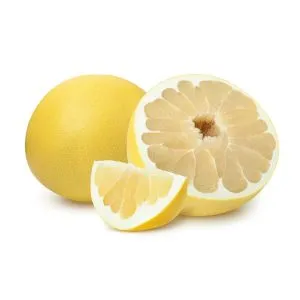
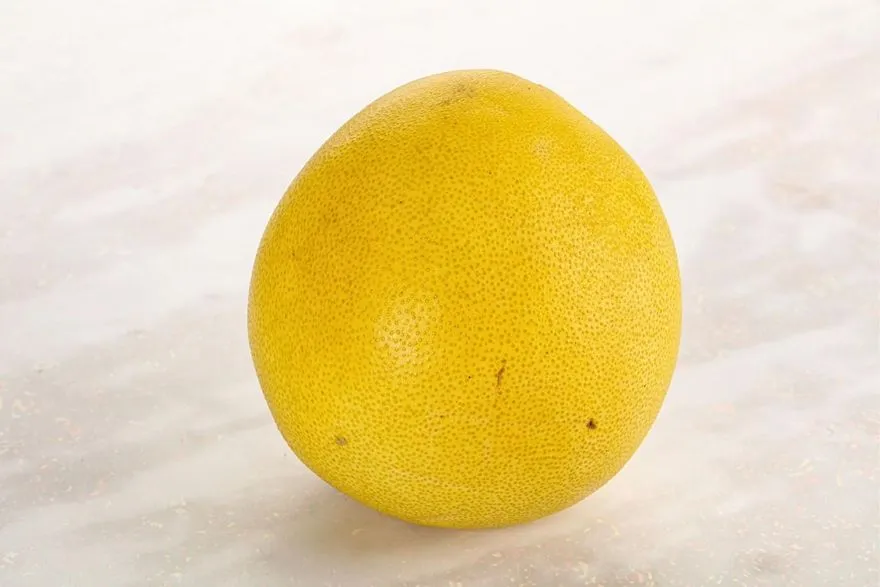
Pomelo (Yellow)

Yellow Pomelo in Liqueurs: Citrus Oils, Clean Bitterness, and Aroma Lift

Yellow pomelo brings a clean, bright citrus profile with floral lift, gentle grapefruit-like bitterness, and fragrant peel oils. The flesh gives juicy sweetness and a soft citrus body, while the zest adds high-impact aroma that can turn harsh if pith is included. Use thin strips of peel (no white pith) and strain early for crisp results. Pomelo oils can haze when chilled or diluted, so add syrup slowly and let the liqueur rest 1–3 weeks for integration. Excellent in vodka, rice spirits, and light rum, especially when paired with warm spices.

Pomelo (Yellow)

Home / Ingredients / Fruits / Pomelo (Yellow)

Pomelo (Yellow) Flavor Profile

bright citrus, floral, grapefruit-like, lightly bitter, juicy, aromatic oils

Pomelo (Yellow) Impact on Liqueurs

Adds sparkling citrus aroma and clean bitterness; peel oils boost lift but may cause haze if overdosed.

How to Use Pomelo (Yellow)?

Use peeled segments for flesh; zest only the colored peel and avoid pith. Start with 200–500 g flesh per 1 L and 2–4 thin peel strips for 3–10 days. Taste early, strain at peak aroma, sweeten gradually, and rest 1–3 weeks.

Pomelo (Yellow) Pairing Suggestions

Vodka, Cane Sugar, Grapefruit, Ginger, Honey, Rosemary, Mint, Lime
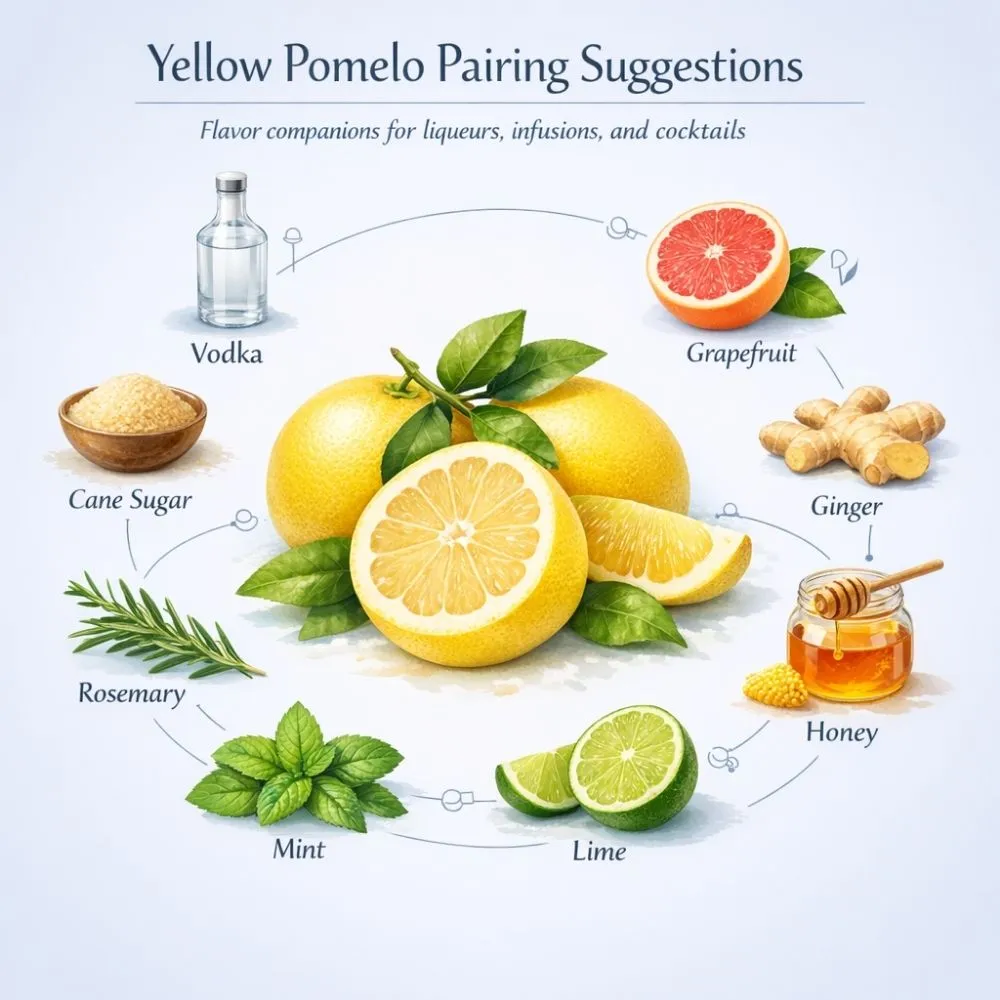
Pomelo (Yellow) pairing suggestions for liqueur making

Pomelo (Yellow) FAQ


Yellow pomelo peel is powerful because most of its aroma lives in the colored outer layer, while most harsh bitterness lives in the white pith. For a clean pomelo liqueur, remove only thin strips of the yellow zest and keep all pith off the peel.

Extraction happens fast, so treat peel like a spice. Start with 2–4 thin strips per 1 liter of spirit and taste early; many batches peak in 2–7 days depending on proof and peel thickness.

The most common mistake is macerating thick peels “whole,” which dumps pith bitterness into the jar. If bitterness shows up, strain immediately and let the infusion rest—then rebalance with a little syrup or blend with a fresh, peel-free batch.

Cloudiness is usually caused by citrus essential oils leaving solution when the liqueur is chilled, diluted, or sweetened. Pomelo peel is especially oil-rich, so even a “perfect” infusion can haze after adding water or syrup.

To prevent haze, avoid over-dosing peel and strain at peak aroma rather than leaving zest for weeks. When lowering ABV, add water or syrup slowly while stirring, and give the bottle time to settle before final filtering.

If your pomelo liqueur is already cloudy, it’s often cosmetic and safe. Try resting it cold for 24–48 hours, then rack off the clearer portion and filter gently; aggressive filtering too early can strip the bright citrus top-notes.

The best method for extracting pomelo essence involves a combination of maceration and cold infusion. Start by peeling the pomelo and using the zest to maximize the essential oils. Soaking the zest in high-proof alcohol allows for effective flavor extraction while preserving the bright notes of the fruit.

Cold infusion can take longer, but it helps maintain the delicate flavors without introducing heat that could alter the profile. Typically, 7 to 14 days is ideal for cold infusion, depending on your desired intensity. Regularly taste your mixture to find the perfect balance.

After the extraction period, strain the mixture to remove solids, ensuring a clear liqueur. You can then blend the extracted essence with sweeteners to create a harmonious flavor profile. This method yields a vibrant and aromatic liqueur that showcases the pomelo's unique characteristics.

To avoid pitfalls, start by tasting the pomelo before use to gauge its sweetness and adjust your recipe accordingly. This helps ensure that the liqueur maintains a balanced flavor profile.

Additionally, consider using only the flesh of the pomelo for infusions, as the pith can introduce unwanted bitterness. If you do use the peel, make sure to zest it finely and limit the amount to prevent overpowering the liqueur.

Finally, monitor the infusion process closely. Taste regularly to determine when the desired flavor is achieved, and remember that less is often more when it comes to infusing with pomelo.

Yes, yellow pomelo can be replaced with other citrus fruits, such as sweet oranges or tangerines. These fruits provide a sweeter flavor that can complement the liqueur while still offering a citrusy essence. Adjust the sweetness to match your desired taste.

Lemons can also be a good substitute, particularly if you enjoy a more tart profile in your liqueur. However, keep in mind that lemons are more acidic, so you may want to balance the flavor with additional sweeteners.

Lastly, consider using a mix of lime and orange juice for a vibrant flavor combination. This will give you the acidity of lime along with the sweetness of orange, creating a complex taste that can stand in for pomelo.
Pomelo (Yellow)
Pomelo (Yellow) in Liqueur Crafting

More Fruits


LIQUEUR ALCHEMY TOOLS & RESOURCES


Design labels in minutes—beautiful, practical, and ready to print. Choose a tool below to generate bottle or ingredient labels that match your Liqueur Alchemy workflow.
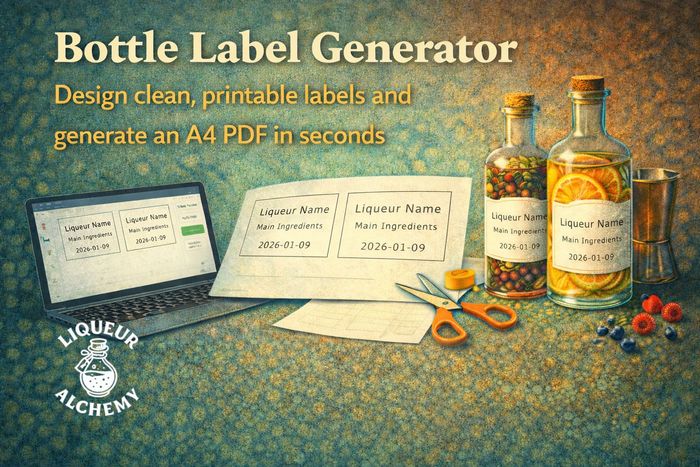
Bottle Label Generator preview

Bottle Label Generator

Create clean bottle labels with your liqueur name, batch details, date — ready for printing and gifting.

Ingredient Label Generator preview

Ingredient Label Generator

Label jars, containers, and storage bags to maintain clear organization from preparation through infusion and serving.

Ingredient pairing cheat sheet for creating balanced homemade liqueurs

Ingredient Pairing Cheat Sheet

Discover flavor combinations that create balanced, complex, and unique homemade liqueurs.