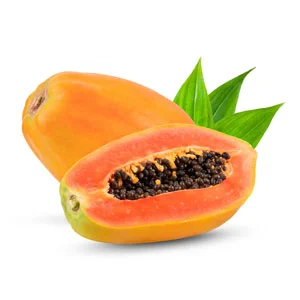
Papaya

Papaya in Liqueur Making: Tropical Sweetness and Smooth Fruit

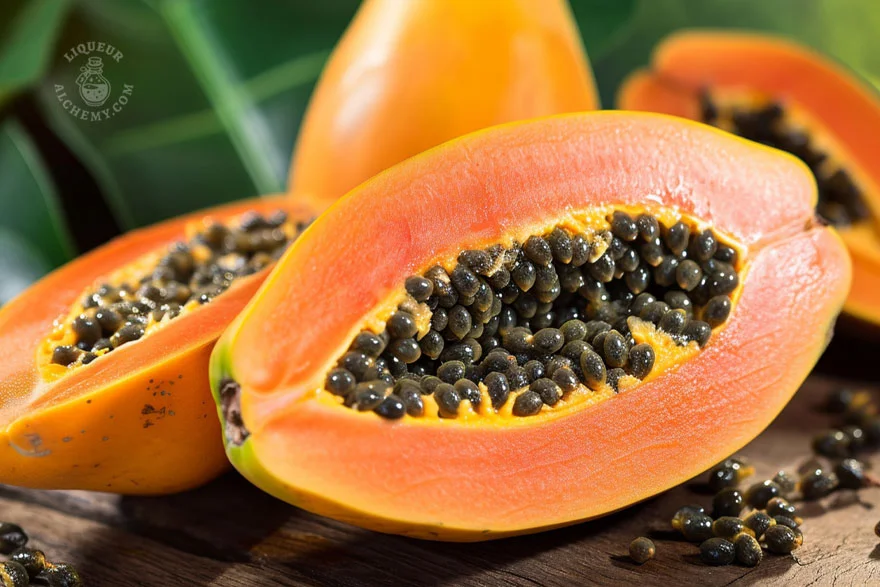
Papaya brings mellow tropical sweetness, soft melon character and a lightly musky, floral aroma to homemade liqueurs. Its ripe flesh infuses alcohol with a rounded fruitiness rather than sharp acidity, making it useful for smoothing brighter ingredients such as lime and passion fruit. In vodka or light rum, papaya creates a soft, approachable base with subtle golden colour and a fuller mouthfeel. Use ripe, fragrant fruit and avoid excessive maceration, which can produce dull or vegetal notes.

Papaya

Home / Ingredients / Fruits / Papaya

Papaya Flavor Profile

Mellow tropical sweetness with soft melon, peach-like fruitiness, gentle floral musk and low acidity.
Papaya Impact on Liqueurs

Adds rounded tropical fruit character, subtle golden colour, gentle sweetness and a smooth, fuller mouthfeel.

How to Use Papaya?

Use fully ripe, fragrant papaya. Peel, remove the seeds and cut the flesh into chunks before infusing. Vodka preserves its delicate tropical character, while light rum adds warmth and depth. Combine with citrus or passion fruit for acidity and contrast. Taste regularly during maceration and strain once the desired fruit intensity is reached to avoid flat or vegetal flavours.

Papaya Pairing Suggestions

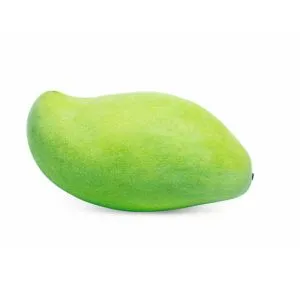
Vodka, Light Rum, Cane Sugar, Honey, Lime, Passion Fruit, Pineapple, Mango, Vanilla, Ginger
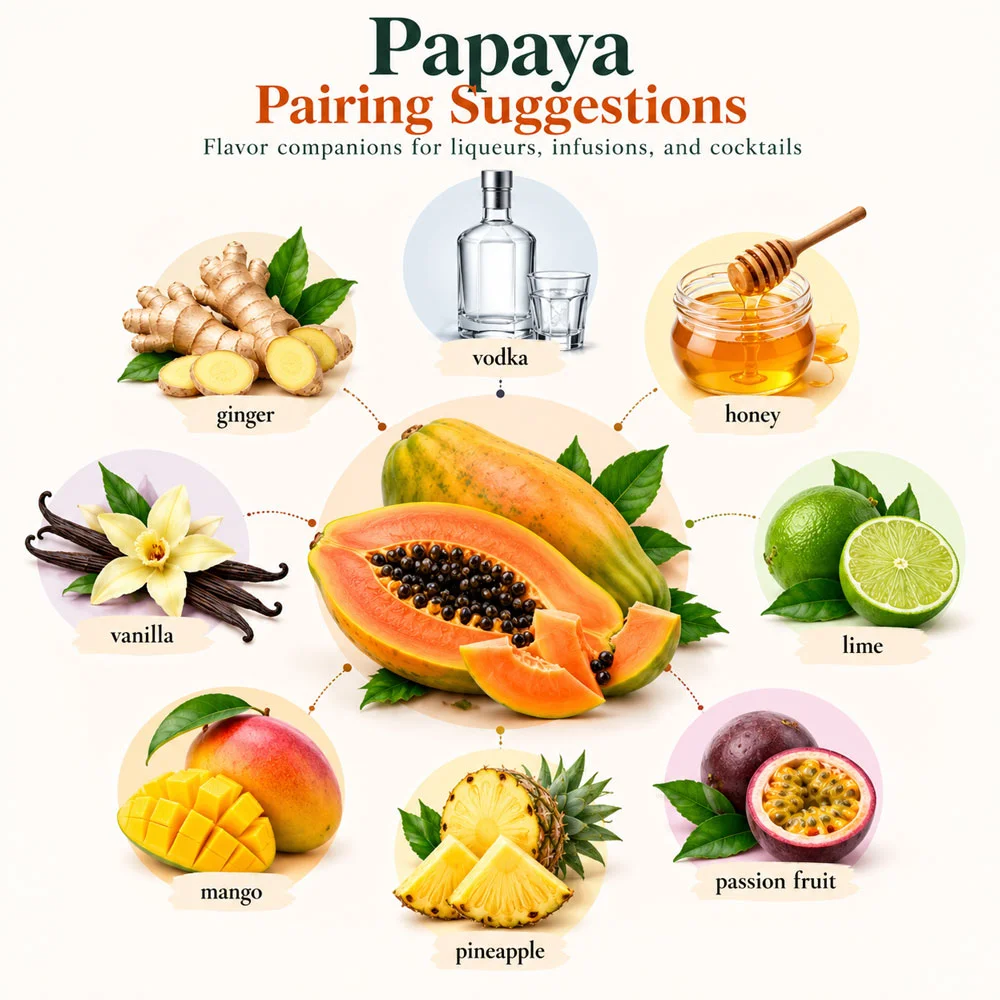
Papaya pairing suggestions for liqueur making

Papaya FAQ


Papaya releases a noticeable amount of flavor fairly quickly in alcohol because its ripe flesh is soft, moist and easy for ethanol and water to penetrate. During the first several days, vodka or light rum begins extracting its mellow tropical sweetness, melon-like character, gentle floral notes and subtle golden color. Papaya is less intense than strongly aromatic fruits such as passion fruit, so early extraction can seem delicate even when much of its fresh character is already present.

For most homemade liqueurs, papaya should be tasted regularly rather than left to macerate automatically for a very long period. Cut peeled, deseeded ripe fruit into medium chunks to expose enough surface area without turning it into pulp. A practical infusion may develop well within roughly one to three weeks, depending on ripeness, fruit quantity, alcohol strength and the desired intensity. Smaller pieces extract faster but also create more sediment and can make filtration difficult.

Longer infusion does not necessarily produce a better papaya liqueur. Once the bright tropical notes have been extracted, extended contact can flatten the fruit character and introduce dull, cooked or slightly vegetal qualities. Use fragrant, fully ripe fruit and strain when the infusion tastes rounded and clearly recognizable as papaya. If greater fruit intensity is needed, increasing the amount of papaya or using a second short infusion is often preferable to excessively extending maceration.

Mango is one of the most practical substitutes for papaya because it provides ripe tropical sweetness, soft flesh and a rounded mouthfeel. However, mango is generally more aromatic and distinctive, so it can make the finished liqueur richer and more obviously fruity. Melon can be used when a gentler flavor is wanted, while ripe peach or nectarine can reproduce some of papaya's soft stone-fruit impression without providing exactly the same tropical character.

Pineapple is another possible replacement, but it changes the balance substantially. It contributes brighter acidity, sharper tropical aroma and more energetic flavor, making the liqueur less mellow than one based on papaya. Guava can provide tropical depth and perfume, although its aroma can also be stronger. A blend of mild melon with a smaller amount of mango may come closer to papaya's combination of restrained sweetness, soft fruitiness and relatively low acidity.

Substitution should therefore be based on papaya's role in the recipe rather than simply replacing the same weight with any tropical fruit. If papaya is providing body and mellow sweetness, choose mango, melon or peach and adjust sugar carefully. If it is balancing acidic ingredients such as lime or passion fruit, avoid replacing it entirely with another highly acidic fruit. Taste during infusion because substitute fruits may extract at different rates and may require shorter maceration or a different dosage.

Papaya generally benefits from a relatively short to moderate infusion because ripe flesh releases its delicate tropical character without requiring months of maceration. A useful starting range is approximately one to three weeks in vodka or light rum, with tasting beginning after several days. The exact time depends on ripeness, piece size, fruit-to-alcohol ratio, alcohol strength and whether papaya is intended to lead the liqueur or simply soften stronger ingredients.

Prepare the fruit by peeling it, removing all seeds and cutting the flesh into medium chunks. Very small pieces expose more surface area and can accelerate extraction, but they also break down more readily and produce sediment. Store the sealed infusion away from heat and direct sunlight, and gently turn or swirl the container occasionally rather than aggressively shaking soft fruit into pulp. Taste every few days and evaluate aroma, freshness, body and any developing vegetal character.

Papaya should be strained when the alcohol has acquired a clear but fresh tropical flavor and before the fruit character becomes flat. Leaving it for substantially longer simply because other fruit liqueurs use long macerations can be counterproductive. If the infusion is too weak after the fruit tastes exhausted, adding fresh papaya for a second controlled extraction can produce a brighter result than extending the original maceration indefinitely. Always judge timing by flavor rather than treating a fixed number of days as mandatory.

One common cause of dull papaya liqueur is using fruit that is underripe, watery or lacking aroma. Alcohol cannot extract flavors that are not present in the fruit, so choose papaya that is fully ripe and fragrant without being spoiled. Excessively long maceration is another frequent problem. Papaya's fresh tropical notes can fade while softer vegetal or cooked impressions become more noticeable, leaving the infusion less lively even though it has been in contact with more fruit.

Poor balance can also make papaya seem flat. The fruit naturally has gentle acidity, so excessive sugar or honey can make the liqueur heavy and blur its delicate melon and floral qualities. A controlled amount of lime, lemon or passion fruit can provide contrast and improve definition. Likewise, strong additions of cinnamon, clove, ginger or highly aromatic fruit can overwhelm papaya. Spices should support its subtle character rather than compete with it.

Preparation and storage matter as well. Pureeing papaya can create excessive pulp and difficult filtration without guaranteeing a fresher flavor. Cut it into manageable chunks, keep the infusion sealed, and store it away from heat and direct sunlight. Taste throughout maceration instead of relying solely on a predetermined date. After straining, allow the liqueur to settle and reassess sweetness before making adjustments. Good ripe fruit, moderate extraction and sufficient acidity usually produce a brighter and more recognizable papaya profile.

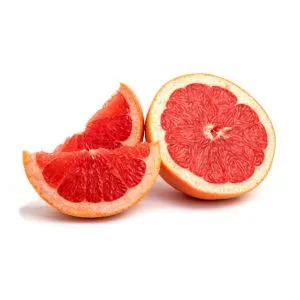
Papaya gives liqueurs a rounded impression of sweetness even before much additional sugar is introduced. Its ripe tropical flavor, low acidity and soft melon-like character can make an infusion seem sweeter than its actual sugar content suggests. Compared with sharper fruits such as lime, grapefruit or passion fruit, papaya smooths edges and creates a gentler overall profile. This makes it useful for balancing recipes that would otherwise feel aggressively acidic or aromatic.

The fruit can also increase the perception of body. Ripe papaya contributes soft fruit solids and a broad, mellow flavor that makes vodka or light rum feel fuller and less austere. This does not mean the infusion should be allowed to become pulpy. Excess fruit breakdown can create haze, sediment and an unattractive heavy texture. Medium pieces, controlled maceration and careful straining preserve the desired sense of roundness while keeping the finished liqueur cleaner.

Because papaya already softens acidity and increases perceived sweetness, sugar syrup, cane sugar or honey should be added gradually. Sweetening heavily before tasting the strained infusion can produce a cloying result. If the liqueur feels broad but lacks freshness, small amounts of lime or another acidic fruit can sharpen its structure. Papaya works especially well when its smoothness is treated as part of the recipe's balance rather than relying on added sugar alone to create richness.
Papaya
Papaya in Liqueur Crafting

More Fruits


LIQUEUR ALCHEMY TOOLS & RESOURCES


Design labels in minutes—beautiful, practical, and ready to print. Choose a tool below to generate bottle or ingredient labels that match your Liqueur Alchemy workflow.
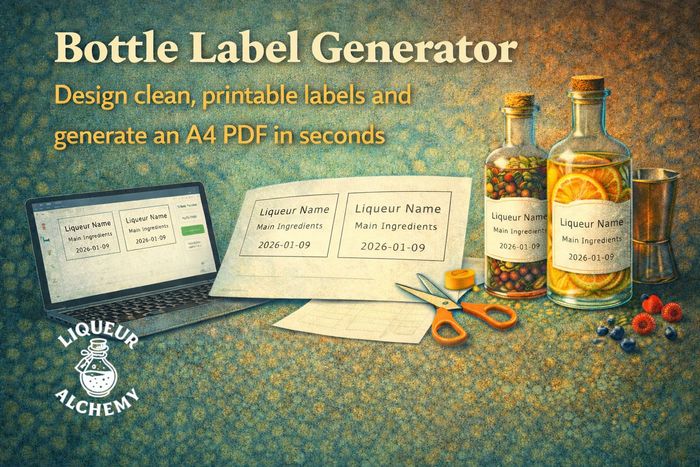
Bottle Label Generator preview

Bottle Label Generator

Create clean bottle labels with your liqueur name, batch details, date — ready for printing and gifting.
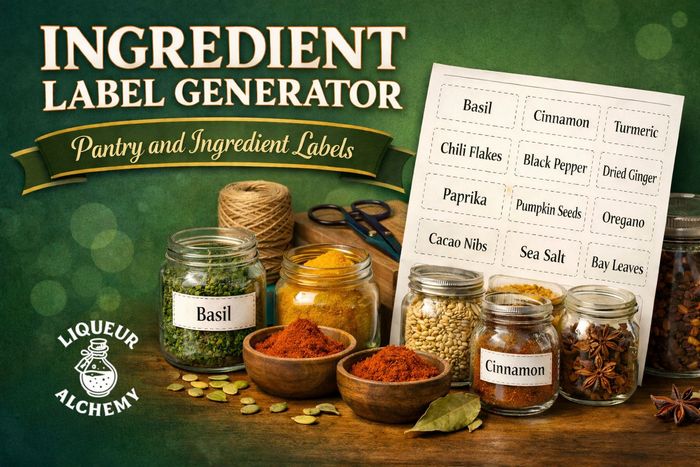
Ingredient Label Generator preview

Ingredient Label Generator

Label jars, containers, and storage bags to maintain clear organization from preparation through infusion and serving.
Ingredient pairing cheat sheet for creating balanced homemade liqueurs

Ingredient Pairing Cheat Sheet

Discover flavor combinations that create balanced, complex, and unique homemade liqueurs.