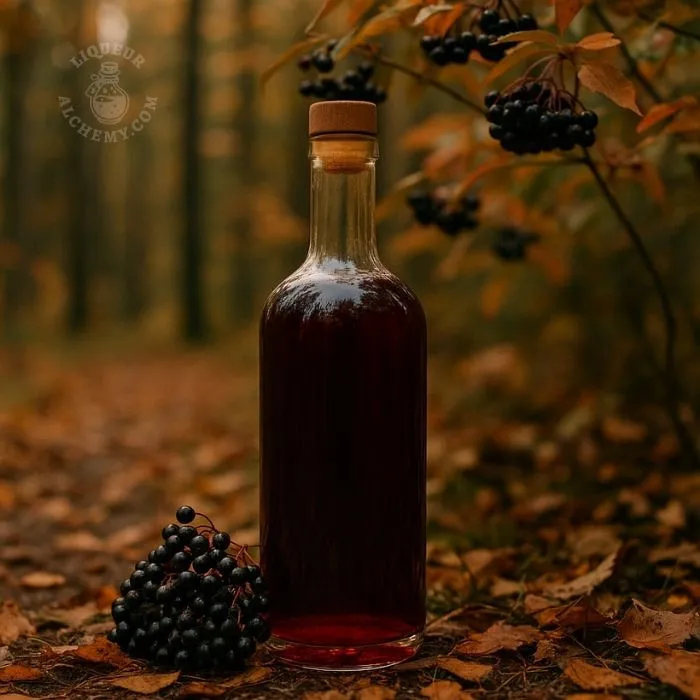
Elderberry

Elderberry for Liqueur Infusions – Flavor & Pairing Tips

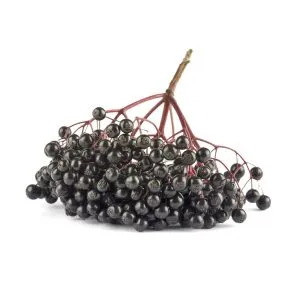
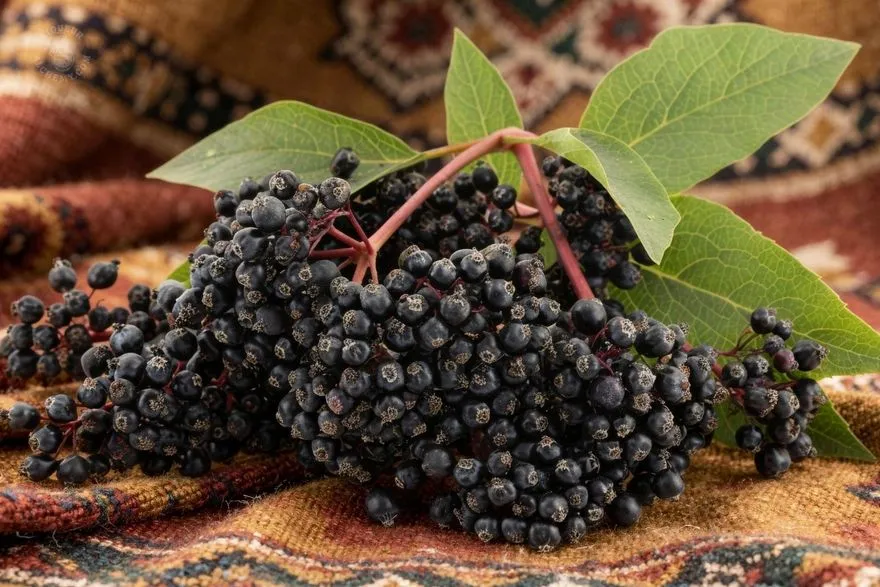
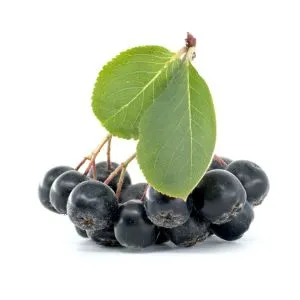
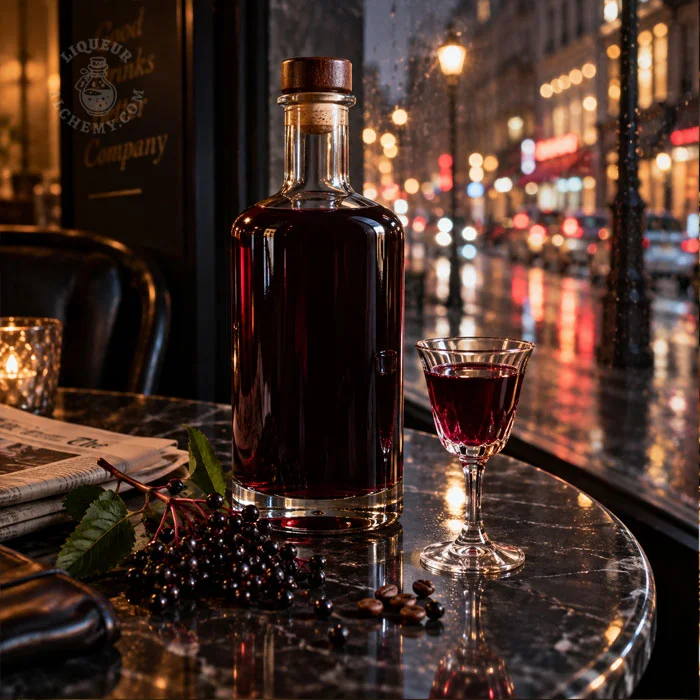
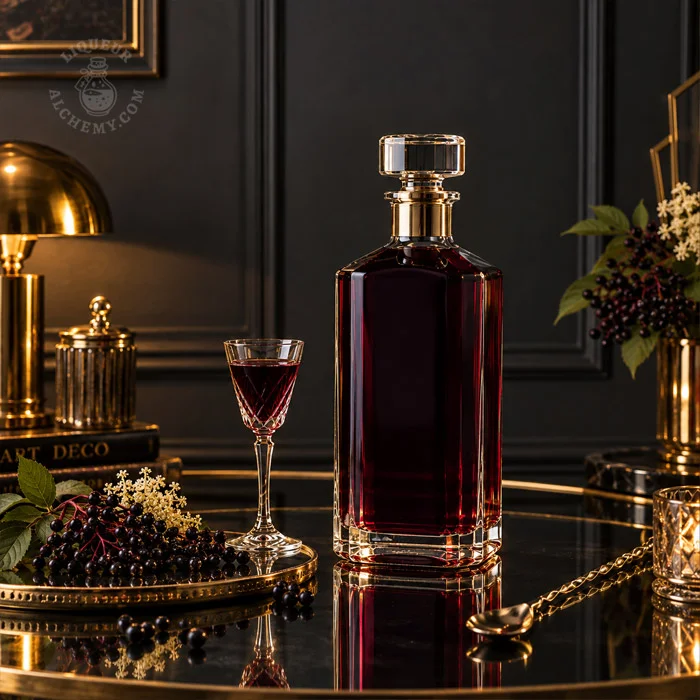
Elderberries offer deep, dark fruit character with subtle earthiness and natural tannins that lend structure to liqueurs. Their flavor feels both rustic and refined, adding richness without overwhelming sweetness. When infused, they create an inky color and layered berry notes that work well with spices, citrus, or honey. Elderberries are ideal for complex, slow-sipping liqueurs that feel comforting, mature, and slightly mysterious.

Elderberry

Home / Ingredients / Fruits / Elderberry

Elderberry Flavor Profile

Dark berry aroma, earthy-tart flavor, wine-like tannins and subtle bitterness.

Elderberry Impact on Liqueurs

Creates deep color and structure; adds complexity and dry balance to sweet liqueurs.

How to Use Elderberry?

Use fresh or frozen berries; 500–800 g per 1 L. Infuse 3–6 weeks in vodka or brandy.

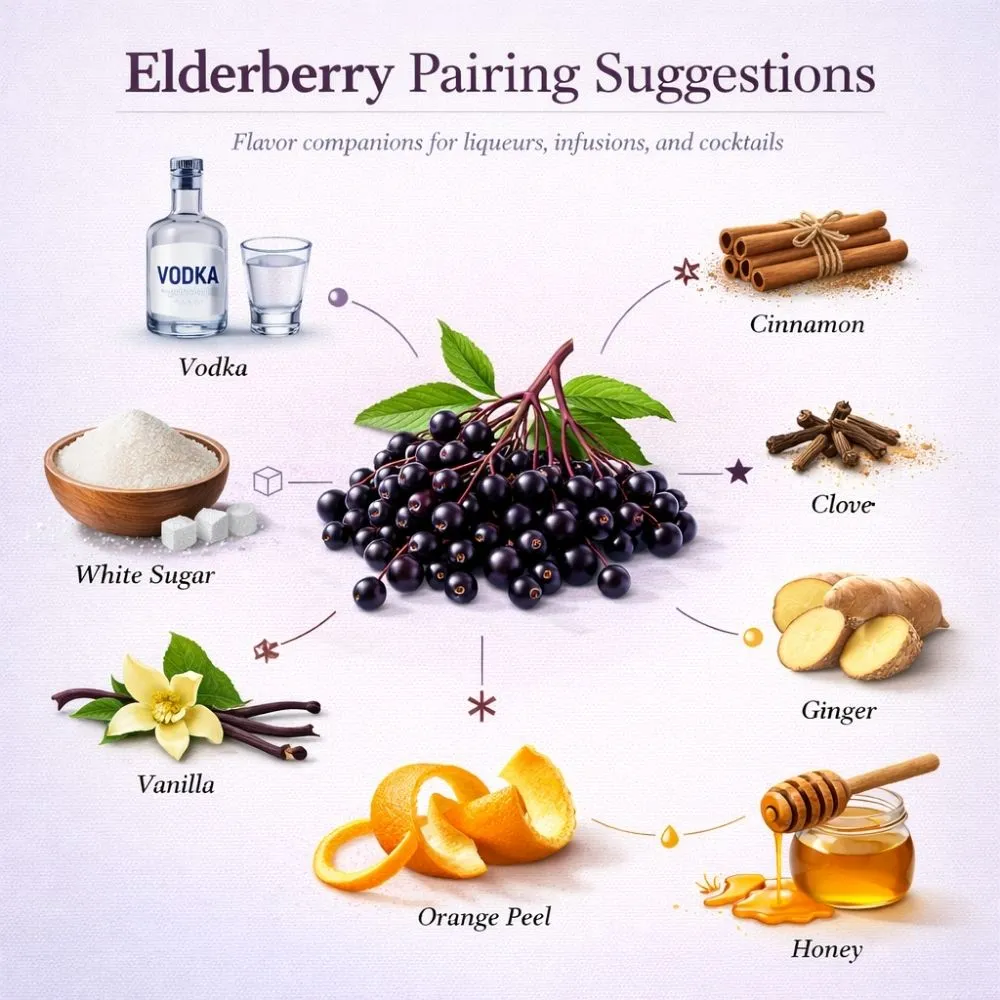
Elderberry Pairing Suggestions

Vodka, White Sugar, Cinnamon, Clove, Ginger, Honey, Orange Peel, Vanilla

Elderberry pairing suggestions for liqueur making

Elderberry FAQ


Elderberries are commonly cooked or at least gently heated because raw berries can contain compounds that can upset the stomach, and heating also helps break down berries for extraction. A safe, simple approach is to freeze the berries (to rupture cells), then simmer briefly with a small amount of water to make a concentrate—cool completely—then blend into your alcohol base. If you’re using dried elderberries, you can usually infuse directly.

For infusion, 40–50% ABV works well. Elderberry is strong and dark-fruited, so start tasting at day 3–5 and strain around days 7–14. If using a cooked concentrate, add it after straining your spice/citrus components so you can control color, tannin, and sweetness.

Common mistakes include over-steeping (tannic), crushing seeds aggressively, and overspicing (elderberry likes subtle warmth). Flavor impact is blackberry-like, winey, and deep; pairs well with lemon peel and vanilla. Store cool and dark; elderberry liqueurs age nicely and mellow over a month.

View this Ingredient FAQ as a standalone page

Elderberry loves warm, supportive sweetness: cane sugar keeps it clean; honey adds floral depth; brown sugar adds a mulled-wine vibe. For spices, keep it restrained—vanilla, a small cinnamon piece, or a few cloves maximum (clove can dominate fast). Citrus zest (lemon/orange) is often the best “spice” because it lifts the heavy berry profile.

Timing matters: infuse elderberry first, strain, then add spice briefly (hours to a couple days) so you don’t overshoot. Alternatively, make a small spice tincture and dose to taste. Sweeten after straining and rest 2–4 weeks for integration.

Common mistakes are turning it into a full mulled spice bomb and oversweetening, which makes elderberry feel syrupy. Flavor impact should be dark berry with a bright top note and a warm finish. Store cool and dark; spice presence can feel stronger after resting.

The extraction efficiency of elderberry in liqueurs is influenced by several key factors, including the type of alcohol used and the ratio of elderberries to liquid. Higher alcohol content can lead to more efficient extraction of flavors and colors, while lower alcohol may result in a milder profile.

Maceration time is another critical factor; longer infusion periods generally yield richer flavors. However, balancing time with the risk of over-extraction is essential, as this can introduce unwanted bitterness. Regular tasting during the process can help determine the optimal extraction point.

Additionally, the preparation of the elderberries, such as whether they are crushed or left whole, impacts extraction. Crushing the berries allows for quicker release of compounds, while whole berries may require longer to infuse. Adjusting these variables can lead to a customized elderberry liqueur tailored to personal taste preferences.

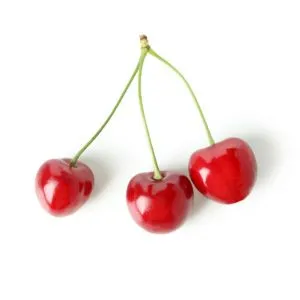
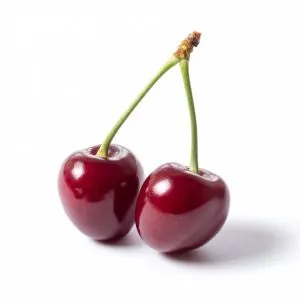
Yes, you can replace elderberry with other fruits in liqueur making. Fruits like raspberry or cherry can provide a similar sweetness and acidity, creating a delightful flavor profile. These fruits also contribute vibrant colors, enhancing the aesthetic of your liqueur.

If you're aiming for a more exotic twist, consider using pomegranate juice. It has a unique tartness and rich flavor that can stand in for elderberry while adding complexity. Just be mindful of the sweetness level, as pomegranate can be sweeter than elderberry.

Additionally, using a mix of fruits like apple and pear can give you a balanced flavor that still captures the essence of elderberry. Adjust the ratios to suit your taste and the overall recipe requirements.

Elderberry should be added at the beginning of the liqueur-making process, specifically during the infusion stage. This allows the flavors to fully develop and integrate with the base spirit. Starting early maximizes the extraction of beneficial compounds and flavor.

It's advisable to let the elderberries steep for at least one week, but you can extend this period for a more robust flavor. Regularly check the infusion to ensure it meets your taste preferences, as the intensity can vary.

After the desired infusion time, strain out the elderberries and proceed with sweetening or additional flavoring. This timing ensures a well-balanced liqueur that highlights the elderberry's unique characteristics.
Elderberry
Elderberry in Liqueur Crafting

More Fruits


RELATED RECIPES OF LIQUEUR ALCHEMY


Explore more creations from Liqueur Alchemy that share similar flavours, techniques, or ingredients. These related recipes offer fresh ideas and inspired combinations to help you craft your next bold, homemade spirit.

LIQUEUR ALCHEMY TOOLS & RESOURCES


Design labels in minutes—beautiful, practical, and ready to print. Choose a tool below to generate bottle or ingredient labels that match your Liqueur Alchemy workflow.
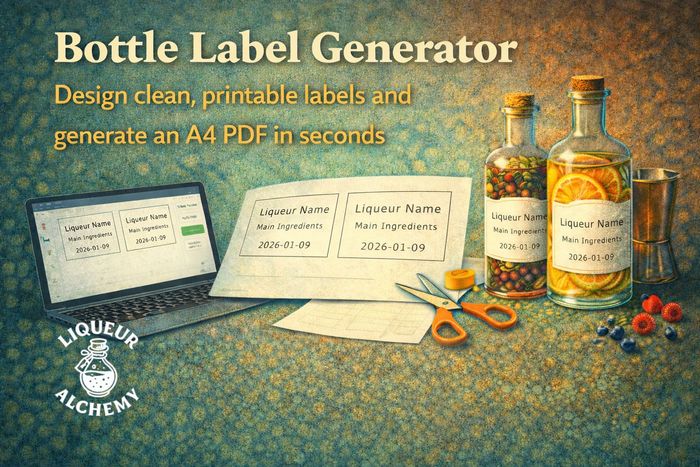
Bottle Label Generator preview

Bottle Label Generator

Create clean bottle labels with your liqueur name, batch details, date — ready for printing and gifting.
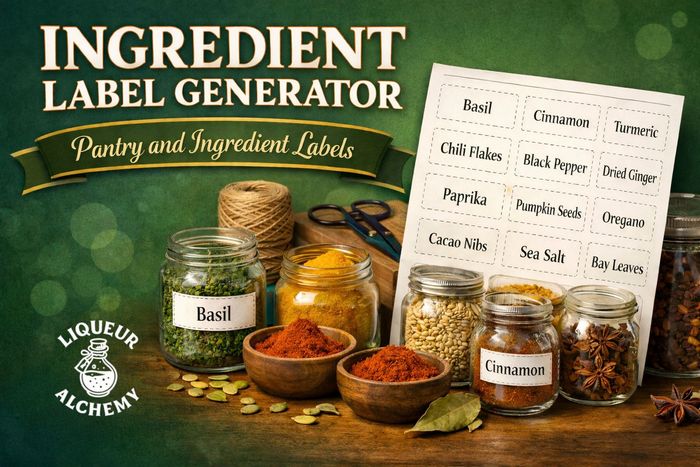
Ingredient Label Generator preview

Ingredient Label Generator

Label jars, containers, and storage bags to maintain clear organization from preparation through infusion and serving.
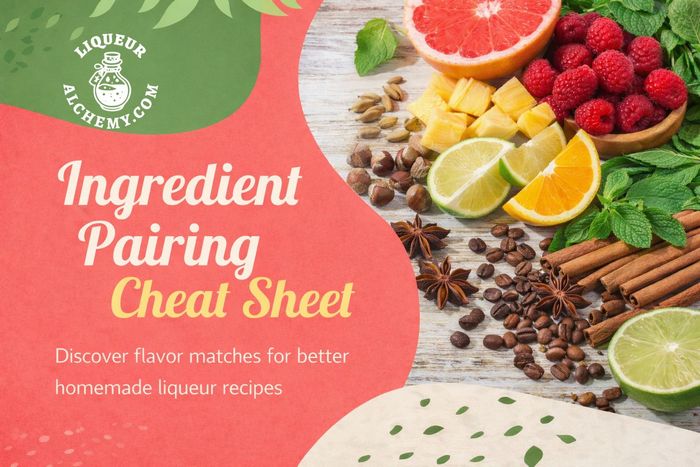
Ingredient pairing cheat sheet for creating balanced homemade liqueurs

Ingredient Pairing Cheat Sheet

Discover flavor combinations that create balanced, complex, and unique homemade liqueurs.