Blackbird

Blackbird Bird Cherry Liqueur with Honey and Woodland Spice

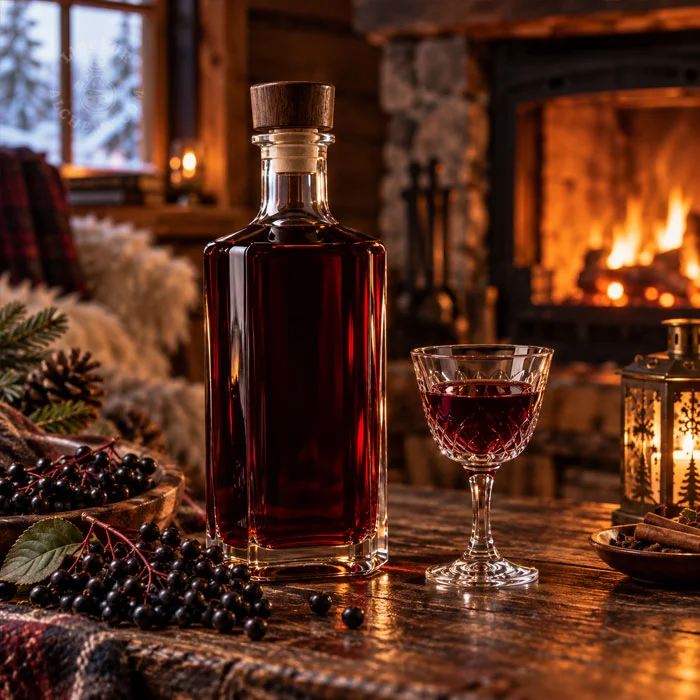
Blackbird is a vodka-based bird cherry liqueur combining tart, dark woodland fruit with white sugar and honey. Vanilla softens the profile, while cinnamon and cloves provide gentle warmth and black peppercorns add a dry aromatic lift. The finished liqueur is fruity, moderately sweet, lightly tannic and subtly spiced.

Main notes

  • Vodka
  • Bird Cherries

Ingredients

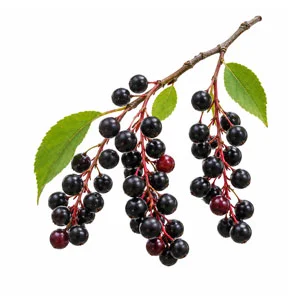
  • Bird Cherries — 1 kg
  • Vodka — 1 L
  • White Sugar — 180 g
  • Honey — 60 g
  • Vanilla — ½ pod
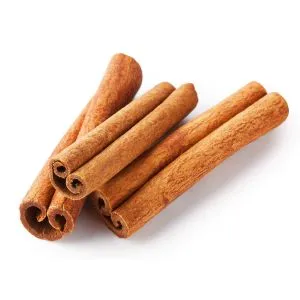
  • Cinnamon — ½ small stick
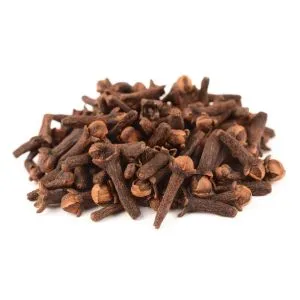
  • Cloves — 4
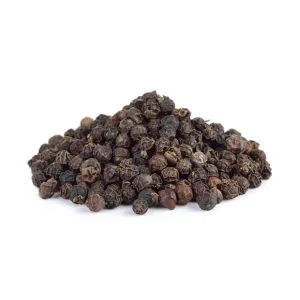
  • Peppercorns (Black) — 6

Preparation

  1. Sort the bird cherries carefully, removing stems, leaves, unripe fruit and any damaged berries. Rinse gently in cold water and allow them to drain and dry thoroughly.
  2. Freeze the cleaned bird cherries overnight, then thaw completely. Freezing helps break down the fruit and encourages better colour and flavour extraction.
  3. Place the thawed bird cherries in a large sterilised glass infusion jar. Gently crush a small portion of the fruit to release some juice while leaving most berries intact.
  4. Add the white sugar and honey, then gently rotate the jar to distribute them through the fruit.
  5. Add the split vanilla pod, cinnamon stick, cloves and lightly crushed black peppercorns.
  6. Pour in the vodka, ensuring the fruit and aromatics are submerged. Seal the jar tightly and store in a cool, dark place.
  7. Gently rotate the jar once a day during the first week to help dissolve the sugar and distribute the flavours evenly.
  8. Begin tasting after about three weeks. Remove the cloves, cinnamon or peppercorns individually if their flavours begin to dominate, while allowing the bird cherries to continue infusing.
  9. After about four weeks, strain through a fine sieve and then filter until clear. Bottle the liqueur and allow it to rest for several weeks before serving so the fruit, sweetness and spices can integrate.
Download

The Story

Blackbird began with bird cherries gathered from the nearby forest, where the dark clusters ripen among the trees at the end of summer. Their tart, slightly tannic fruit and subtle almond-like character seemed perfect for a liqueur with a darker edge. Vodka keeps the fruit at the centre, while white sugar and honey soften its natural sharpness. Vanilla adds roundness, cinnamon and cloves bring restrained warmth, and black peppercorns provide a dry, spicy lift. The result is a woodland-inspired liqueur that feels rustic yet refined — dark, aromatic and quietly complex, with the wild character of the forest fruit still clearly present.

Who is "Blackbird" Liqueur for?

Blackbird is for curious drinkers who enjoy dark fruit, restrained sweetness and subtle spice. Its wild cherry character suits slow sippers and adventurous palates looking for something less conventional, particularly on quiet autumn or winter evenings.

"Blackbird" Liqueur Serving Suggestions

Serve Blackbird slightly chilled or at cool room temperature in a small liqueur or cordial glass. It works especially well as an after-dinner sip, when its dark cherry fruit, gentle honey sweetness, warm spice and peppery finish can unfold slowly.

Why the Name "Blackbird"?

The name Blackbird reflects both the appearance and woodland origins of the liqueur. The bird cherries are gathered from the nearby forest, where their almost black clusters stand out among the leaves. “Blackbird” captures that dark fruit colour while suggesting something wild, familiar and slightly mysterious. It also suits the liqueur itself: deceptively simple at first, but revealing fruit, spice and subtle almond-like notes as it opens in the glass.

Testing Notes

Bird cherry has enough tannin and distinctive fruit character to remain prominent without heavy seasoning. The cloves and cinnamon should be monitored during infusion, as they can quickly overpower the fruit. Lightly crushing only some berries improves extraction while avoiding excessive bitterness. Black pepper works best as a background aromatic rather than an obvious flavour.

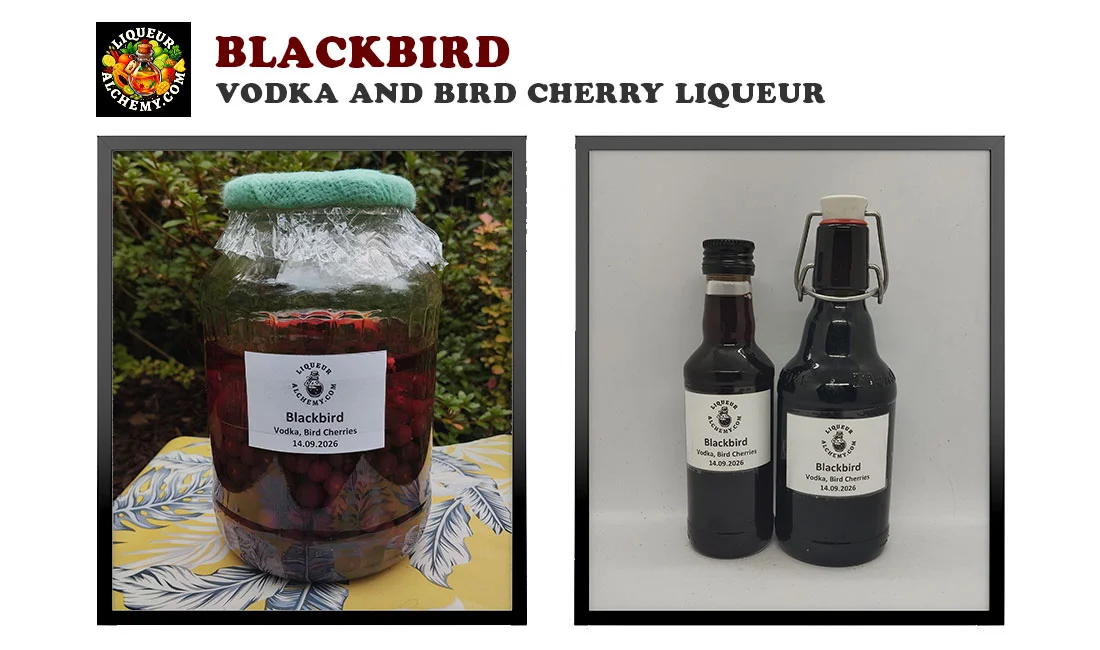
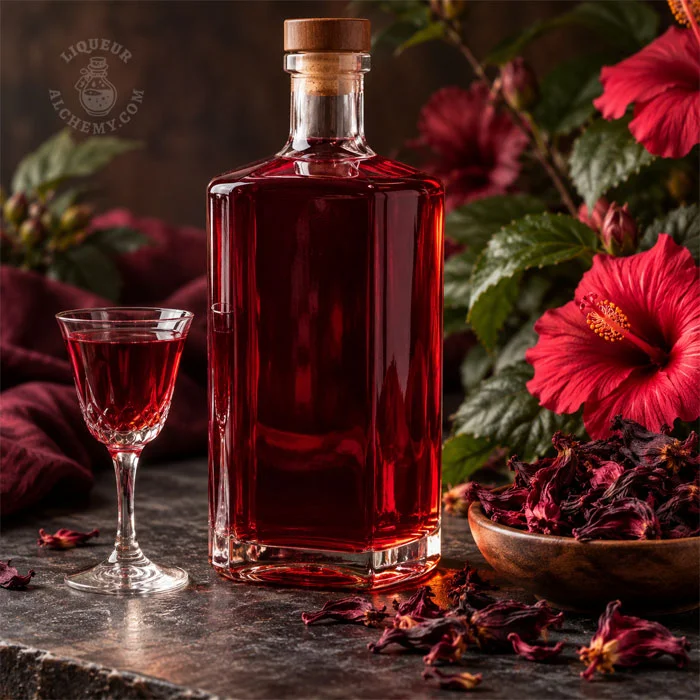
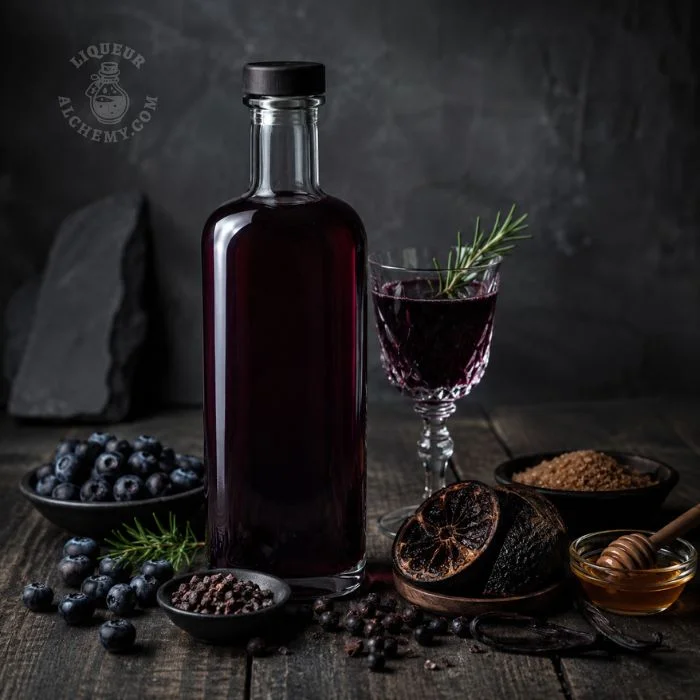
Blackbird liqueur during maceration and finished bottled liqueur

Blackbird Liqueur FAQ


After straining and filtering, give the liqueur several weeks of rest before judging its finished character. Freshly filtered bird cherry liqueur can taste separated, with alcohol, tannin, honey and spices appearing as distinct elements. Resting allows these components to integrate and usually produces a rounder, calmer finish.

Store the bottled liqueur tightly sealed in a cool, dark place away from sunlight and large temperature changes. Clean, sterilised glass bottles are preferable for longer storage. If fine sediment develops after the first filtration, allow it to settle and carefully decant or filter the liqueur again before final storage.

Taste after roughly three to four weeks of bottle rest and compare it with the freshly filtered version. Longer maturation can further soften the alcohol and spice. Once the balance is satisfactory, keep the bottle sealed between servings and avoid unnecessary exposure to heat, light and air.

View this Liqueur FAQ as a standalone page

Fresh bird cherries give this infusion its distinctive tart, tannic and subtly almond-like character, so there is no exact substitute. Frozen bird cherries are the best alternative and can be used at the same weight. Freezing may actually help extraction because the fruit softens as it thaws.

If bird cherries are unavailable, chokecherries are the closest practical alternative where available. Tart black cherries can also produce a good dark-fruit liqueur, but the result will be softer, sweeter and less tannic. Avoid replacing the fruit with sweet dessert cherries without reducing the sugar.

When changing the fruit, keep the vodka and spices restrained at first and adjust sweetness after straining. The original 180 g white sugar and 60 g honey are balanced around tart bird cherries; sweeter substitutes may need considerably less sugar to retain the dry, dark-fruit character.

Bird cherries can remain in vodka for about four weeks to develop colour, fruit flavour and gentle tannic structure. Start tasting after roughly three weeks. The fruit should become clearly expressive without the infusion developing an aggressively bitter, woody or overly astringent finish.

The cinnamon, cloves and black peppercorns should be monitored separately because they can extract faster than the fruit. Begin checking their influence after the first week or two. Remove any spice as soon as it becomes clearly identifiable rather than allowing the entire spice mixture to remain automatically until straining.

Vanilla is generally softer and can remain longer, but tasting is still more reliable than following a fixed date. Once the bird cherry character is deep and balanced, strain the infusion. Extending maceration simply for greater intensity can extract excessive tannin and obscure the fruit.

The main risk is over-extraction. Bird cherries naturally contribute tannin and a dry edge, so crushing every berry heavily or leaving the fruit indefinitely in alcohol can make the infusion harsh. Gently crush only a small portion of the fruit and leave most berries intact during maceration.

Spices can intensify the problem. Four cloves, half a small cinnamon stick and six black peppercorns provide background warmth, but cloves and cinnamon can quickly dominate. Taste during infusion and remove individual spices early if their woody, peppery or medicinal notes become stronger than the fruit.

Do not try to correct excessive bitterness immediately with large amounts of sugar. Strain first, allow the liqueur to rest, and taste again after the flavours settle. A small amount of additional honey or sugar syrup can soften a dry finish, but severe over-extraction is difficult to disguise completely.

Bird cherries naturally bring acidity, tannin and a dry fruit character, so the liqueur may initially seem sharper than expected. The combination of 180 g white sugar and 60 g honey provides moderate sweetness without hiding the fruit. Always judge the final balance after straining rather than while berries remain in the jar.

If it is too tart or dry, add small measured amounts of simple syrup or mild honey, mixing thoroughly and tasting between additions. Honey adds body and aroma as well as sweetness, while white sugar gives a cleaner adjustment. Avoid making one large correction because sweetness becomes more integrated during resting.

If the liqueur is too sweet, additional vodka can reduce both sugar concentration and intensity. Make small additions so the fruit is not diluted excessively. A period of rest may also make the sweetness feel less separate, so allow several days after adjustments before deciding whether another correction is necessary.

RALETED RECIPES OF LIQUEUR ALCHEMY


Explore more creations from Liqueur Alchemy that share similar flavours, techniques, or ingredients. These related recipes offer fresh ideas and inspired combinations to help you craft your next bold, homemade spirit.