Kiwi (Green)

Green Kiwi in Liqueur Making: Fresh Acidity and Tropical Lift

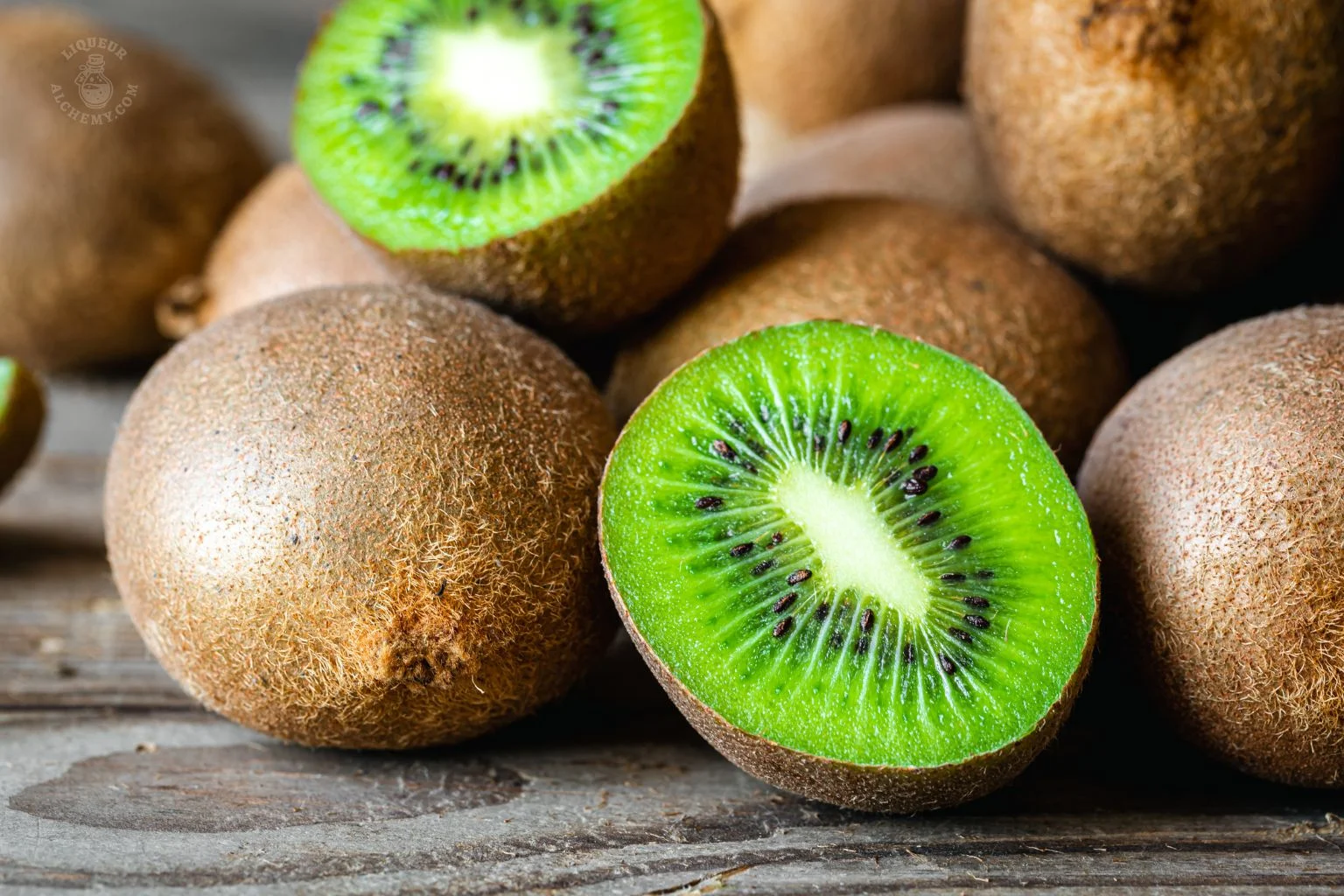
Green kiwi is valued in liqueur making for its bright acidity, vivid tropical-green aroma, and juicy freshness. It creates lively infusions that feel sharper and more energetic than many other soft fruits. In homemade liqueurs, green kiwi adds lift, tangy fruit character, and a clean, refreshing finish while helping sweeter formulas feel less heavy. It pairs especially well with citrus, ginger, honey, apple, and vanilla in crisp, modern, fruit-forward recipes.

Kiwi (Green)

Home / Ingredients / Fruits / Kiwi (Green)

Kiwi (Green) Flavor Profile

Tangy, fresh, tropical, green, juicy, and bright with noticeable acidity and a crisp fruity finish.
Kiwi (Green) Impact on Liqueurs

Adds acidity, freshness, vivid fruit lift, and a sharper finish, helping liqueurs taste brighter and less heavy.

How to Use Kiwi (Green)?

Use ripe but not overly soft kiwi, peel carefully, and slice evenly for controlled extraction. Green kiwi can become dull or overly pulpy if over-infused, so regular tasting and clean filtration are important for a fresh result.

Kiwi (Green) Pairing Suggestions

Vodka, White Rum, Cane Sugar, Honey, Lime Zest, Ginger, Apple, Mint, Vanilla, Pineapple
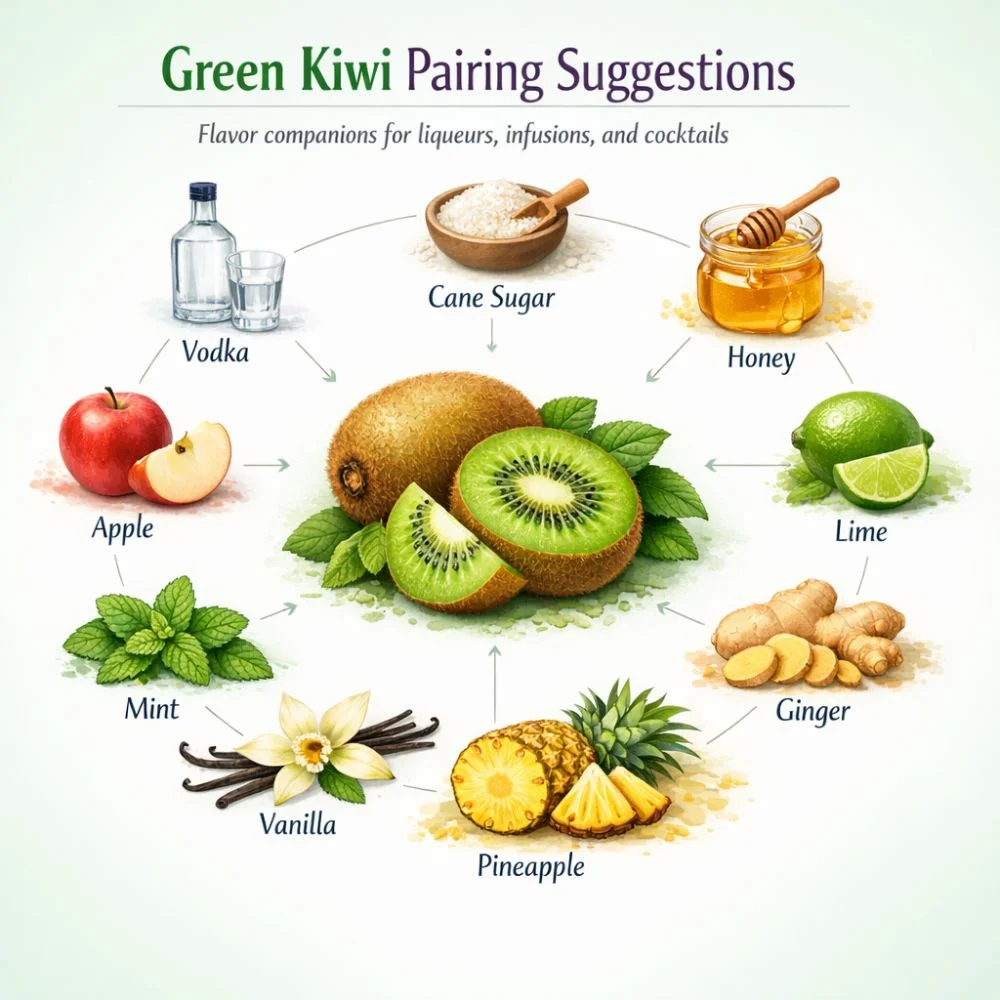
Kiwi (Green) pairing suggestions for liqueur making

Kiwi (Green) FAQ


Green kiwi extracts into alcohol with a much brighter and sharper profile than sweeter tropical fruits such as mango, ripe papaya, or banana. Its natural acidity shows up early, so even before the full fruit aroma has developed, the spirit often tastes fresher and more energetic. Instead of giving immediate lush sweetness, green kiwi tends to contribute tangy lift, green-tropical notes, and a crisp finish. In liqueur making, this makes it useful when you want a fruit infusion that feels lively rather than rich or heavy.

Sweeter tropical fruits usually push more body and rounded perfume into the alcohol. They can make a liqueur feel fuller, softer, and more dessert-like. Green kiwi behaves differently. Its flavor can be more delicate in one sense, but also more structural because the acidity shapes the whole drink. It can brighten a formula and reduce the impression of heaviness, especially when the liqueur includes honey, cane sugar, vanilla, or other softening ingredients. Because kiwi is less lush than some tropical fruits, it often needs careful timing and balance to show its best qualities.

For homemade liqueurs, this means green kiwi is less about plush fruit weight and more about freshness, contrast, and tension. It works especially well in modern, crisp, fruit-forward styles and in recipes where the maker wants brightness without relying only on citrus. Compared with sweeter tropical fruits, green kiwi offers less natural richness but more energy and definition.

Several fruits can replace green kiwi in liqueur making if the goal is to keep a similar combination of acidity, freshness, and light tropical character. Pineapple is one of the most practical substitutes because it brings brightness and juicy lift, though it is generally sweeter and more assertive. Green apple is another good option when the recipe depends more on crisp acidity and freshness than on overt tropical notes. Passion fruit can also work if you want stronger aroma and acidity, but it changes the style more dramatically and usually makes the liqueur feel more intense.

The best substitute depends on what green kiwi contributes in the original formula. If it mainly provides brightness and a fresh finish, green apple can be very effective. If it provides tropical character as well as lift, pineapple is often the closest replacement in spirit, even though the flavor is not identical. Gooseberry can also echo some of kiwi’s tart green-fruit feeling, though it is less obviously tropical. In recipes with mint, vanilla, or honey, even a blend of apple and pineapple can reproduce some of kiwi’s balance of freshness and soft tropical fruit.

What matters most is function rather than perfect imitation. Green kiwi is useful because it keeps sweet liqueurs feeling awake and modern. A successful substitute should do the same. Choose a fruit that preserves acidity, freshness, and a clean finish, and the final liqueur can still feel close in style even if the exact flavor shifts.

Green kiwi generally benefits from a shorter infusion than many firmer fruits because its best qualities are freshness, tangy aroma, and bright acidity. A practical starting window is around several days up to two weeks, depending on ripeness, slice thickness, and alcohol strength. The flavor usually appears fairly quickly, especially if the fruit is ripe and well prepared. Pushing the infusion too long does not necessarily create a better liqueur. Instead, it can flatten the kiwi’s fresh character and increase the chance of dull, pulpy, or faintly vegetal notes.

This is one of those ingredients where regular tasting matters a great deal. Green kiwi is attractive when it feels alive and energetic. Once that feeling begins to fade, the liqueur may still hold fruit flavor, but it often becomes less vivid and more tired. Very soft kiwi can move in that direction faster than slightly firm fruit. High-proof alcohol may also pull more aggressively from the fruit, so timing should reflect the full recipe, not just the ingredient list. A neutral base often highlights freshness well, while stronger bases can change how quickly the kiwi integrates.

For most homemade liqueurs, it is smarter to stop the infusion while the kiwi still feels bright, then let sweetening and resting complete the balance. The fruit does not need maximum extraction to be effective. In fact, green kiwi is usually best when slightly restrained. Freshness is the quality worth preserving, not brute intensity.

Green kiwi liqueur turns cloudy or overly pulpy mainly because kiwi flesh is soft, juicy, and easily broken down by alcohol. Once sliced fruit sits in spirit, it can begin releasing fine particles quite quickly. If the fruit is very ripe, heavily stirred, or partially crushed, the problem becomes even more noticeable. Instead of a clean infusion, the liqueur can take on suspended pulp, haze, and a thicker texture that makes filtration difficult. Cloudiness is therefore often a mechanical issue caused by the fruit structure rather than a sign that the recipe is spoiled.

Timing also plays a part. The longer kiwi remains in the alcohol, the more its tissue softens and disperses. This can push the liqueur away from bright and fresh toward muddy and dense. Skin, seeds, and aggressive handling can add to the issue, especially when the fruit is not peeled cleanly or when the jar is shaken too often. Some makers assume more contact equals more flavor, but with kiwi that approach often increases pulp much faster than it improves balance. Over-infusing can also make the fruit taste dull while still leaving the liqueur messy.

The solution is to work cleanly and gently. Peel the fruit, slice it evenly, avoid crushing, and taste regularly so the infusion can be strained before the kiwi collapses too far. Careful filtering after straining helps preserve a clearer final result. Kiwi rewards restraint. The best liqueurs usually come from controlled extraction, not maximum fruit breakdown.

Green kiwi brings a flavor profile that is tangy, fresh, lightly tropical, and distinctly bright. It is not as deeply sweet as many tropical fruits, so the first impression is often one of lively acidity and green-fruit energy rather than plush richness. In homemade liqueurs, kiwi can create a crisp and modern fruit expression that feels clean on the palate. It contributes freshness more than weight, which is one reason it works so well in lighter styles and cocktail-oriented recipes.

Its tropical side is present, but it is usually restrained and sharpened by acidity. That gives green kiwi an interesting role in liqueur making. It can make a formula feel exotic without becoming heavy or syrupy. When paired with honey, cane sugar, vanilla, mint, ginger, apple, or pineapple, kiwi either sharpens the whole blend or receives enough support to become more rounded. The exact effect depends on dosage and timing, but the underlying profile stays energetic and vivid rather than warm and lush.

Green kiwi is therefore less about soft fruit comfort and more about sparkle, lift, and contrast. It can brighten sweetness, refresh the finish, and give the liqueur a distinctive fruit identity that feels contemporary and clean. In homemade liqueurs, that combination of tangy tropical fruit and crisp acidity can be extremely useful when the goal is freshness and character rather than dessert-like richness.
Kiwi (Green)
Kiwi (Green) in Liqueur Crafting

More Fruits


LIQUEUR ALCHEMY TOOLS & RESOURCES


Design labels in minutes—beautiful, practical, and ready to print. Choose a tool below to generate bottle or ingredient labels that match your Liqueur Alchemy workflow.
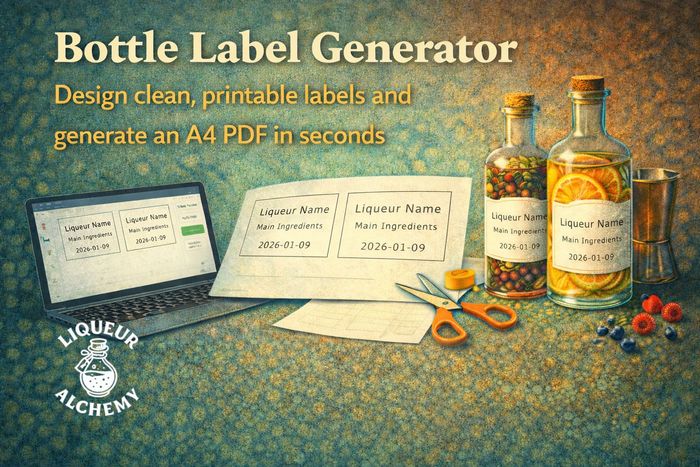
Bottle Label Generator preview

Bottle Label Generator

Create clean bottle labels with your liqueur name, batch details, date — ready for printing and gifting.
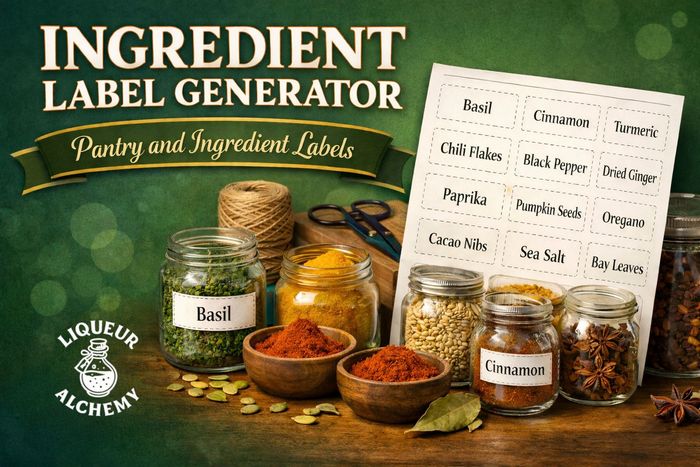
Ingredient Label Generator preview

Ingredient Label Generator

Label jars, containers, and storage bags to maintain clear organization from preparation through infusion and serving.
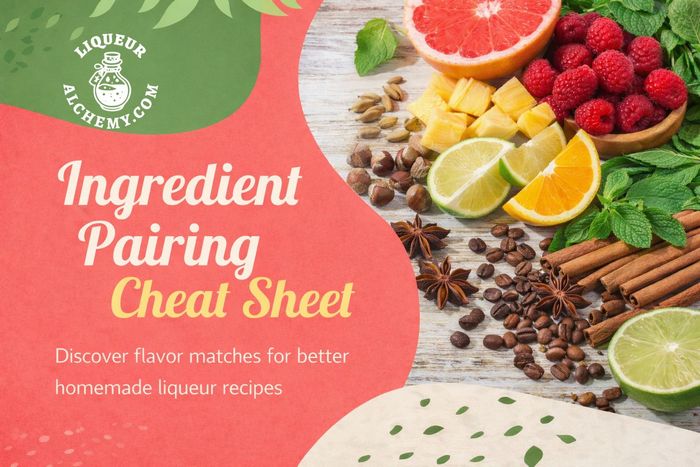
Ingredient pairing cheat sheet for creating balanced homemade liqueurs

Ingredient Pairing Cheat Sheet

Discover flavor combinations that create balanced, complex, and unique homemade liqueurs.