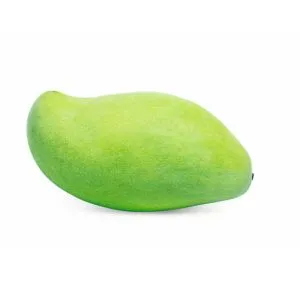
Mango (Green)

Green Mango in Liqueurs: Tangy Sour Lift, Aromatics, and Balance

Green mango delivers a vivid sour snap with grassy, resinous aromatics and a hint of piney peel bitterness. In liqueurs it creates a refreshing, mouthwatering profile that pairs beautifully with chili, salt, ginger, and warm spices, especially in rice spirit or vodka. Because acidity and tannins extract quickly, slice thin and taste early; long infusions can turn woody and overly astringent. Sweeten in stages (palm sugar works well) to balance the tang, then rest 2–4 weeks so the sharp edges round out into a clean, tropical sour finish.

Mango (Green)

Home / Ingredients / Fruits / Mango (Green)

Mango (Green) Flavor Profile

tart, grassy, fruity, resinous, lightly bitter, tropical sour

Mango (Green) Impact on Liqueurs

Adds bright sour lift and green aromatics; can become astringent or woody if over-infused.

How to Use Mango (Green)?

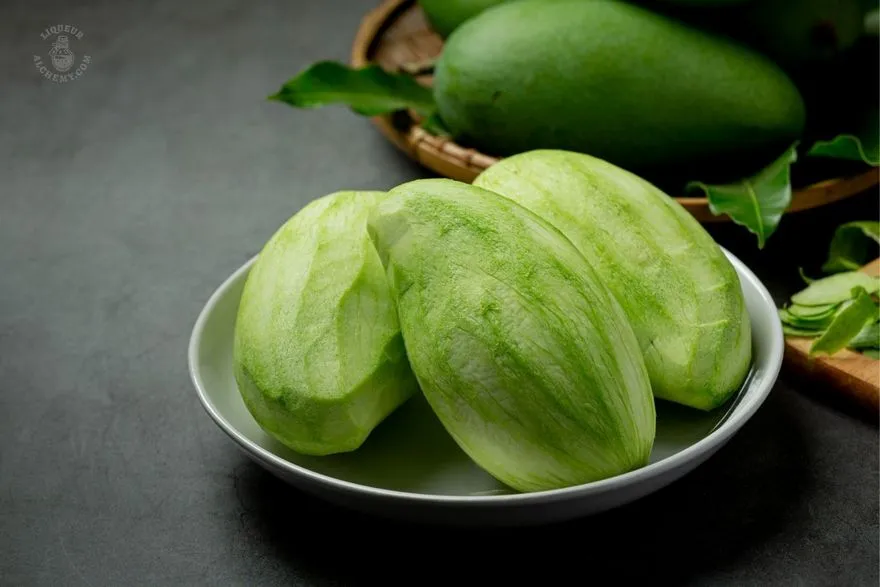
Peel fully and remove stone. Use 400–800 g per 1 L spirit; slice thin for faster extraction. Taste from day 3; typical infusion 5–14 days. Strain at peak tang, sweeten gradually, add a pinch of salt if desired, and rest 2–4 weeks.

Mango (Green) Pairing Suggestions

Vodka, Cane Sugar, Chili, Lime, Ginger, Salt, Mango, Honey

Mango (Green) pairing suggestions for liqueur making

Mango (Green) FAQ


Green mango is firmer, tarter, and more grassy than ripe mango, so it extracts bright acidity and a faint resin note. Peel it (skin can add bitterness), remove the seed, and cut into medium cubes rather than thin slices. Infuse at 40–50% ABV and start tasting at day 2–3; many batches peak around 5–12 days.

Dosage: 400–800 g green mango per liter depending on variety and sourness. Strain when the aroma is zesty and the tartness feels clean. Sweeten after straining—green mango needs sugar to round the sharp edge, but too much sugar early can trap haze and mute freshness.

Common mistakes include including peel, using very immature mango (harsh), and steeping for weeks (woody). Flavor impact should be tangy, tropical, and slightly herbal. Store cool and dark; bottle smaller once opened to protect the fresh top notes.

Green mango loves lime zest, green cardamom, long pepper, chili (controlled), and a touch of ginger—think bright, zesty, and slightly warm. Keep clove and heavy cinnamon low; they can turn the profile ‘mulled’ and fight the tart-green character.

Best workflow: infuse mango first, strain, then add spices briefly (hours to a couple days) while tasting, or use spice tinctures for precise dosing. Chili and pepper are safest as tinctures so heat doesn’t overshoot.

Common mistakes include spicing from day one and leaving spices in for weeks. Flavor impact should remain mango-forward with a crisp, tangy finish. Store cool and dark; spice intensity can feel stronger after resting, so bottle slightly lighter than you think.

The ripeness of mango significantly influences its extraction behavior in liqueur making. Green mangoes, being less sweet and more acidic, provide a sharp flavor that can create a refreshing liqueur. In contrast, ripe mangoes are sweeter and yield a richer, smoother taste.

When using green mango, the extraction process focuses on capturing its vibrant acidity and unique flavor notes. This can lead to a liqueur that is both complex and refreshing, appealing to those who enjoy tart flavors. The extraction time may vary, requiring careful monitoring.

Ultimately, the choice between green and ripe mango will depend on the desired flavor profile of the liqueur. Experimenting with different stages of ripeness can yield exciting and varied results, allowing for a personalized touch in your craft liqueurs.

Preparing green mangoes for liqueur involves washing them thoroughly to remove any dirt or pesticides. After washing, peel the mangoes carefully to avoid any bitterness from the skin.

Next, slice the mangoes into small pieces to maximize the surface area for infusion. This allows the flavors to meld beautifully with your liqueur base.

Finally, consider macerating the mango pieces with sugar or other sweeteners to enhance their natural sweetness before adding them to your liqueur mix. This step will elevate the overall flavor profile.

Yes, you can replace green mango with other fruits in your liqueur, such as tart cherries. Tart cherries offer a similar acidity and can provide a vibrant color, making your liqueur visually appealing while maintaining a fruity essence. This substitution works well in both sweet and sour liqueurs.

Another fruit to consider is kiwi, which has a tangy flavor that can mimic the tartness of green mango. Kiwi also adds a unique twist to your liqueur, providing a fresh and exotic taste that pairs well with various spirits. It is especially effective in tropical-themed cocktails.

Lastly, you might experiment with passion fruit, which brings a tropical sweetness balanced by acidity. This fruit can enhance the overall flavor profile of your liqueur, making it a delightful alternative to green mango while still achieving that fruity character.
Mango (Green)
Mango (Green) in Liqueur Crafting

More Fruits


LIQUEUR ALCHEMY TOOLS & RESOURCES


Design labels in minutes—beautiful, practical, and ready to print. Choose a tool below to generate bottle or ingredient labels that match your Liqueur Alchemy workflow.
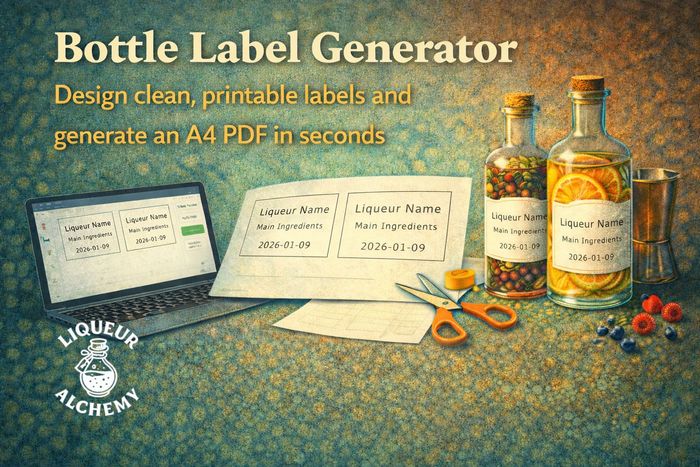
Bottle Label Generator preview

Bottle Label Generator

Create clean bottle labels with your liqueur name, batch details, date — ready for printing and gifting.
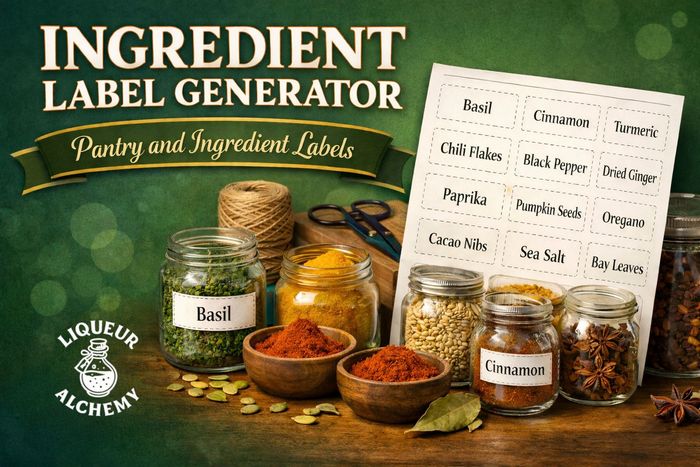
Ingredient Label Generator preview

Ingredient Label Generator

Label jars, containers, and storage bags to maintain clear organization from preparation through infusion and serving.

Ingredient pairing cheat sheet for creating balanced homemade liqueurs

Ingredient Pairing Cheat Sheet

Discover flavor combinations that create balanced, complex, and unique homemade liqueurs.