What mistakes commonly reduce serviceberry flavour during maceration?
Troubleshooting Common Homemade Liqueur Problems and Fixes
Direct Answer
Unripe fruit, low dosage, poor preparation, excessive dilution and incorrect storage commonly produce weak serviceberry infusions.
Expanded Explanation
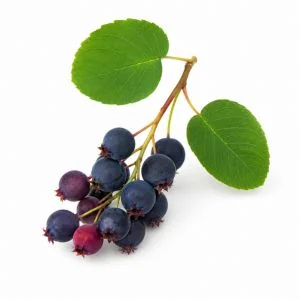
Using underripe, dried-out or damaged serviceberries is one of the main reasons an infusion tastes weak. The fruit should be fully coloured, aromatic and pleasantly sweet before it enters the jar. Leaving stems, leaves or spoiled berries in the batch can introduce green or stale notes that mask the delicate fruit character. Another common mistake is using too little fruit. Because serviceberries are milder than blackcurrants, a sparse dosage may create colour without enough flavour.
Poor preparation can also limit extraction. Whole firm berries release their contents slowly, so lightly crushing a portion or freezing and thawing the fruit helps alcohol reach the flesh. However, turning everything into a puree creates filtration problems and may damage the seeds. An alcohol base that is too weak can become excessively diluted by fruit juice, while a very strong spirit may emphasise harshness before the softer berry notes develop. Around 37.5 to 40 percent alcohol is generally suitable for balanced extraction.
Storage conditions matter throughout maceration. Direct sunlight, excessive warmth and frequent opening accelerate oxidation and can flatten aroma. Keep the sealed jar in a cool, dark place and move it gently every few days. Do not add a large amount of sugar at the beginning, because heavy sweetness can make tasting difficult and may conceal poor extraction. Sweeten after straining or near the end of the process. Regular tasting is essential, as both under-infusion and over-infusion reduce clarity. Careful fruit selection, sufficient dosage and controlled timing preserve the gentle blueberry, cherry and almond character.