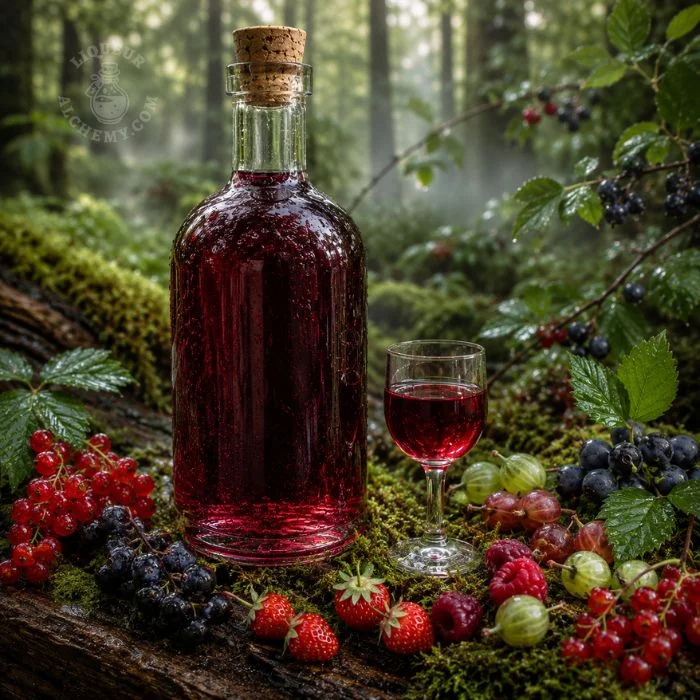
Serviceberry

Serviceberry in Liqueur Making: Soft Fruit and Almond Depth

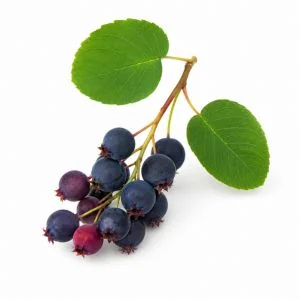
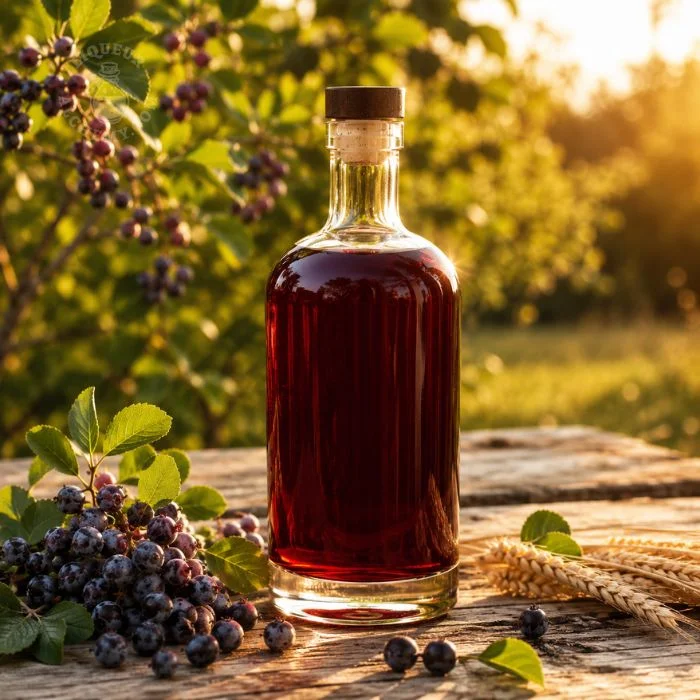
Serviceberries, also known as Amelanchier berries, produce softly fruity liqueurs with notes of blueberry, cherry, raisin and subtle almond. Their moderate acidity and gentle tannins create a rounded, smooth infusion rather than a sharply tart one. Fully ripe berries release deep ruby-purple colour and a mellow woodland aroma into vodka, brandy or light rum. Crushing or freezing the fruit improves extraction, while excessive maceration may draw bitterness from the seeds. They pair especially well with honey, vanilla, lemon, cinnamon and almonds.

Serviceberry

Home / Ingredients / Fruits / Serviceberry

Serviceberry Flavor Profile

Mellow blueberry and dark cherry flavours with raisin sweetness, gentle acidity, soft tannins and a subtle almond-like finish.

Serviceberry Impact on Liqueurs

Adds rich ruby-purple colour, rounded berry character, delicate woodland aroma and mild tannic structure without overwhelming acidity.

How to Use Serviceberry?

Use fully ripe, clean berries and remove stems before infusion. Lightly crush or freeze and thaw the fruit to improve extraction. Infuse for approximately three to five weeks, tasting regularly. Avoid crushing the seeds heavily, as prolonged contact may introduce bitterness. Strain carefully and allow the finished liqueur to rest before adjusting sweetness.

Serviceberry Pairing Suggestions

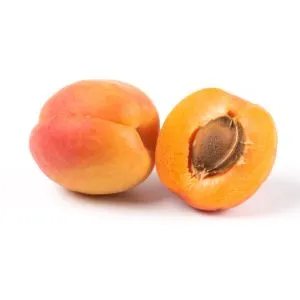
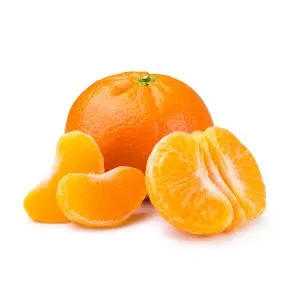
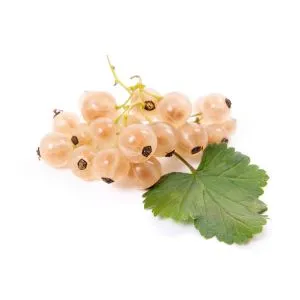
Vodka, Brandy, White Rum, Honey, White Sugar, Vanilla, Lemon, Cinnamon, Almond, Orange, Anise Seeds, Mint
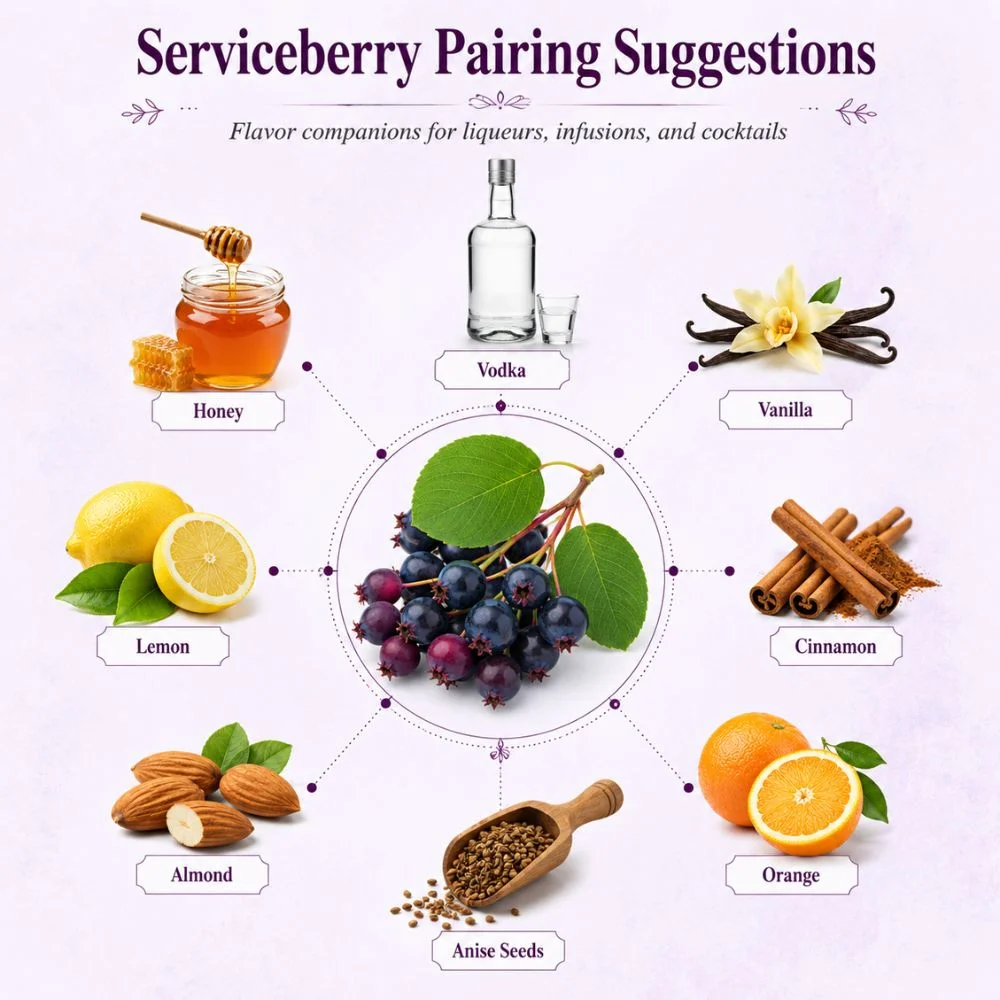
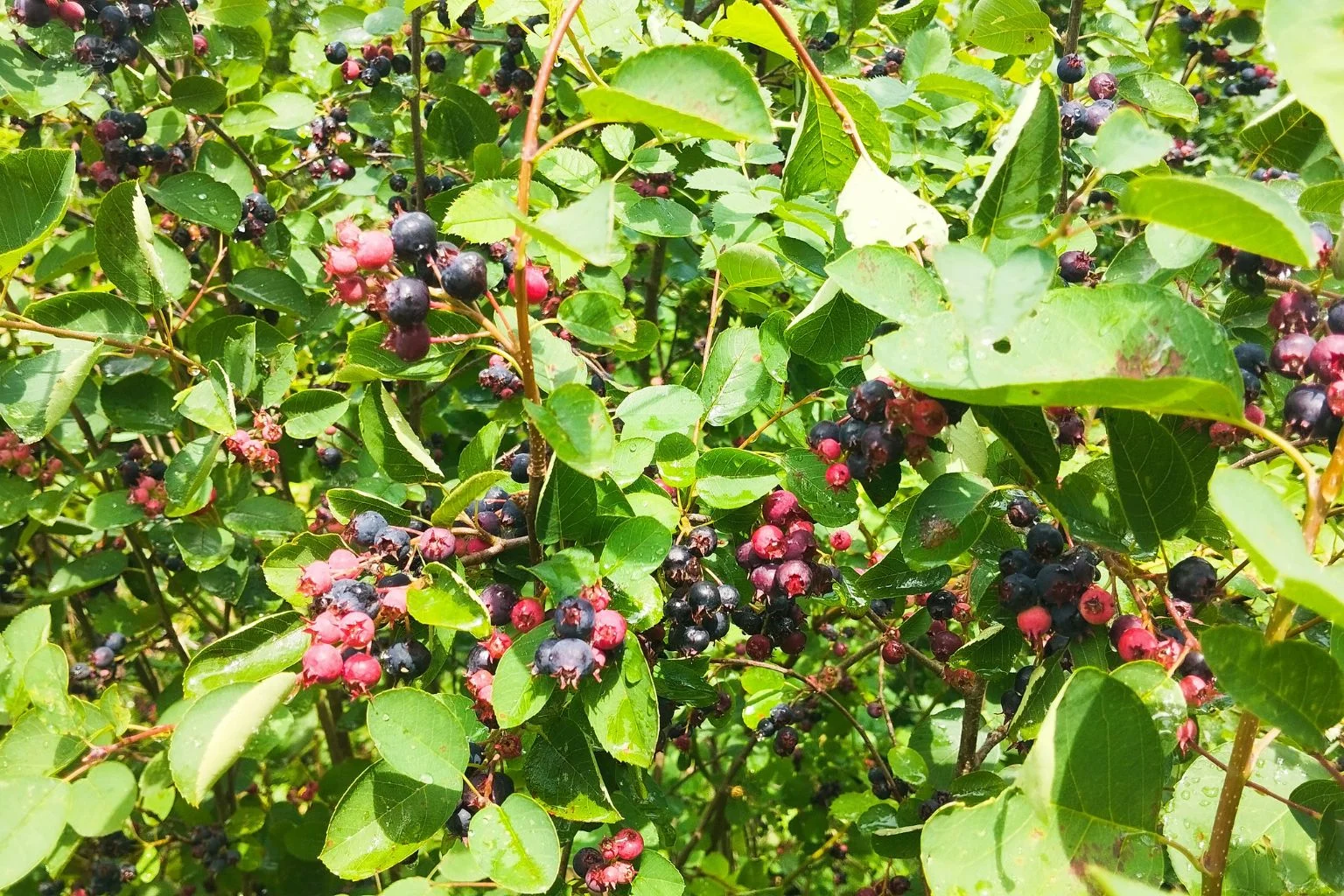
Serviceberry pairing suggestions for liqueur making

Serviceberry FAQ


Serviceberries release flavour when alcohol penetrates the fruit skin and dissolves aromatic compounds, natural sugars, pigments and mild tannins from the flesh. Their flavour is softer than blackcurrant or sour cherry, so extraction develops gradually rather than arriving as an immediate burst. Fully ripe berries contribute blueberry, dark cherry, raisin and delicate almond-like notes. Lightly crushing part of the fruit increases the exposed surface area and helps the spirit reach the juicy interior without pulverising the seeds.

Alcohol strength influences which compounds are extracted and how quickly they appear. Vodka around 37.5 to 40 percent alcohol provides a useful balance because it extracts aroma and colour while still accepting the fruit's water content. During the first week, the infusion often becomes ruby-purple and gains fresh berry aroma. Over the following weeks, deeper dried-fruit, woodland and subtle seed-derived nuances develop. Gentle agitation every few days keeps the berries evenly exposed, but vigorous shaking is unnecessary and may break the seeds.

For the cleanest result, use fully ripe, sound fruit, remove stems and avoid packing damaged or mouldy berries into the jar. Freezing and thawing can rupture cell walls and speed extraction, especially when the skins are firm. Taste the infusion regularly from the third week onward and strain once the fruit character is rounded. Serviceberries reward patient extraction, but keeping them in alcohol far beyond their useful period can shift the flavour from mellow and fruity toward dry, woody or slightly bitter.

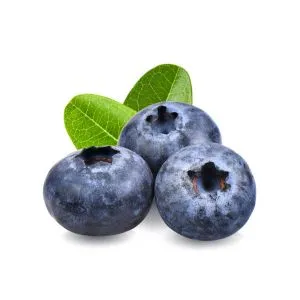
Blueberries are the easiest replacement for serviceberries because they offer a similarly gentle berry character, soft acidity and deep colour. Bilberries provide a more concentrated woodland flavour and stronger pigmentation, so a slightly lower fruit dosage may be appropriate. Dark sweet cherries can reproduce the rounded fruitiness, while a small quantity of almond or vanilla can suggest the subtle marzipan-like nuance sometimes found in ripe serviceberries. Each substitute should be chosen according to the desired balance rather than colour alone.

Chokeberries and blackcurrants are also useful, but they are more assertive. Chokeberries bring firmer tannin and dryness, while blackcurrants deliver sharper acidity and a powerful aromatic profile. When using either fruit, reduce the quantity or shorten the infusion to avoid overwhelming the liqueur. A blend can work particularly well, such as blueberry with a little dark cherry or bilberry with a restrained amount of chokeberry. Combining fruits allows the maker to imitate serviceberry's mixture of mellow sweetness, berry depth and gentle structure.

The substitute will also affect sweetening and resting time. Tart fruit may require more sugar or honey, while sweet cherries may need additional lemon juice to maintain freshness. Always taste the strained infusion before adjusting sweetness because fruit ripeness varies widely. Serviceberries are distinctive, so no replacement is exact, but blueberry, bilberry and dark cherry come closest when used thoughtfully. Adding vanilla, almond or a small strip of lemon zest can help create the rounded, elegant profile associated with a well-made serviceberry liqueur.

Serviceberries generally need about three to five weeks in vodka for balanced flavour extraction. During the first one to two weeks, the spirit takes on colour, fresh berry aroma and mild sweetness. By the third week, deeper notes of blueberry, dark cherry, raisin and subtle almond usually become clearer. Whole fresh berries may require the full five weeks, while frozen, thawed or lightly crushed fruit often extracts more quickly because the alcohol can enter the flesh more easily.

Timing should be guided by tasting rather than the calendar alone. Begin sampling after approximately fourteen to twenty-one days, using a clean spoon or pipette. Look for a rounded fruit flavour, attractive ruby-purple colour and enough structure to remain present after sweetening. If the infusion tastes thin, allow it more time. If dryness, woody notes or pronounced seed bitterness begin to appear, strain immediately. Gentle movement of the jar every few days helps maintain even contact, but vigorous shaking can damage seeds and introduce unwanted bitterness.

After straining, the liqueur still needs time to settle and integrate. Add sugar, honey or syrup gradually, then rest the finished drink for at least two to four weeks before judging its final balance. Fruit aroma may soften at first and then become more cohesive as alcohol, sweetness and acidity combine. Stronger alcohol, heavily crushed berries and warm storage accelerate extraction, while cool conditions and whole fruit slow it. For most home batches, careful tasting between weeks three and five produces a fuller and cleaner result than following a rigid fixed date.

Using underripe, dried-out or damaged serviceberries is one of the main reasons an infusion tastes weak. The fruit should be fully coloured, aromatic and pleasantly sweet before it enters the jar. Leaving stems, leaves or spoiled berries in the batch can introduce green or stale notes that mask the delicate fruit character. Another common mistake is using too little fruit. Because serviceberries are milder than blackcurrants, a sparse dosage may create colour without enough flavour.

Poor preparation can also limit extraction. Whole firm berries release their contents slowly, so lightly crushing a portion or freezing and thawing the fruit helps alcohol reach the flesh. However, turning everything into a puree creates filtration problems and may damage the seeds. An alcohol base that is too weak can become excessively diluted by fruit juice, while a very strong spirit may emphasise harshness before the softer berry notes develop. Around 37.5 to 40 percent alcohol is generally suitable for balanced extraction.

Storage conditions matter throughout maceration. Direct sunlight, excessive warmth and frequent opening accelerate oxidation and can flatten aroma. Keep the sealed jar in a cool, dark place and move it gently every few days. Do not add a large amount of sugar at the beginning, because heavy sweetness can make tasting difficult and may conceal poor extraction. Sweeten after straining or near the end of the process. Regular tasting is essential, as both under-infusion and over-infusion reduce clarity. Careful fruit selection, sufficient dosage and controlled timing preserve the gentle blueberry, cherry and almond character.

Serviceberries give liqueurs a gentle woodland aroma that can suggest blueberry, dark cherry, plum and dried raisin. Their fragrance is not as forceful as blackcurrant, so the result tends to be refined rather than highly perfumed. Ripe fruit may also contribute a subtle almond or marzipan impression, especially after a few weeks of maceration. Vanilla, honey, lemon and cinnamon can support these aromas without obscuring the central berry character when used carefully.

The colour usually develops from bright ruby to deeper red-purple, depending on ripeness, dosage and extraction time. Frozen or lightly crushed berries release pigment more rapidly than whole fresh fruit. Serviceberries contain moderate tannin, which provides enough grip to keep a sweet liqueur from feeling flat. Their acidity is comparatively soft, so they create a rounded profile rather than the sharp freshness associated with redcurrant or cranberry. A small amount of lemon juice may therefore be useful after straining.

In terms of body, serviceberries add gentle fullness through their dissolved fruit solids, natural sugars and tannins. The liqueur can feel smooth and slightly velvety once sweetened and rested, particularly when honey is included. Excessive pulp or over-crushing may make the drink cloudy and heavy, so careful filtration is important. After clarification and maturation, the best serviceberry liqueurs combine deep colour with a clean texture, mellow berry aroma and restrained structure. They are particularly suitable for elegant sipping liqueurs where balance and subtle complexity matter more than aggressive fruit intensity.
Serviceberry
Serviceberry in Liqueur Crafting

More Fruits


LIQUEUR ALCHEMY TOOLS & RESOURCES


Design labels in minutes—beautiful, practical, and ready to print. Choose a tool below to generate bottle or ingredient labels that match your Liqueur Alchemy workflow.
Bottle Label Generator preview

Bottle Label Generator

Create clean bottle labels with your liqueur name, batch details, date — ready for printing and gifting.
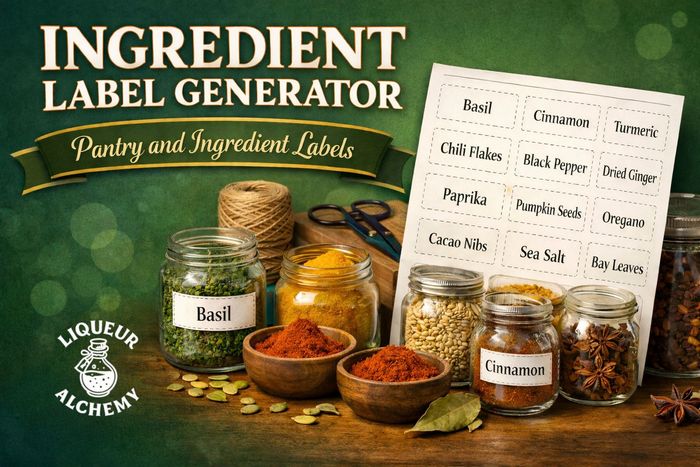
Ingredient Label Generator preview

Ingredient Label Generator

Label jars, containers, and storage bags to maintain clear organization from preparation through infusion and serving.

Ingredient pairing cheat sheet for creating balanced homemade liqueurs

Ingredient Pairing Cheat Sheet

Discover flavor combinations that create balanced, complex, and unique homemade liqueurs.