Elderberry Nice

Elderberry Nice: Dark Rum, Cacao and Forest Elderberry Liqueur

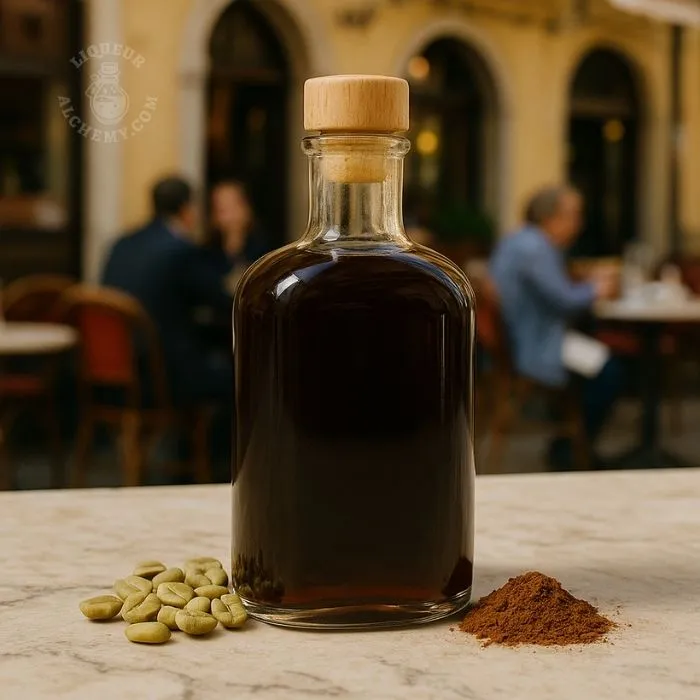
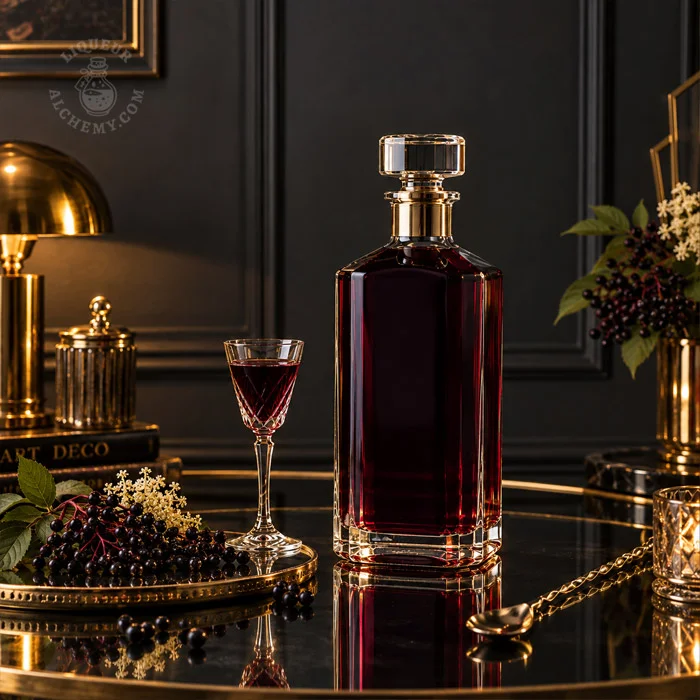
Elderberry Nice is a rich dark rum liqueur combining deep, slightly tart elderberry fruit with muscovado sugar and honey. Cacao nibs and coffee beans add restrained roasted depth, while vanilla, allspice and cinnamon provide warmth. The finished character is fruity, rounded, gently spiced and subtly bittersweet.

Main notes

  • Dark Rum
  • Elderberries

Ingredients

  • Elderberries — 700 g
  • Dark Rum — 700 ml
  • Muscovado Sugar — 160 g
  • Honey — 40 g
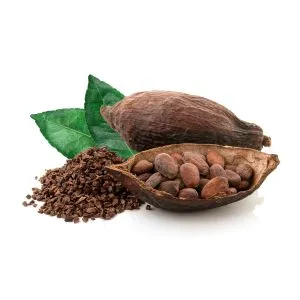
  • Cacao Nibs — 12 g
  • Vanilla — ¼ pod
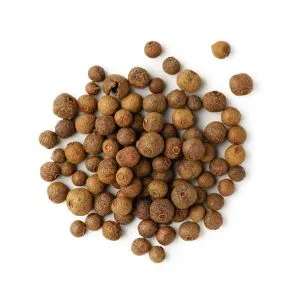
  • Allspice — 3 berries
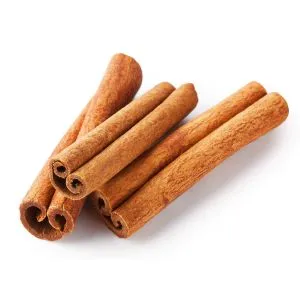
  • Cinnamon — ⅓ stick
  • Coffee Beans — 6 beans

Preparation

  1. Sort the elderberries carefully, removing all stems, leaves, unripe berries and damaged fruit. Rinse gently in cold water, then drain and dry thoroughly.
  2. Freeze the cleaned elderberries overnight, then allow them to thaw completely. This helps break down the fruit and encourages faster colour and flavour extraction during the relatively short maceration.
  3. Place the thawed elderberries in a large sterilised glass infusion jar. Gently crush roughly one-quarter of the berries to release their juice while leaving the remainder intact.
  4. Add the muscovado sugar and honey, then gently rotate the jar to distribute them through the fruit.
  5. Add the cacao nibs, split vanilla pod, lightly crushed allspice berries, cinnamon stick and whole coffee beans.
  6. Pour in the dark rum, ensuring the elderberries and aromatics are submerged. Seal the jar tightly and store in a cool, dark place.
  7. Gently rotate the jar once a day during the first week to help dissolve the sugar and encourage even extraction. After the first week, rotate it gently every few days.
  8. Begin tasting after two weeks, paying particular attention to the coffee, cinnamon, allspice and cacao. Remove individual aromatics early if they begin to dominate, while leaving the elderberries to continue infusing.
  9. Macerate for a total of four weeks. Strain thoroughly, gently pressing the fruit to recover the liquid without crushing the seeds excessively. Filter until clear, bottle, and allow the finished liqueur to rest for as long as possible before serving.
Download

The Story

Elderberry Nice began with dark clusters of elderberries gathered from the forest nearby, their deep colour and earthy fruitiness calling for something warmer than a traditional vodka infusion. Dark rum became the natural base, bringing caramel and molasses notes that settle comfortably alongside the berries. Muscovado sugar and honey deepen the sweetness, while cacao nibs and a few coffee beans introduce a subtle roasted edge. Vanilla, allspice and cinnamon provide gentle warmth without turning the liqueur overly spicy. The result is dark, fruity and quietly indulgent — a woodland liqueur with a mischievously friendly name.

Who is "Elderberry Nice" Liqueur for?

Elderberry Nice is for adventurous slow sippers who enjoy dark fruit, mellow rum and subtle roasted flavours. Its combination of forest elderberries, cacao, coffee and warming spice suits curious palates looking for something rich and unusual without losing the natural character of the fruit.
"Elderberry Nice" Liqueur Serving Suggestions

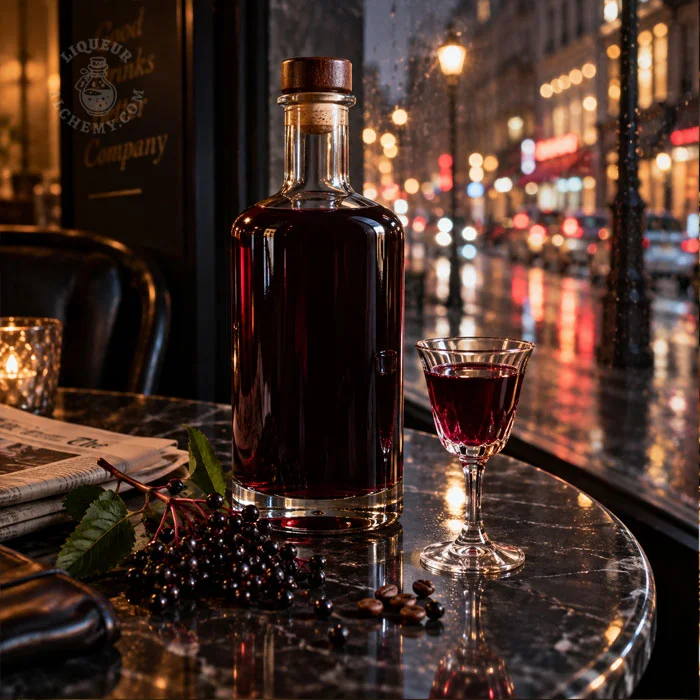
Serve Elderberry Nice slightly chilled or at cool room temperature in a small liqueur or tasting glass. It works particularly well as an after-dinner pour, when its dark elderberry fruit, mellow rum, cacao, coffee and gentle spice can unfold slowly.

Why the Name "Elderberry Nice"?

The name Elderberry Nice plays with the unexpectedly friendly side of a dark, mysterious-looking forest fruit. Elderberries bring an almost inky colour and serious character, while rum, honey, vanilla and warm spices soften the edges into something inviting and comforting. “Nice” gives the recipe a deliberately simple, cheeky contrast: it may look dark and brooding in the bottle, but it is much more welcoming in the glass.

Testing Notes

The main balance to watch is between the elderberry and the darker roasted ingredients. Six coffee beans and 12 g of cacao nibs should provide background depth rather than create a coffee-chocolate liqueur. Taste during maceration and remove the coffee or cinnamon early if either begins masking the fruit.

Elderberry Nice Liqueur FAQ


Muscovado sugar contributes more than sweetness: its molasses character reinforces dark rum and gives elderberries a deeper, rounder profile. Light brown sugar is the closest substitute. Demerara can also work, but the finished drink will usually taste cleaner and slightly less rich. White sugar is usable when necessary, although it removes much of the dark caramel character intended in this combination.

Honey softens the sharper fruit notes and adds body. If replacing it, use a mild floral honey alternative or increase the sugar modestly rather than adding a strongly flavoured syrup. Maple syrup can dominate the elderberry, cacao and coffee profile, so it is not an ideal direct substitute here.

When changing either sweetener, start conservatively. It is easier to add sweetness after straining than to correct an overly sweet infusion. Keep the combined sweetness balanced against the tart elderberries, dry cacao, coffee and warming spices.

For this combination, four weeks is enough for the elderberries to give the rum strong colour and fruit character, particularly when the berries have been frozen, thawed and a small portion gently crushed. The jar should be kept in a cool, dark place and gently rotated during the first week to distribute the sugar and aromatics.

Start tasting after about two weeks rather than leaving every ingredient untouched for the full maceration. Coffee beans, cinnamon and allspice can become disproportionately strong before the elderberries finish extracting. Cacao nibs generally develop more gradually, but they should still be monitored because excessive extraction can introduce a dry, bitter edge.

Remove individual aromatics when they reach the desired intensity while allowing the elderberries to remain until the end. This staggered approach preserves the fruit as the main flavour instead of allowing coffee or spice to turn the infusion into a predominantly roasted or spiced drink.

The most likely cause is excessive extraction from the cacao nibs, coffee beans, cinnamon or allspice. Elderberries have a dark, tart character, so several bitter and warming ingredients can accumulate quickly around them. Crushing the coffee, using too much cinnamon, or leaving every aromatic in the jar without tasting can make the roasted notes dominate.

Remove the strongest aromatic ingredients as soon as the imbalance becomes noticeable. Do not automatically add more sugar immediately, because sweetness can hide bitterness without correcting its source. Allow the infusion to settle for a few days after removing the coffee or spices, then taste again before making further adjustments.

If the strained liqueur remains slightly too dry or bitter, a small addition of honey or simple syrup can round the finish. Make adjustments gradually and allow time between tastings. The target is deep elderberry and rum character with cacao, coffee and spice acting as background notes rather than separate dominant flavours.

Wait until the infusion has been strained before making the final sweetness adjustment. Fruit, cacao, coffee and spices change considerably during maceration, so judging the finished balance too early can lead to unnecessary sugar. Muscovado provides rich caramel depth, while honey gives a softer texture and can make the liqueur seem sweeter even at a relatively modest quantity.

If the finished drink is too dry, add a small amount of dissolved sugar syrup or mild honey, mix thoroughly and taste again after it has rested. Avoid large additions in one step. Elderberry should remain clearly identifiable, with the dark rum still contributing warmth and depth rather than disappearing beneath sweetness.

If it is already too sweet, additional unsweetened dark rum can reduce the sweetness while preserving the intended spirit character. Make small measured additions and record them. A short resting period between adjustments gives a more reliable impression of the final balance than repeated immediate tasting.

After four weeks of maceration, strain the infusion thoroughly and avoid aggressively crushing the elderberries or their seeds. A gentle press is enough to recover trapped liquid. Let the strained liqueur settle before fine filtering so suspended fruit particles and cacao sediment have time to drop, making clarification easier and reducing unnecessary filter changes.

Once filtered, bottle the liqueur in clean, sterilised glass bottles with reliable closures. A short resting period helps the elderberry, dark rum, muscovado, cacao, coffee and spices integrate after filtration. Even when it is intended to be served soon, several days of undisturbed rest can make the flavour noticeably more cohesive.

Store sealed bottles in a cool, dark place away from heat and direct sunlight. If sediment appears later, allow the bottle to stand upright and filter again if desired. Check aroma, appearance and flavour before serving, particularly when keeping homemade fruit liqueurs for extended periods.

RALETED RECIPES OF LIQUEUR ALCHEMY


Explore more creations from Liqueur Alchemy that share similar flavours, techniques, or ingredients. These related recipes offer fresh ideas and inspired combinations to help you craft your next bold, homemade spirit.