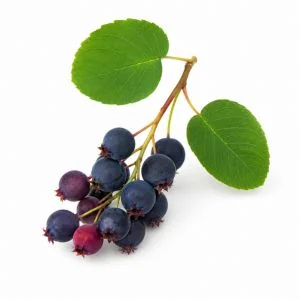
Should serviceberries be frozen before making a liqueur?
Infusion and Maceration Methods for Homemade Liqueurs
Direct Answer
Freezing is recommended but not essential; it improves extraction, preserves a harvest and reduces the need for heavy crushing.
Expanded Explanation
Serviceberries do not have to be frozen before making a liqueur, but freezing is often beneficial. The formation of ice crystals weakens the fruit's internal structure, so juice, colour and aroma are released more readily after thawing. This reduces the need to crush the berries heavily and can shorten the time needed for a full extraction. Fresh berries can still produce an excellent liqueur, particularly when they are very ripe and a portion is lightly pressed.
Prepare the fruit before freezing by removing stems, leaves and damaged berries. Rinse only when necessary, then dry the surface thoroughly to avoid adding excess water or forming a thick coating of ice. Freeze the berries in a single layer before transferring them to a sealed container. When ready to infuse, thaw them in a covered bowl and include all the released juice in the jar. Avoid crushing the seeds during handling, as their exposed compounds can contribute bitterness during a long maceration.
Freezing is also convenient when berries ripen unevenly or when there is not enough fruit for a complete batch at one time. Several small harvests can be accumulated until the required weight is reached. Label the container with the date and protect the berries from freezer odours. Once thawed, use them promptly and do not repeatedly refreeze them. Because frozen fruit extracts faster, begin tasting the infusion earlier. The technique is best viewed as a preparation tool that improves consistency and efficiency while preserving the natural serviceberry flavour.